Hanoi. Part 1
Days 3–4.
In the morning, I go for a walk and grab some coffee. Since I’m still getting my bearings and don’t know where to find specialty coffee yet, I stop by Starbucks (forgive me, coffee gods 🙏🏻). In Vietnam, everything starts early: even a chain Starbucks opens at 7 a.m. Inside are regular city residents. I noticed that people in Vietnamese cities like to dress up.
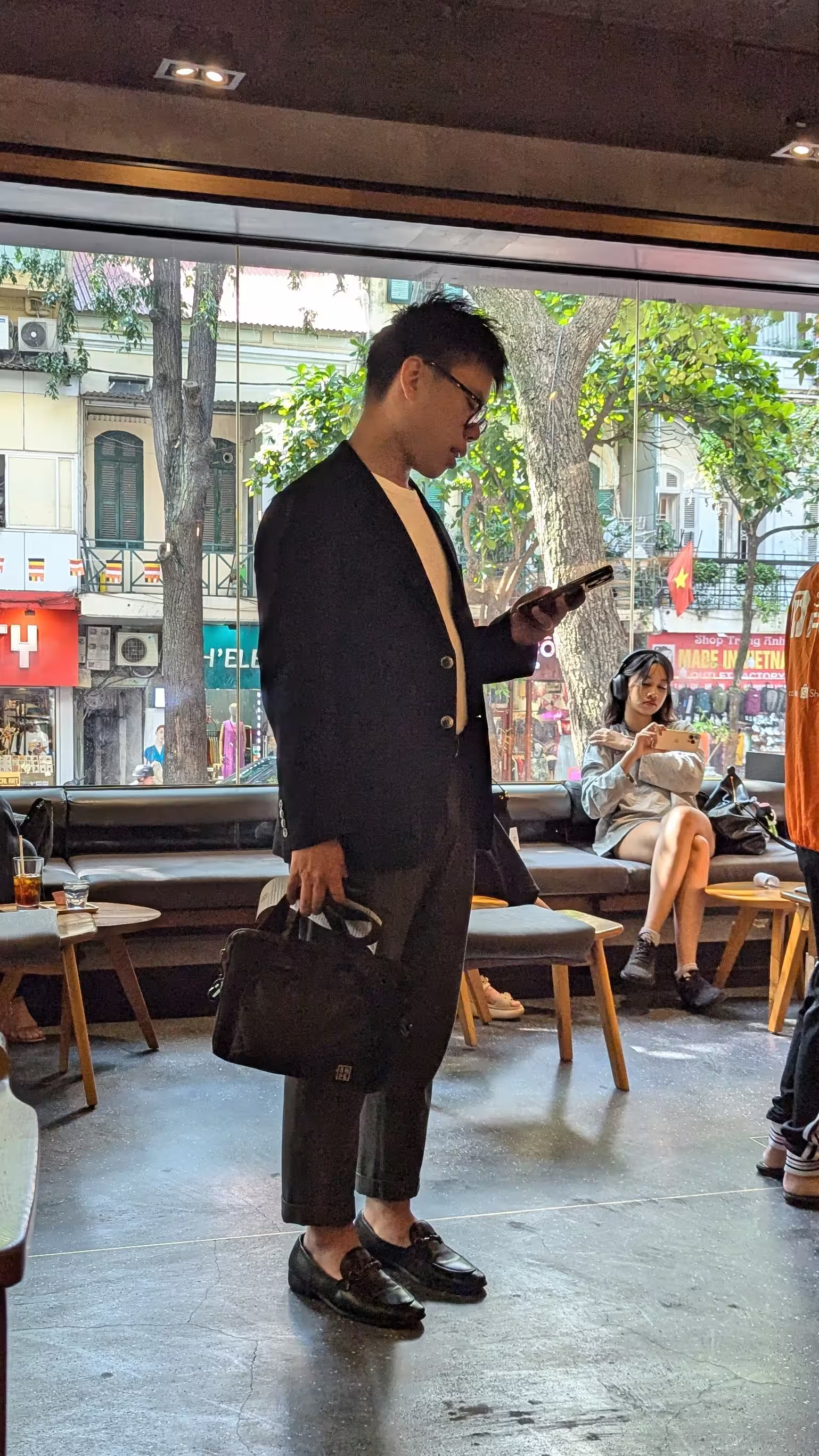
I felt that little bit of dissonance again: when you arrive in a warm country, you relax, slip into a semi-vacation vibe, and tend to dress more casually. But then in big Asian cities you see people clearly making an effort to look good. In moments like that, I feel a slight mismatch.
Vietnamese Starbucks is surprising: they have specialty coffee and alternative brewing methods. For the first time, I’ve seen siphon brewing in a chain coffee shop.
When you arrive in Asia, you notice there are all kinds of details everywhere. So many details! Tourists traditionally take photos of the wires in Asian cities.
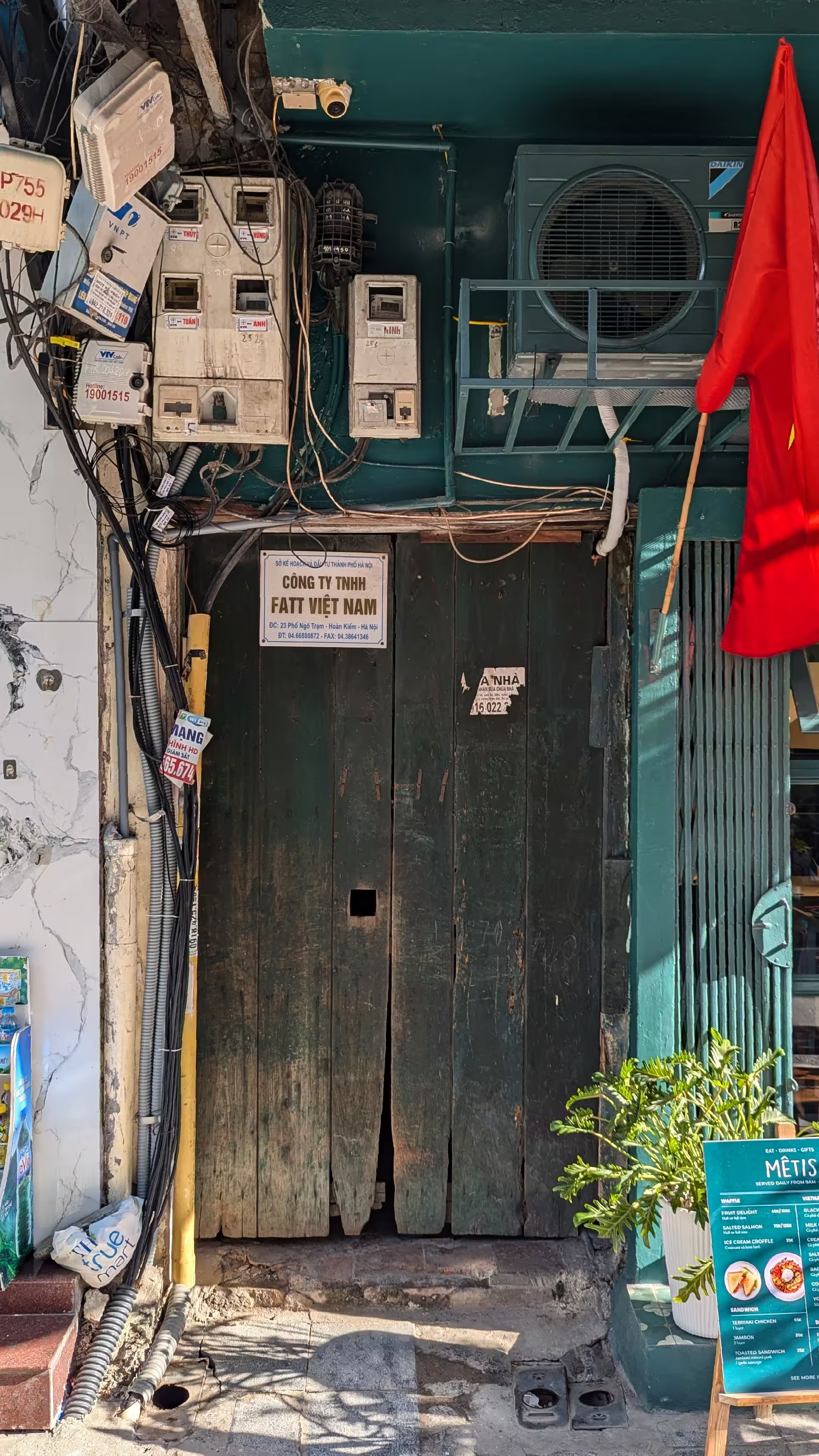
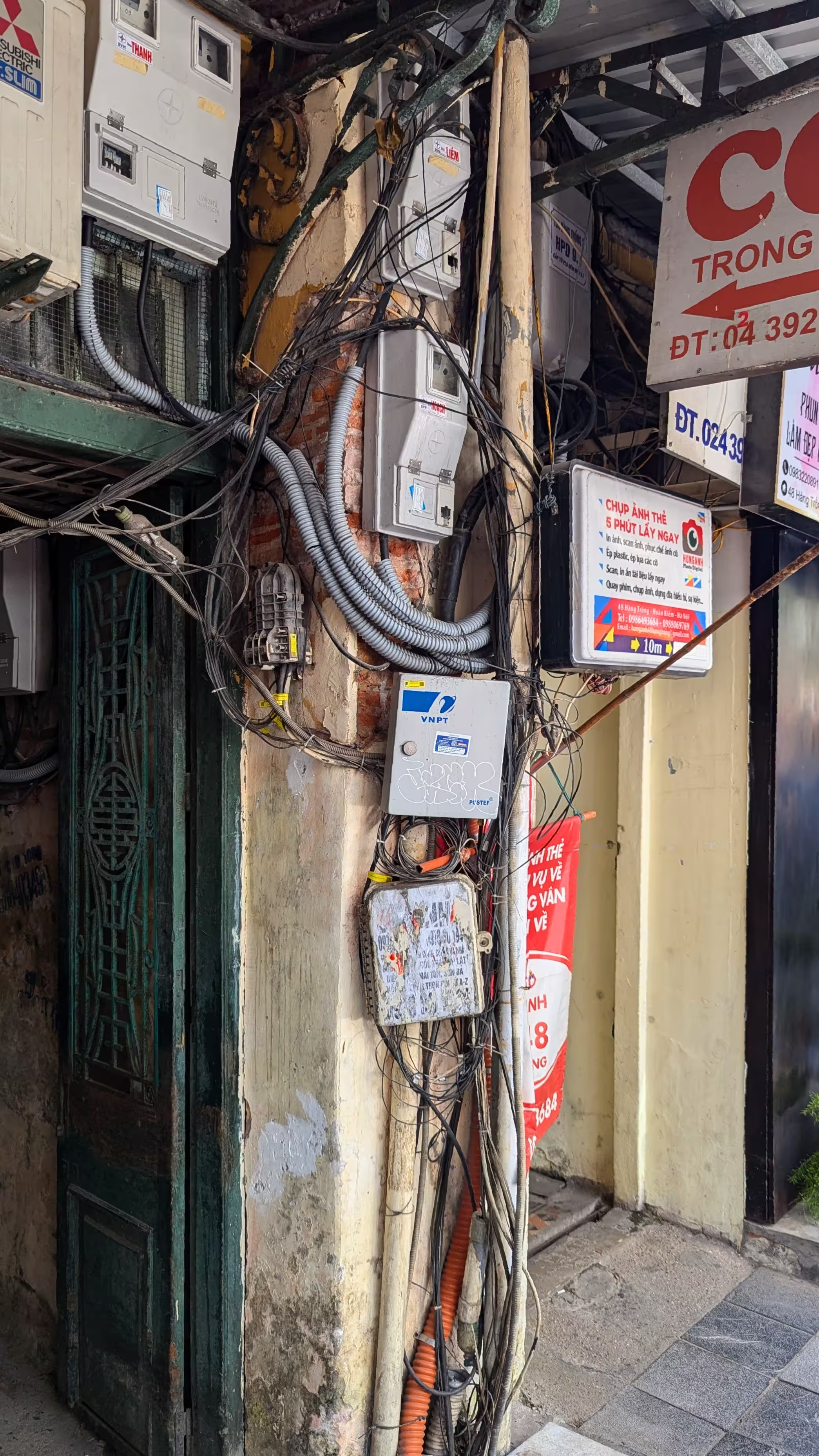
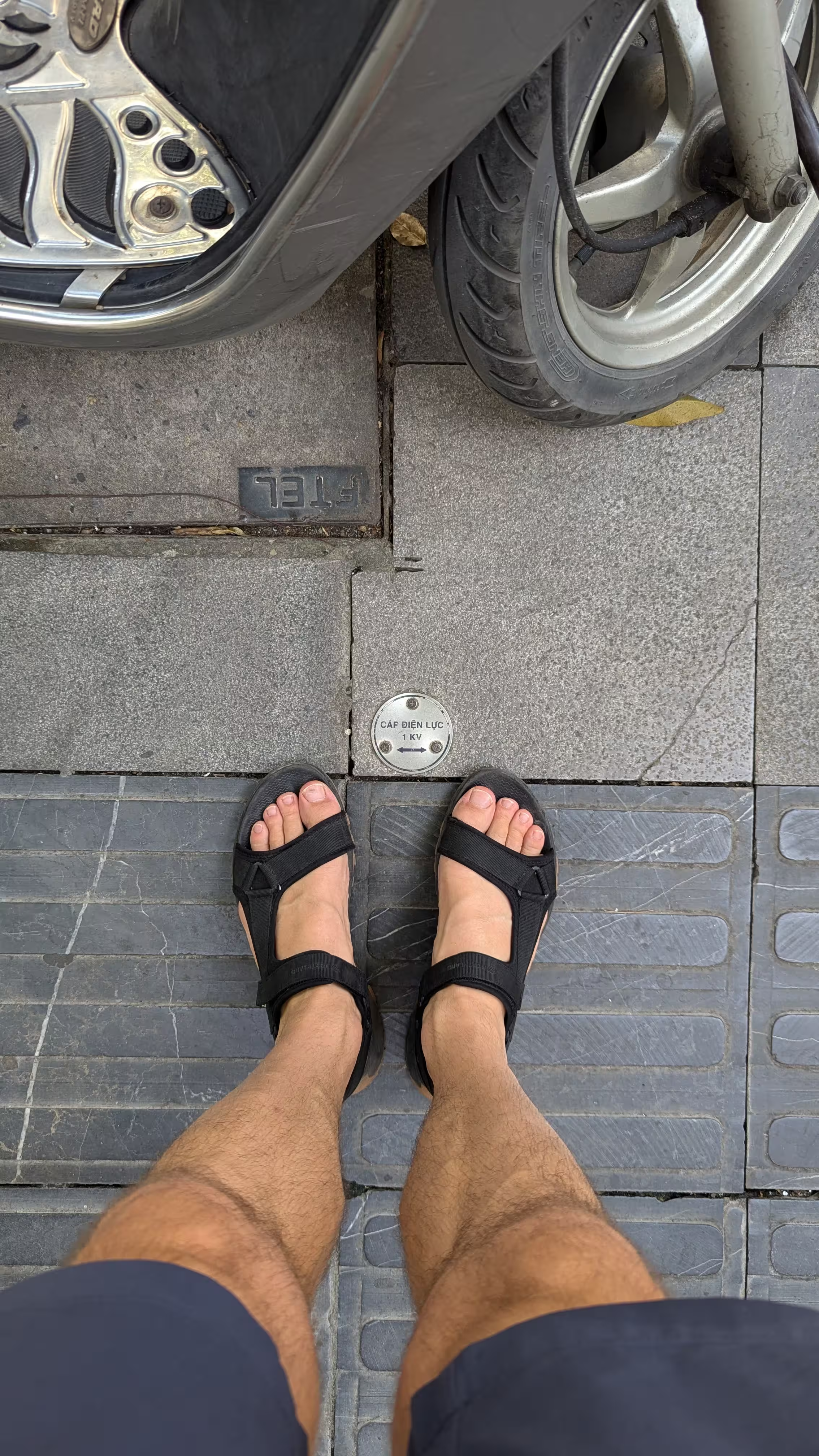
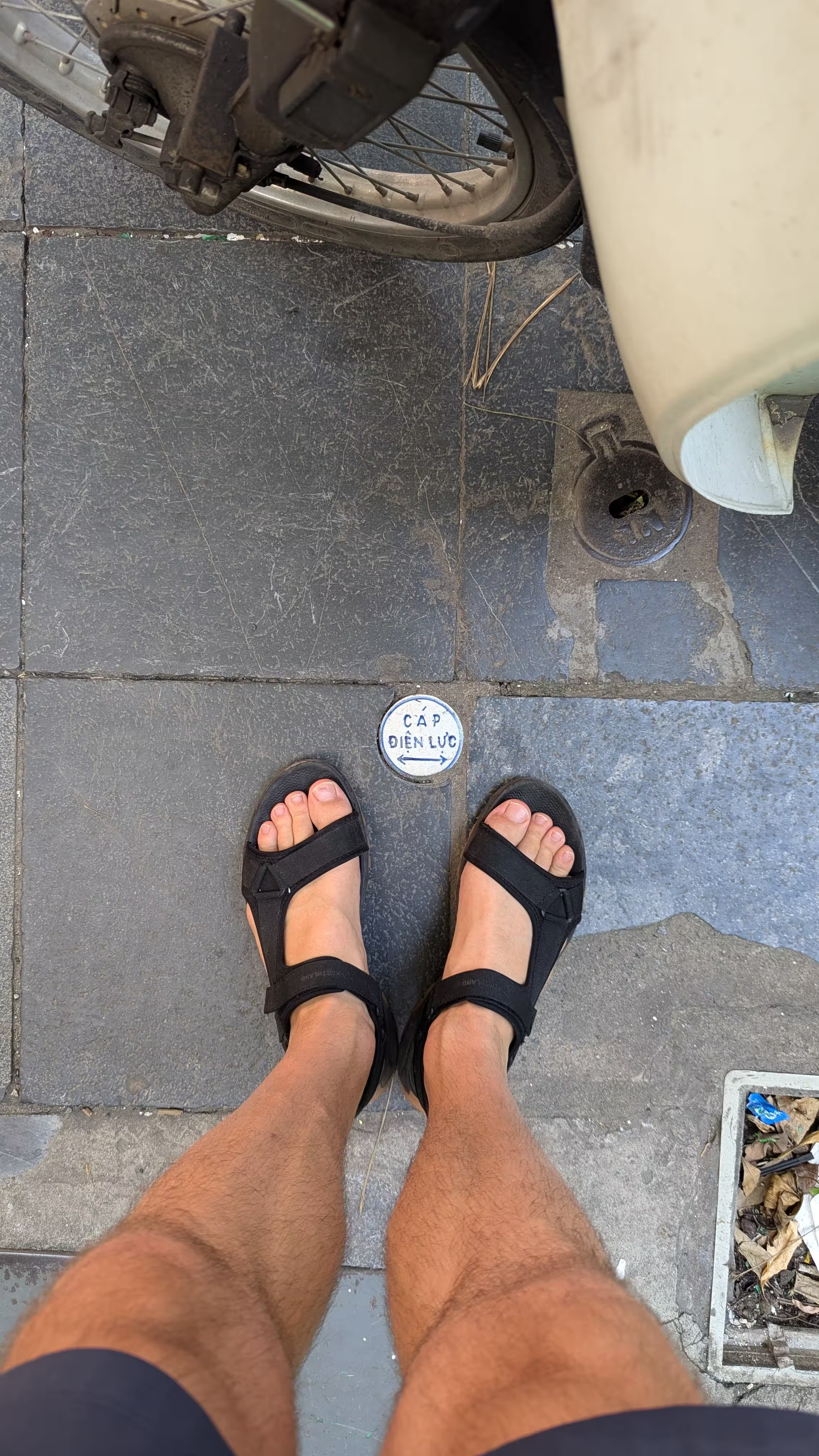
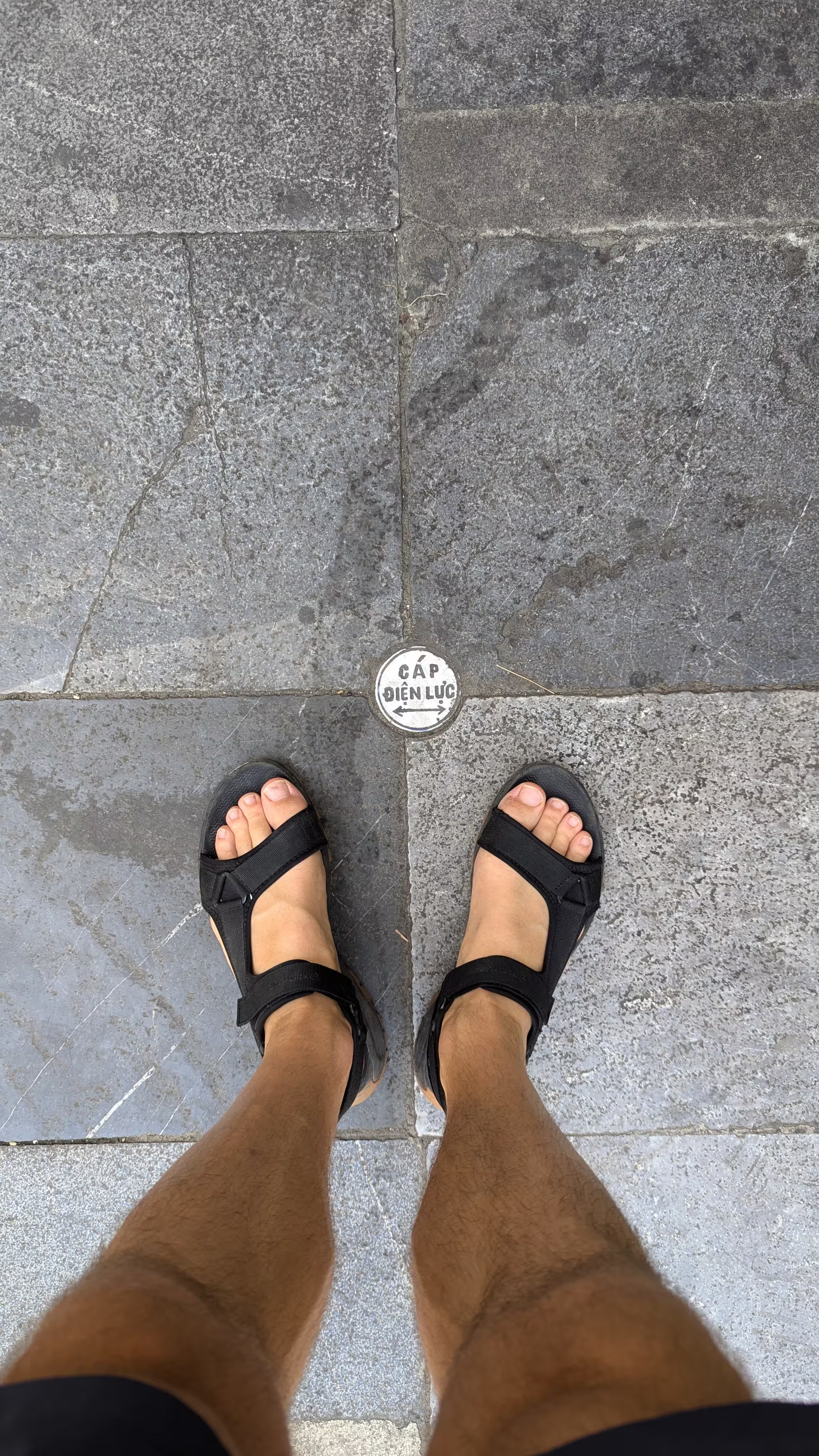
Although some utilities run underground — the signs on the sidewalks point that out. I guess those are mostly high-voltage cables.
In old Vietnam, property tax depended on the width of the facade facing the street. This had a huge impact on the architecture of the cities. Let's call this type of architecture a “tube house”: a narrow facade, a long and deep layout, the ground floor used for a shop or service business, and the family living upstairs. Sometimes it can be a hotel or a multi-story business.
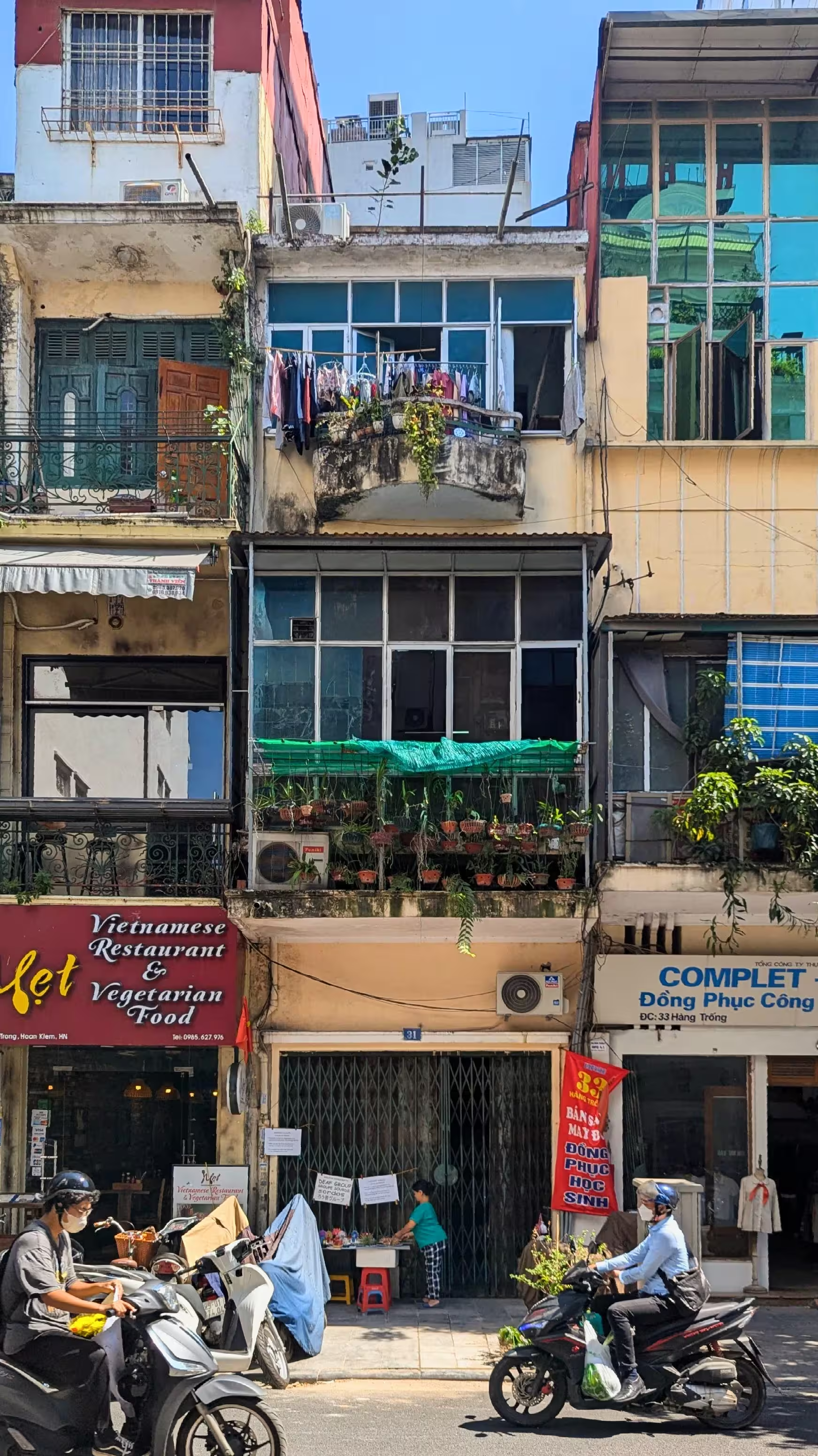

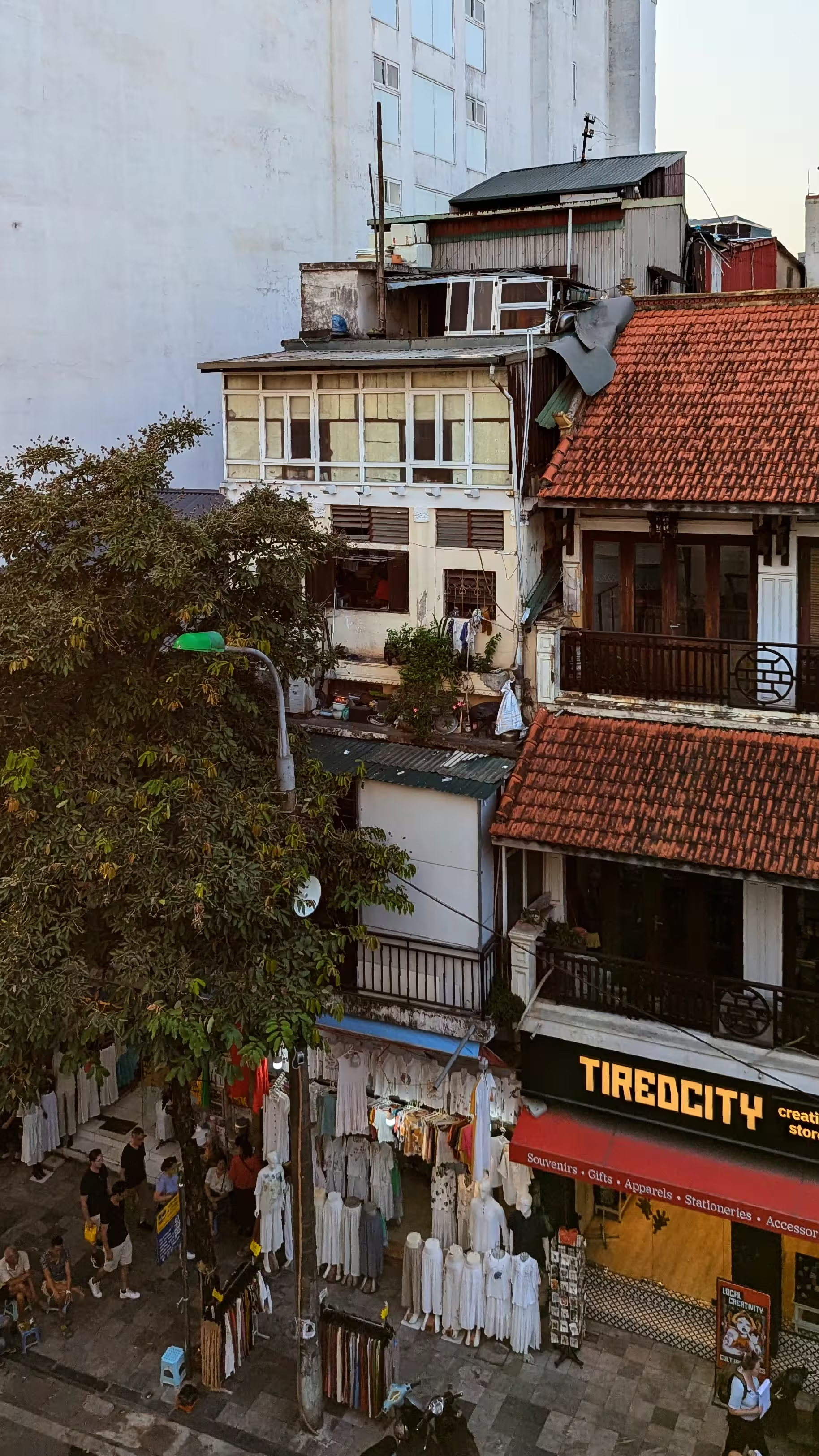
Because of this layout, most of the city is hidden deep inside the buildings.
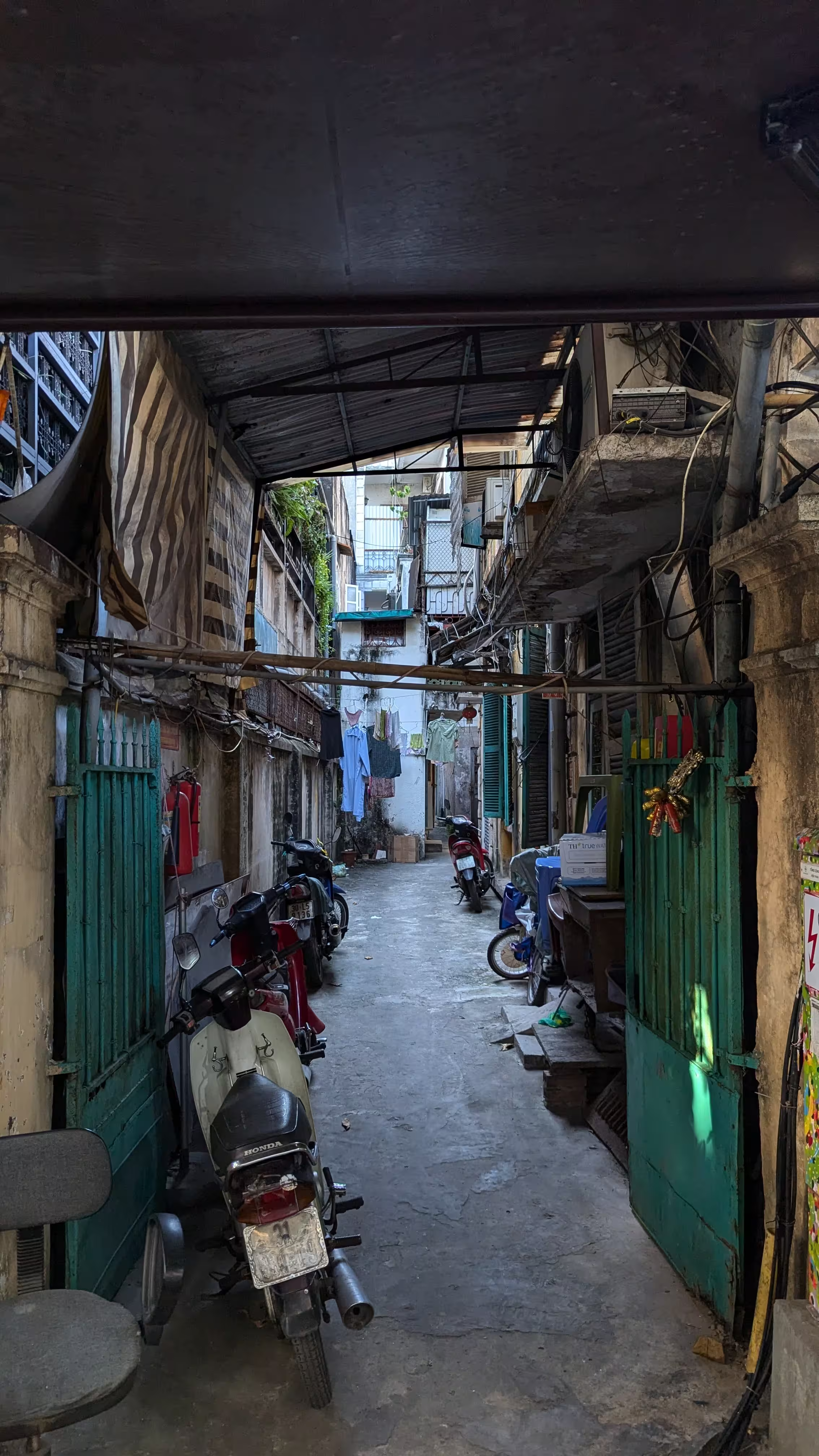
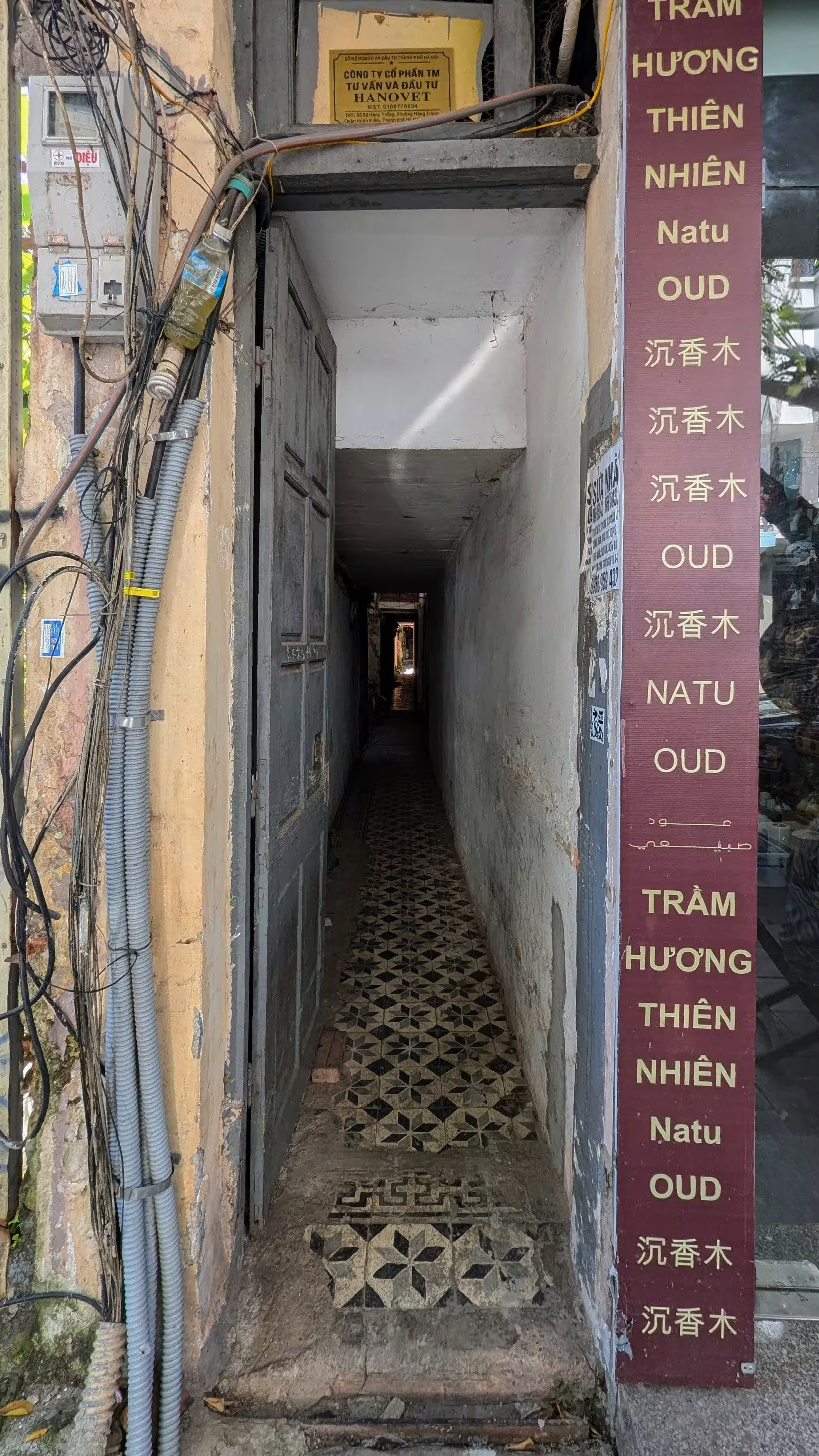
There really are a ton of details. For example: why is there a plastic bottle filled with liquid hanging among the wires 🤔; above the entrance, a small yellow sign says “Hanovet Consulting and Investment Joint Stock Company”; and on the ground there are tiles dating back to the French colonial era.
An unusual building from the French colonial era:
Of course, if you're talking about Vietnam, you have to show the scooters!
There are a lot of scooters. A whole lot. They're a full-fledged part of the environment. Quite often, most of the sidewalks are used for scooter parking.
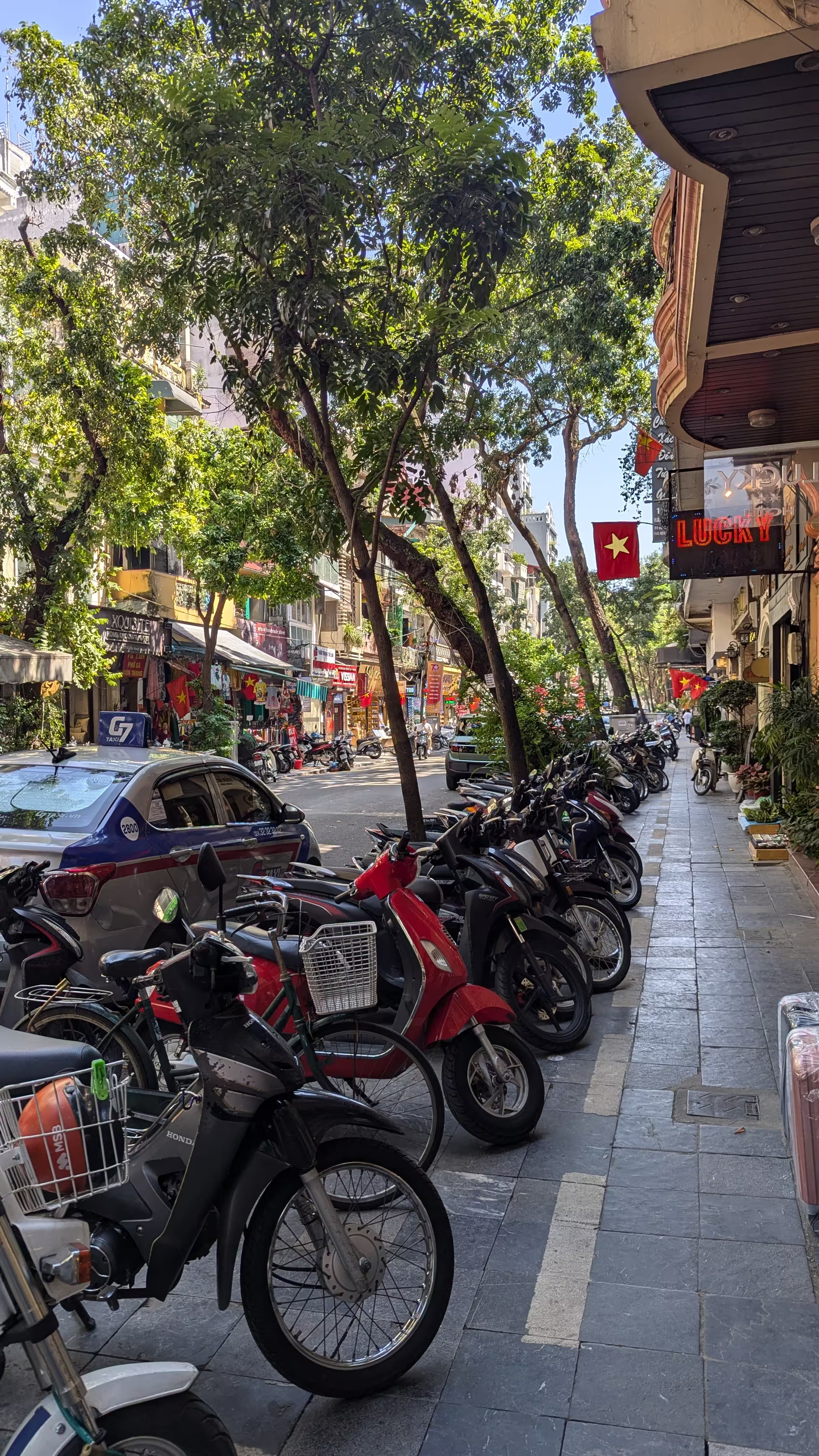
I keep the sound on videos like these. Almost everywhere it's simply the sound of the city — meaning scooters. It's one of the signature sounds of Hanoi.
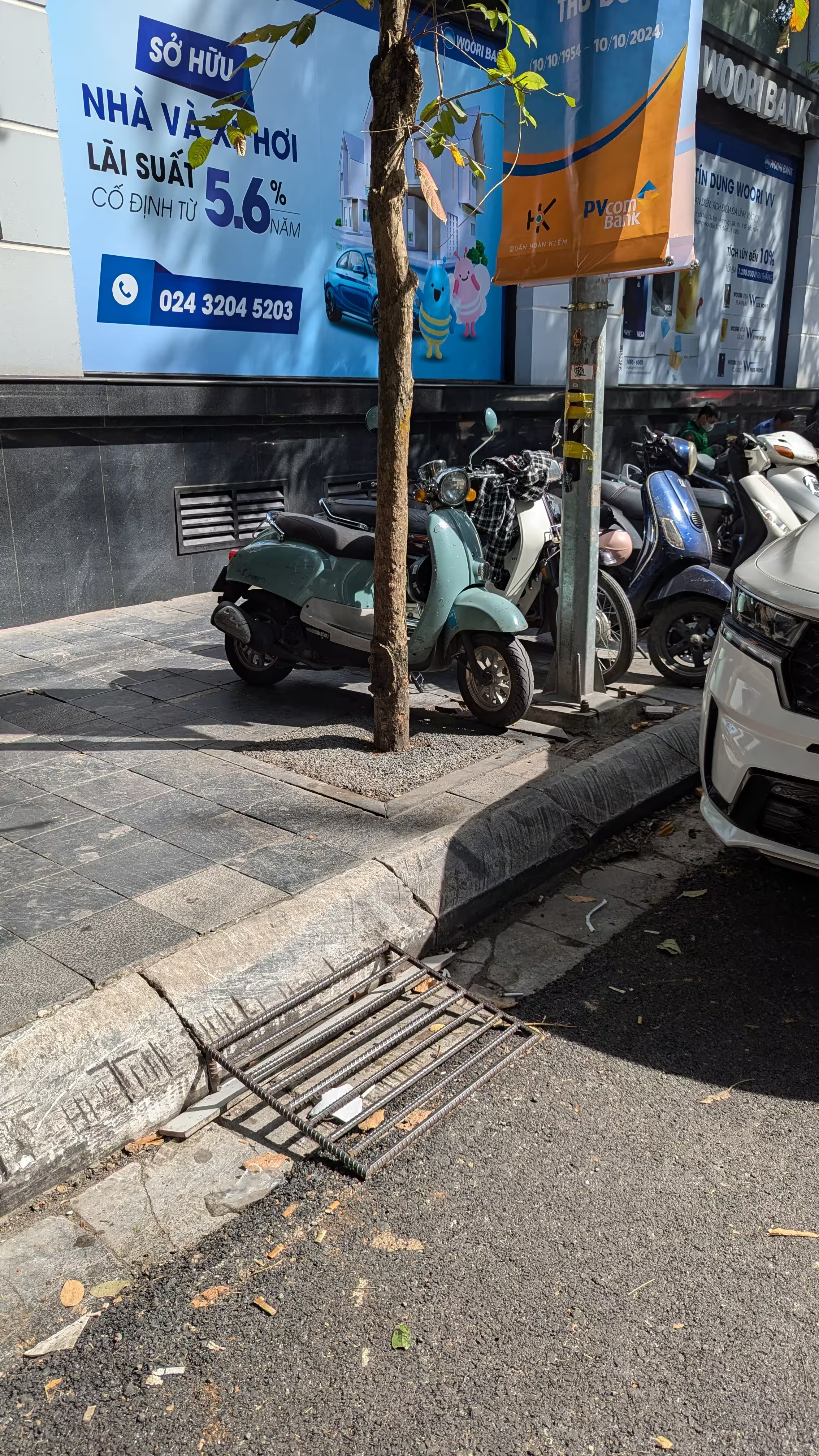
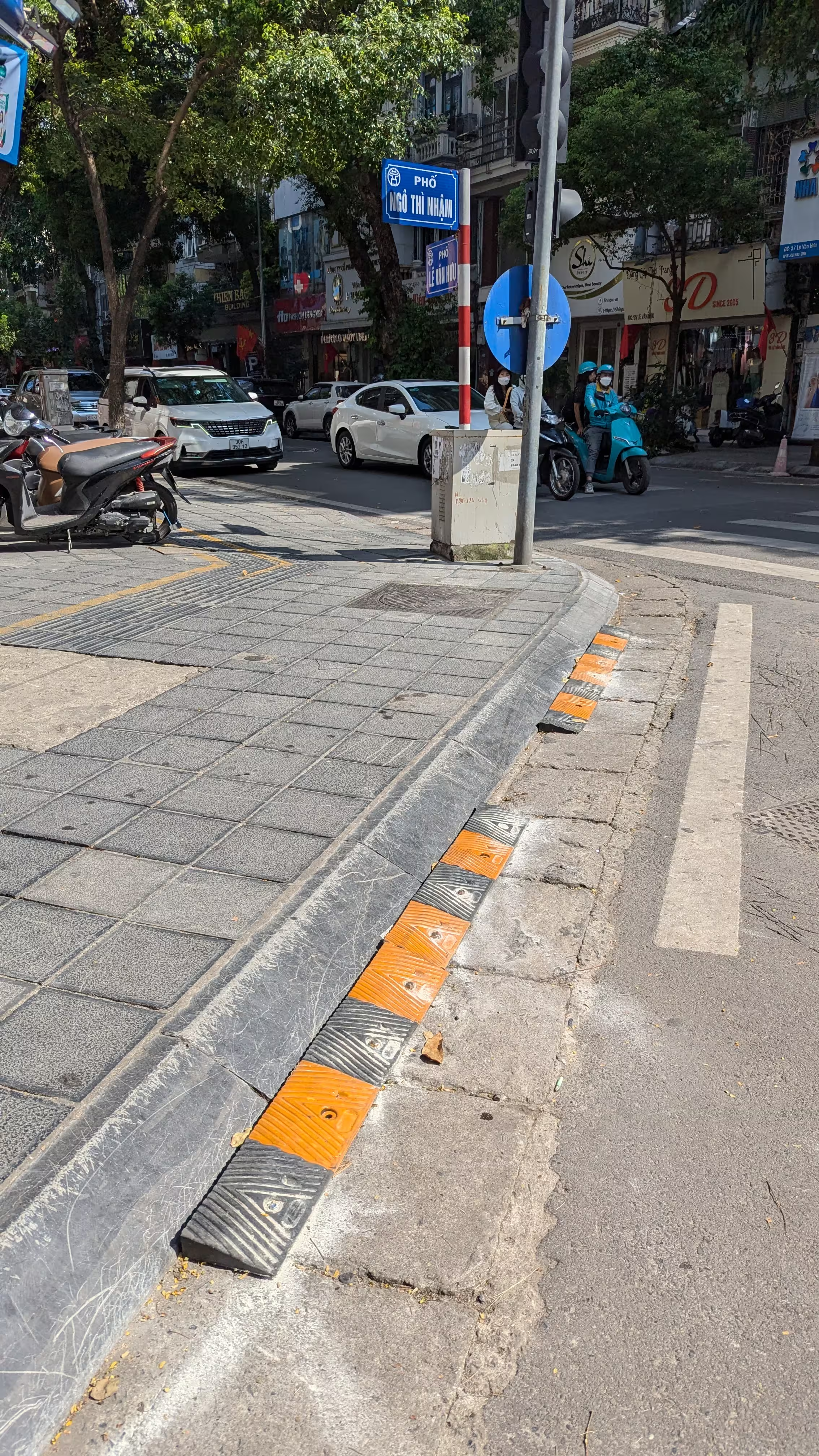
Curbs are intentionally sloped so it's easy to ride scooters on and off them. Ramps are often added as well.
A noticeable part of everyday Vietnamese life happens on scooters: people snack on them and relax on them.
In many blogs I've seen people complain about Vietnamese scooter traffic. The main criticism is that scooter riders don't follow traffic rules and don't yield to pedestrians. In reviews like these, I often sense a bit of a condescending attitude: as if Vietnamese people are doing it wrong, unlike “civilized” people.
But in almost a week in Hanoi, I didn't see a single accident or conflict. You just have to cross the street differently than most Europeans are used to: slowly, predictably, and paying attention to what's around you. Stay engaged. Don't walk across the road staring at your phone and expecting everyone else to treat you like you're the most important person on it.
Cycle rickshaws:
These days, it seems like they mostly carry tourists. I used to feel something like secondhand embarrassment watching skinny Vietnamese guys haul around overweight tourists. For some reason, I’ve become much more relaxed about it now.
Life here happens out on the street.
In this kind of heat, coconut water really hits the spot.
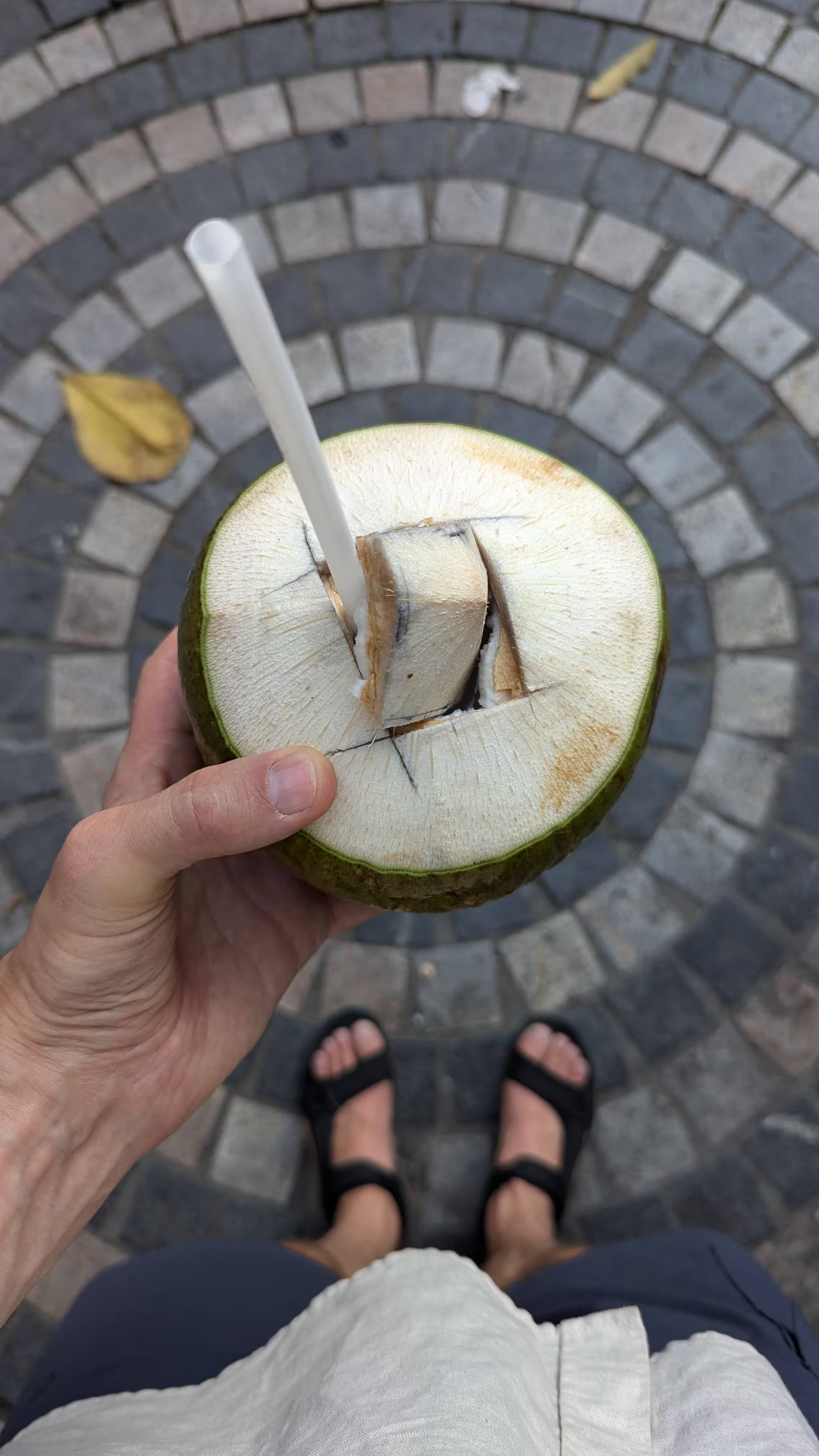
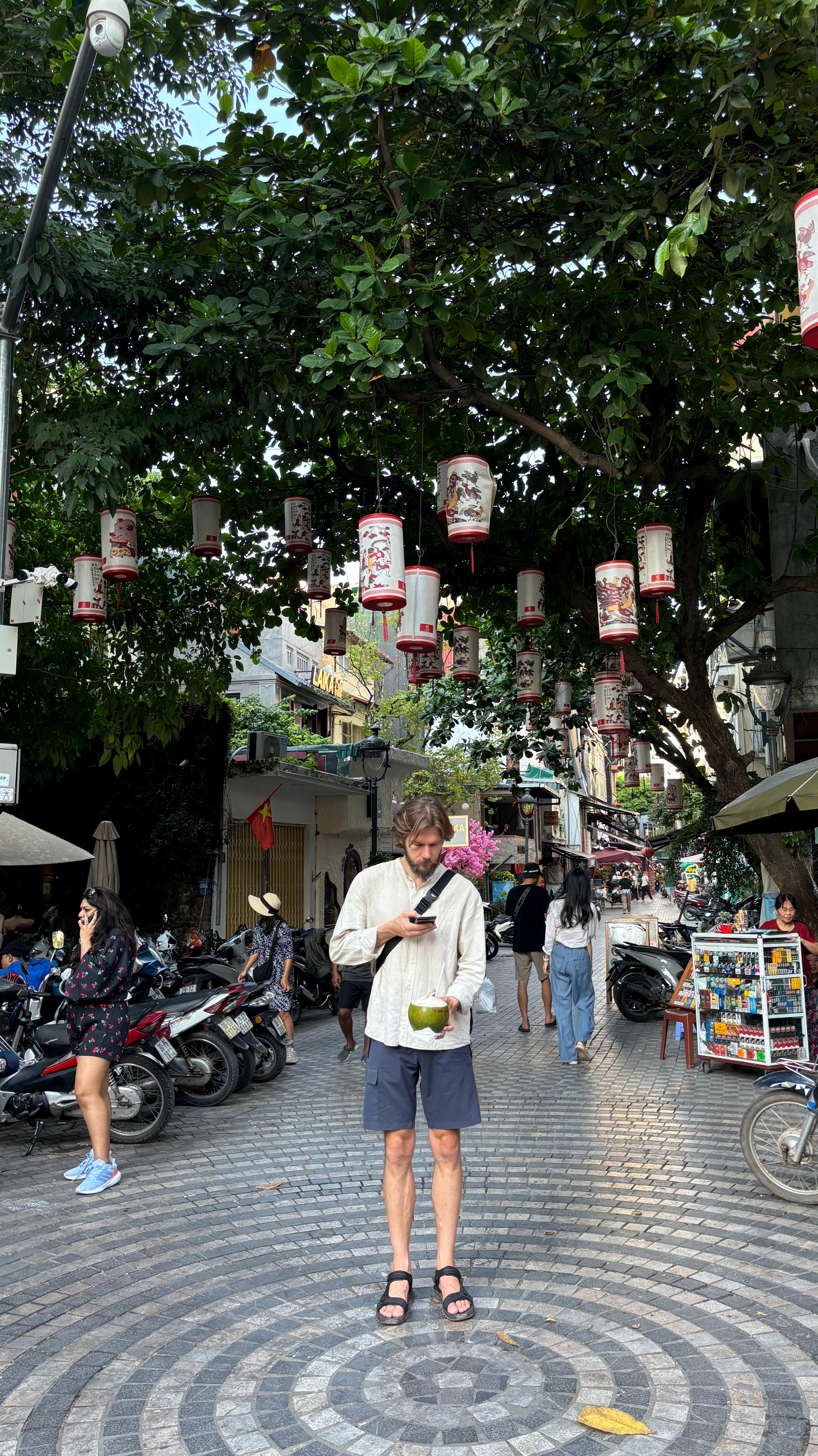
Little by little, coconuts start taking over every available surface on the streets.
Vietnam is a communist country, and flags are everywhere.
An essential part of everyday Vietnamese life is the small plastic stool.
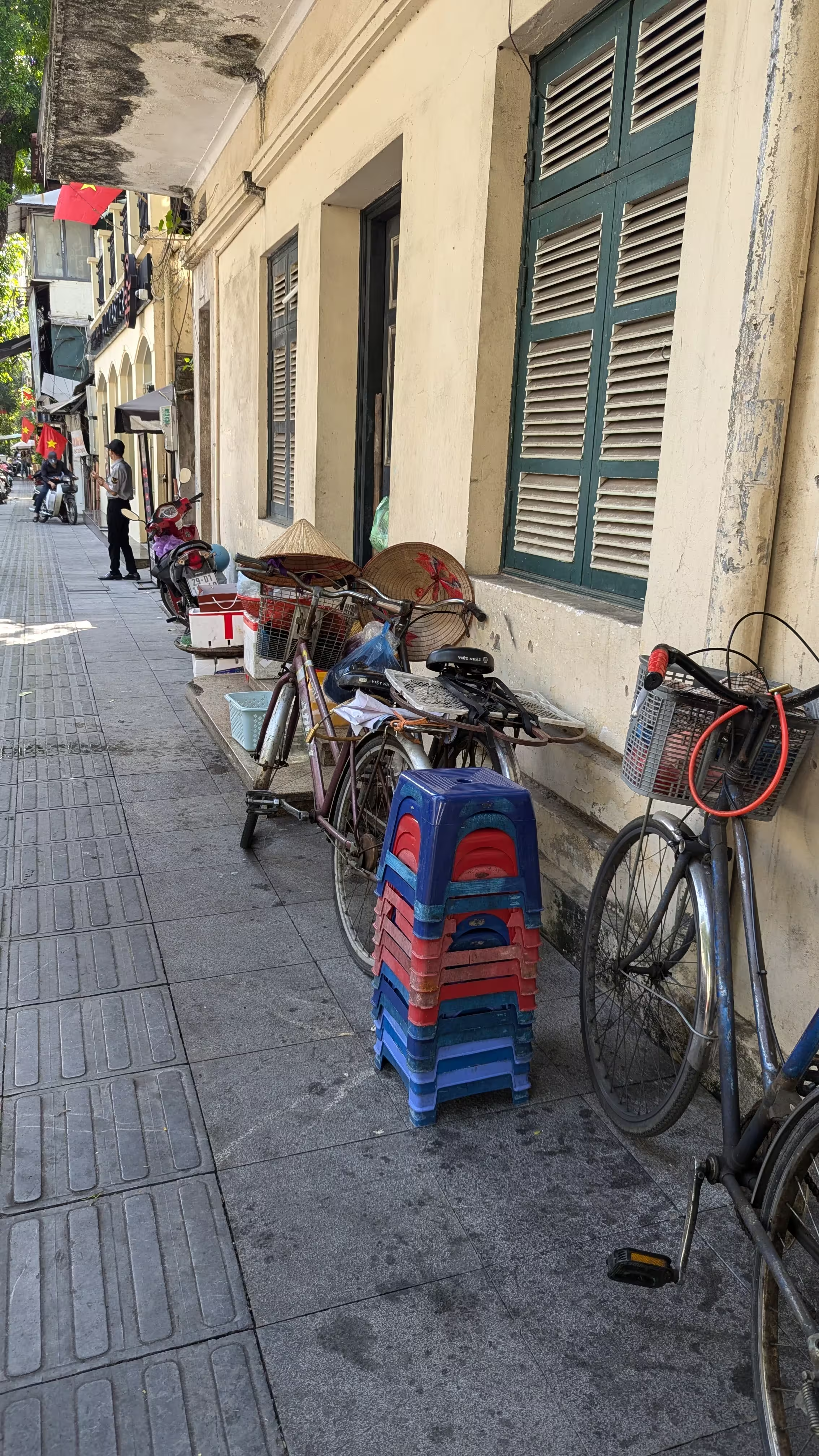
There are a huge number of places to eat in Asia. Locals mostly eat not at home but at small street eateries. Sometimes they're barely marked at all: just a few chairs and tables on the sidewalk. You notice it especially at lunchtime and in the evening.
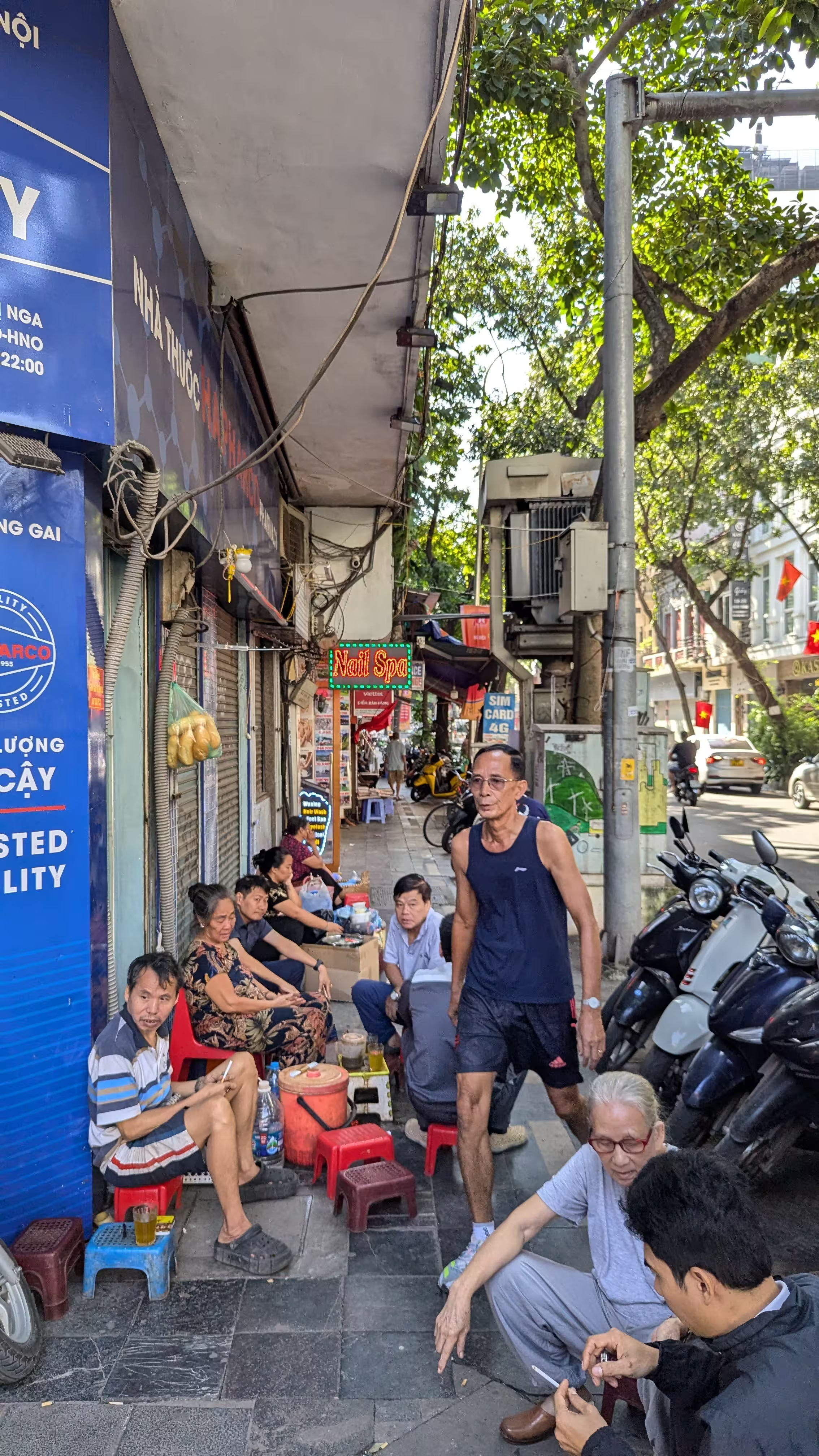
On the morning of the fourth day, I brew coffee in a small park.
Vietnam has a ritual of paper offerings: ritual paper is burned so that money, possessions, and other gifts can be sent to the spirit world through fire. It's often burned right on the ground, sometimes in metal containers.
These can be paper bills, notes, sheets covered with silver or gold foil, and even paper replicas of real things: clothes, phones, houses, and cars. It's kind of a mix of Buddhism, Taoism, and ancestor worship.
Vietnam is a good place to buy Apple gear: prices are already attractive, and you can often get a VAT refund on top of that. I'm considering buying a MacBook, but they don't have the configuration I need.
In Apple Stores, I always take selfies using the laptops and open the Artdictators portfolio in the browser.
As a tradition, we send ourselves a postcard.
It was the first time in about 15 years that a postcard never made it )-:
Another video for the “People doing things” collection:
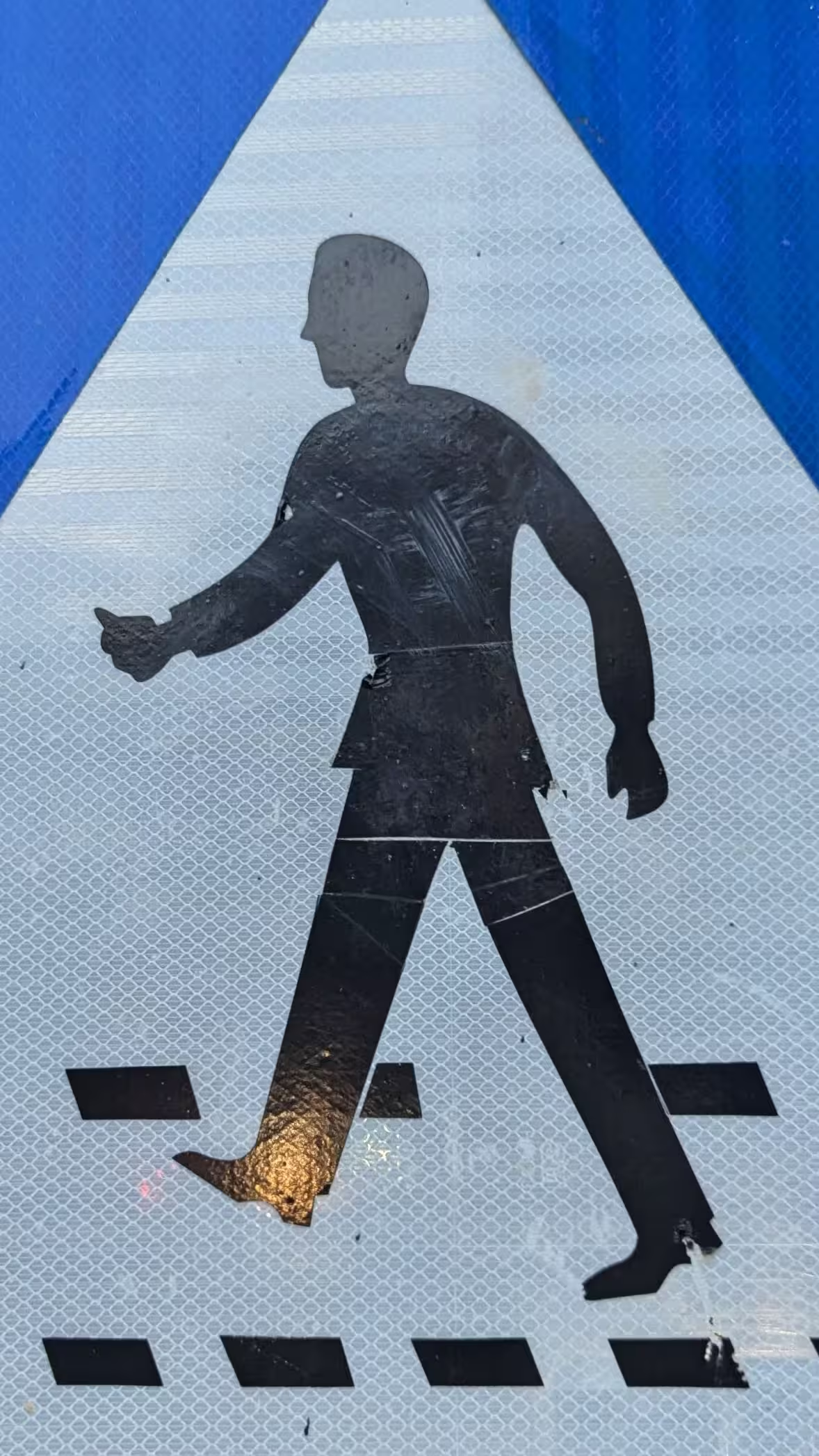
And the sign for the sign collection:
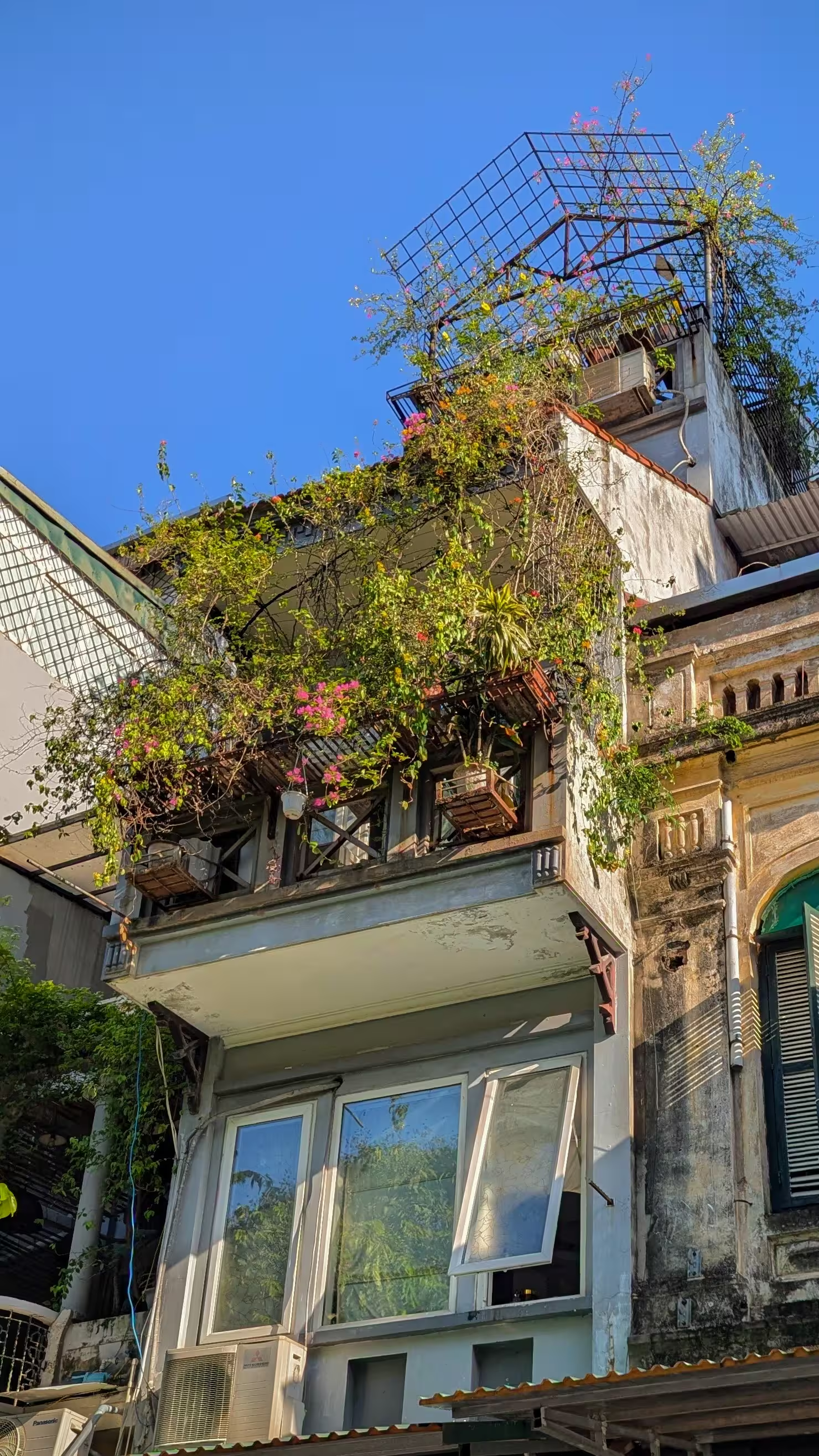
Vietnamese people (in this case, let's talk about Hanoi residents for now) love plants. They grow them in pots and place them on streets and balconies.
There are many sprawling trees in the city that provide pleasant shade. And that's important: it's over 30°C outside and humid.
You come across some very interesting trees. I think this is a banyan tree — a type of ficus. It expands its trunk through hanging roots. When they reach the ground, they take root, thicken, and turn into additional trunks.
In Vietnam, such trees often grow near pagodas, temples, and communal houses. In the second photo, the banyan tree is growing right next to a temple: the entrance is to the left of the trunk.
One of Vietnam's signature dishes is spring rolls: vegetables and meat wrapped in rice paper, though they can also be vegetarian. While walking down the street, we randomly chose a place that looked appealing from the outside.
Spring rolls come with different fillings. They can be fried in oil or served “fresh.”
In Vietnam, food is often served with garlic and chili, a handful of herbs, and a liquid with pickled vegetables — either kohlrabi or daikon, I think.
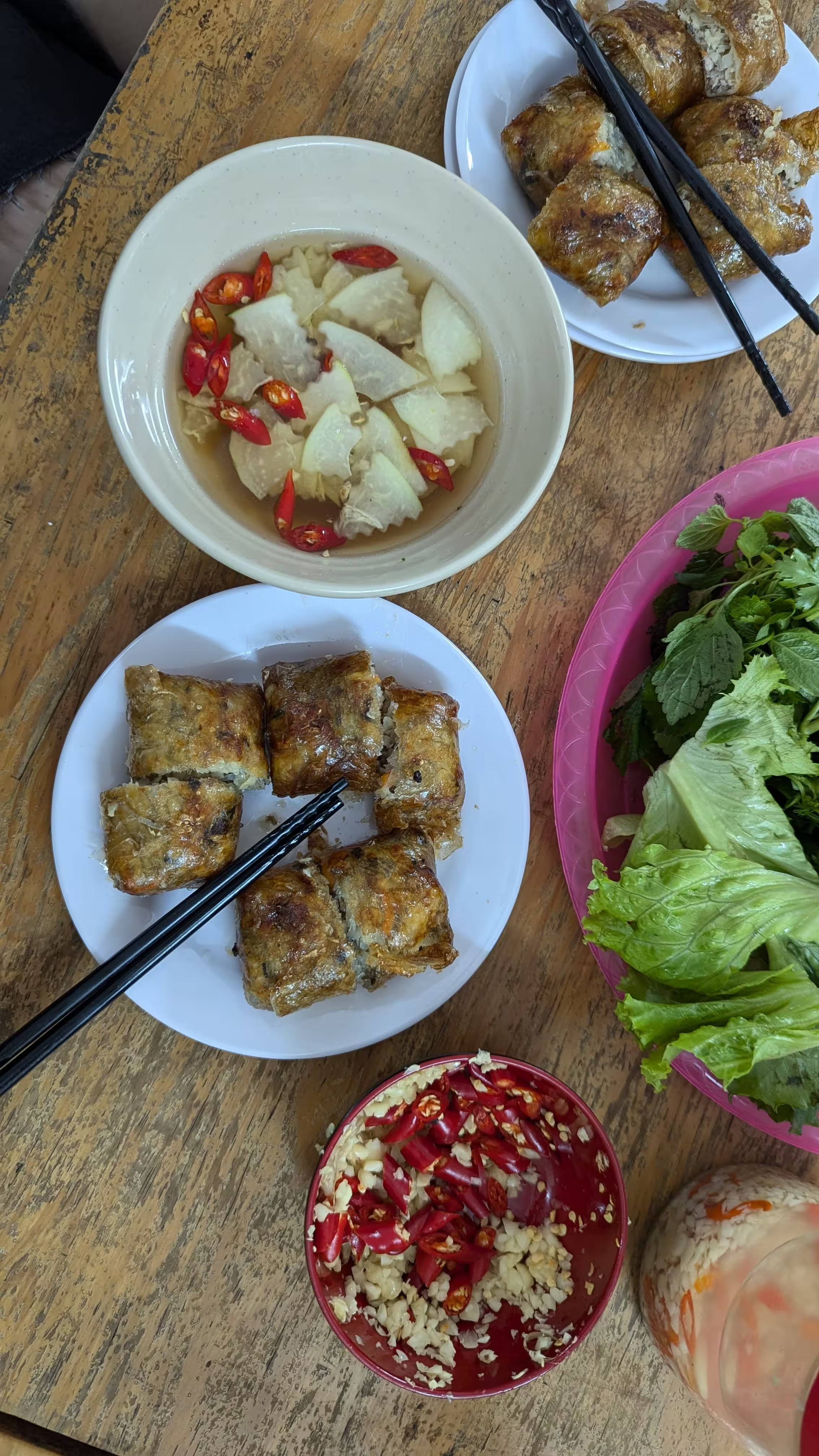
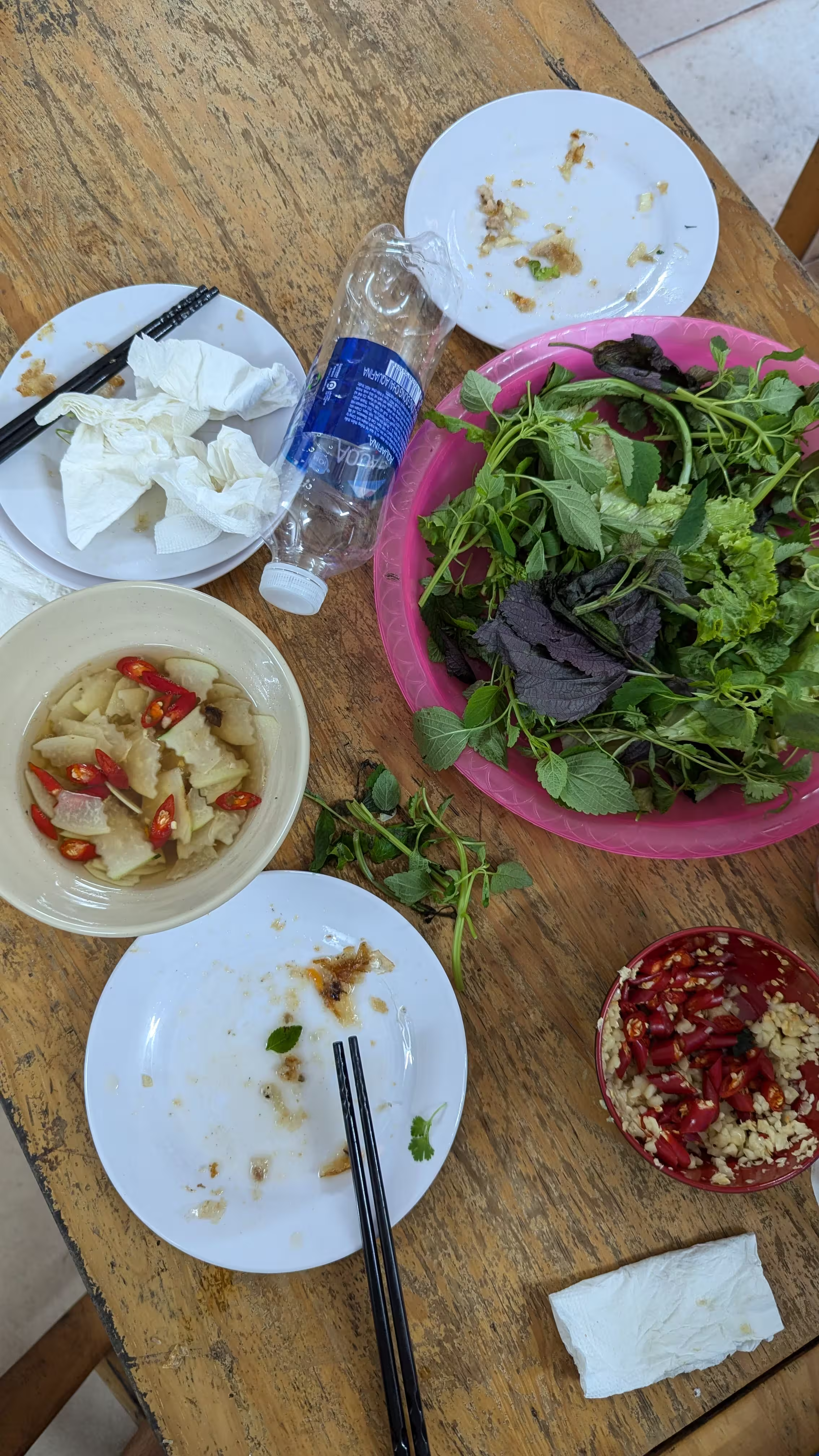
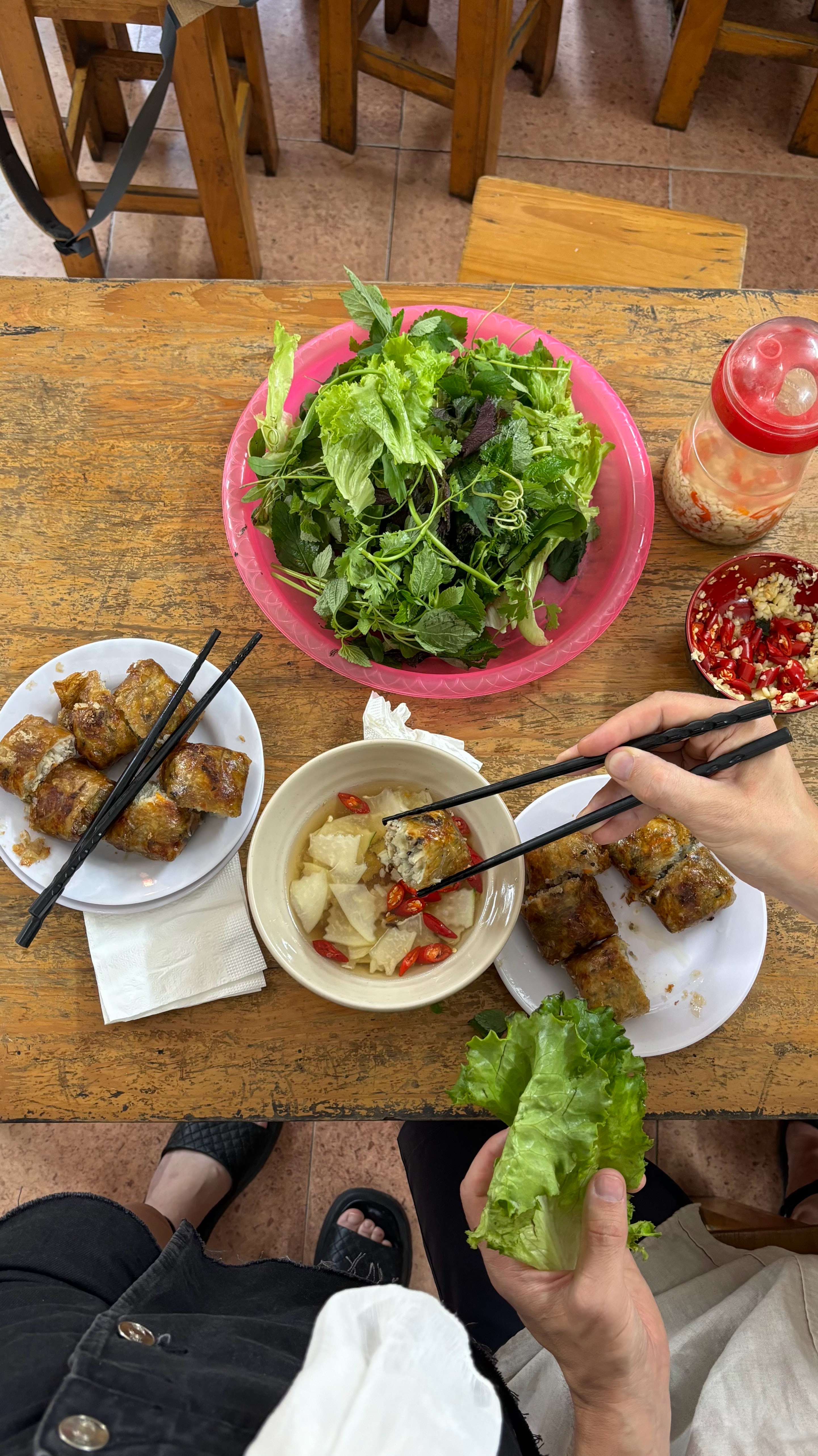
It turned out that the restaurant is listed in the Michelin Guide. Maybe food fried in oil isn't particularly healthy, but it's definitely tasty!
Locals eat here too. That's always a good sign that a place isn't just for tourists.
Seeds:
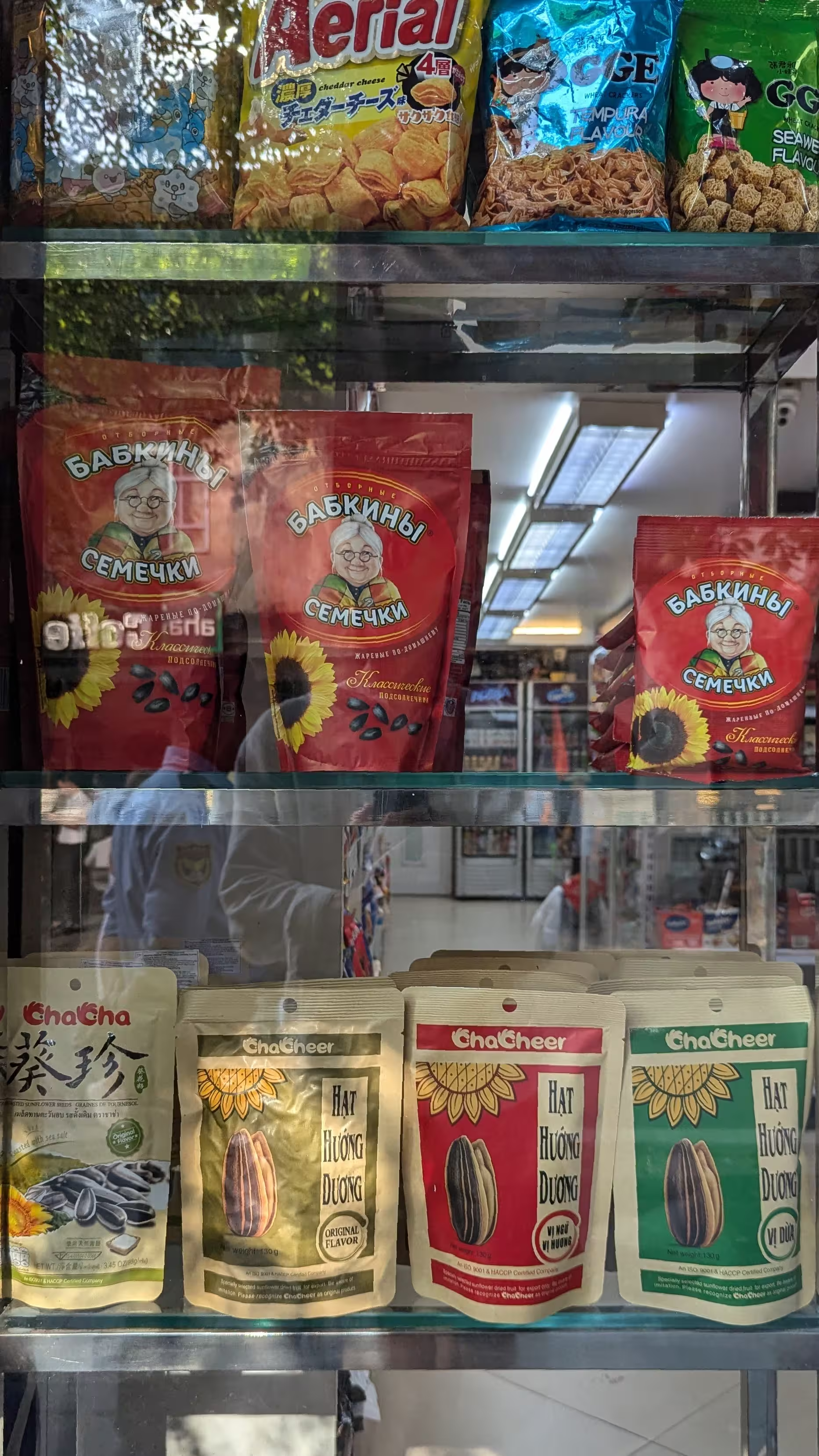
On the bottom shelf are Vietnamese sunflower seeds with different flavors: coconut, salted, and others. We really like them. We pretty much snack on them nonstop during the trip.
Beer snacks:
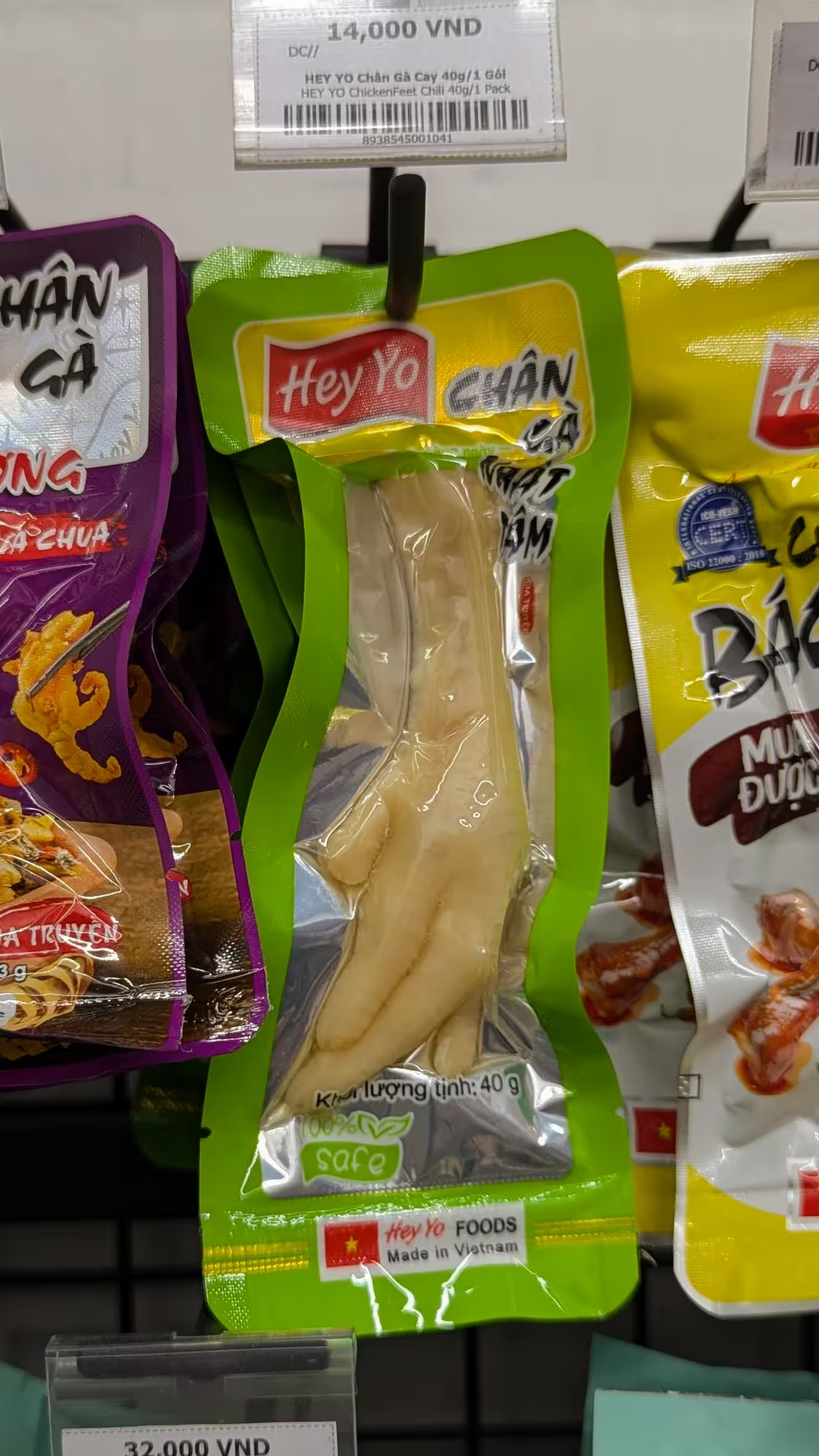
I have a story about chicken feet from 2012. We walked into a local place. A truly local one: the menu was only in Vietnamese. We ordered beer, and you had to order something to go with it. In situations like that, there are two options: look at what the locals are eating and point at it saying “this”; or randomly point at something on the menu. I chose the second option. They brought deep-fried chicken feet. Back then I couldn't really appreciate them: I tried eating them, gnawing on them. I think I was supposed to eat them whole, but I didn't dare.
Historically, China had a strong influence on Vietnam. Until the 20th century, Vietnam occupied roughly the same cultural position for China as Korea or Japan — an independent country, but one deeply embedded in the Chinese civilizational sphere. Until 939, northern Vietnam, including the area of present-day Hanoi, was ruled by Chinese dynasties. That's why old Vietnam looks more “Chinese”: you come across temples built right into residential neighborhoods. They're easy to miss — sometimes all you can see is the entrance.
Entrance to one of the oldest Buddhist temples. If the translation is correct, it's called the “Temple of the Sacred Stone.”
Entrance to the “Eastern Land” Temple. The sign below says, “Visitors are asked not to leave vehicles in the residential courtyard.” This is an interesting feature of Hanoi: many old temples and communal houses are literally built into residential neighborhoods.
Hanoi has a narrow street where trains pass a couple of times a day. These aren't tourist trains but regular trains of Vietnam's national railway network. The line was built by French colonists in the early 20th century.
The city gradually grew around the tracks. Land is expensive, so houses were built closer and closer to the railway.
It used to be an ordinary neighborhood. But social media made the street popular, and now it's become too touristy. I don't really like places like that: they feel more like an attraction than a living part of the city.
We decide not to wait for the train. But then we meet a kitty.
Lenin and the kids. And a scooter.
Of course, Hanoi has Vietnamese clothing markets. You can find any brand there — from Abibas to Dolchi & Banana.
I noticed that people in Hanoi seem to love small decorative dogs.
Cats are relatively rare in Vietnam because the Vietnamese word for “cat” (mèo) sounds somewhat similar to the word for “poor” (nghèo). Because of this, there's a superstition that a cat's meow is associated with poverty or bad luck.
On days like this, it's easy to walk a couple dozen kilometers. In Vietnam, you're offered a massage at every turn. In particular, there are lots of places with Foot Massage signs. We decided to give it a try.
First, they soak your feet in something like a chamomile infusion. Then they rub and massage them.
It's pleasant. But honestly, I feel a bit uncomfortable in places like this. I can't shake the thought that the massage therapists are thinking something like: “So, do you like it, you big smelly white monkey?”
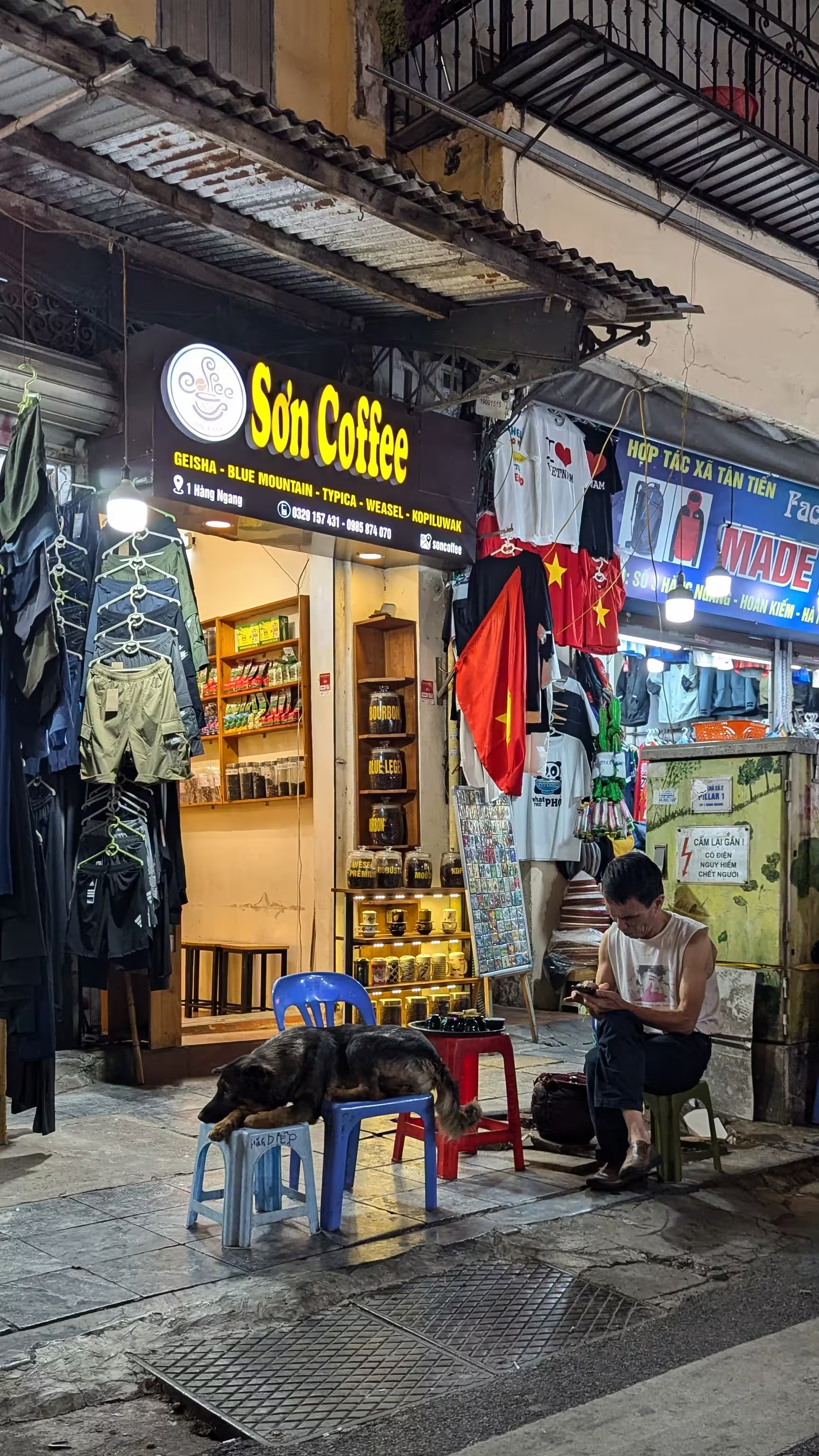
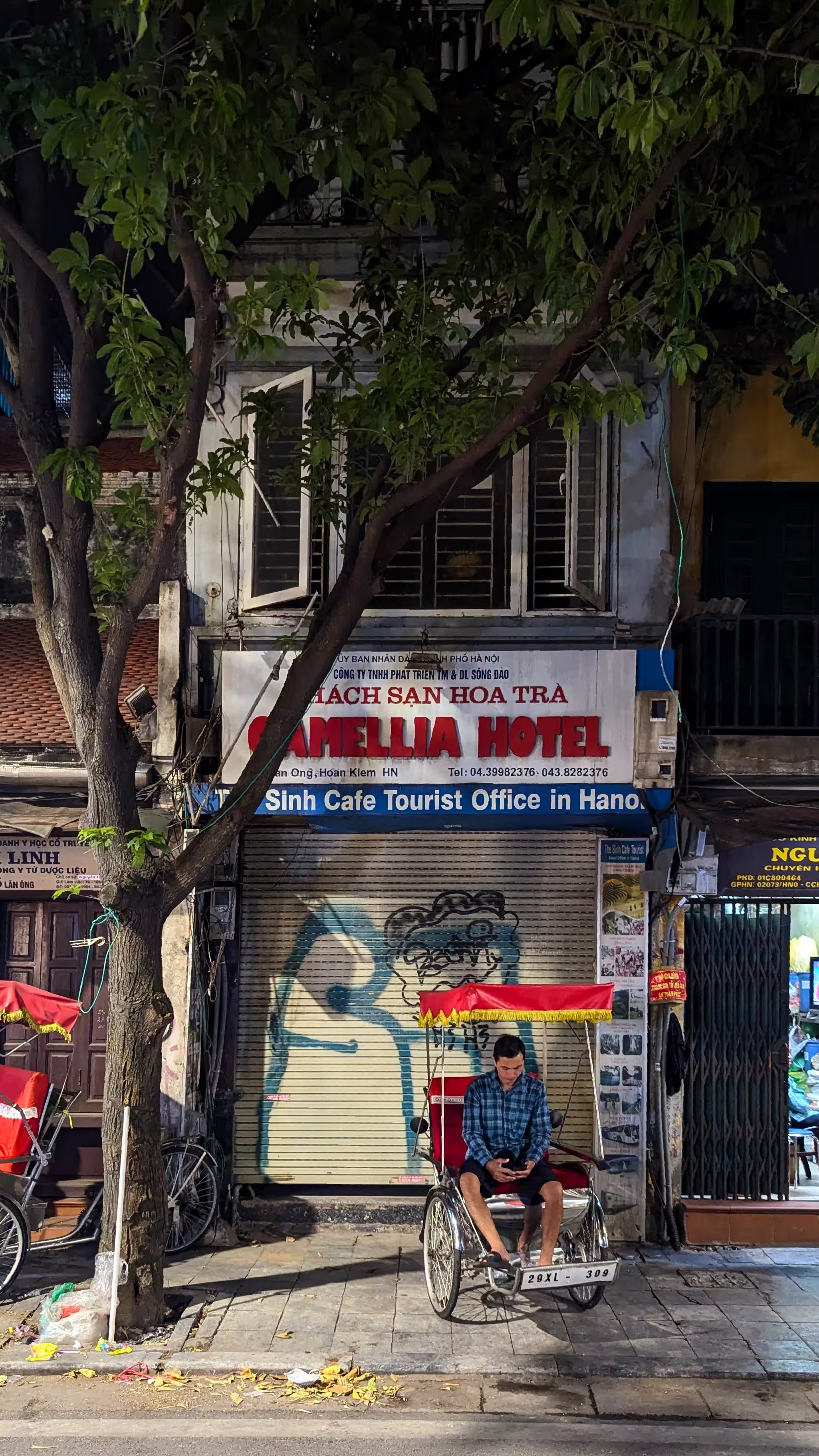
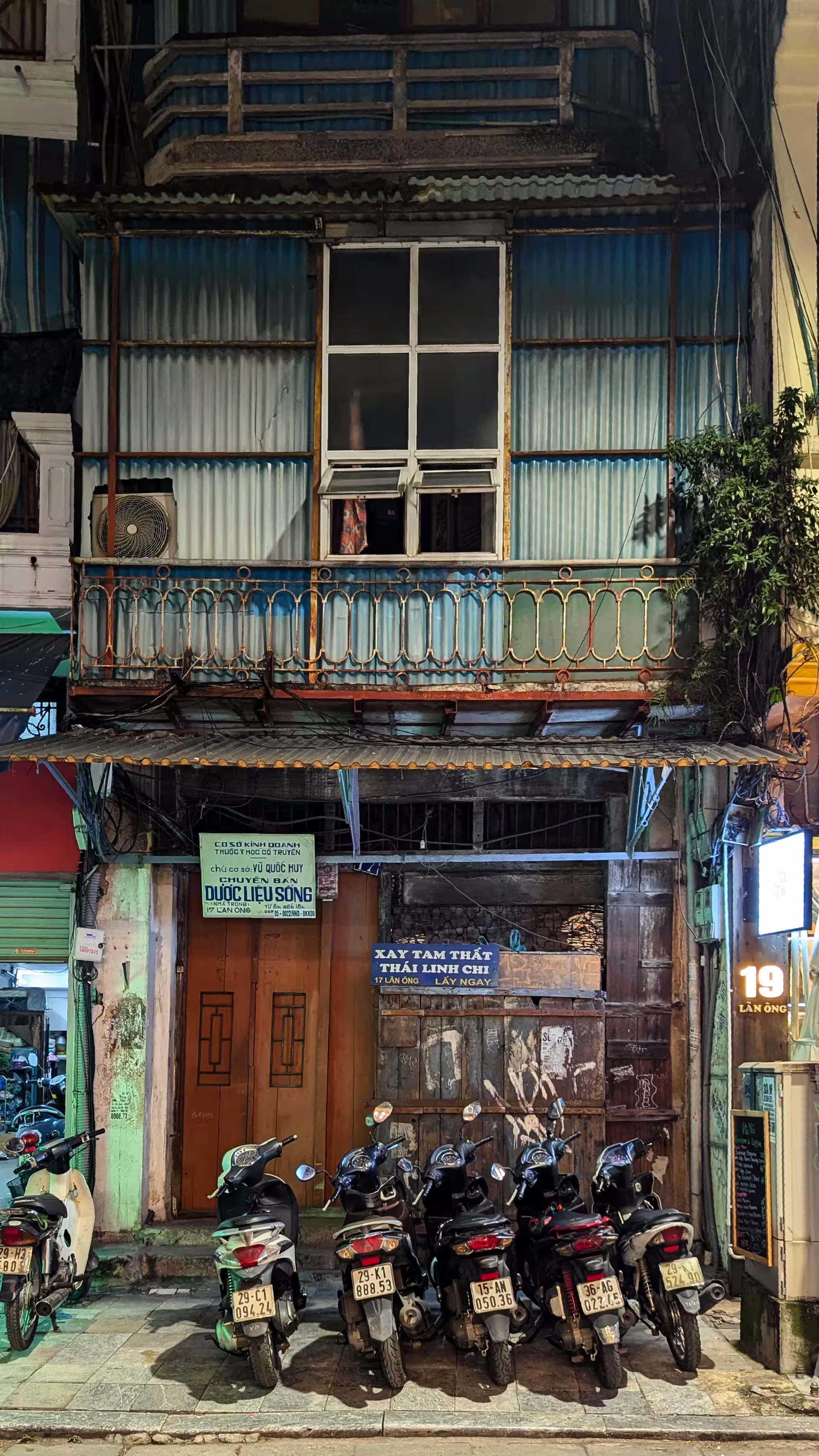
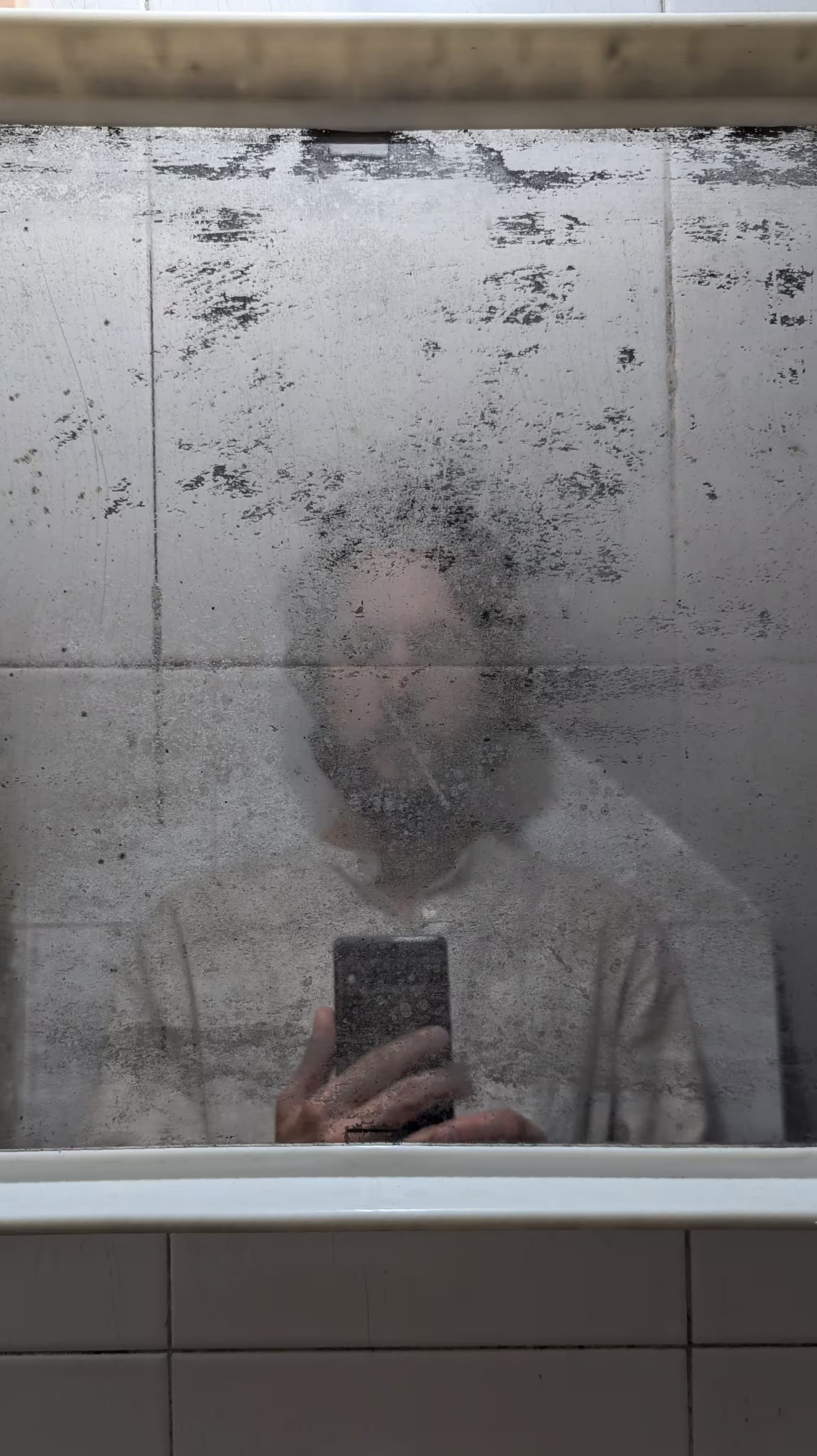
Selfie of the day:
We found a place with incredibly delicious pastries on the map.
It turned out to be quite popular.
While we're waiting for our order, I wrap up the day by filming a traffic jam made entirely of motorbikes.
3‒4 October 2024