“Salt of Polesie 2026” cycling marathon
Once a year, Soligorsk hosts the “Salt of Polesie” cycling marathon. The routes go through fields, villages, and, most interestingly, across the salt spoil heaps. The area is normally closed to the public, but it’s opened for one day especially for the ride.

The cycling marathon was first organized in 2021 for employees of Belaruskali. In its first year, there were around 150 participants. The following year, the event was opened to everyone, and more than 300 cyclists took part. The number of participants doubled every year. This year, organizers originally expected around 1,500 riders, but a couple of weeks before the start, that number had already grown to 2,500. Then, on the day before the race, another 500 people registered. In the end, 3,000 cyclists took part, making it the largest mass cycling event in Belarus.
⚙︎⚙︎⚙︎
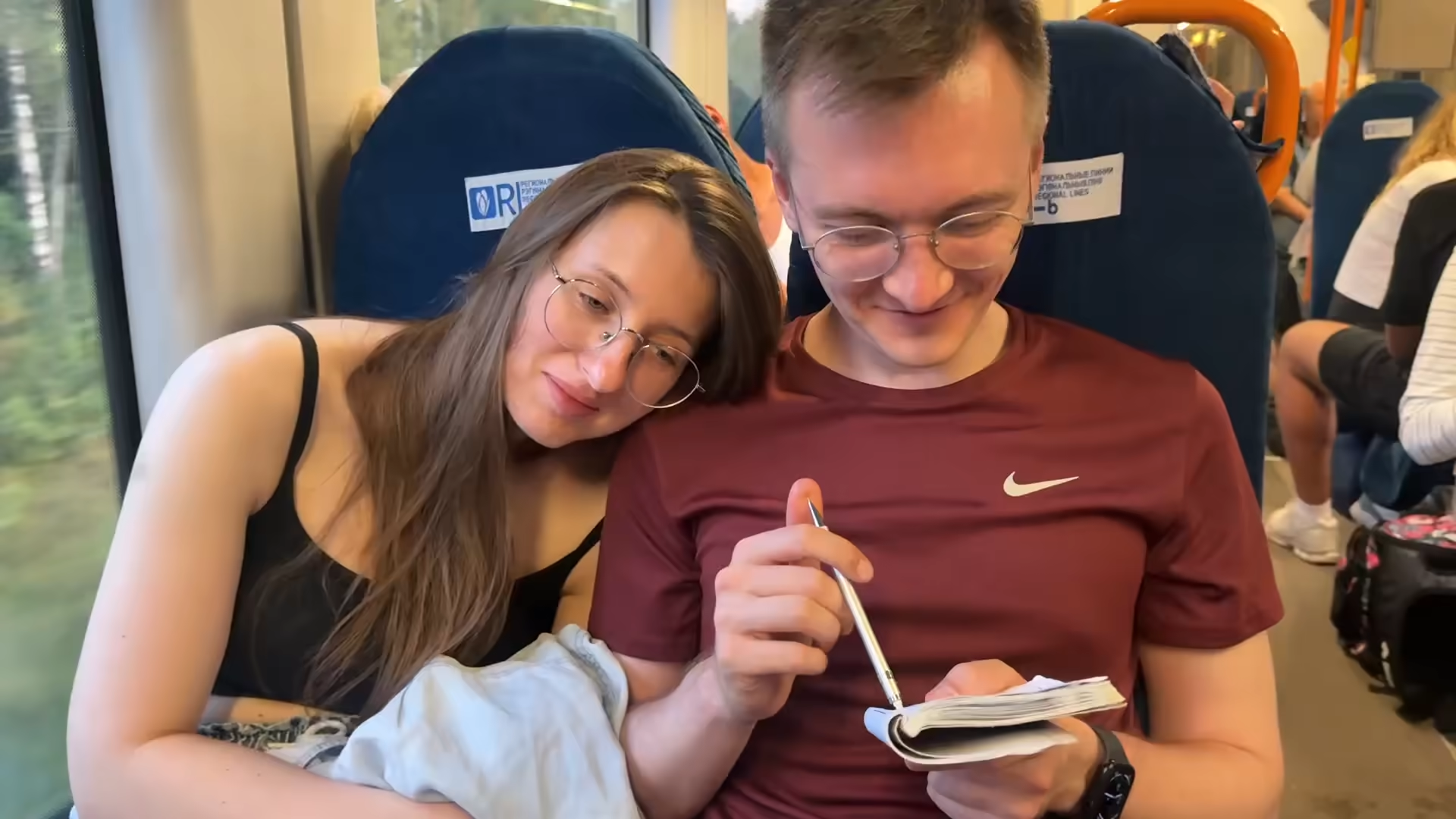
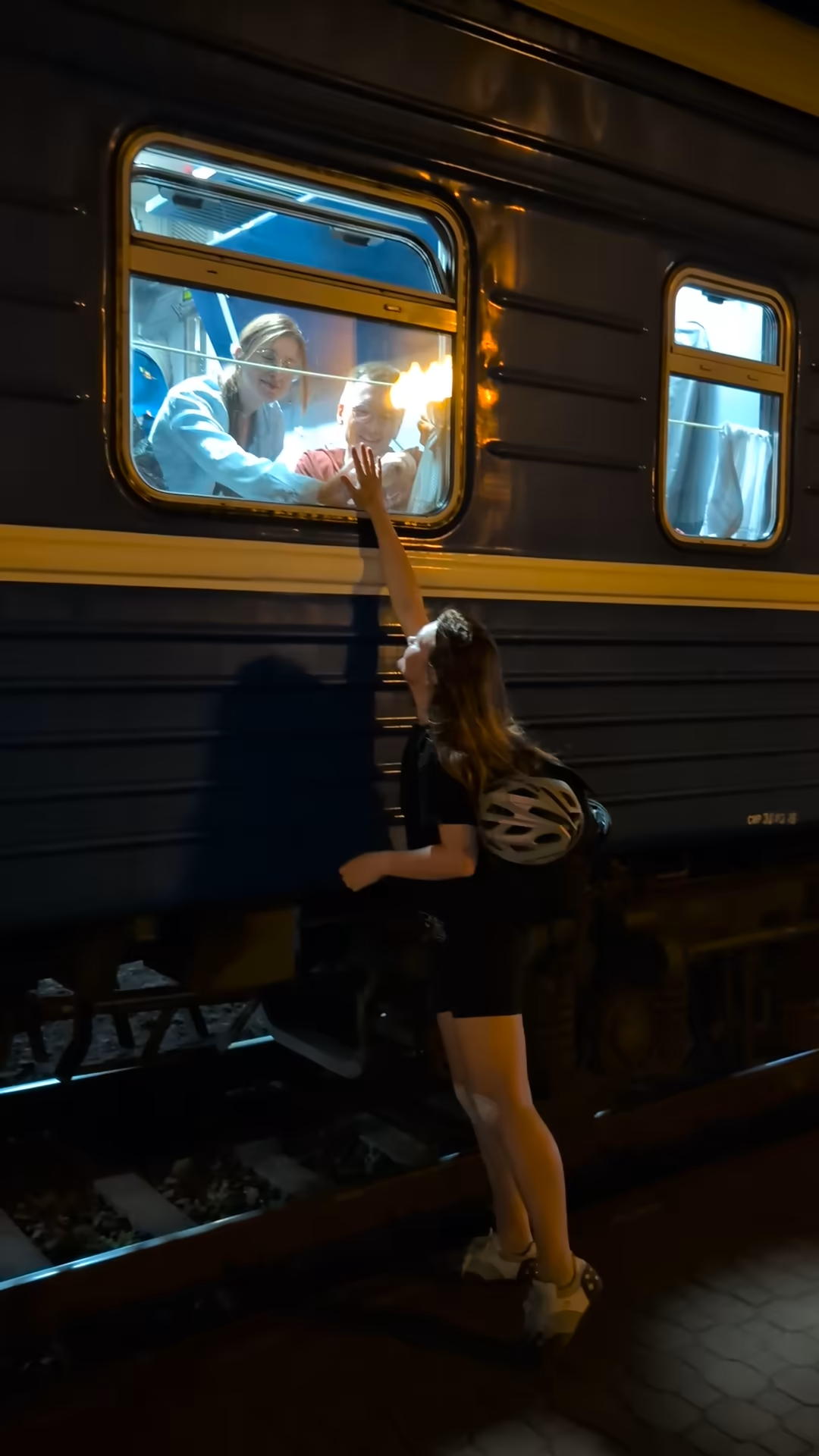
We decide to take the diesel train to Soligorsk. But there are no bike spaces on this route, so for the four bicycles, we buy six extra seats. We pack the bikes themselves in garbage bags.
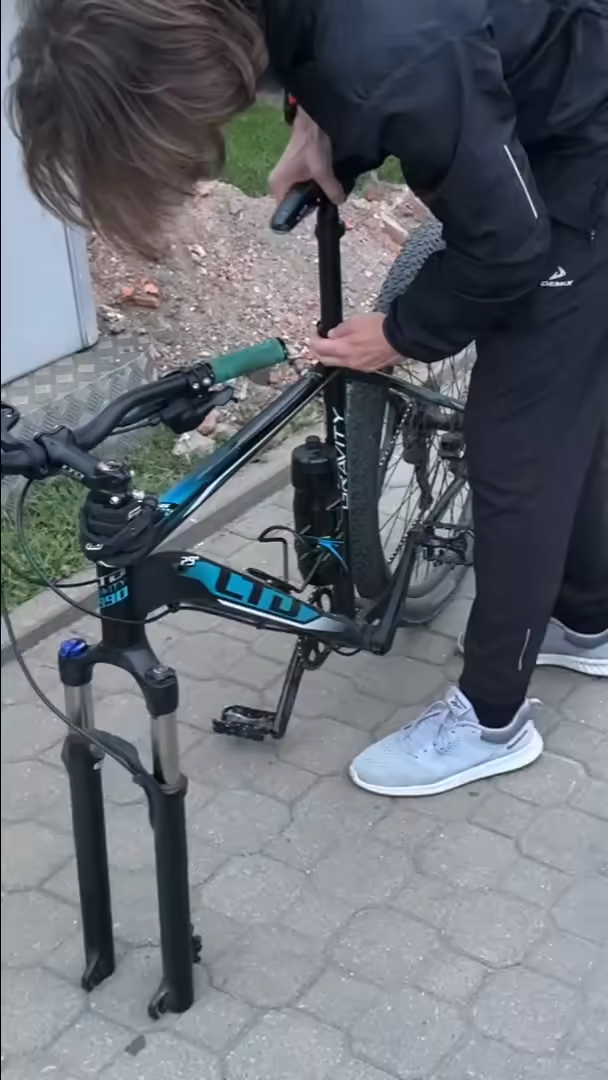

Off we go.
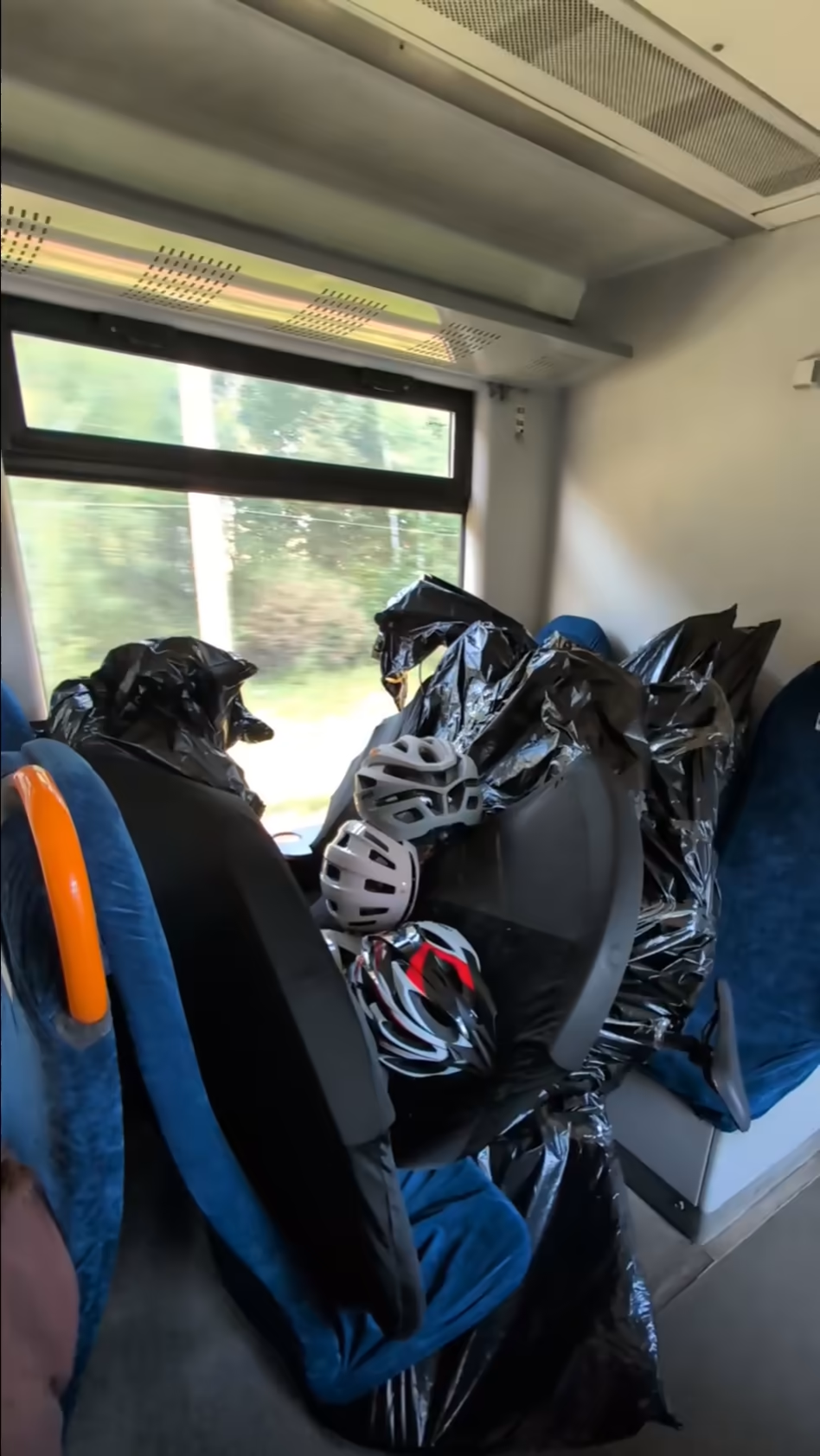

Four hours later, the spoil heaps begin to appear on the horizon.
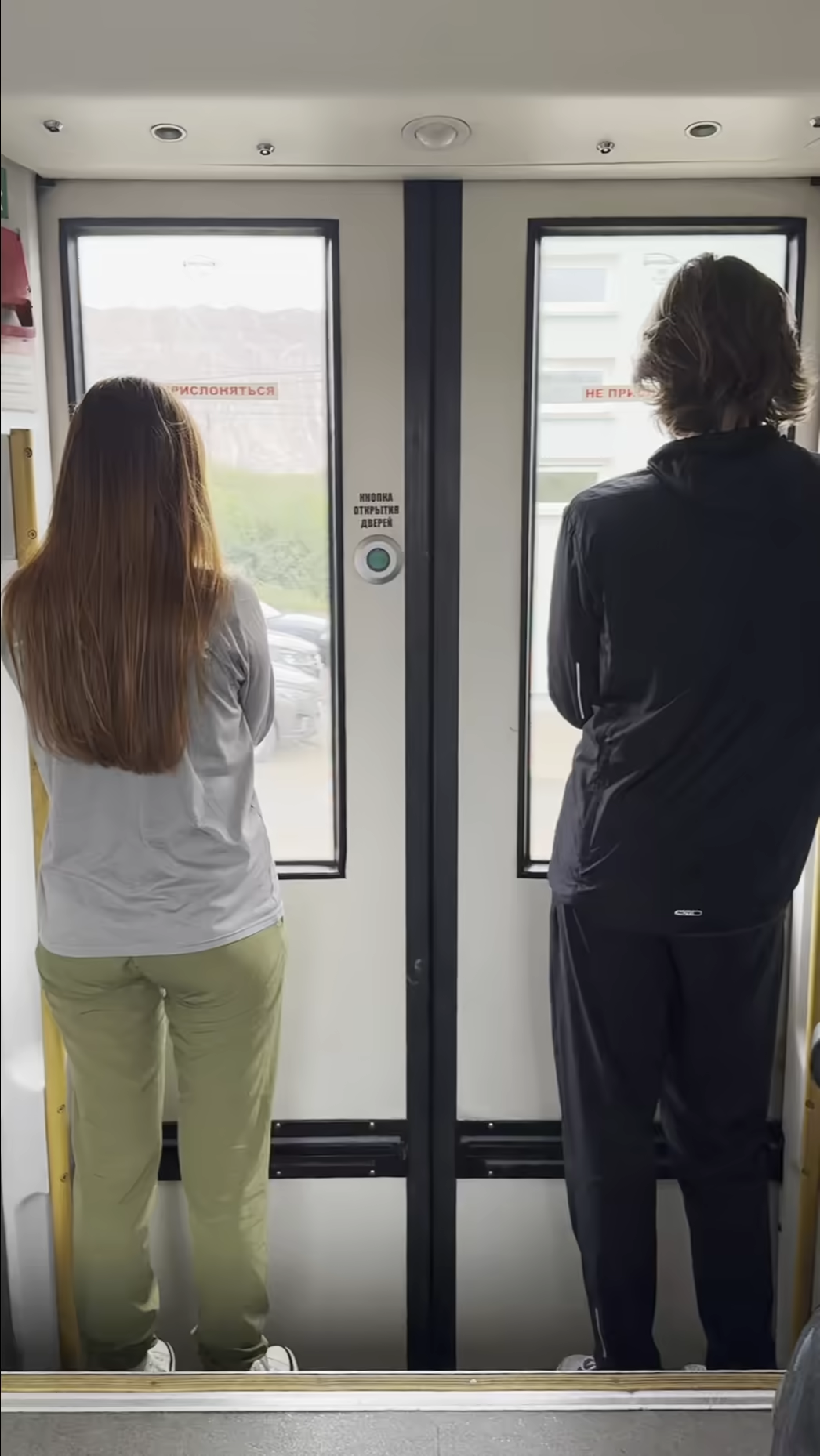
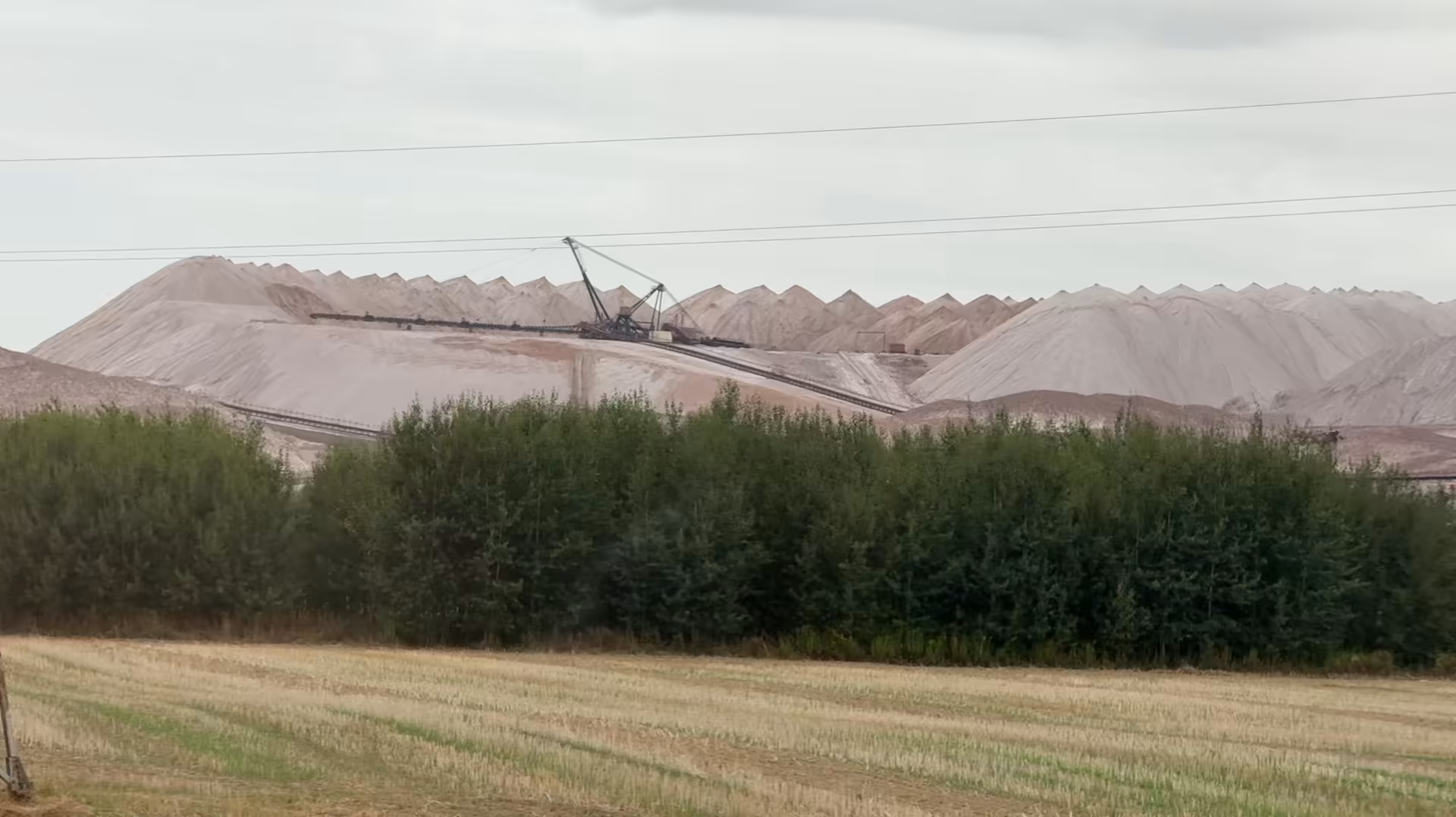
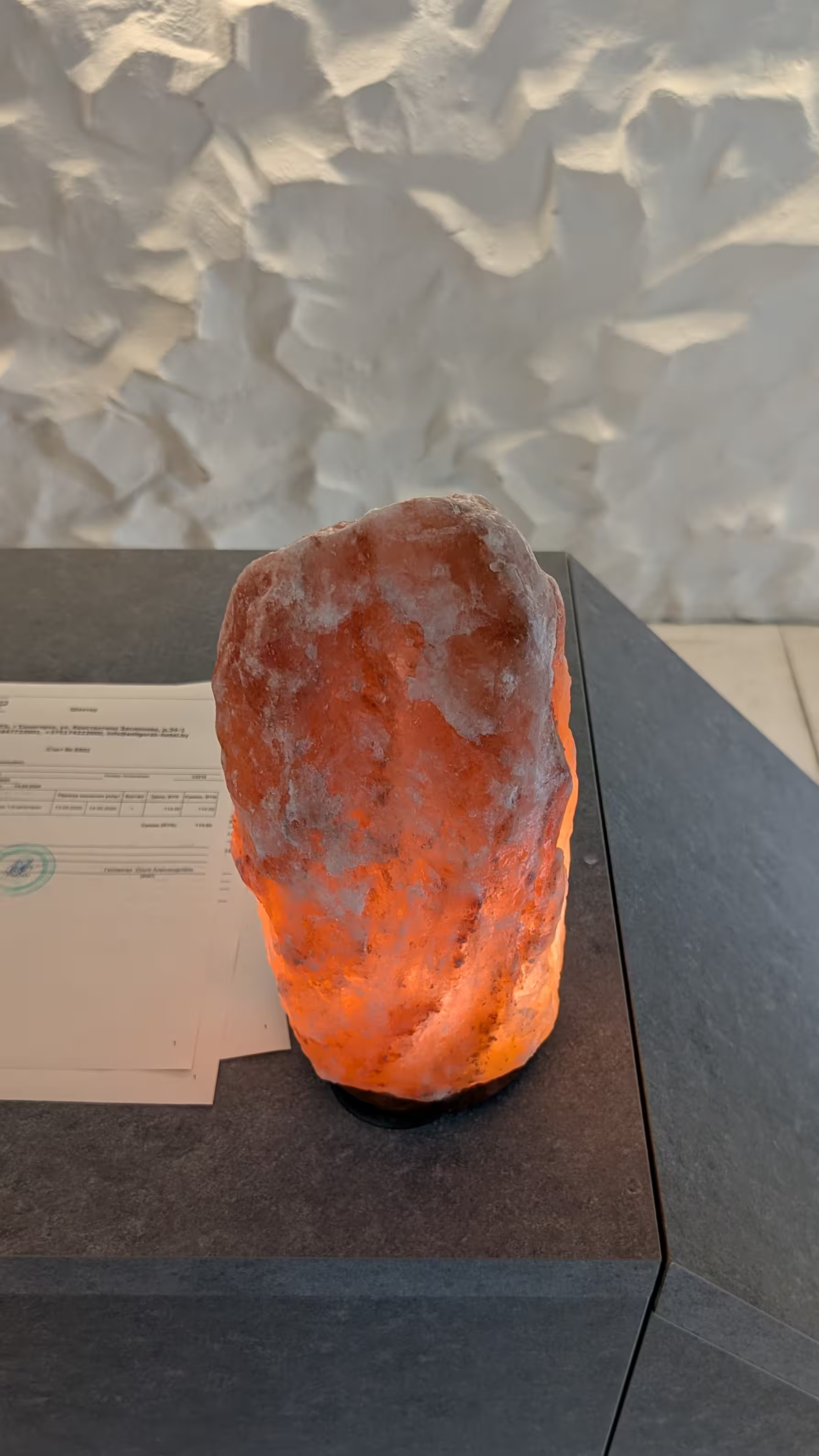
At the hotel reception in Soligorsk, there’s a salt lamp. I’ve always been skeptical about both the look and the supposed benefits of these lamps. But here, it actually feels natural—everything is about salt.
⚙︎⚙︎⚙︎
The cycling marathon has three routes: 40, 75, and 130 kilometers. We decide to do the 75-kilometer route—which in reality turns out to be 86.4 kilometers—take in the views, and stop for photos along the way. Basically, we’re going on a bike-and-photo ride.
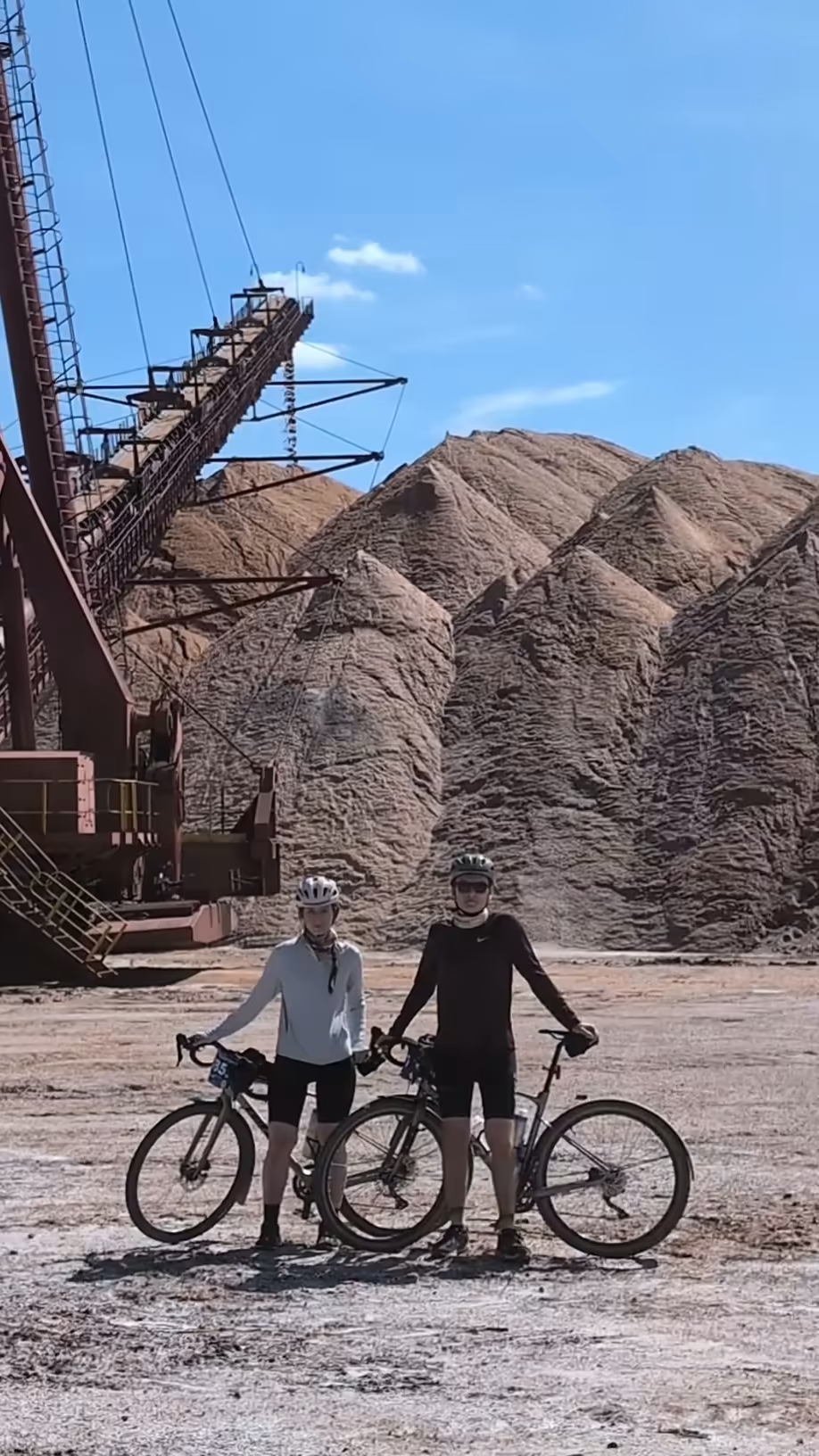
The team at the starting line.
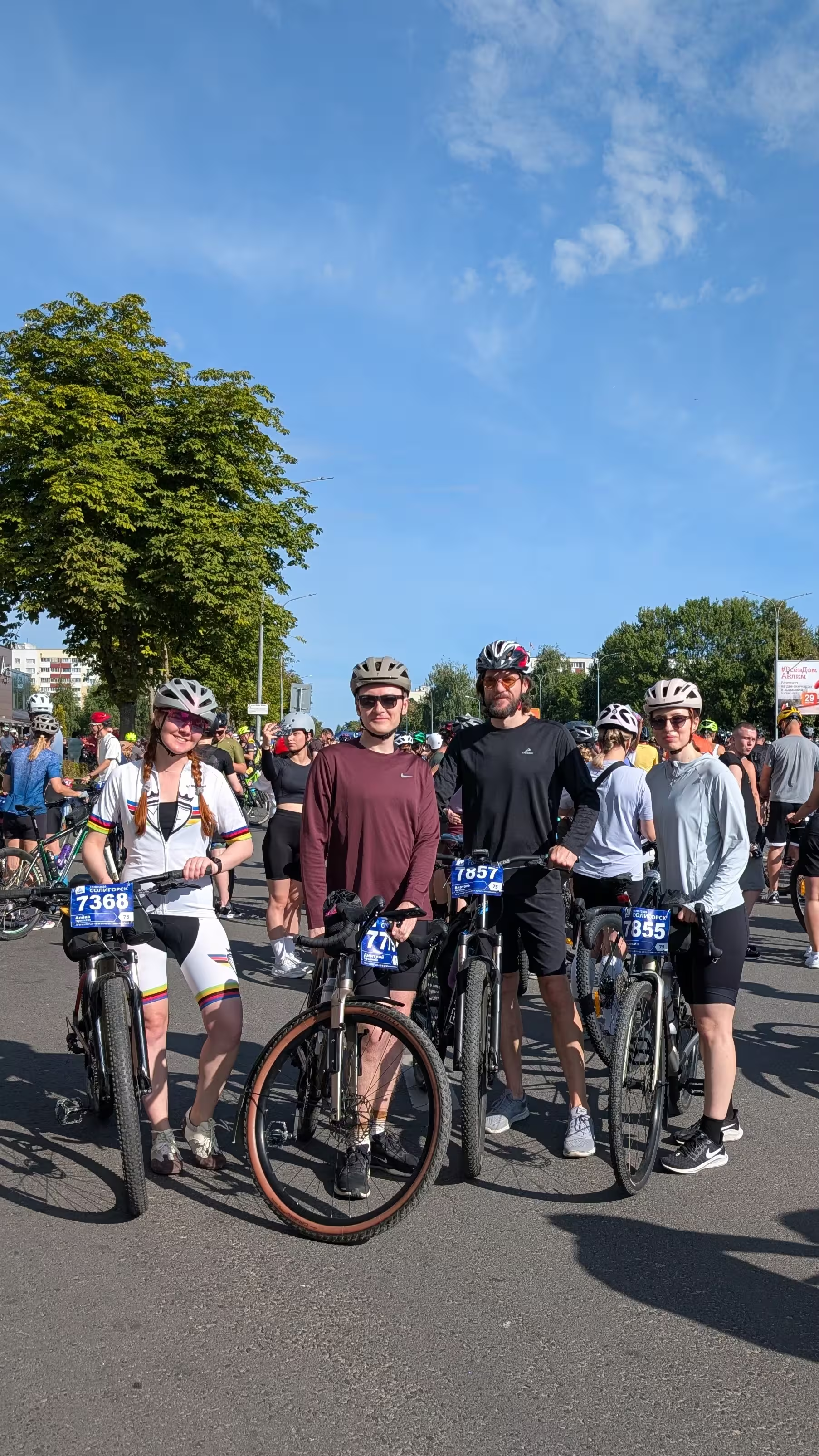


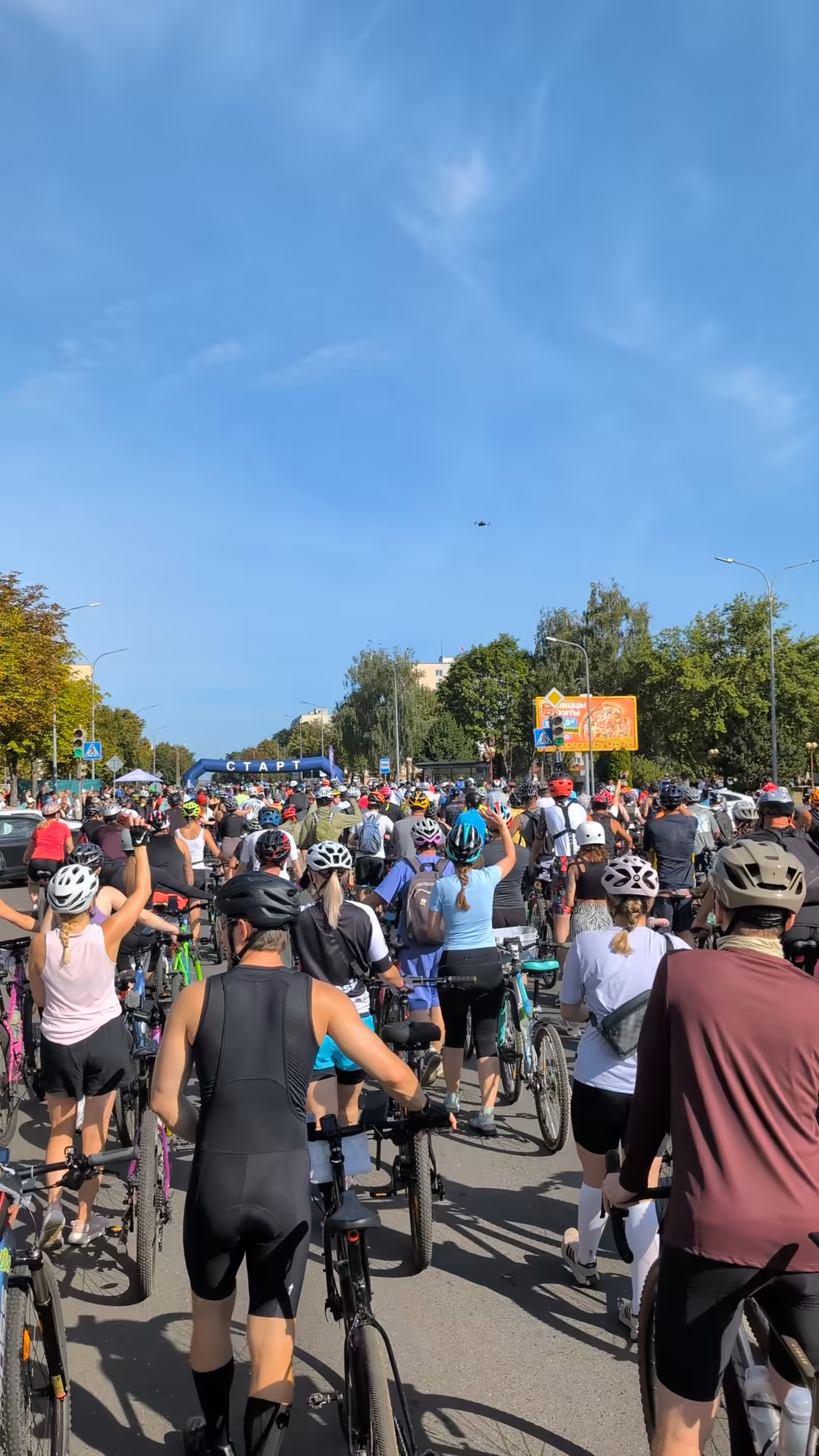
People start whistling and honking, demanding that the race begin!
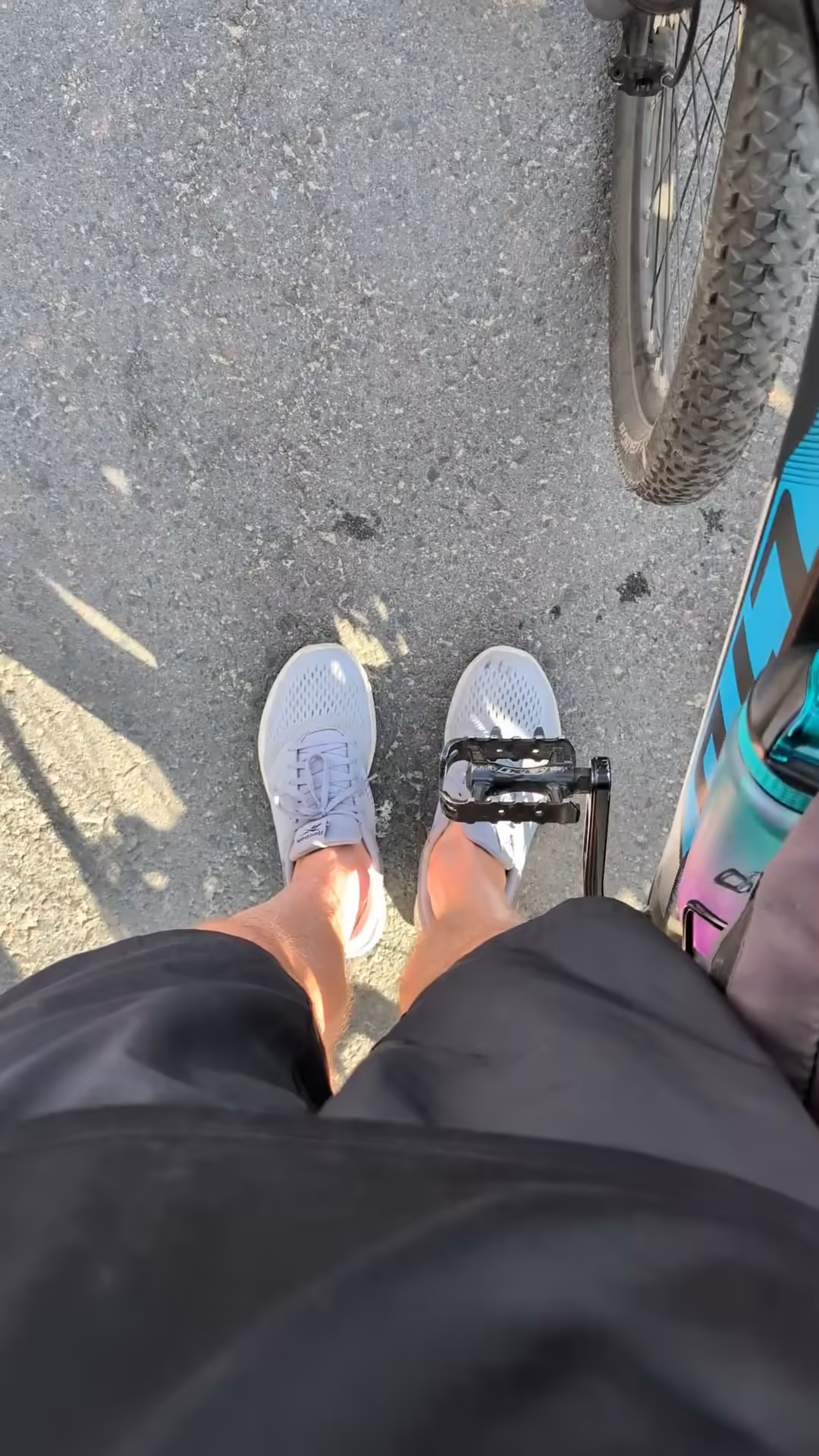
We are starting to move.
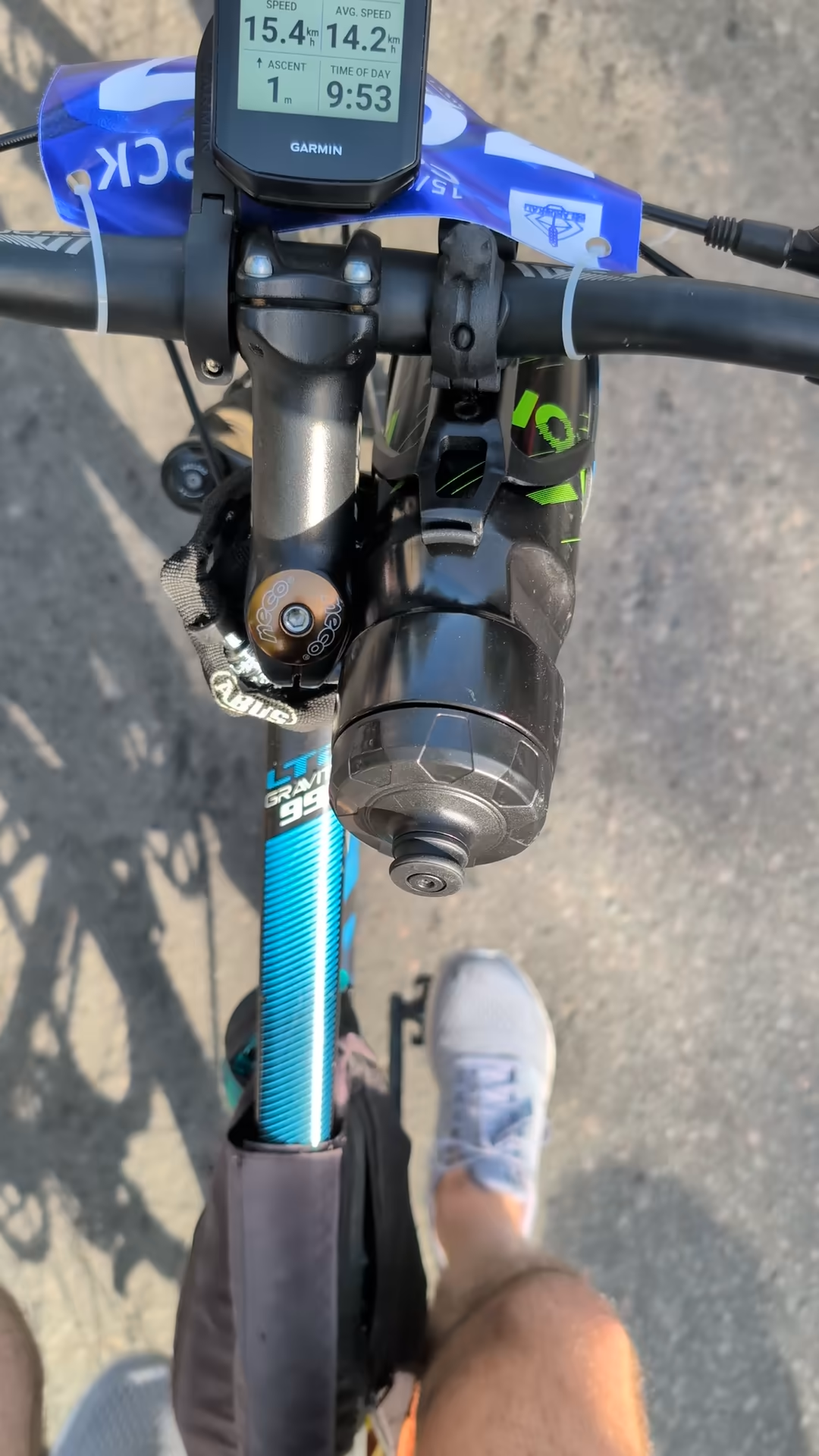
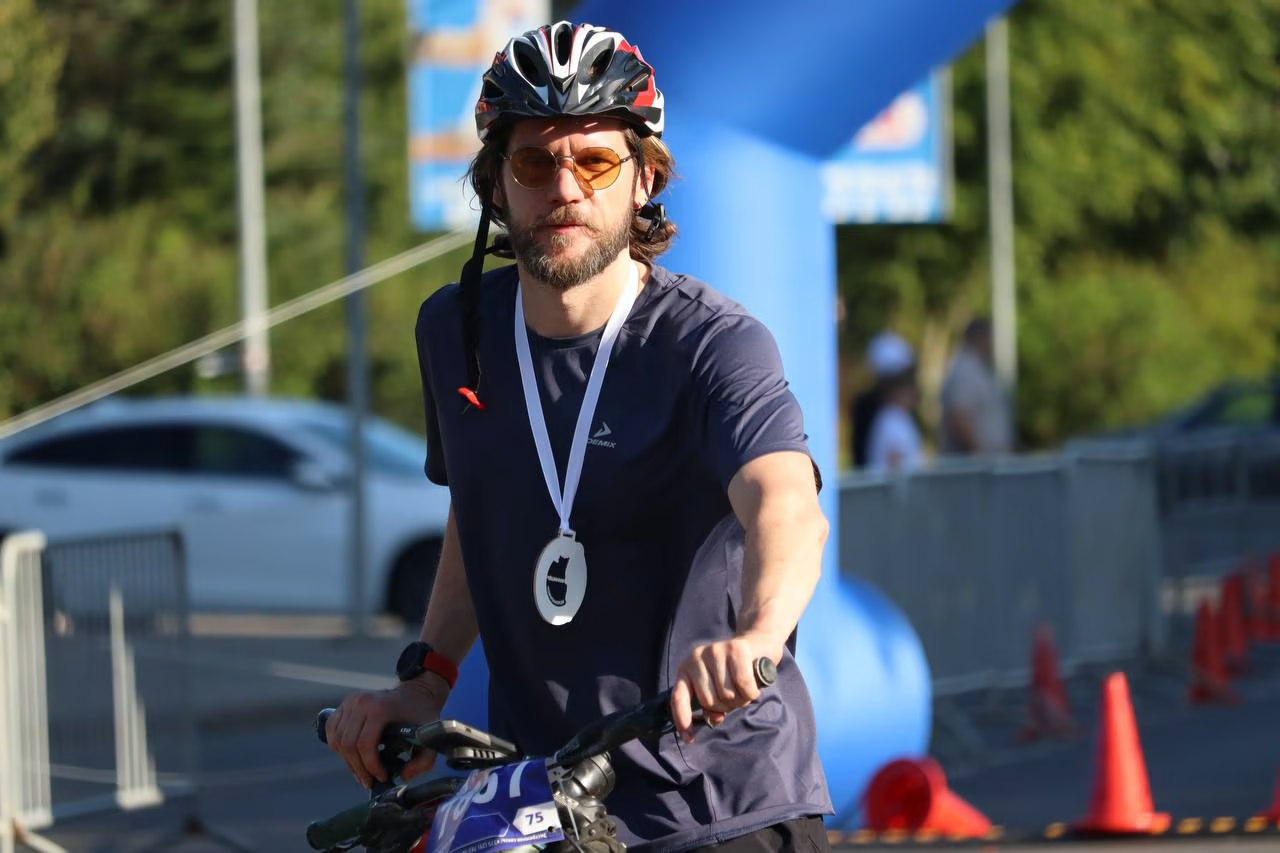
To be completely honest, I went into this trip totally unprepared: I didn’t have any bike bags (so I borrowed my dad’s old frame bag for tools), no bib shorts (I bought a pair at a thrift store the day before), and no helmet (I ended up buying the only one in Soligorsk that fit me more or less okay). I also didn’t have time to replace the crank arm, so I’m just praying it doesn’t fall off. And on top of that, I was told I showed up at the start looking like some kind of village dude. That’s the kind of cyclist I am. ᕕ (ᐛ) ᕗ
A happy Aliona! (Who still has no idea what’s coming 40 kilometers later.)
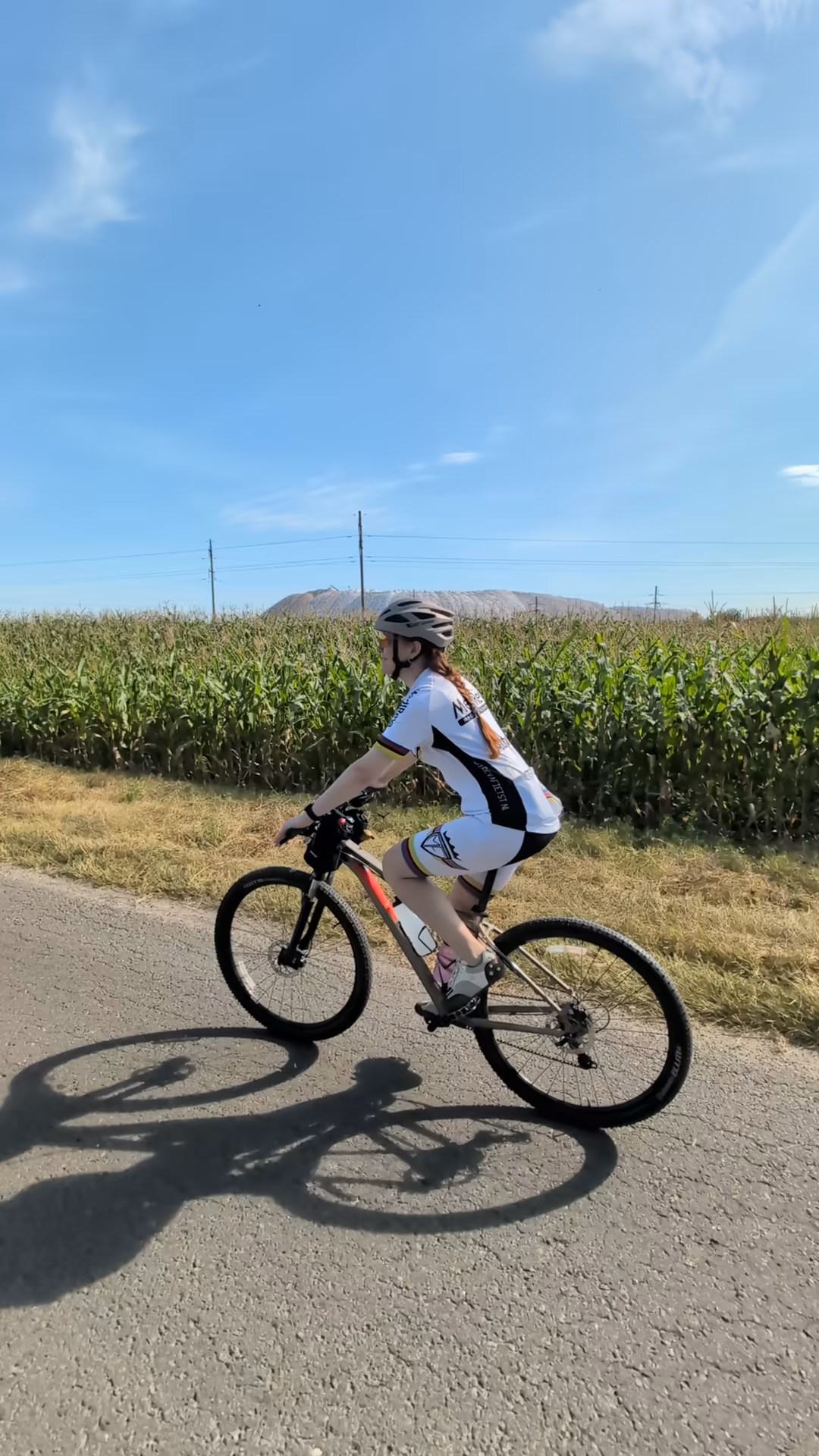
About 7 kilometers in, the route passes through a village, and a bottleneck forms on a narrow street. It’s still only the very beginning of the route, and the cyclists are riding in large groups.
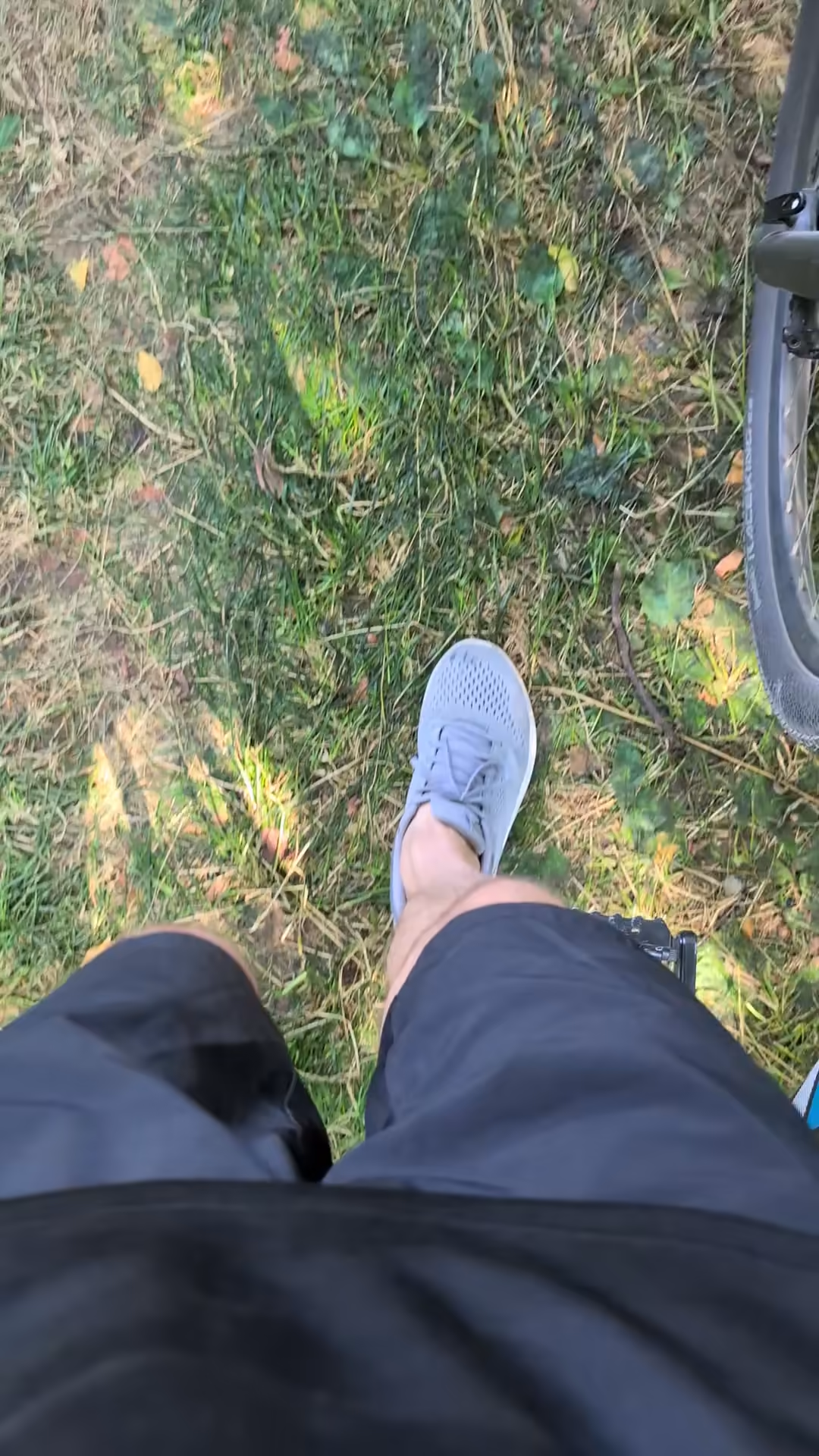
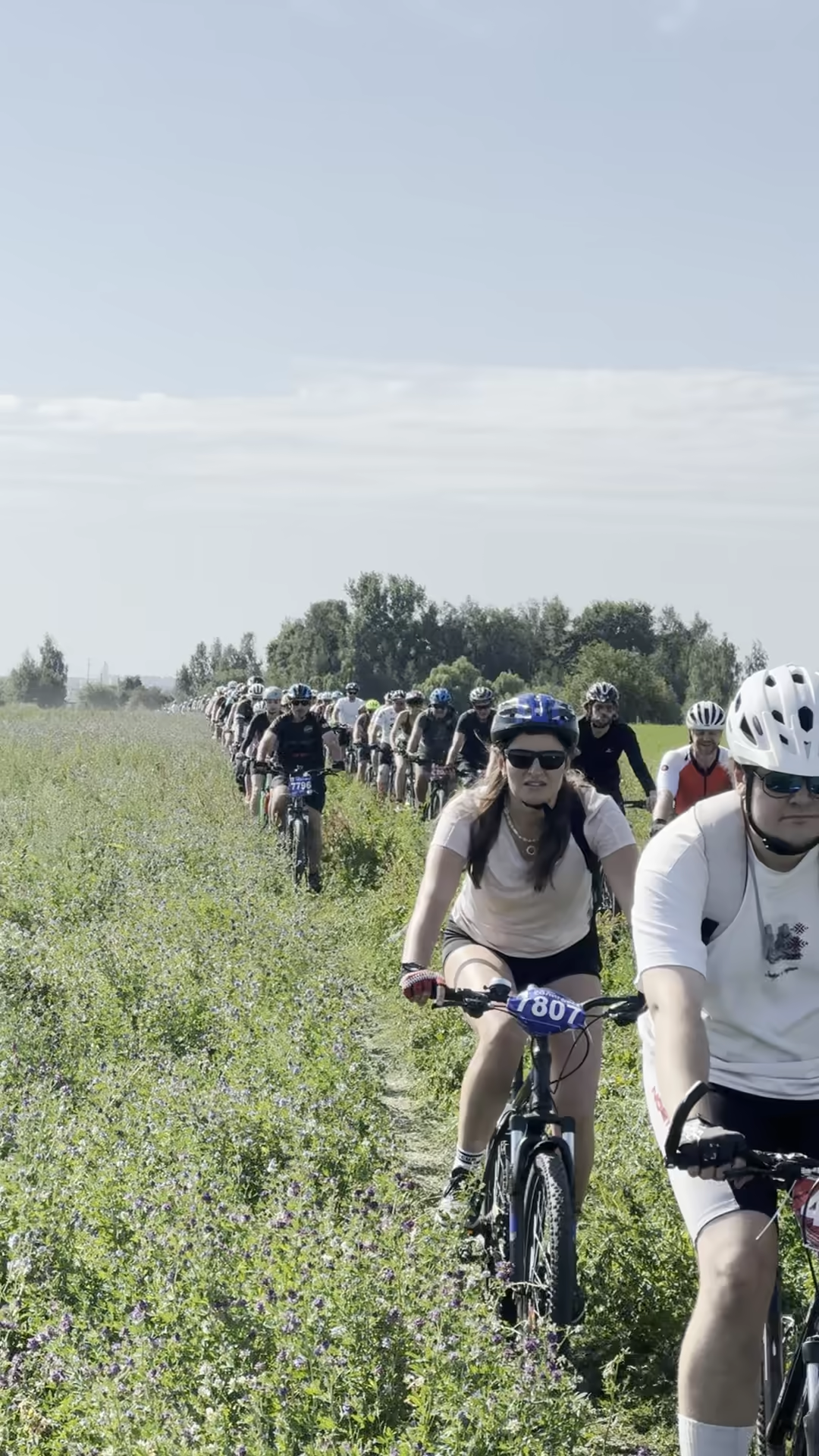
The first spoil heaps come into view, with a long line of tiny cyclists stretching out against them.
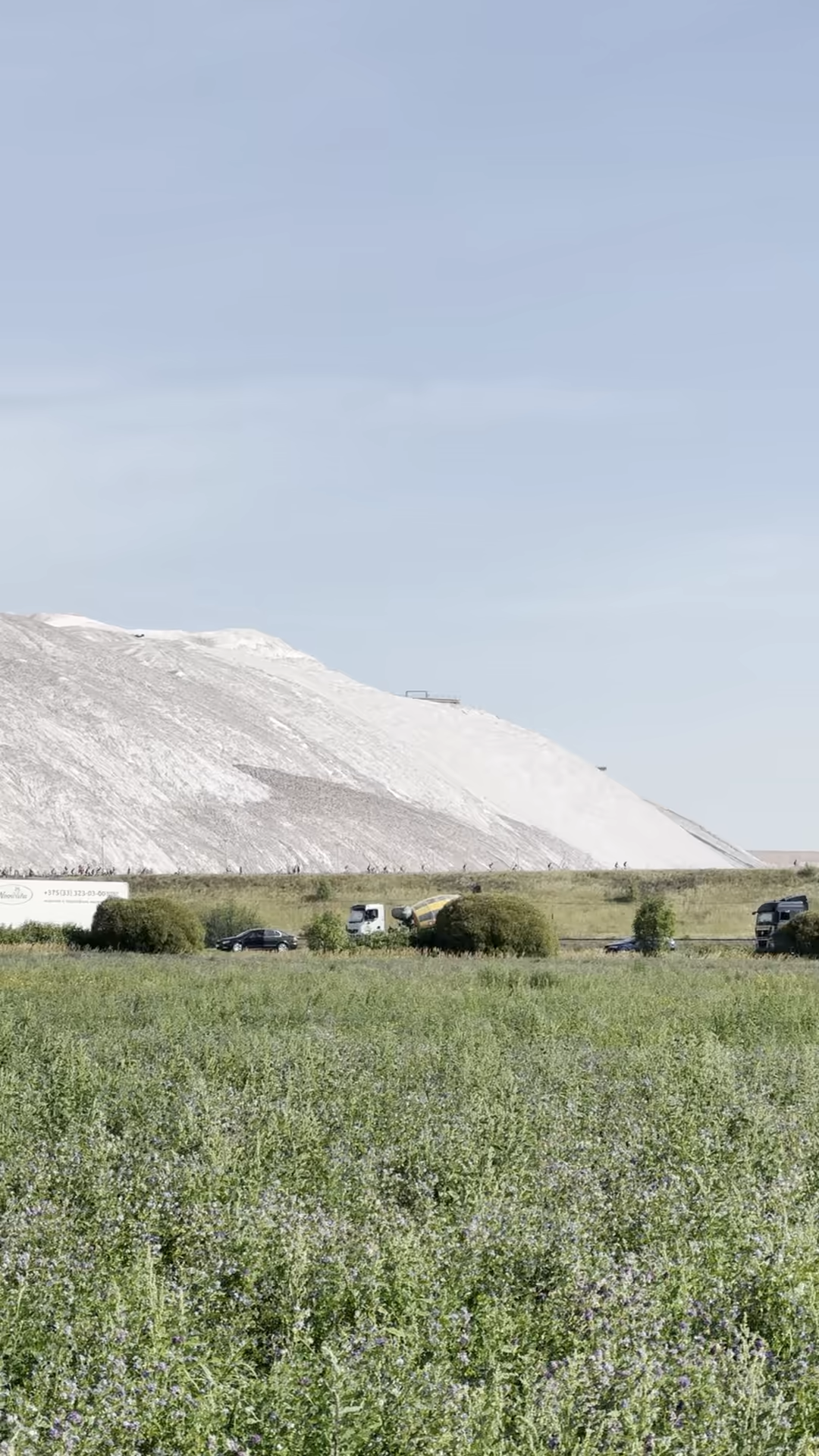
A few kilometers later, we reach the first scenic viewpoint, where a lot of people stop to take photos.


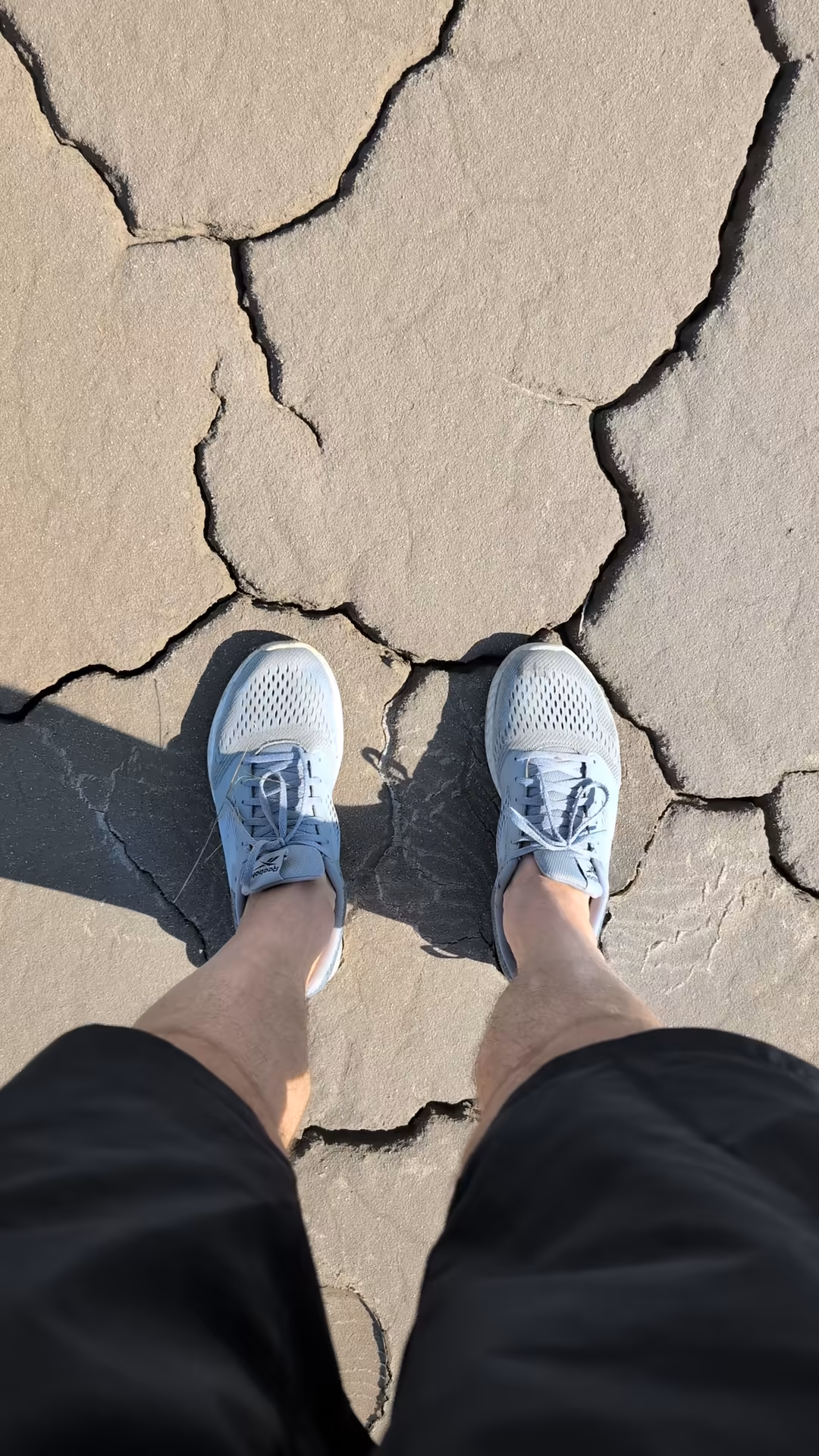
This is where the conflict between racers and bike tourists starts to show. The cyclists who are taking it easy and stopping to take photos in interesting spots begin getting in the way of those riding for a result. Sometimes the bike tourists were the ones being clueless, not understanding what a shout from behind—“On your left!”—meant, and sometimes the racers were just rude: “Move left, why are you crawling along, you sheep!”
A heated discussion about this broke out in the marathon’s Telegram group. One message from a local resident said: “We, the people who live here, take part in the marathon ourselves and are happy to welcome all our guests. We’re glad that such fast athletes want to take part in our amateur marathon. It’s even nicer to be able to show them our local landmarks—the salt spoil heaps that our parents and their parents spent years building up. We also enjoy riding through them ourselves, taking in the scenery, showing it to our children, and of course taking photos. It has already become an annual tradition to ride through the spoil heaps ahead of Miners’ Day and see how much work has been done, how much ore has been processed, and how much the heaps have grown. Thank you to the miners! Thank you to the management of Belaruskali! Thank you to the founders and organizers of the cycling marathon! And special thanks to the participants who understand where they are and who they’re competing against. As for those who are bothered by amateur riders on the course—the ‘sheep’ and everyone else—I wish you victories and achievements outside the Soligorsk district. Please don’t make us ask for the marathon to become a closed event.”
I’m not really a cyclist—I’m more of a swimmer—so I can understand the frustration when some grandma gets into one of the center lanes at the pool and leisurely dog-paddles along. But in this case, I’m on the bike tourists’ side. After all, this was meant to be a mass-start event from the beginning, and it was obvious there would be a lot of people who simply wouldn’t know how to behave properly in every situation.
Maybe this cycling marathon shouldn’t have an official ranking at all. The routes are scenic, and there will always be people at the start who came to enjoy the views rather than compete.
⚙︎⚙︎⚙︎
We reach the first spoil heap. Garmin shows an average gradient of 6%, which is perfectly manageable. But it’s still the very beginning of the ride, the temperature is 27 °C, and a lot of people decide to save their energy and walk their bikes uphill.
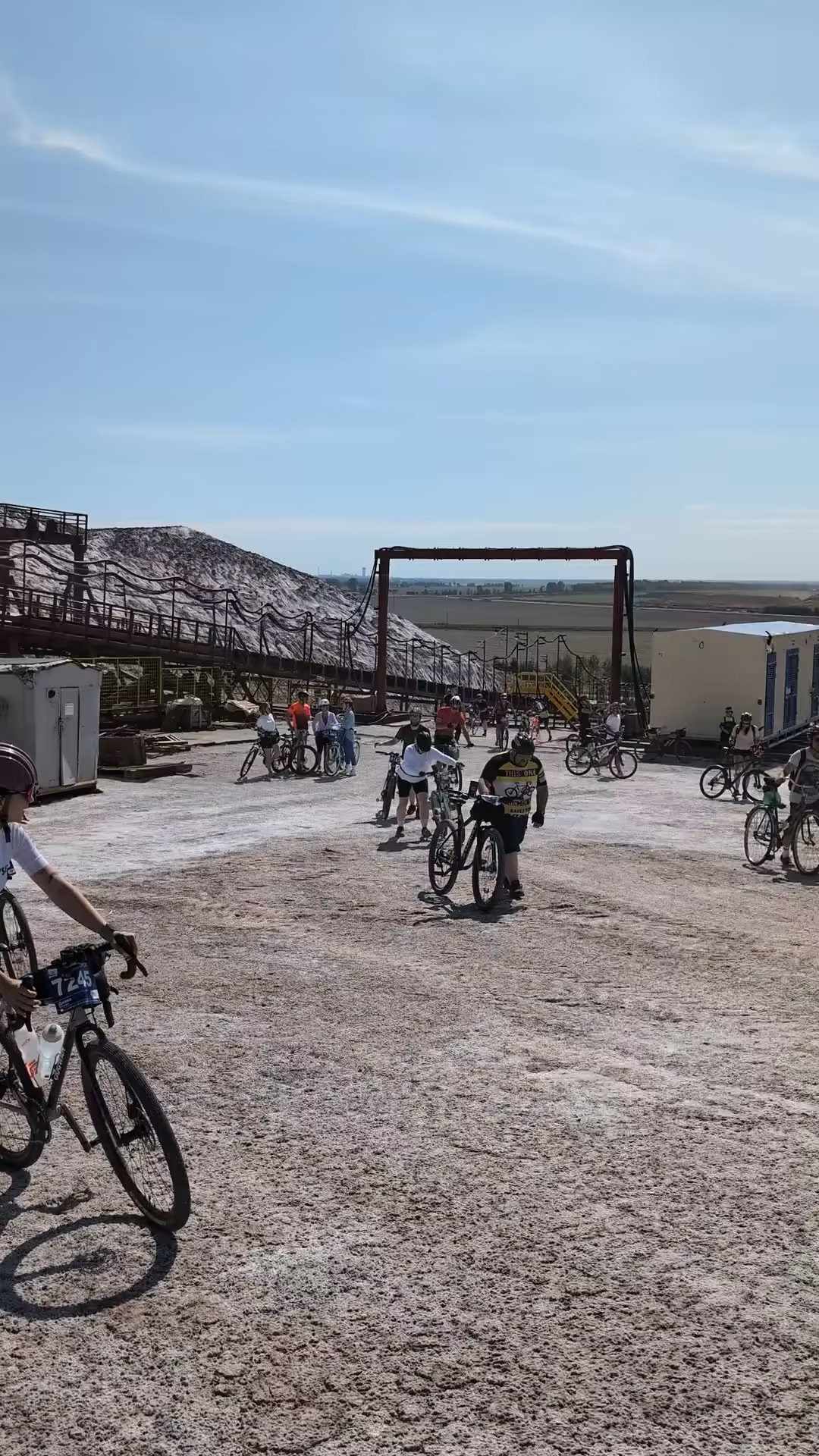
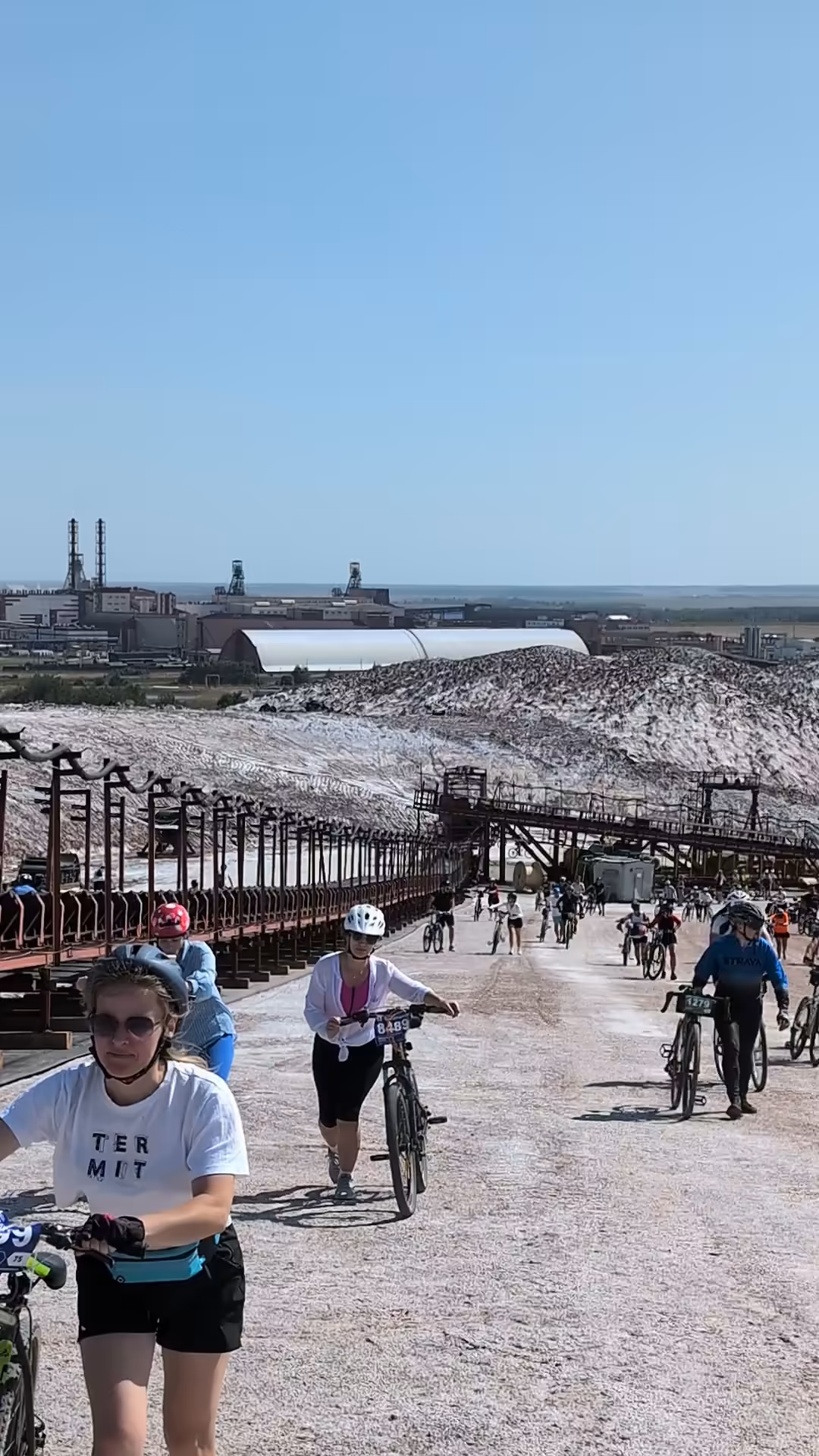
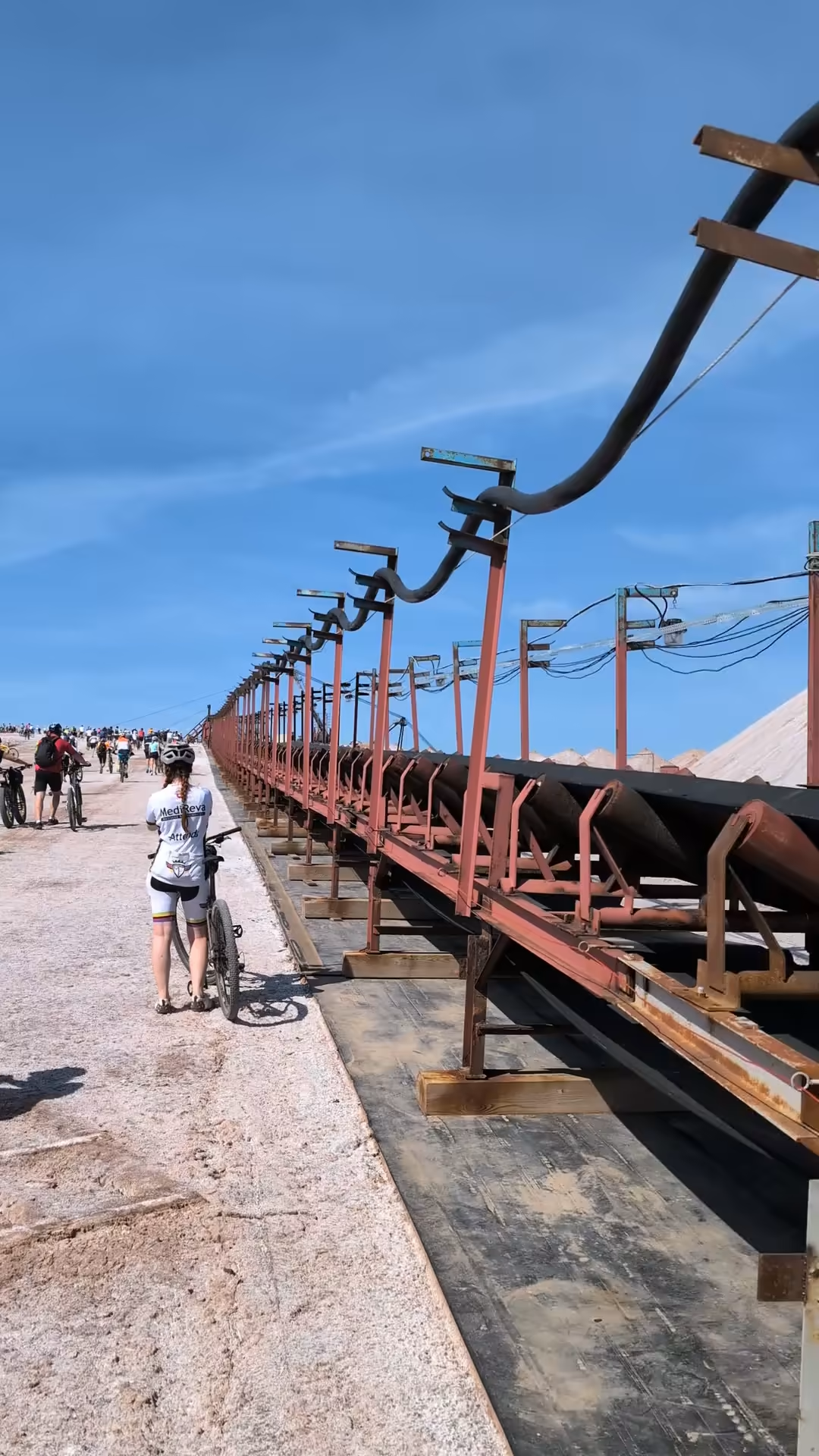
At the top, there’s another interesting spot.

And once again, lots of people are looking for interesting angles for photos.
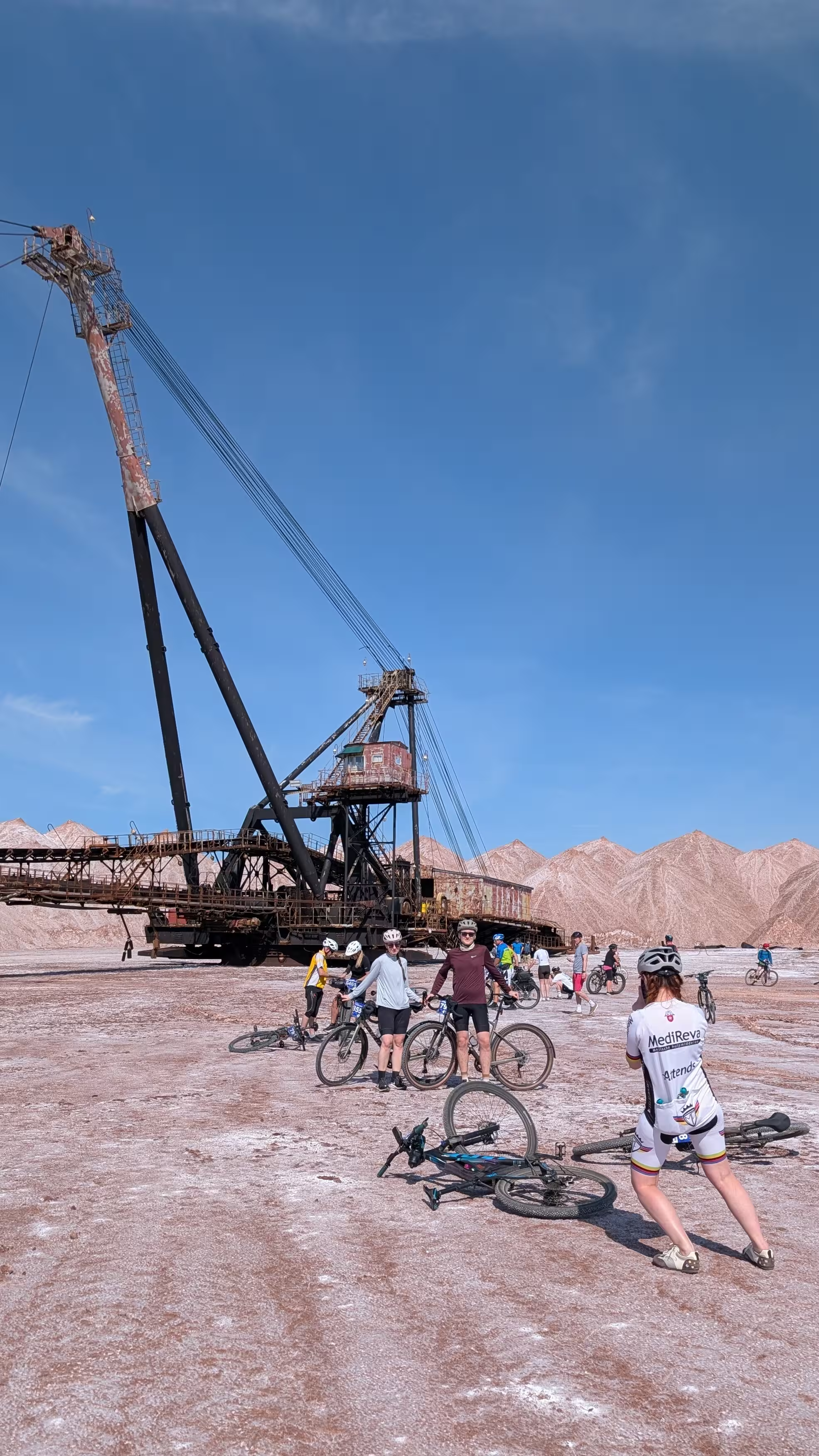
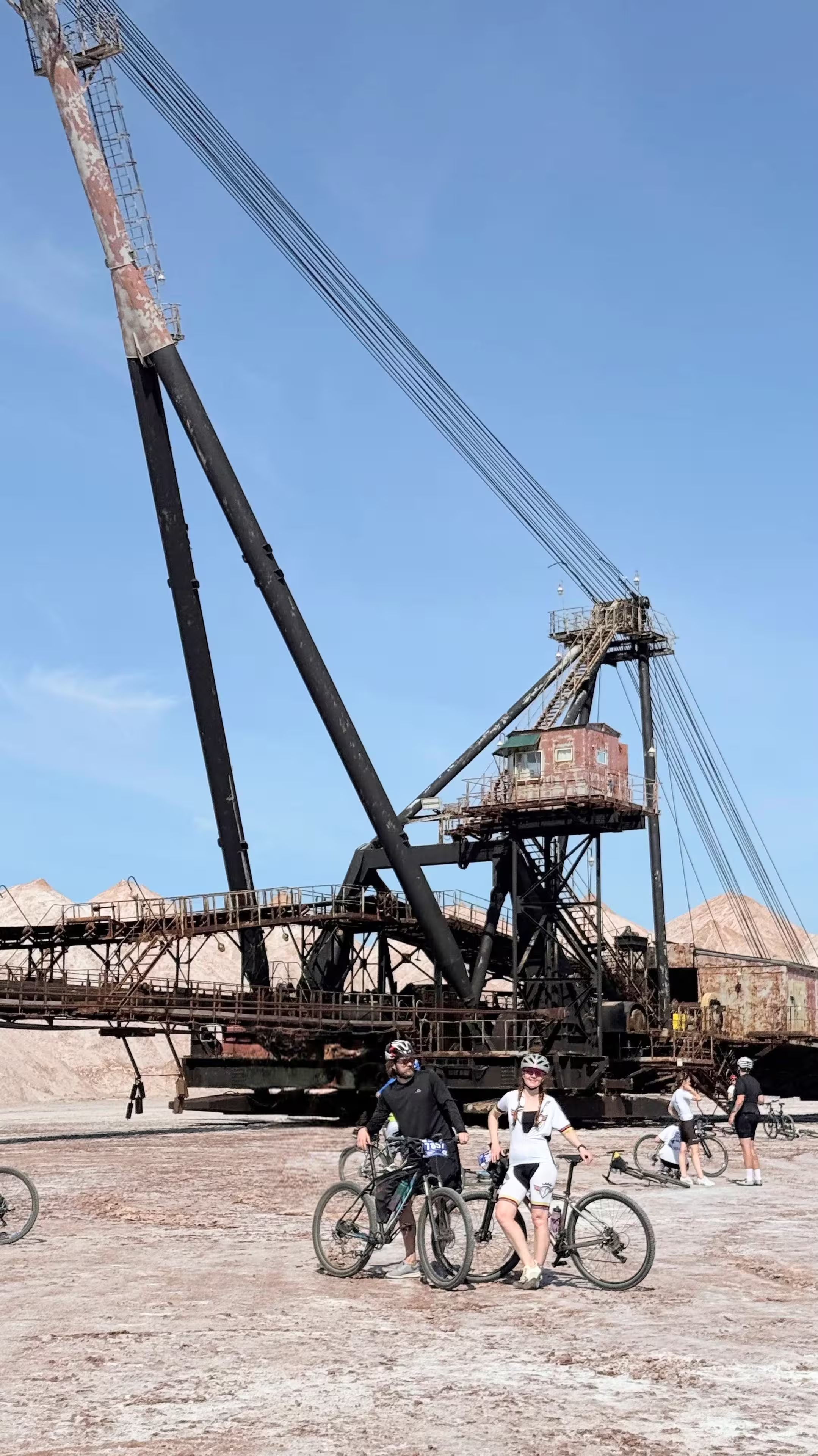

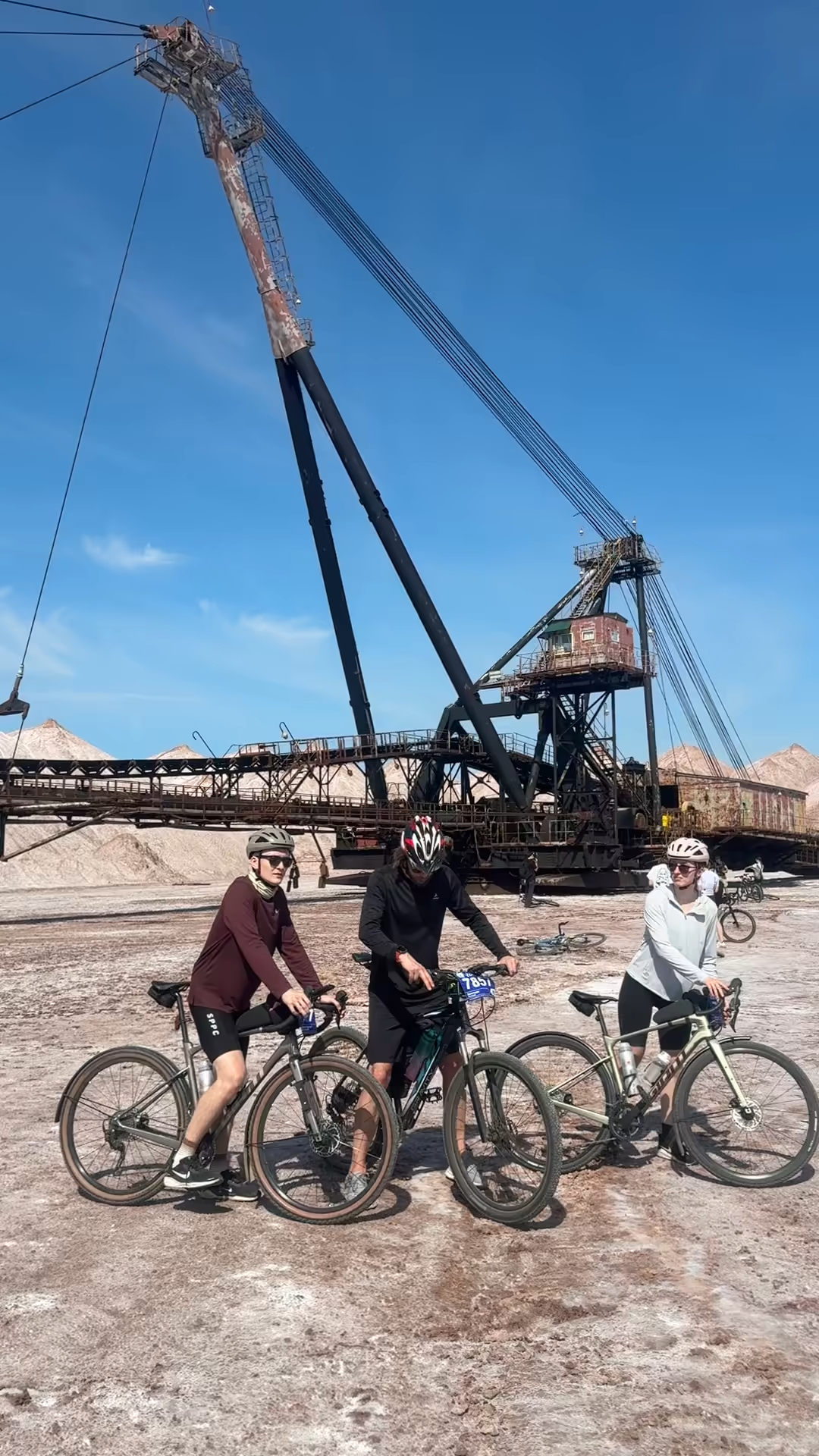
Aliona always has a great sense of direction! She points us toward where we need to go next.

Still, being a woman on a big group ride is less convenient than being a man, because bathroom breaks can be genuinely awkward. Especially on this route, which runs almost entirely through open terrain. We came across a portable toilet in the spoil-heap area, and a line of women immediately formed.
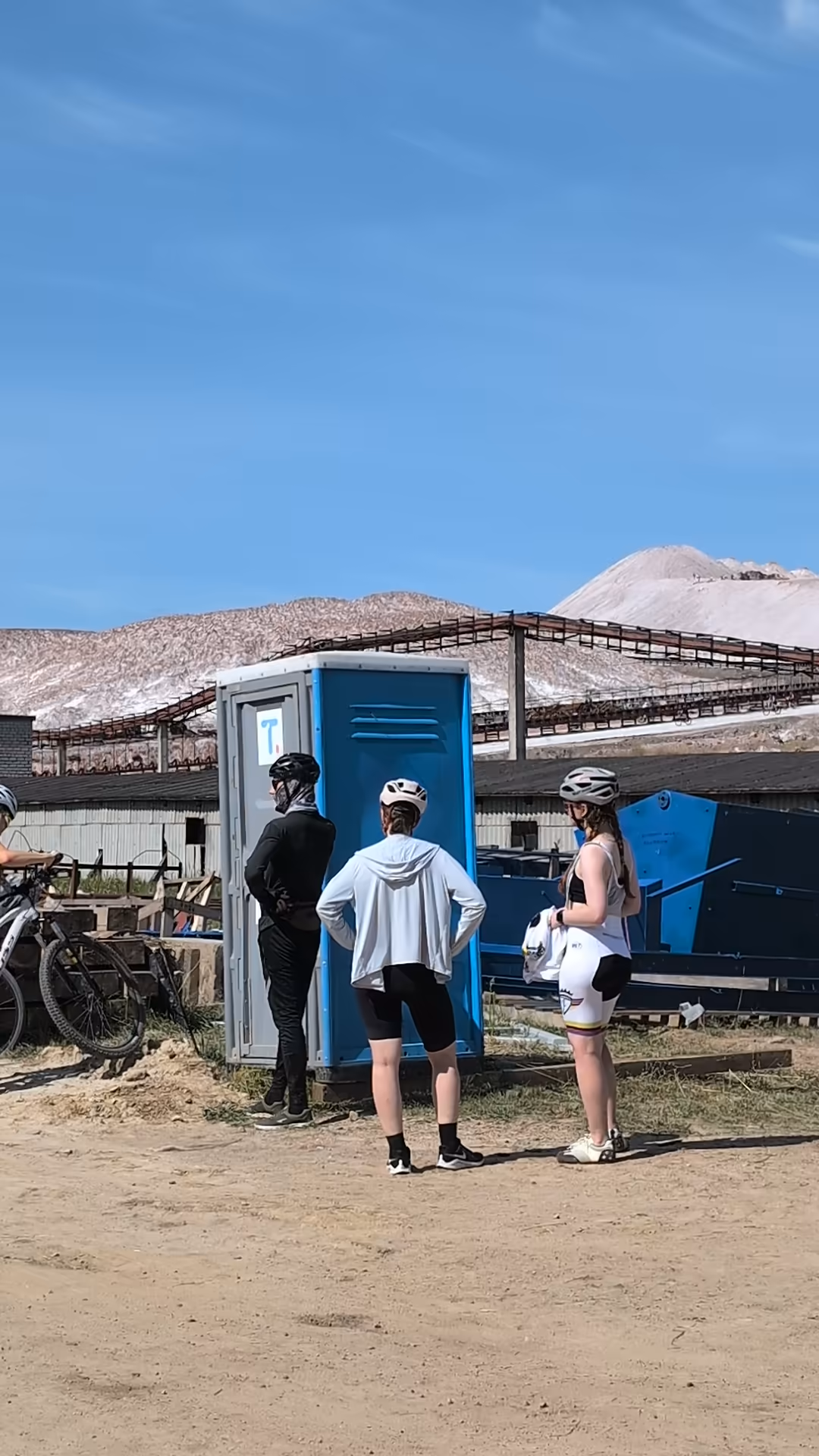
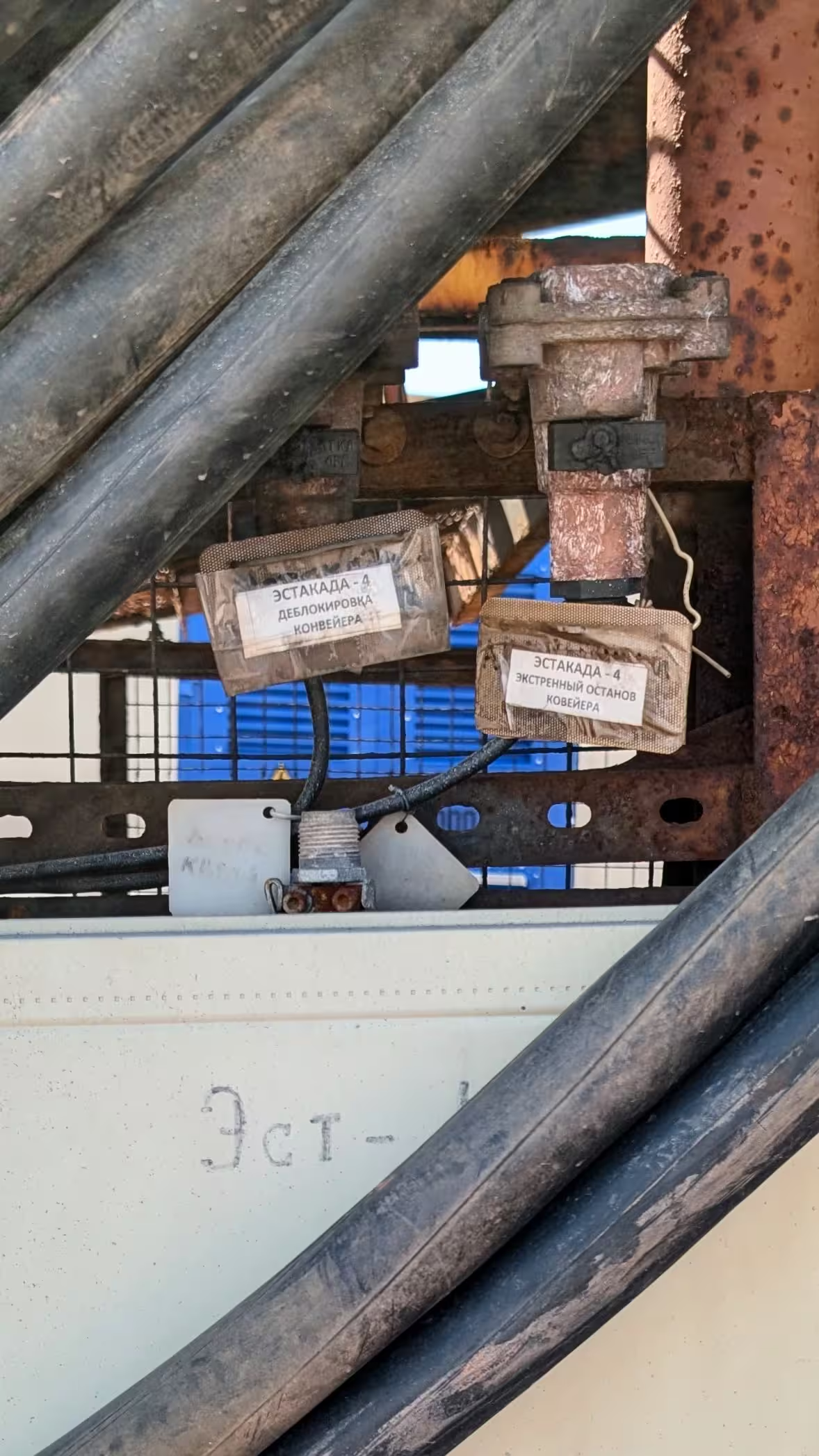
The guys just go “take a closer look at the equipment.”
На сороковом километре внезапно теряем одного бойца.
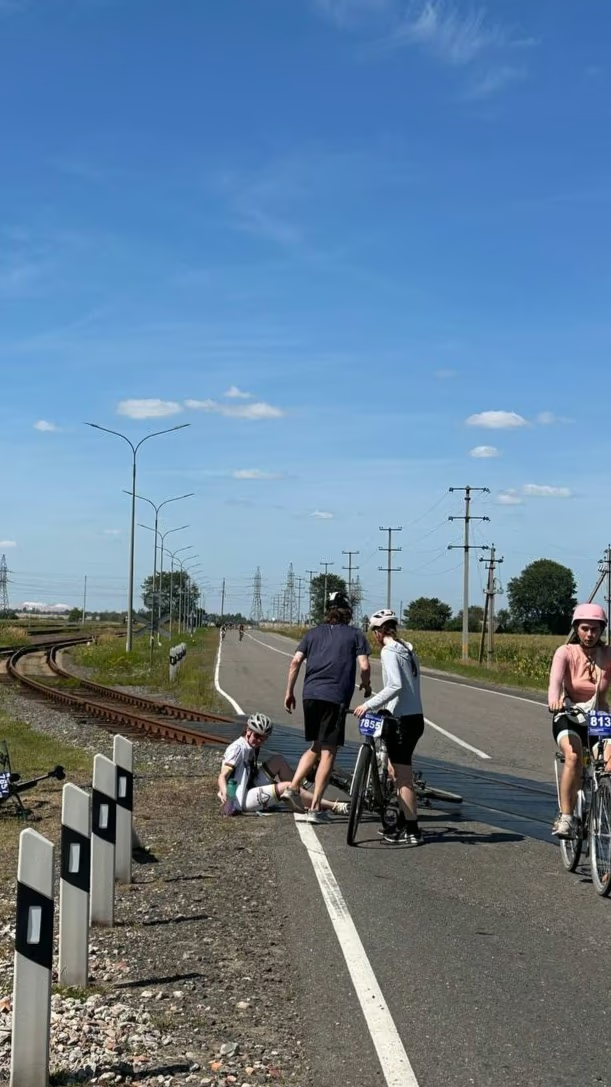
The road crosses the railway tracks at a sharp angle, and two of us go down. While we’re figuring out who got hurt and what to do next, another 10–15 cyclists fall in the same spot. You can see two more bikes lying on the ground in the photo.
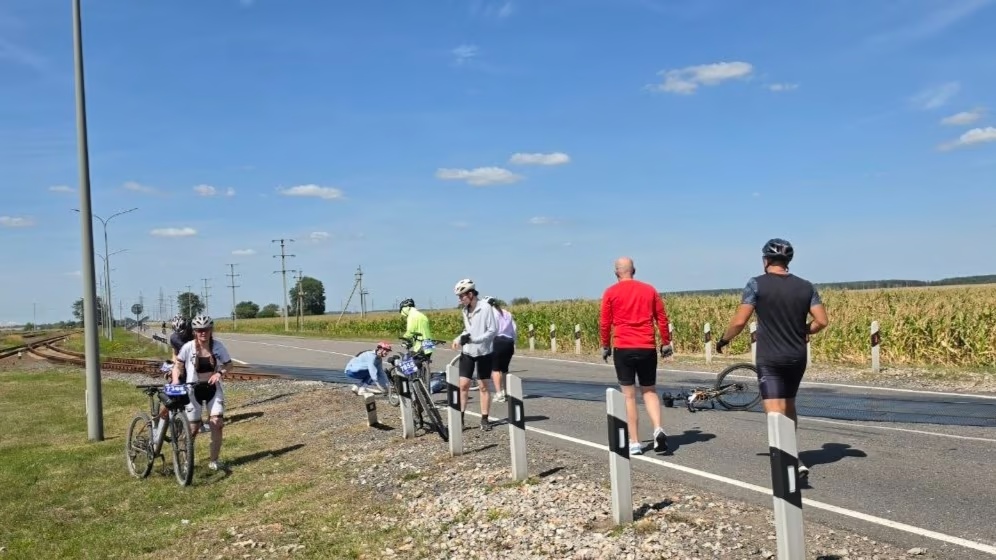
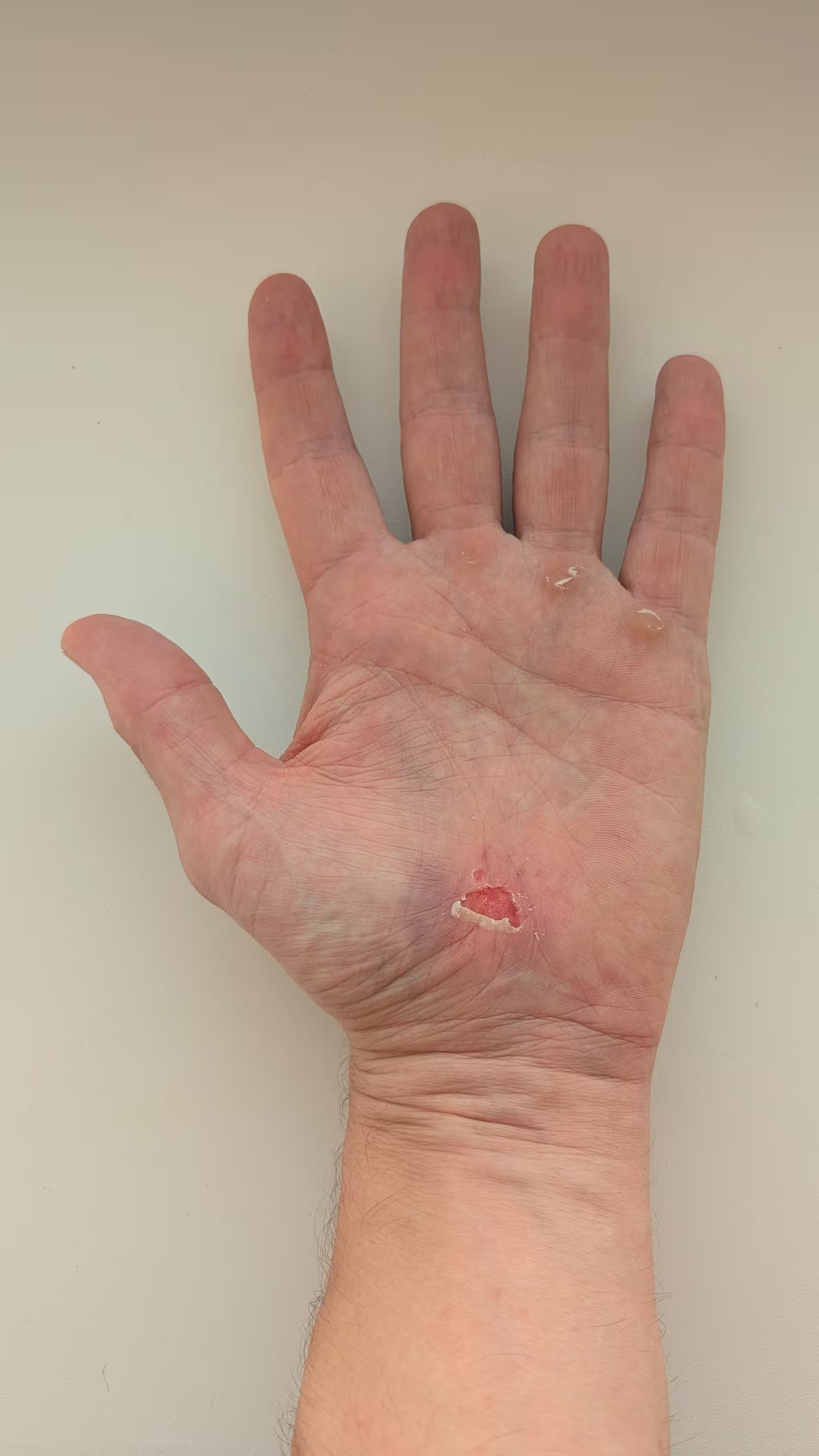
One of us gets away with just a scrape on the palm, while the other is taken away by ambulance.
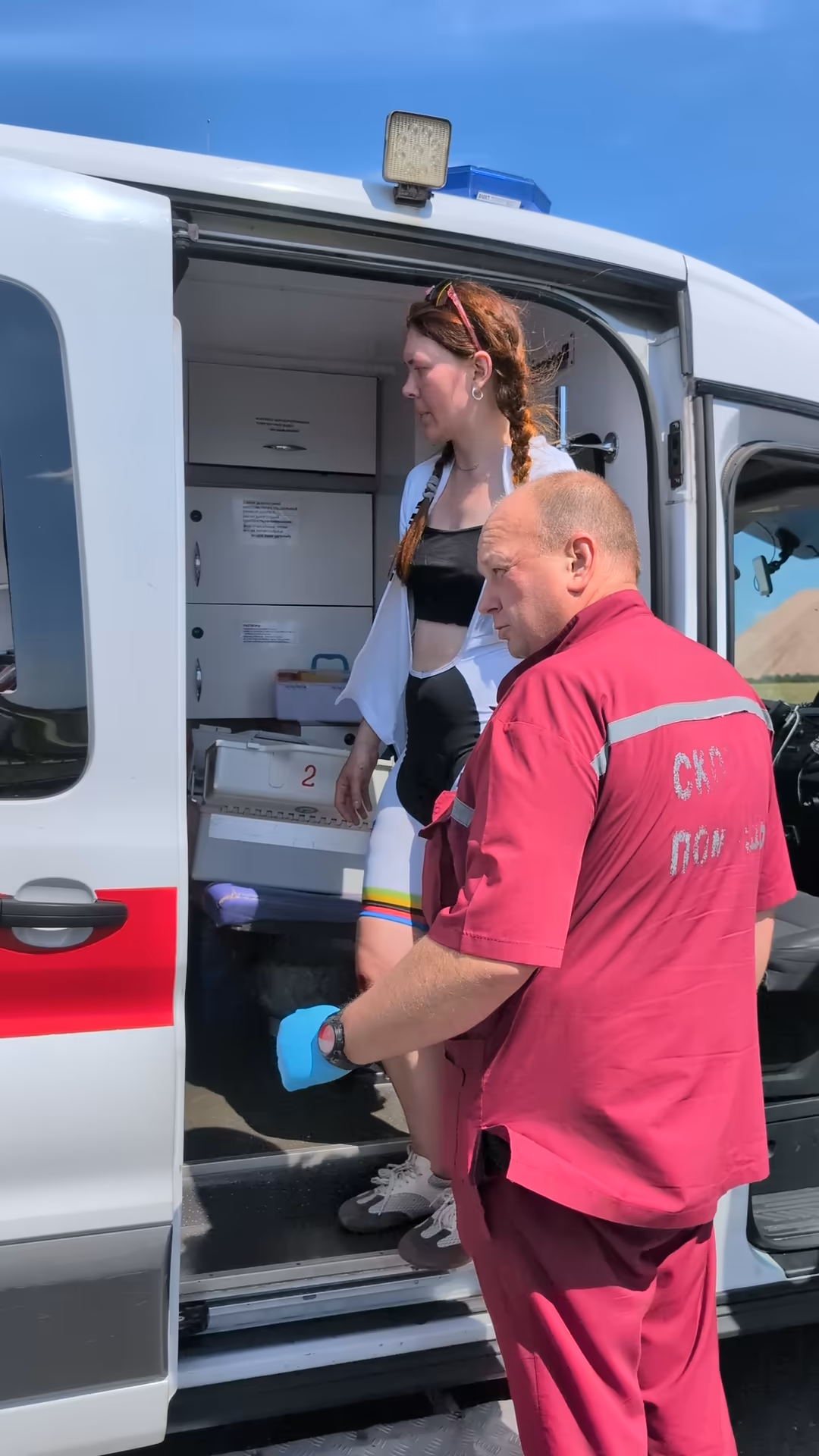
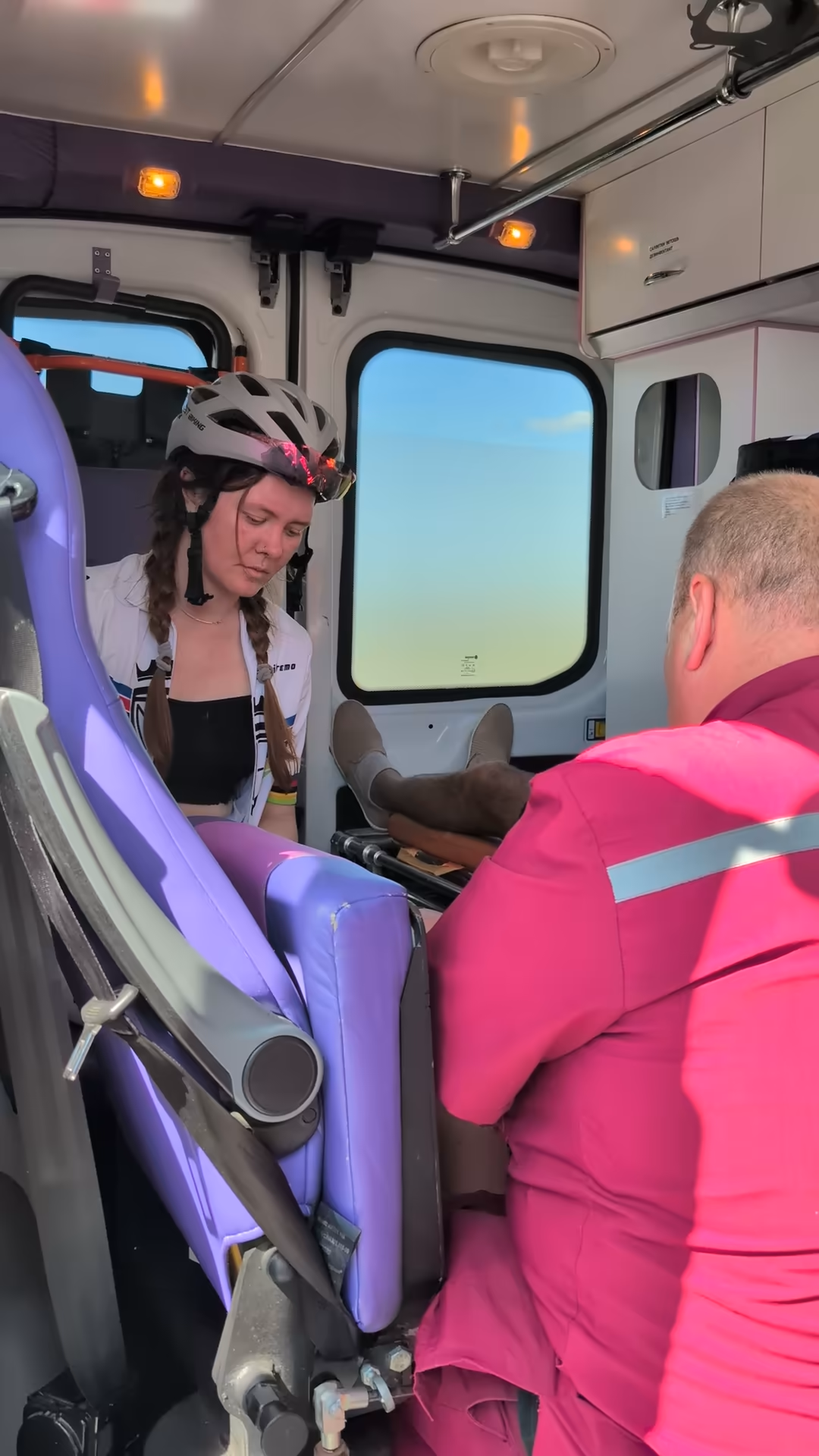
Along with our fallen comrade, the ambulance also takes a cyclist with a concussion to the hospital.
This spot also sparked a heated debate in the marathon’s Telegram channel, with people arguing that only newbies and idiots fall here, while the pros ride through without even noticing.
This road crossing over the railway tracks looks completely safe, but that impression turns out to be misleading. Mental note for the future: be more careful at crossings like this. The organizers should probably mark this particular trouble spot more clearly next time.
In general, there are volunteers stationed along the entire route at ambiguous and potentially dangerous sections, giving riders directions and warnings. Huge thanks to them for that!
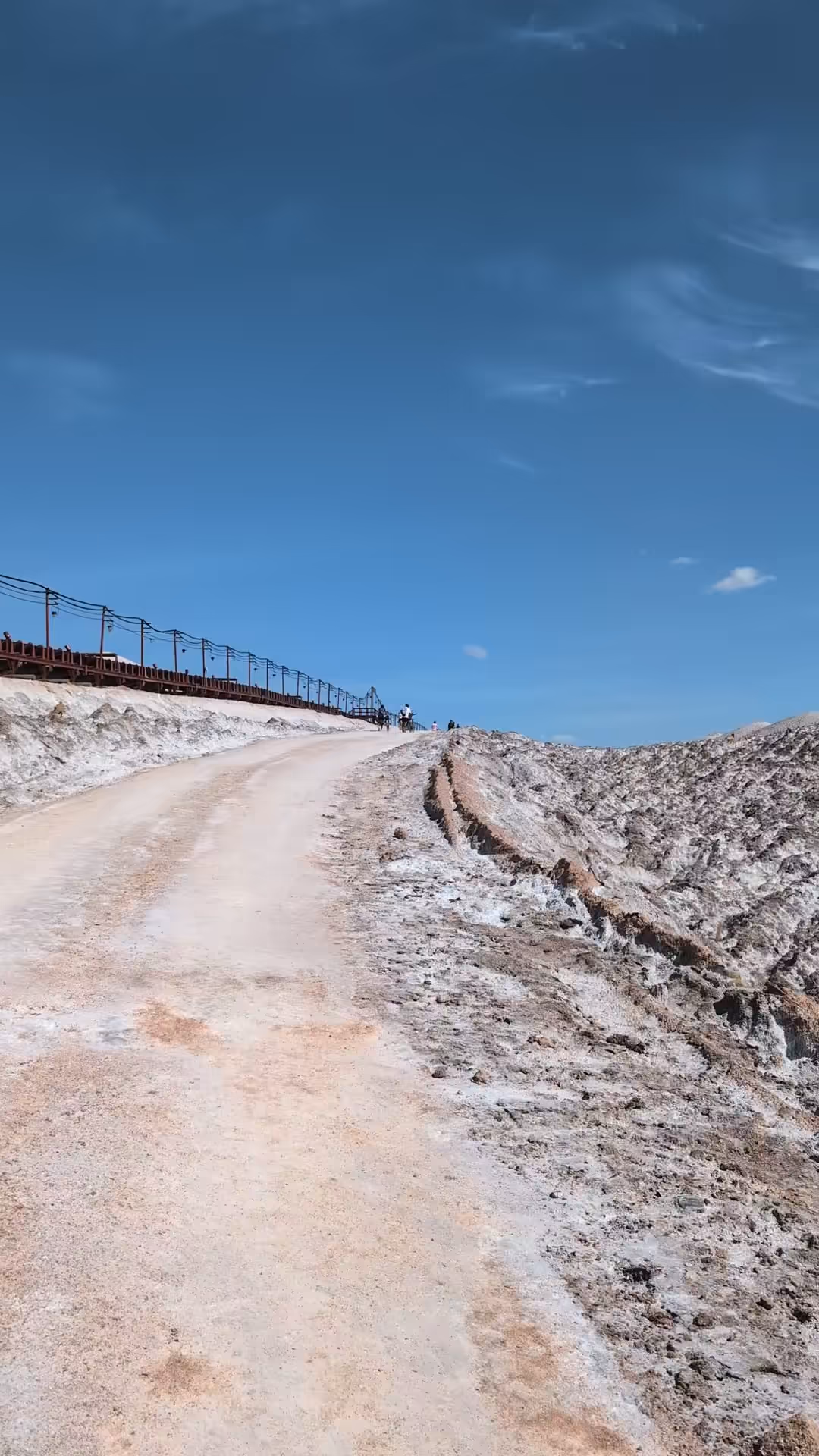
We’ve taken some losses, but we keep going. We climb the second spoil heap.
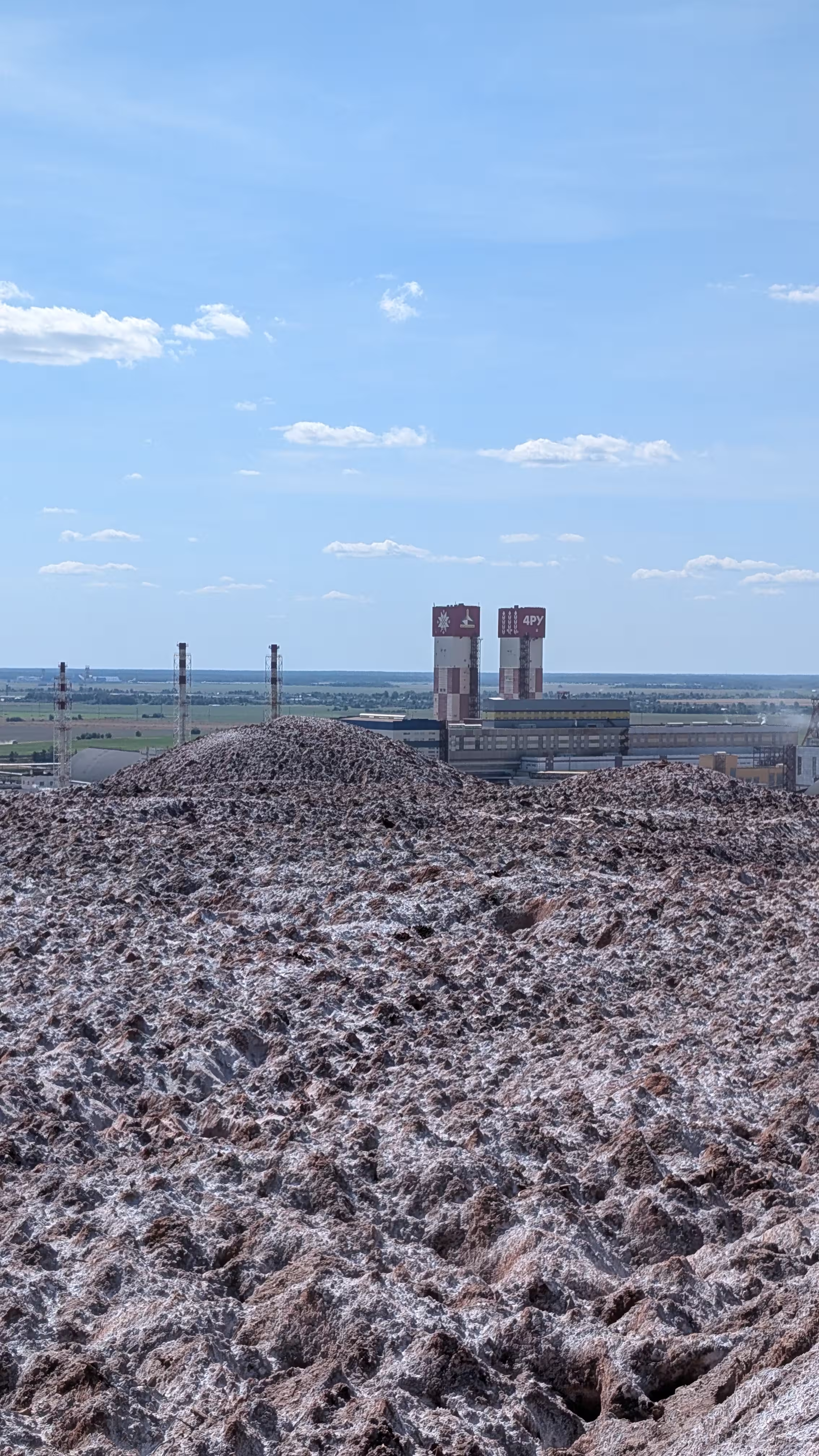
From here, you can see the two tower headframes of Belaruskali’s 4th Mining Division, built back in 1976.
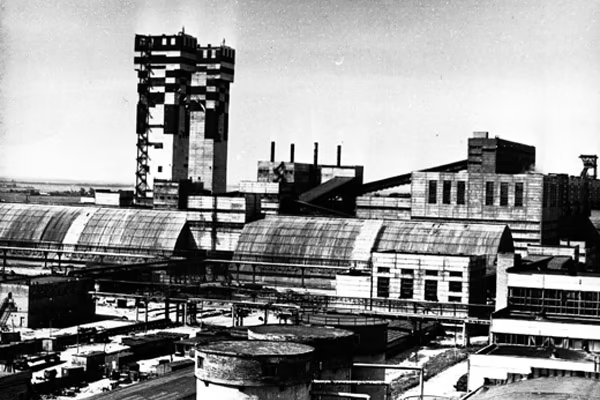
An archival photo from 1980 from the Belaruskali website.
The descent into the mine there is through vertical shafts. One shaft is used to lower and raise people and equipment, while the other is used to bring the extracted material up to the surface.
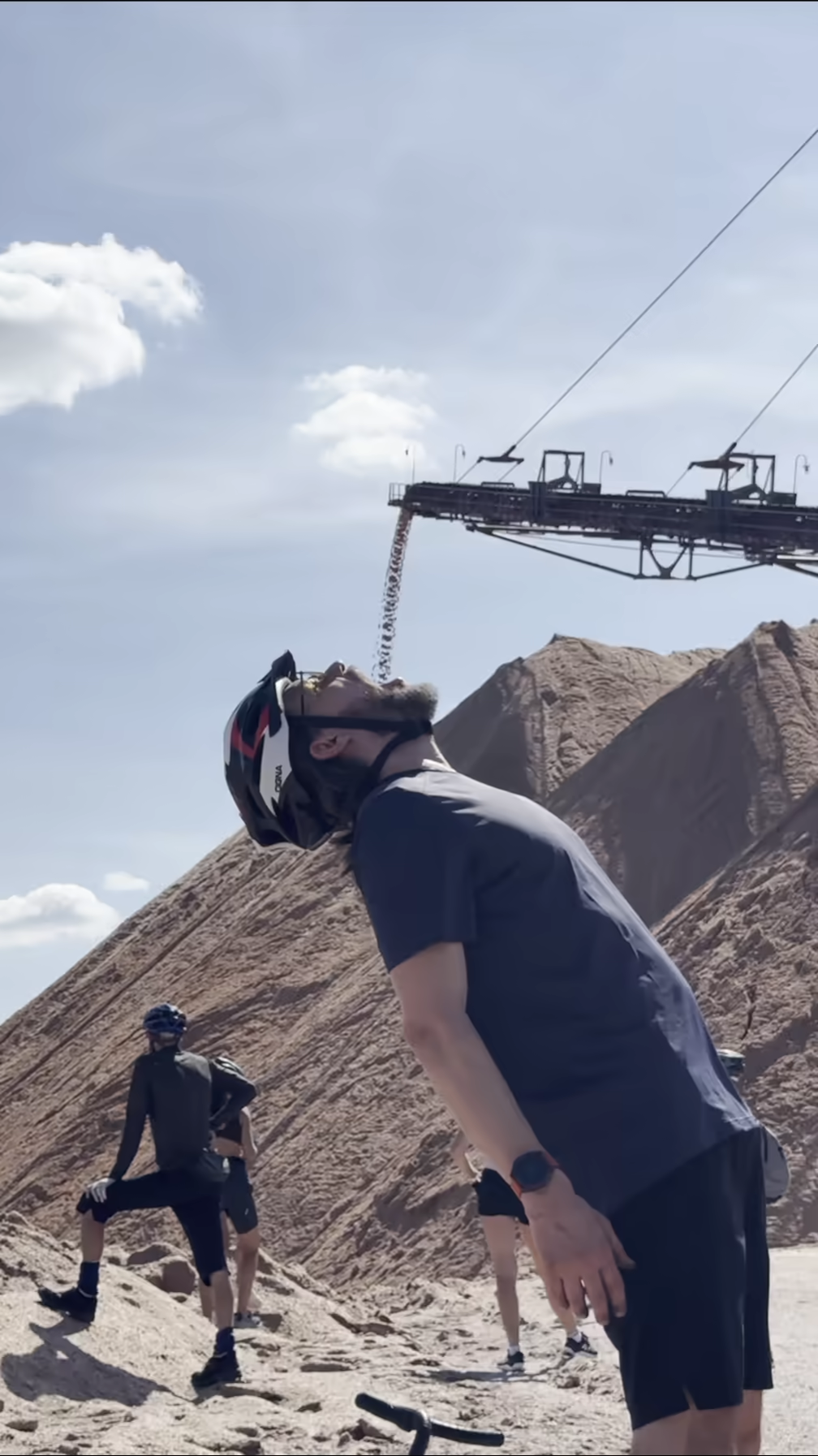
A conveyor line runs across this spoil heap, carrying material used to build up the landscape.
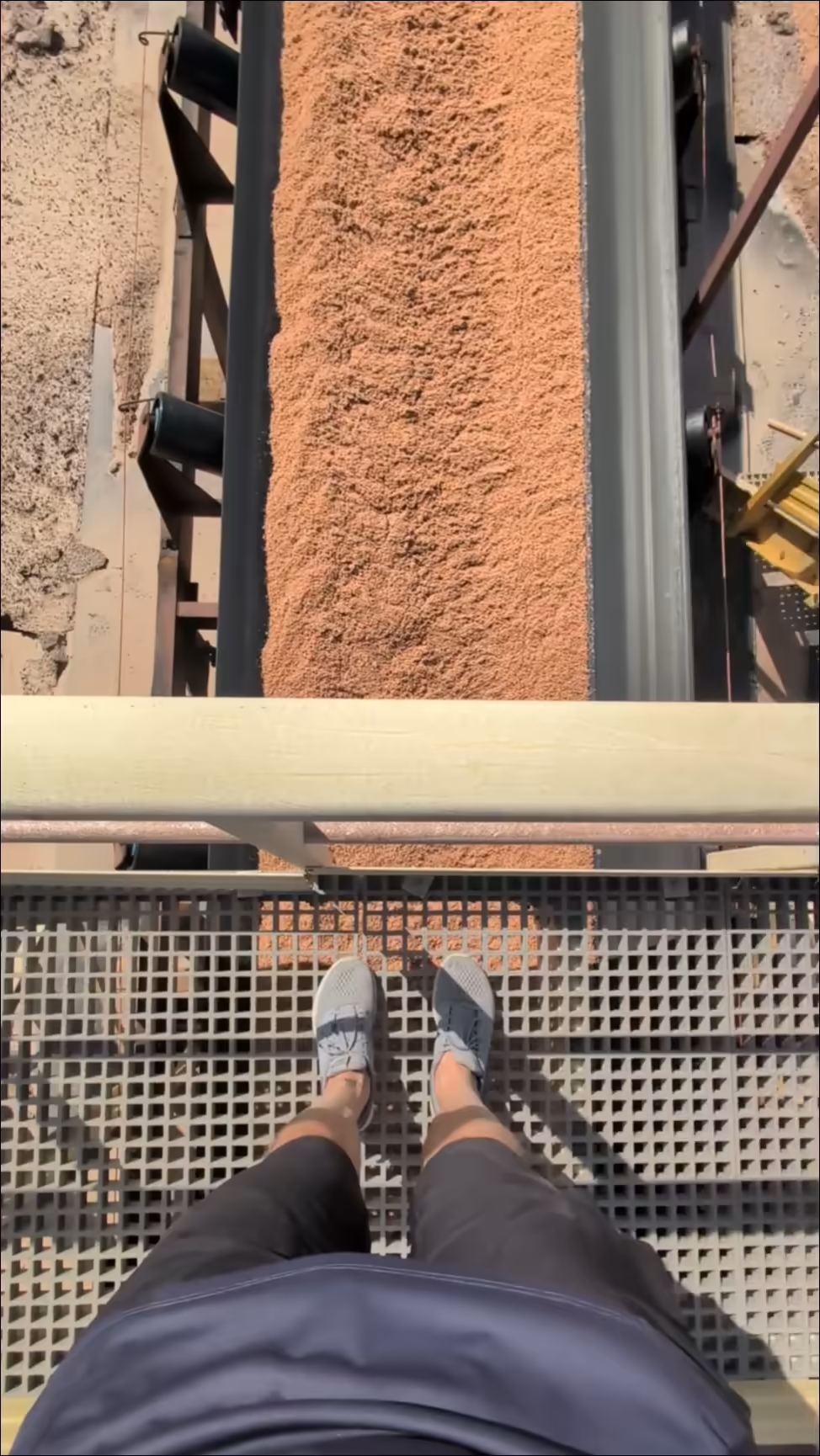
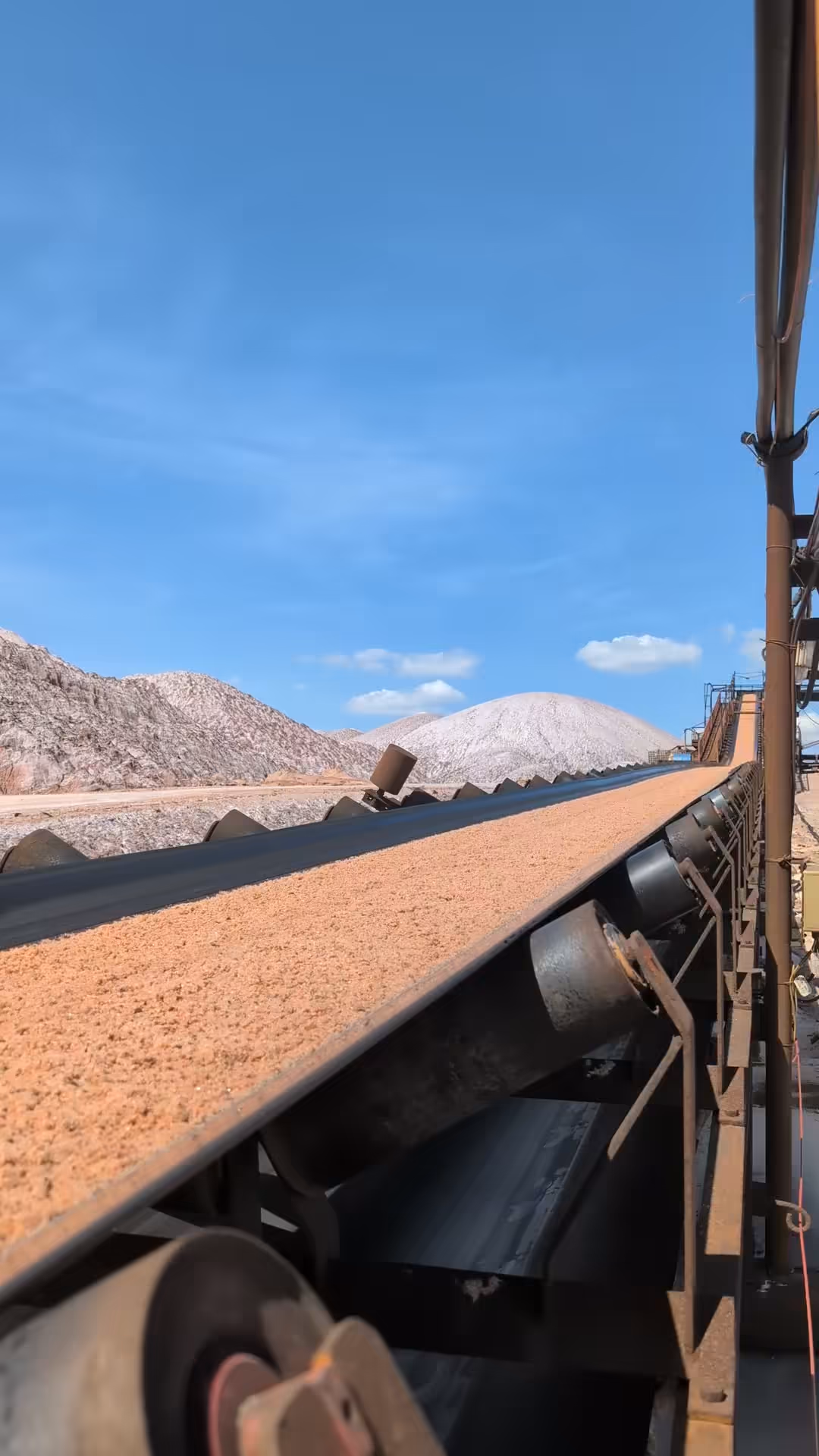
And here’s the construction process itself.
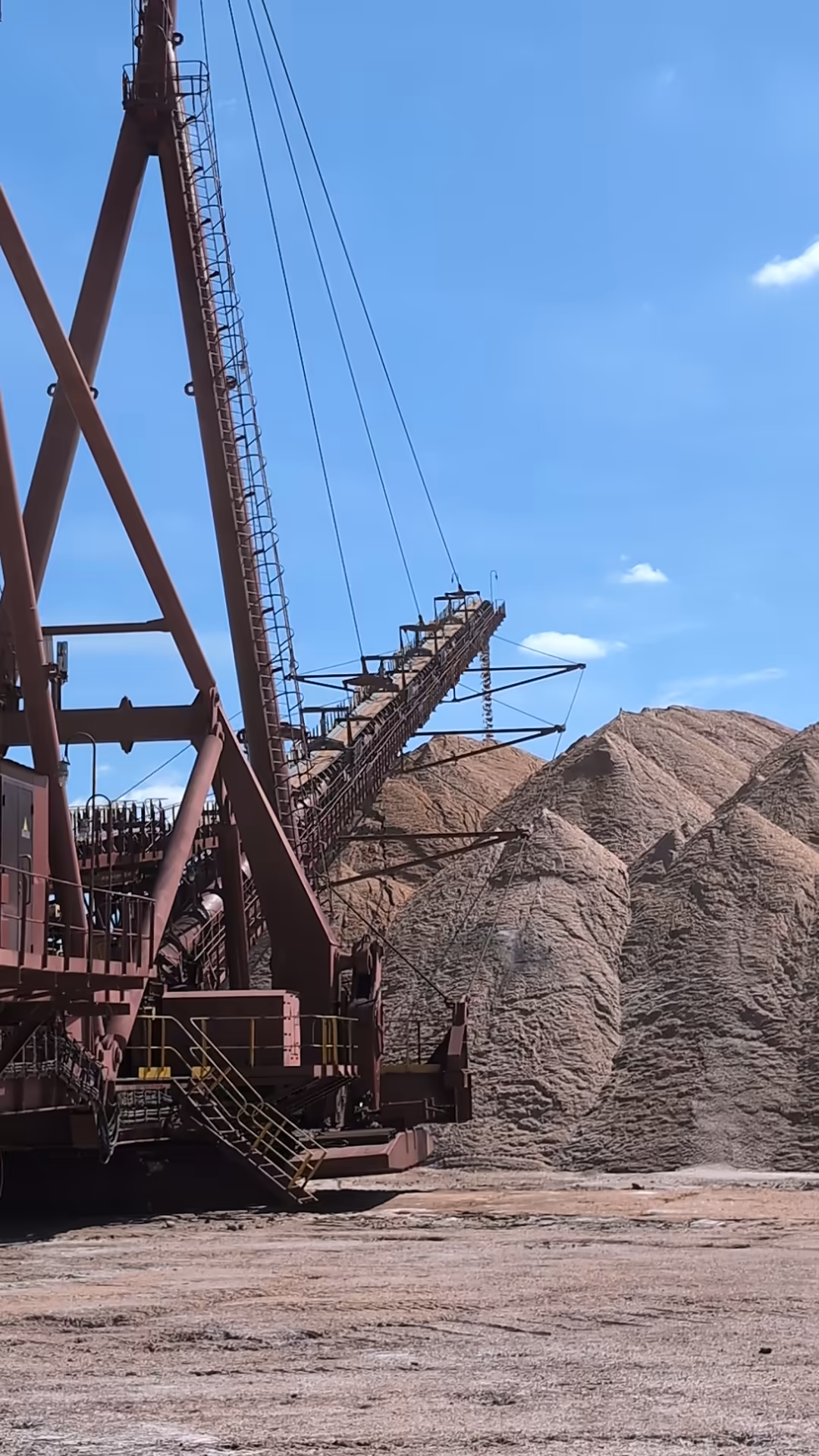
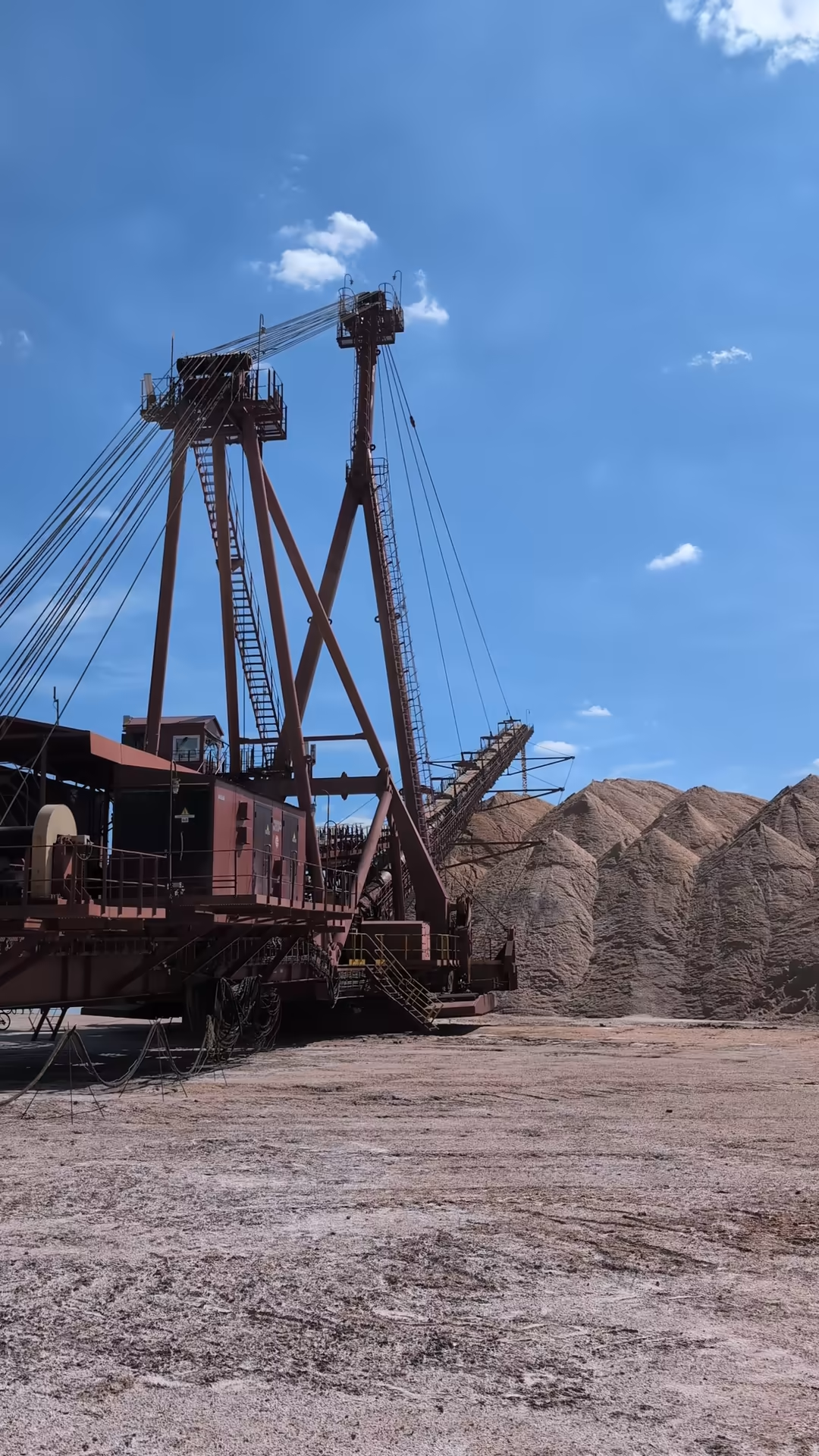
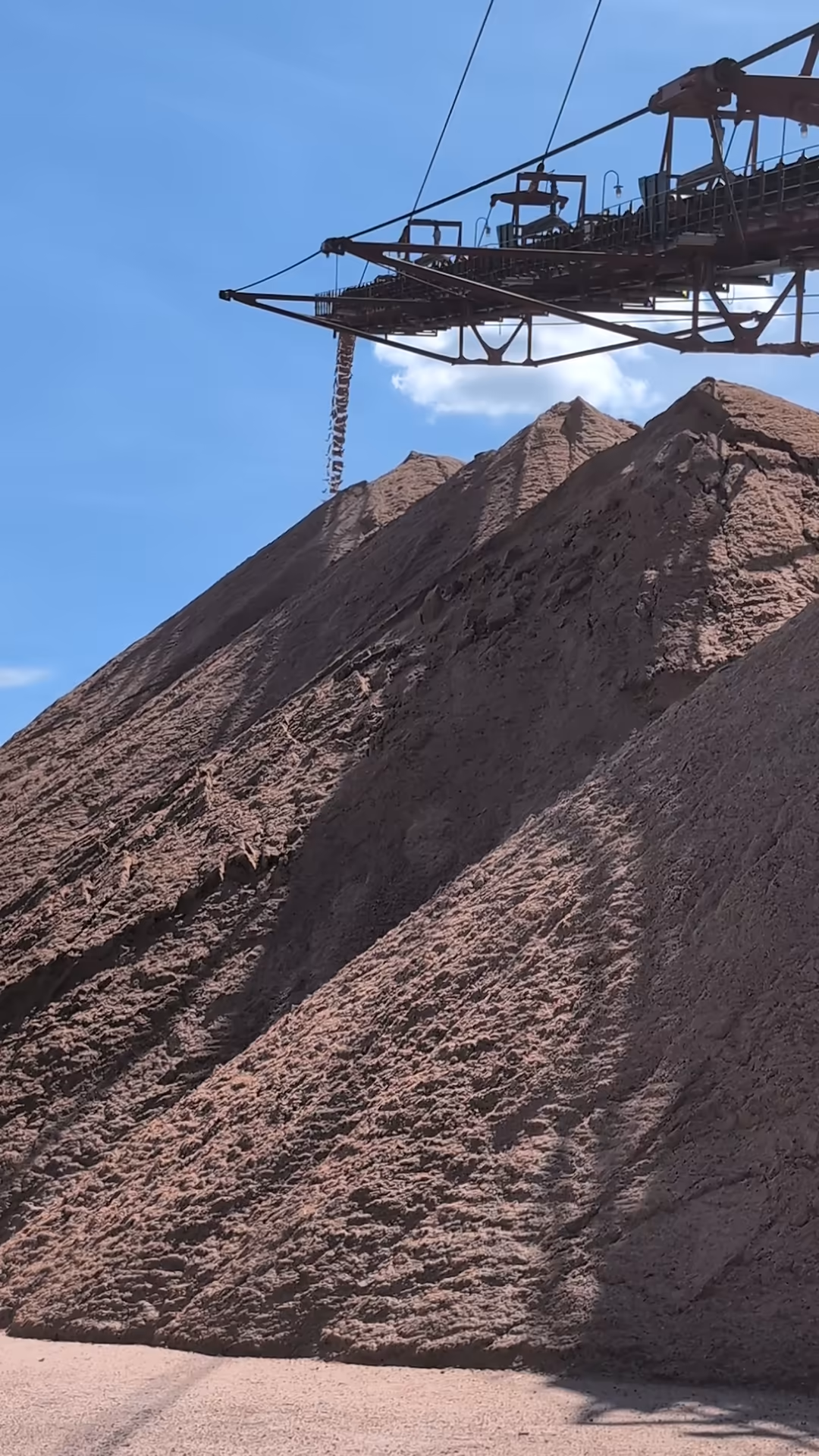
A lot of cyclists stop here again to take photos. Some come over and ask us to take a picture of them. Others are filming creative shots.
From here, there’s a view of the tailings ponds.
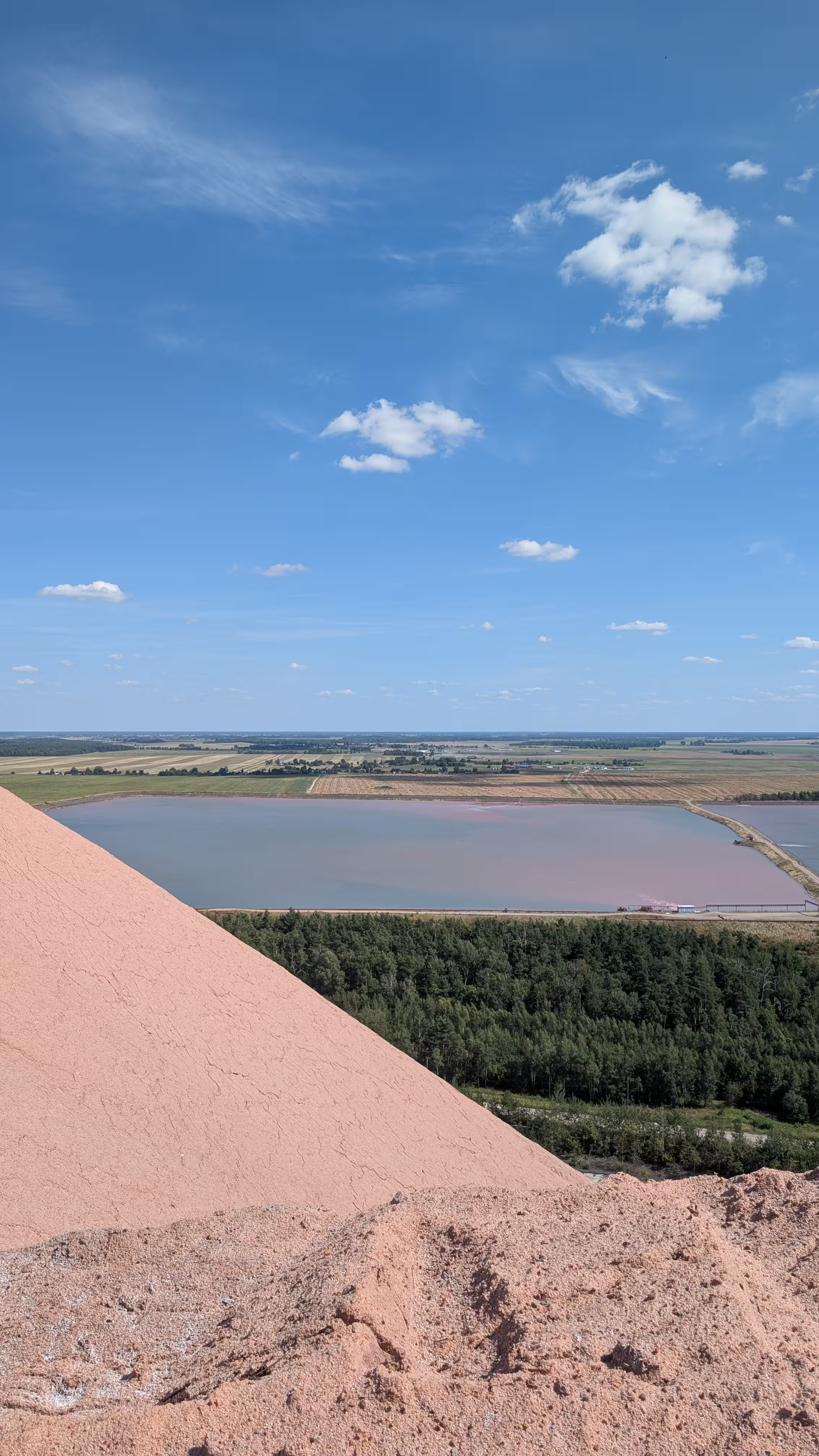
These aren’t ordinary lakes, but industrial reservoirs belonging to Belaruskali—settling ponds filled with highly mineralized brine. Sludge-containing water from the potash ore processing plant is pumped into them through pipelines: a mixture of brine and fine clay-and-salt particles. In the ponds, the solid material settles to the bottom, while the clearer brine is pumped back to the processing plant and reused in the production process.
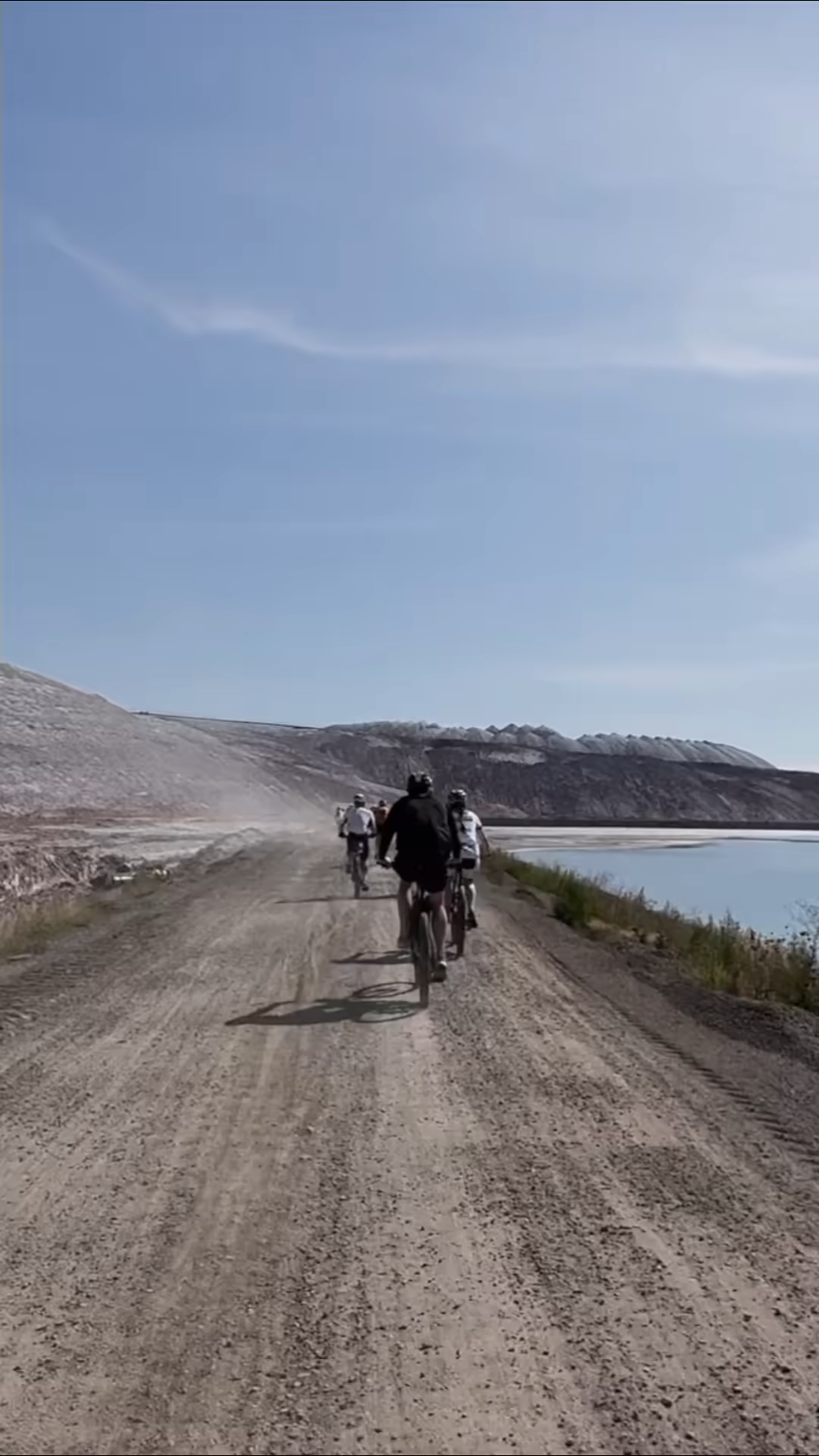
We keep riding and enjoying the views.
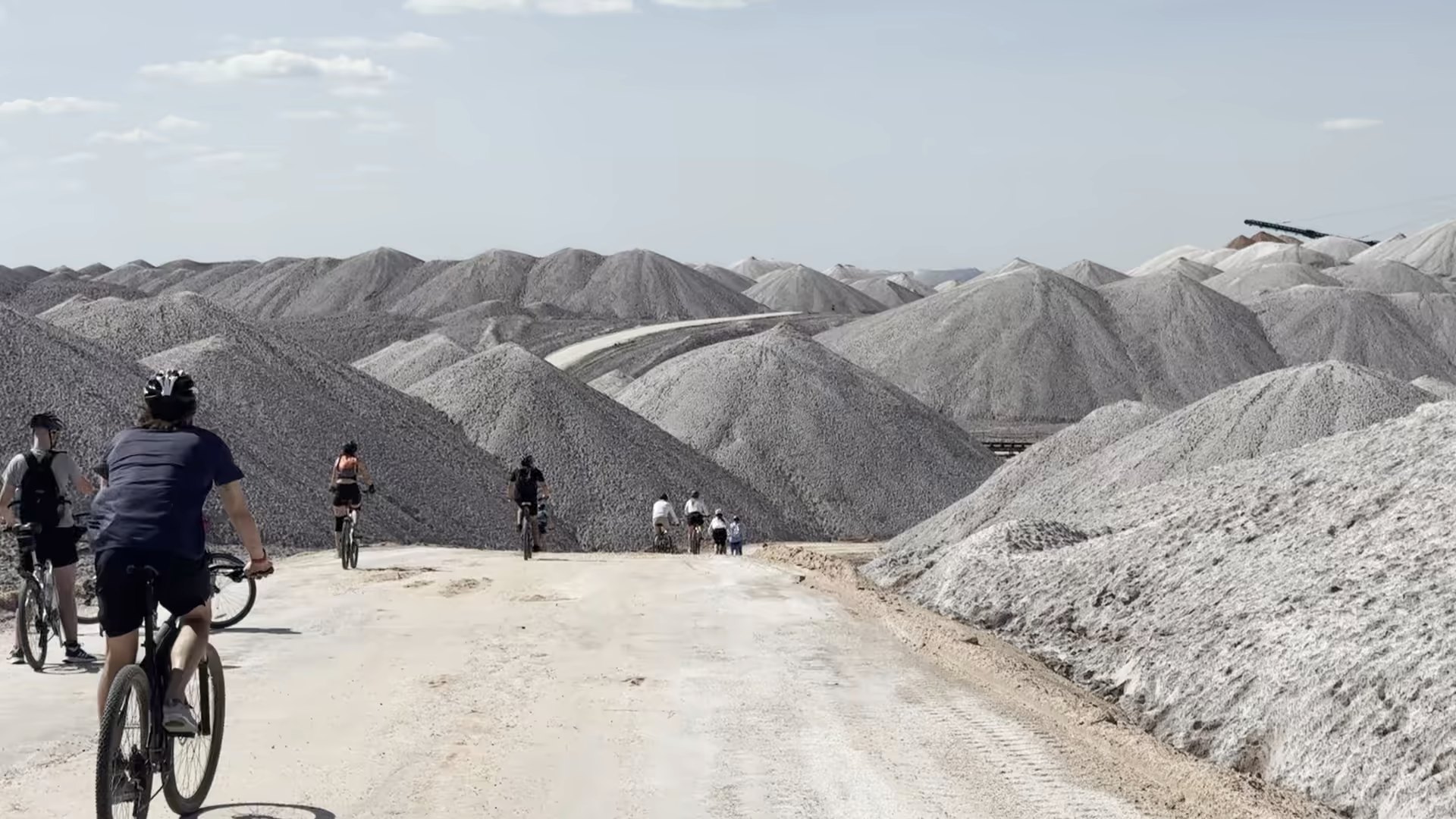
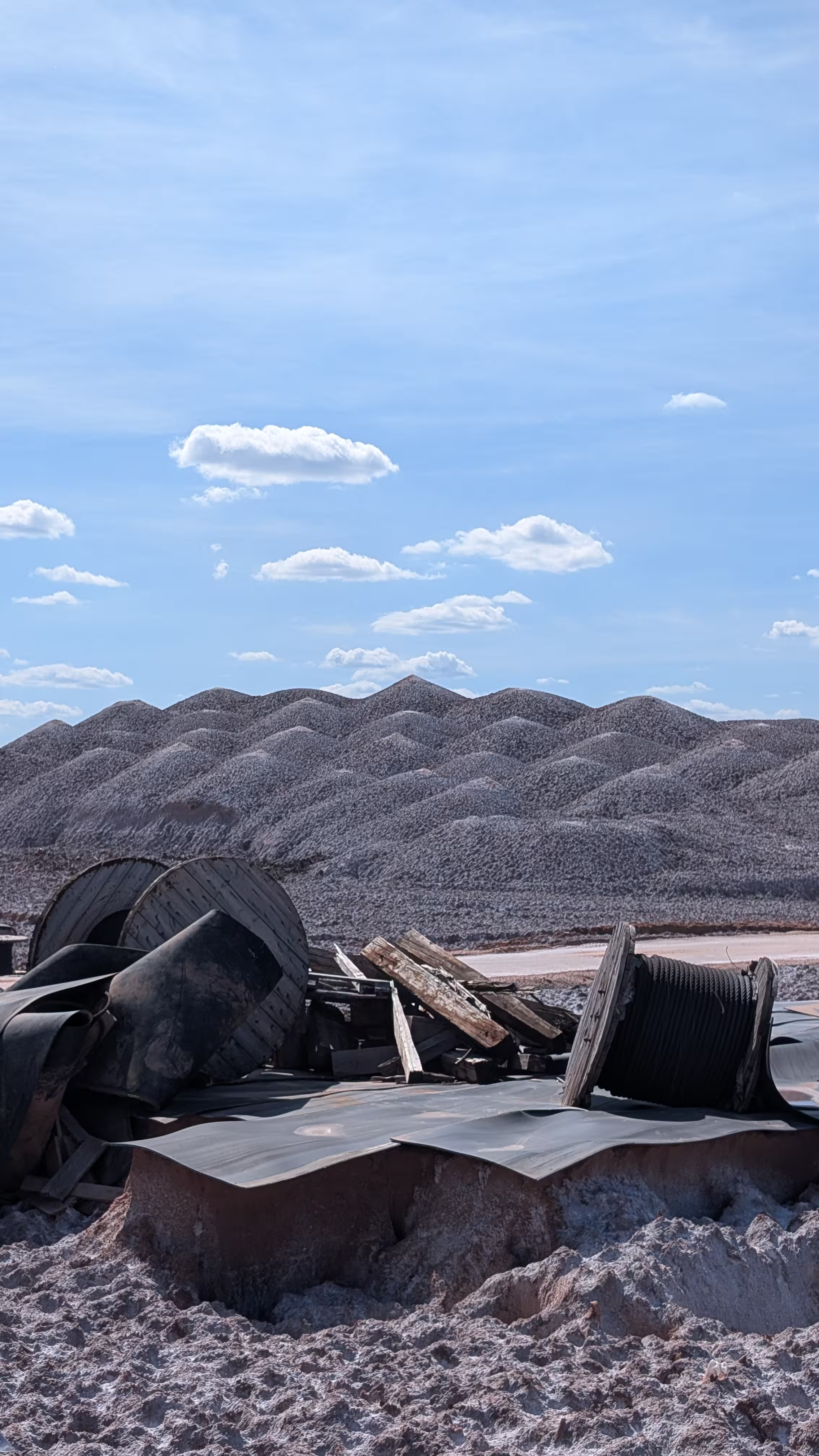
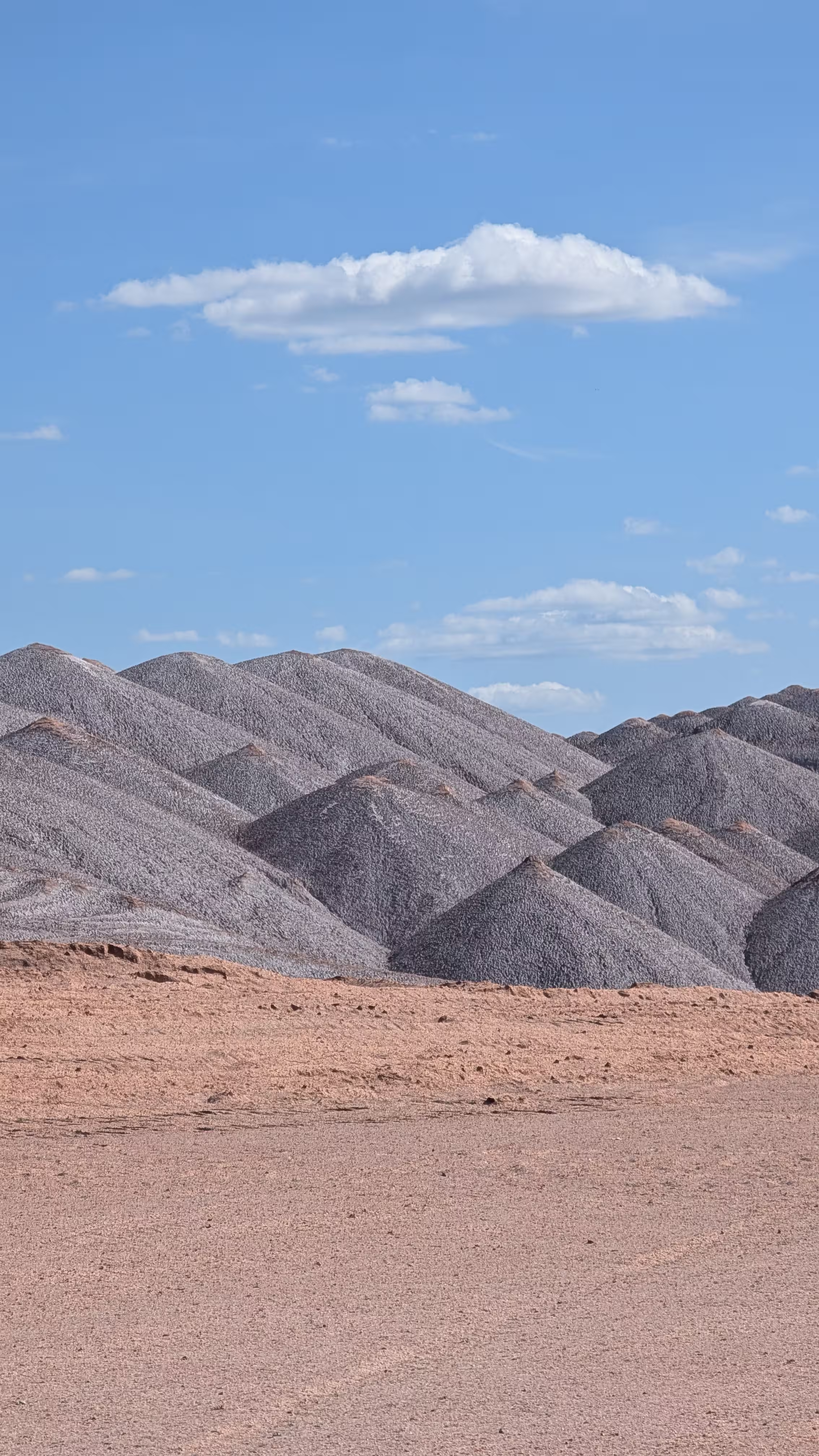
We keep riding and approach another machine, which turns out to be the most monstrous-looking one we’ve seen along the way.
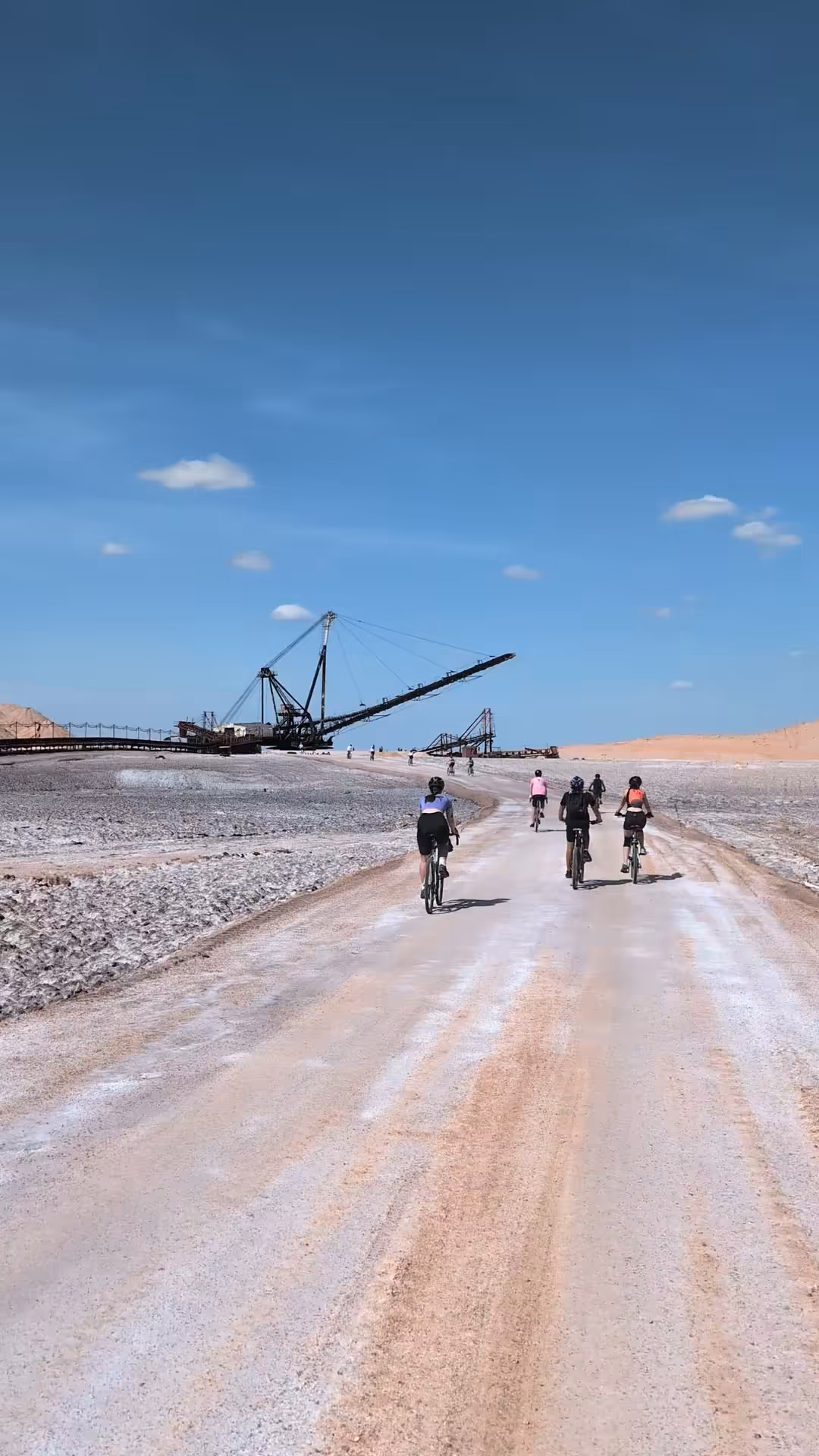


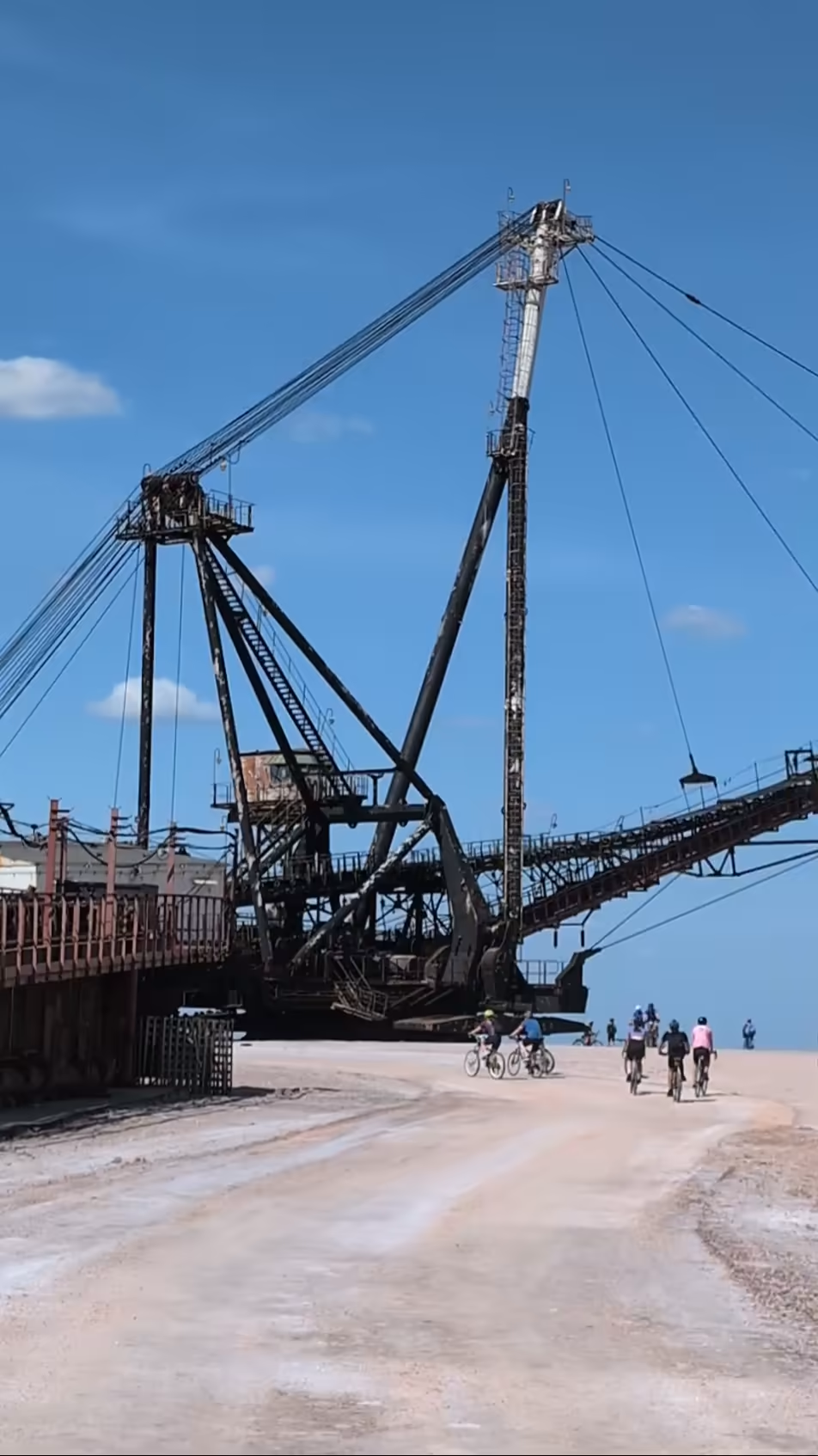
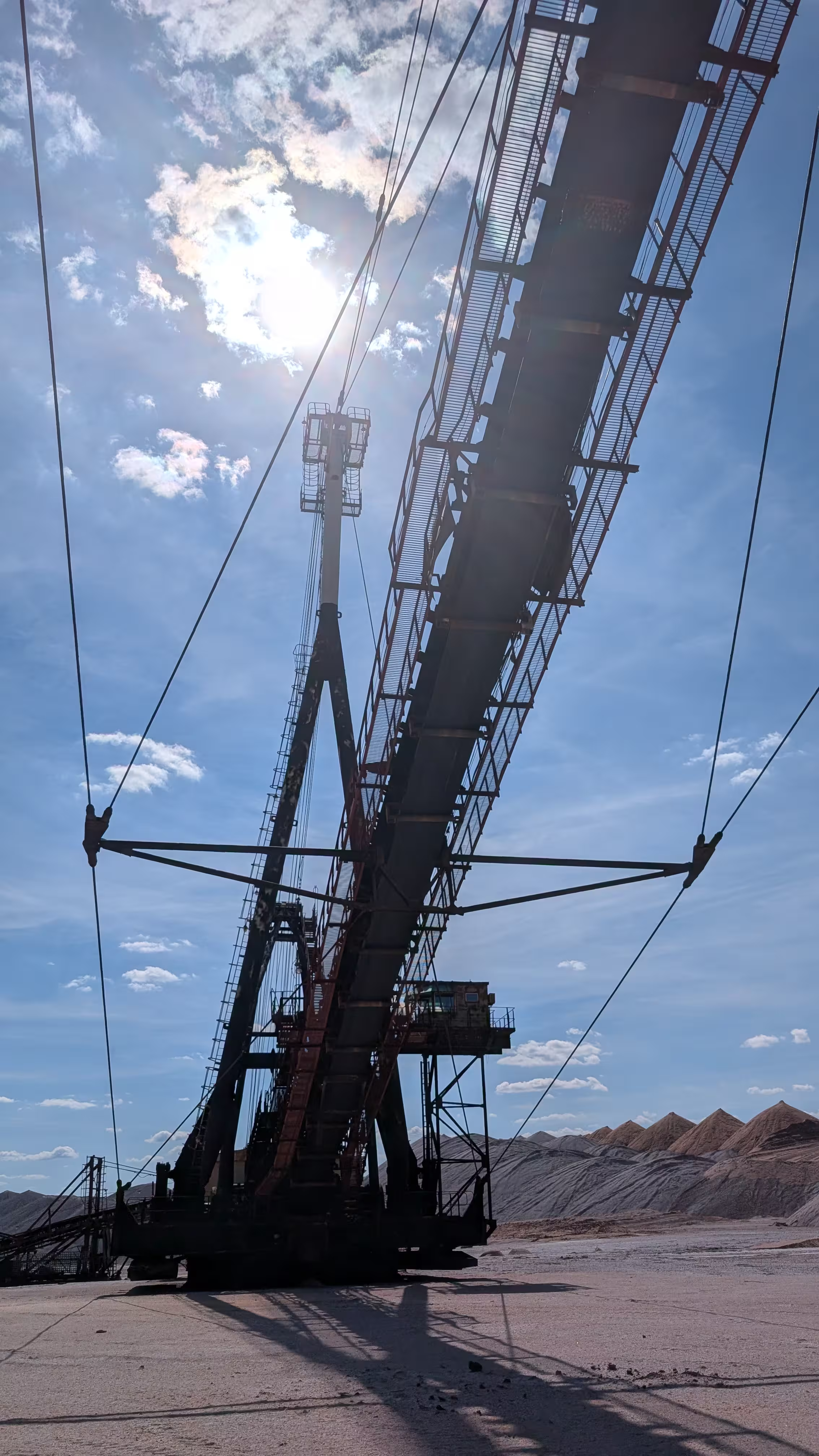
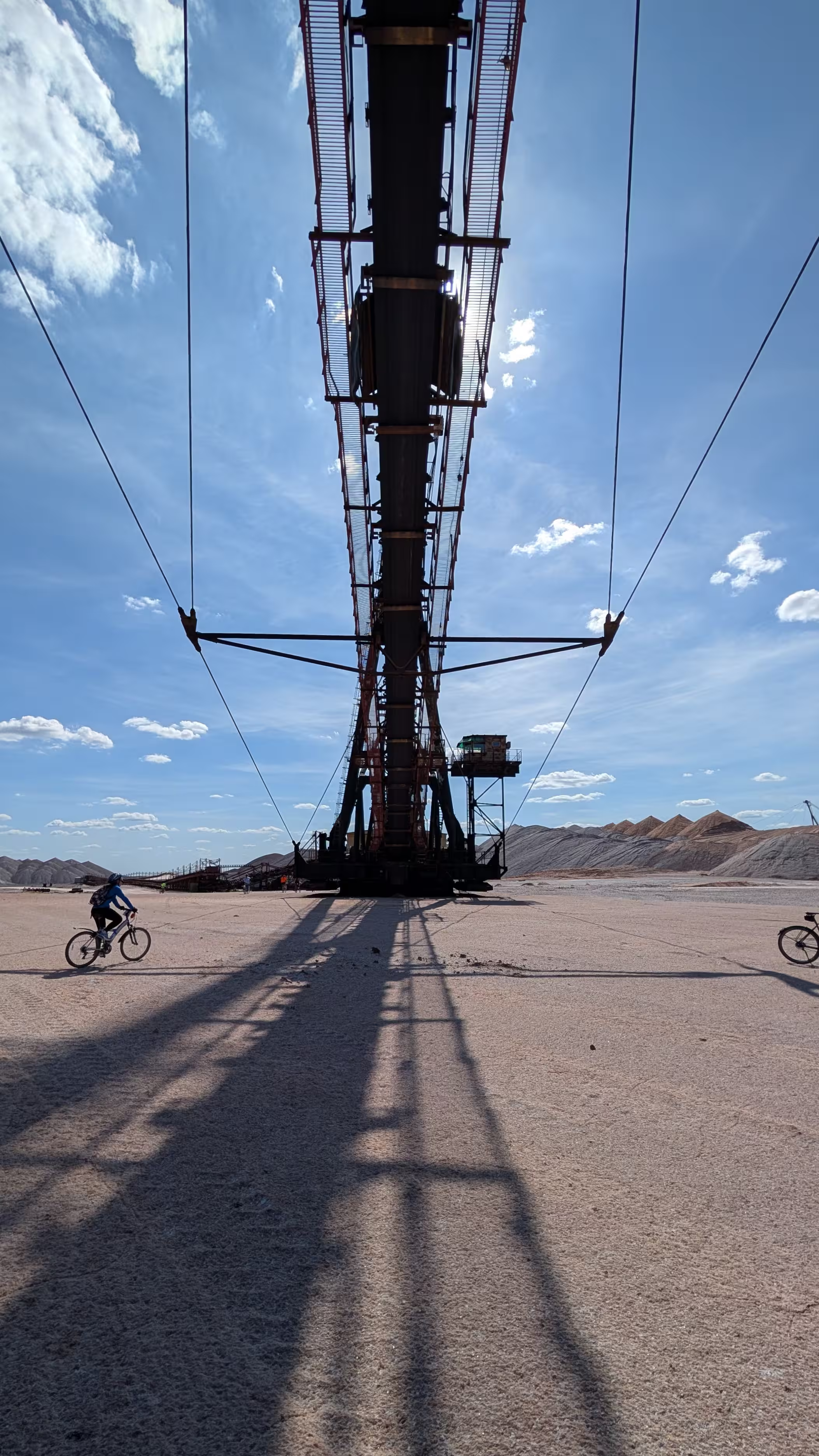
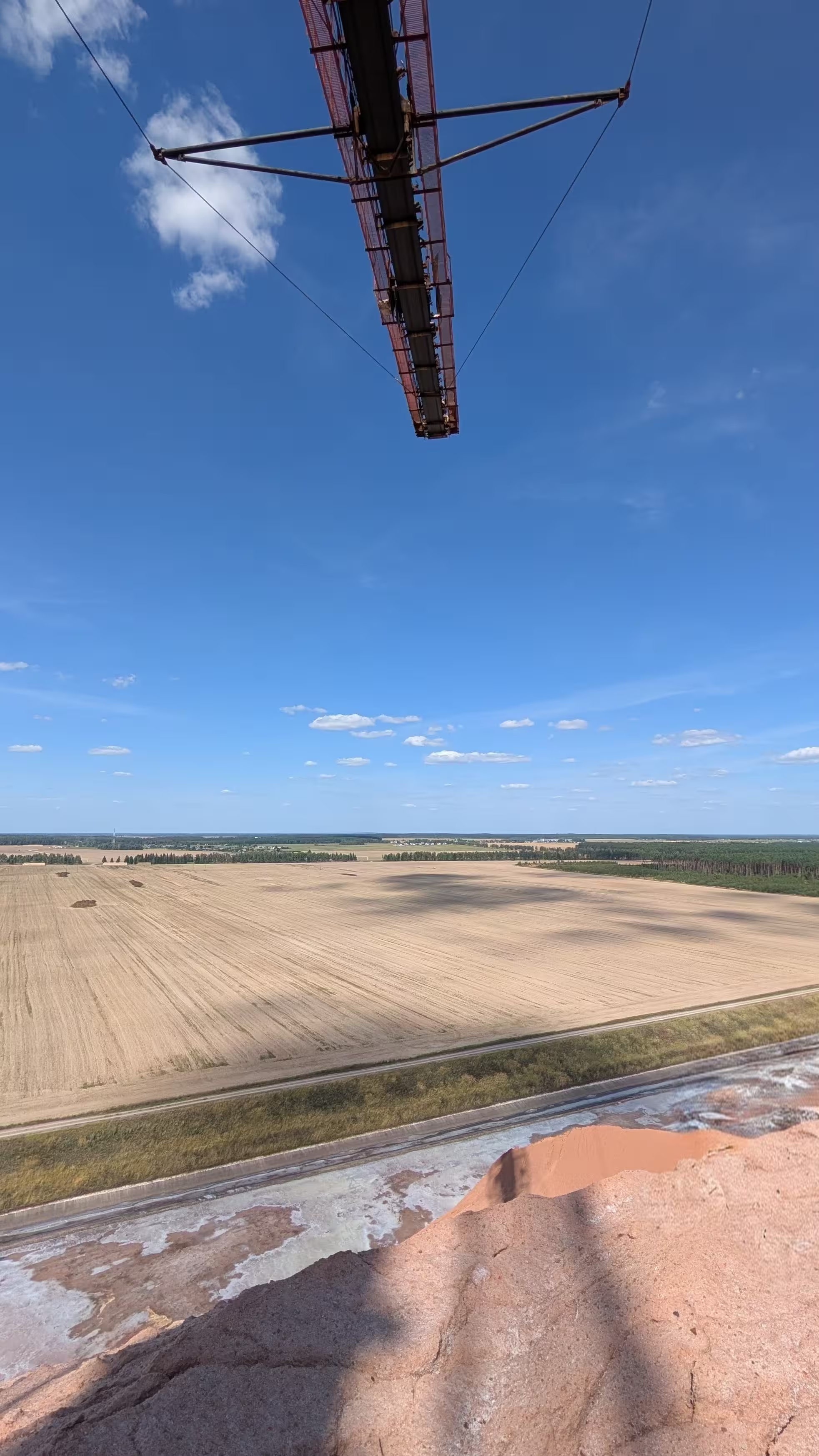
View:
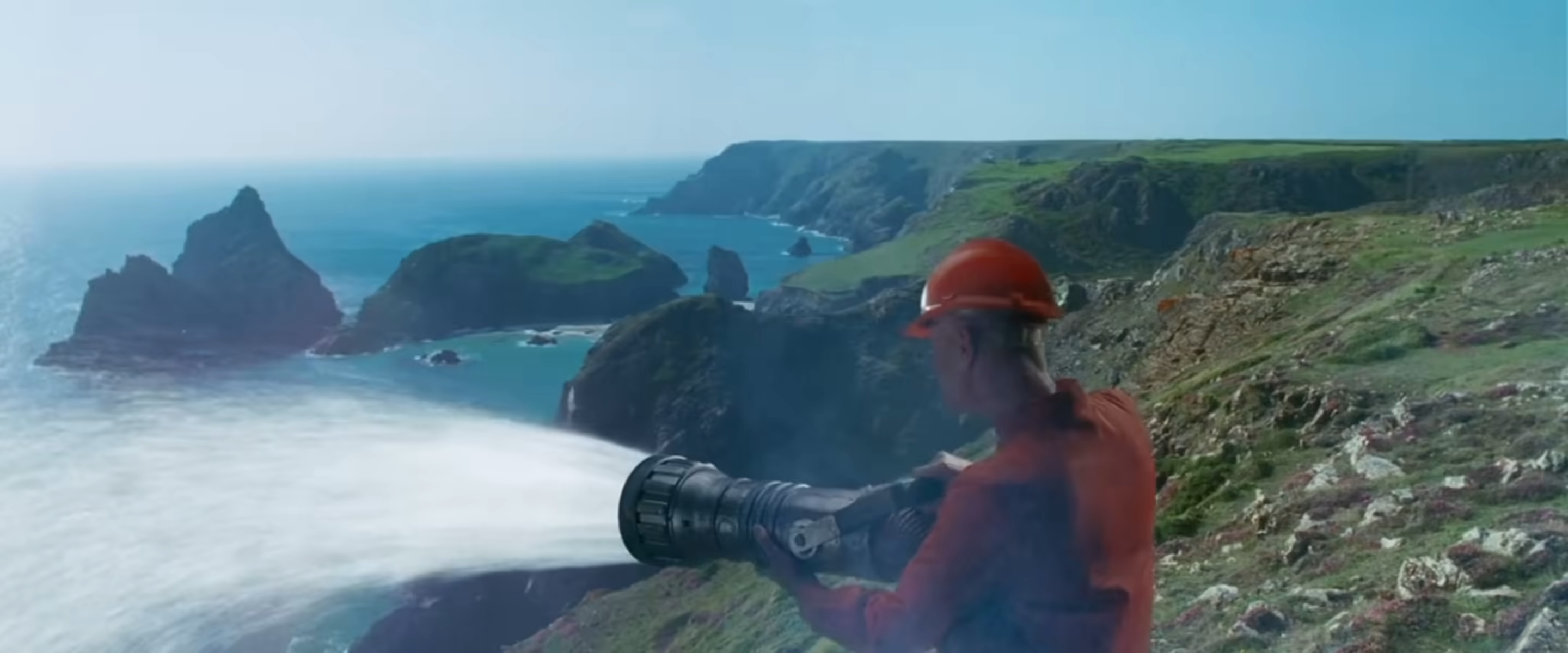
It reminded me of the scene from “The Hitchhiker’s Guide to the Galaxy” where they were finishing up the landscape of Earth 2.
Beautiful shadows from the clouds!
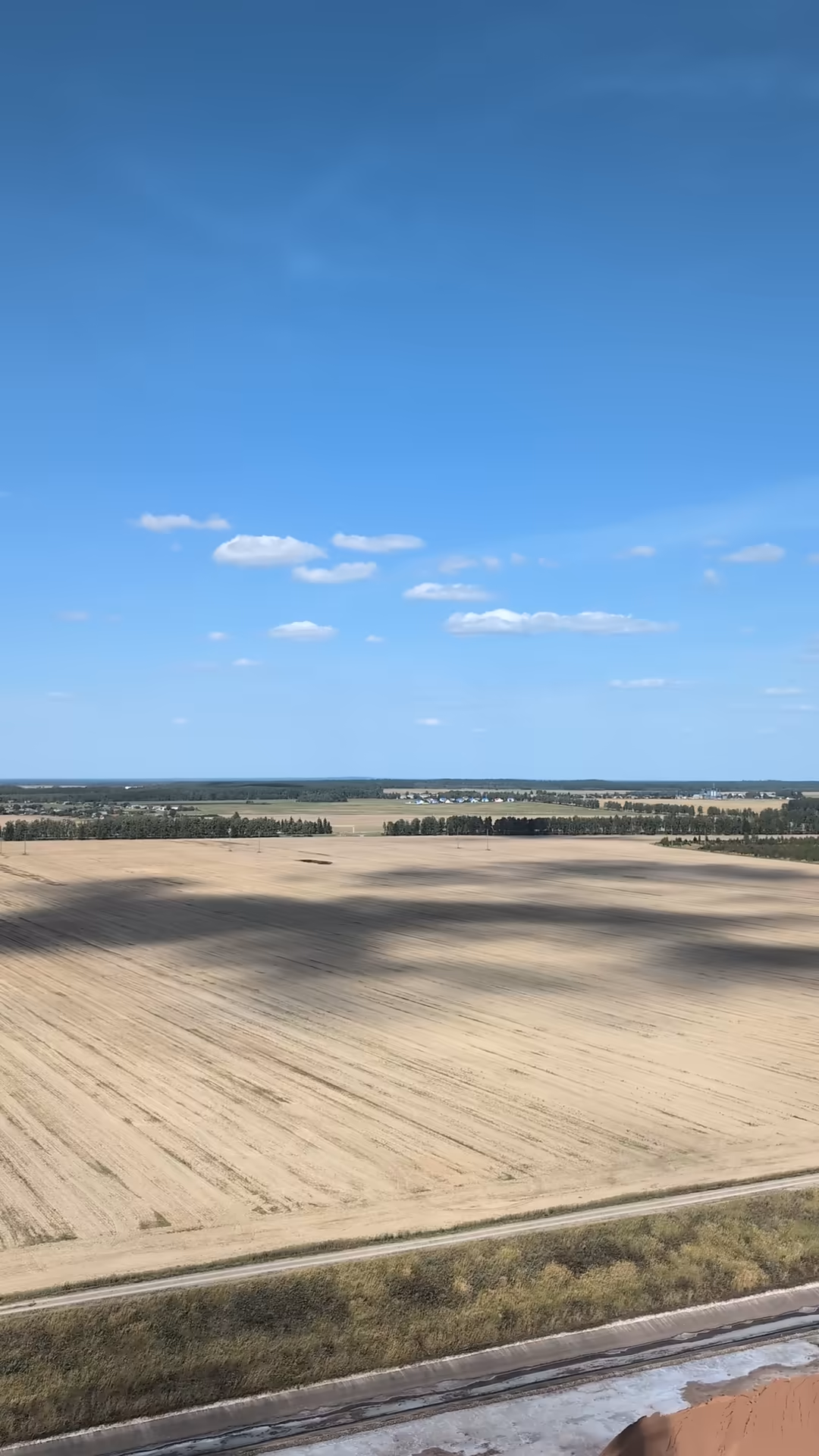
We take some photos and roll back down the spoil heap.
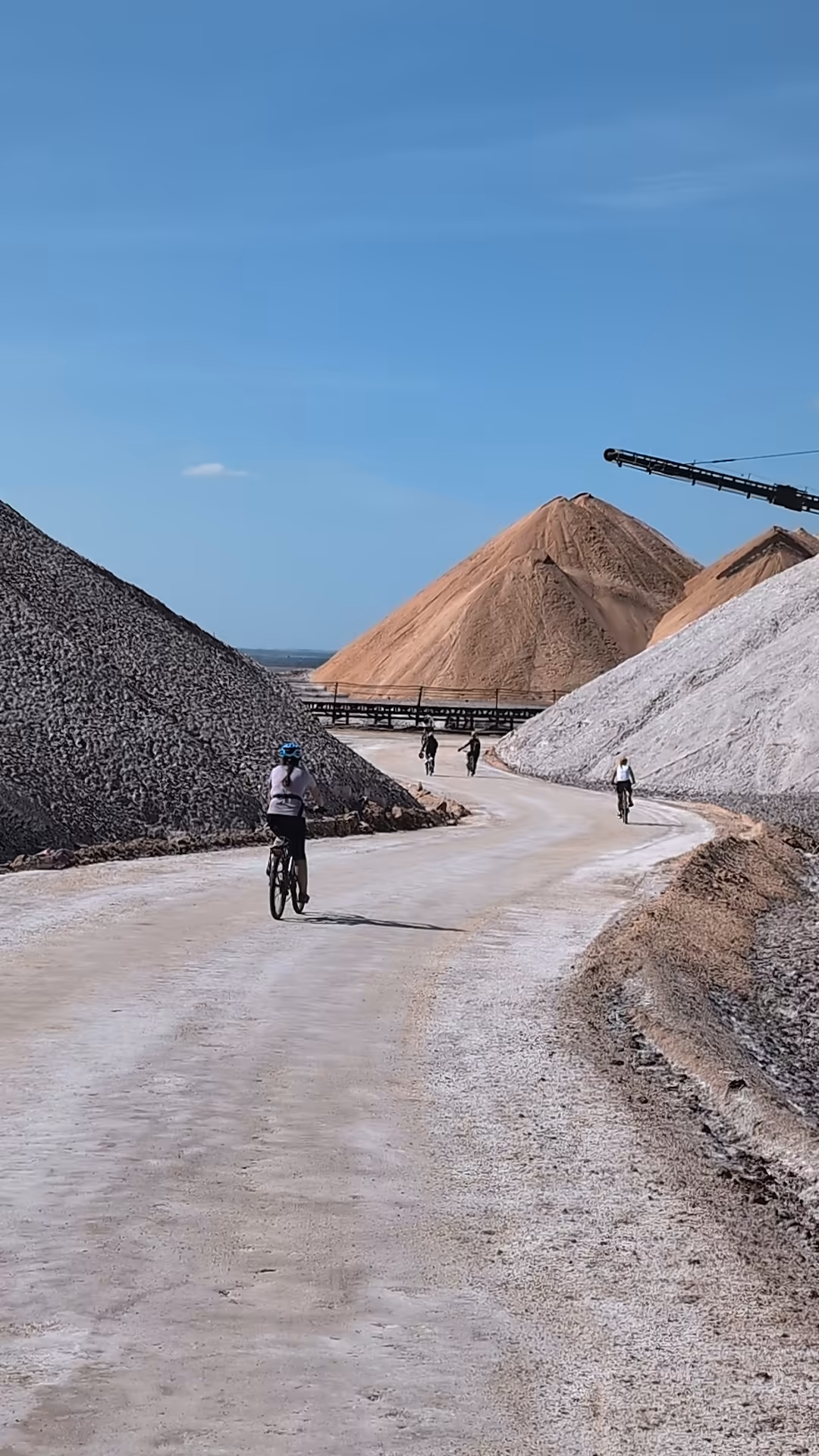
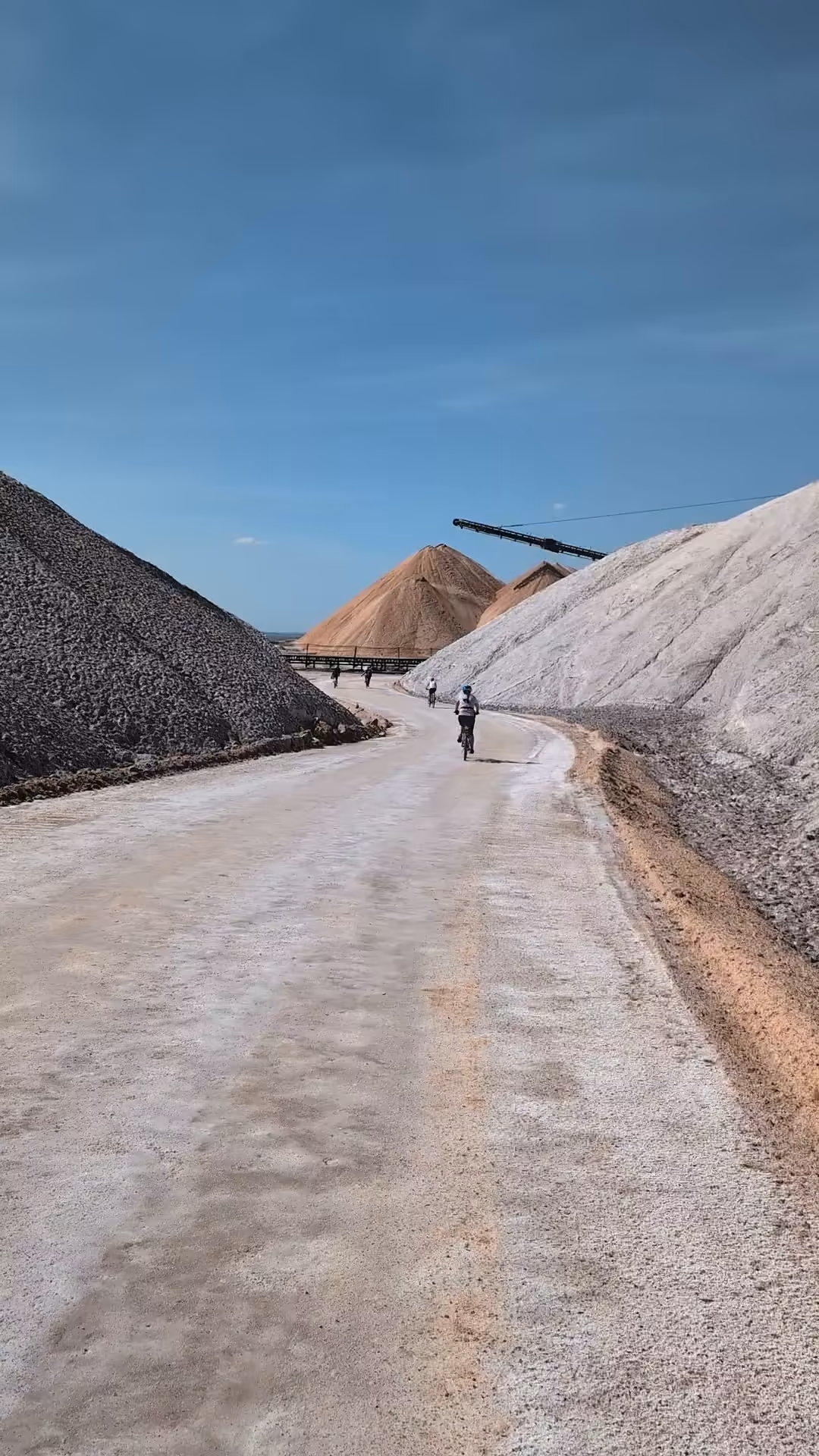
Posing for the photographer.

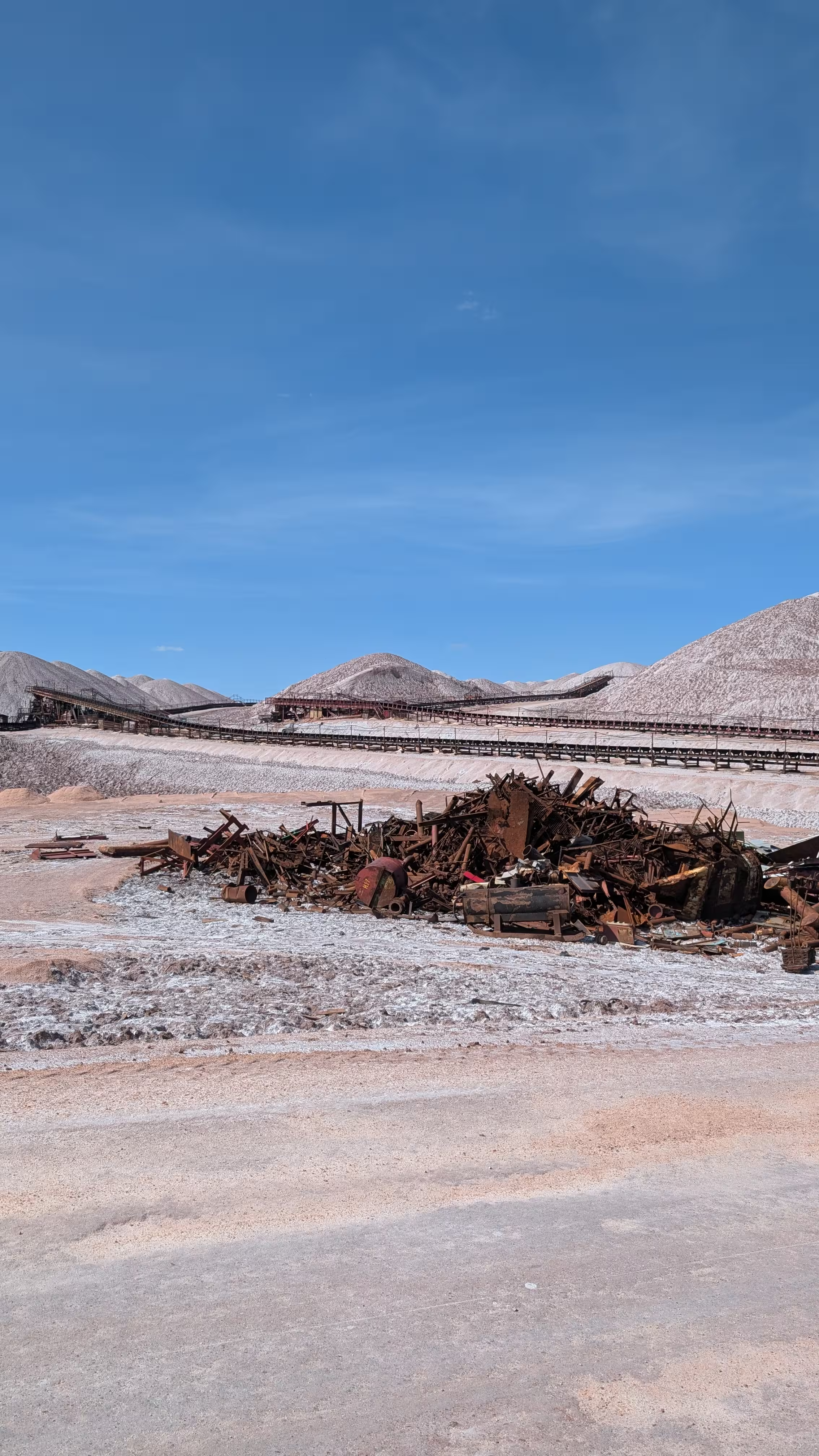
Getting some “Mad Max” vibes.
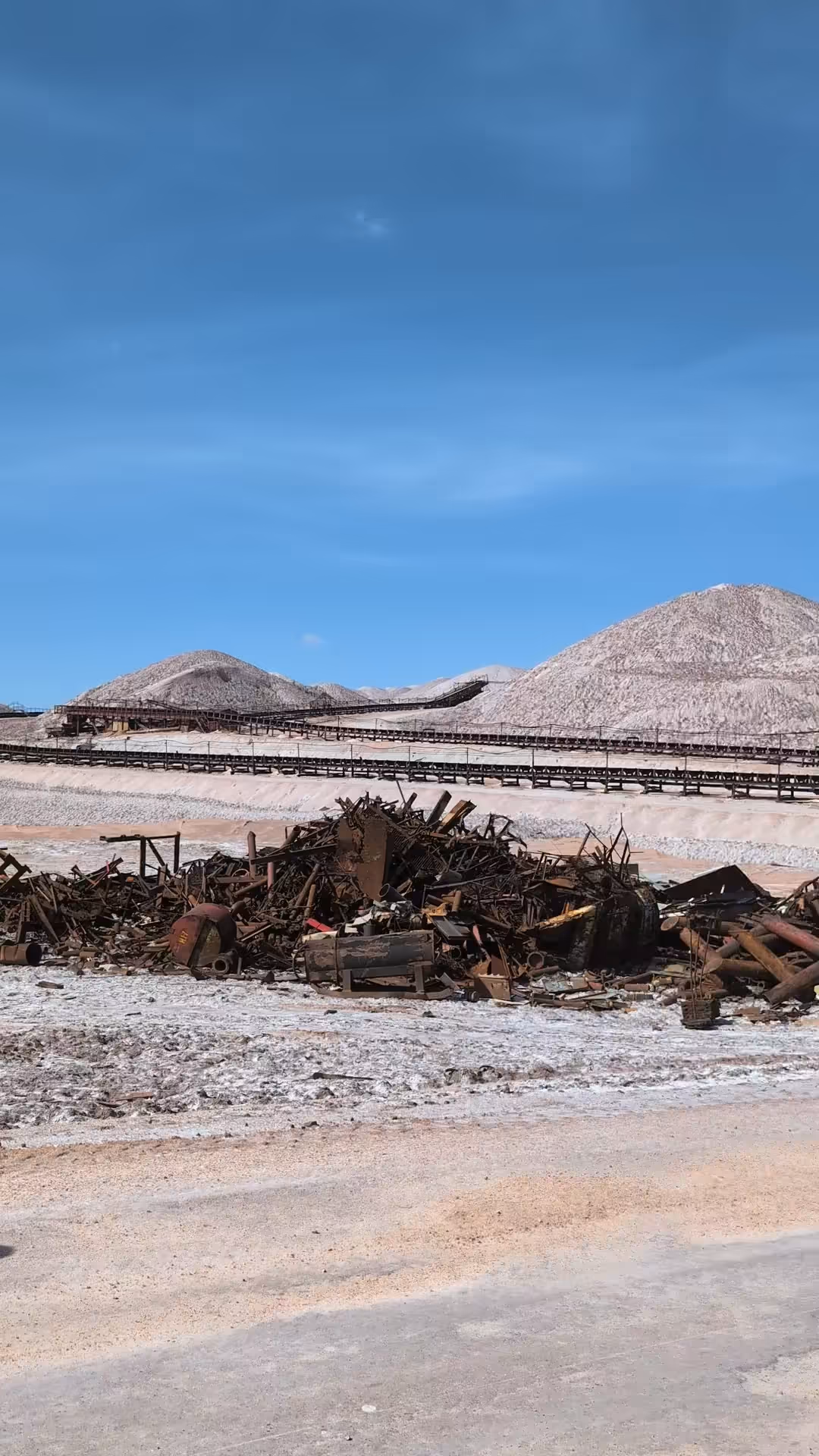
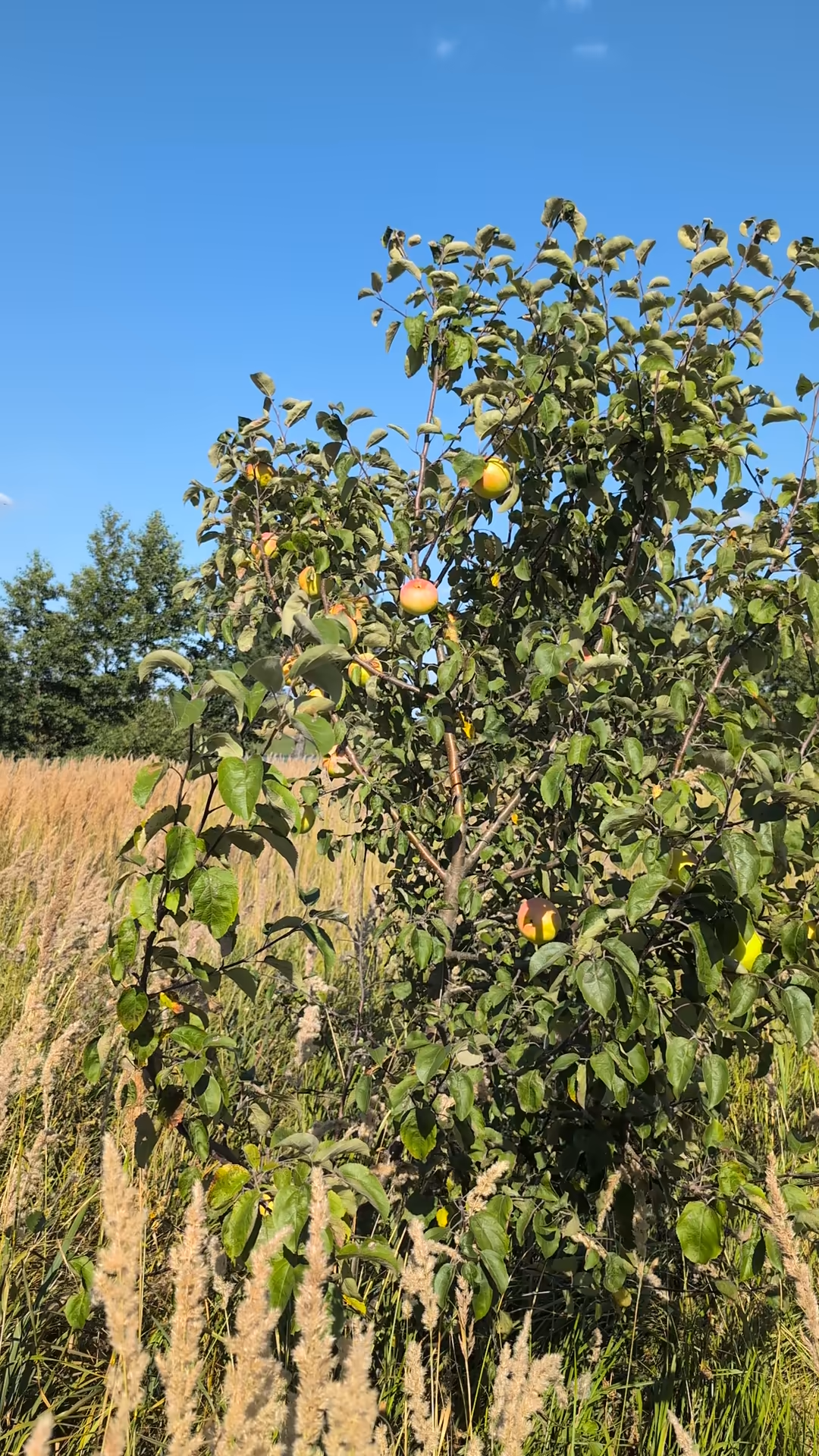
At the pit stop around kilometer 60, I found an apple tree with some really tasty apples.
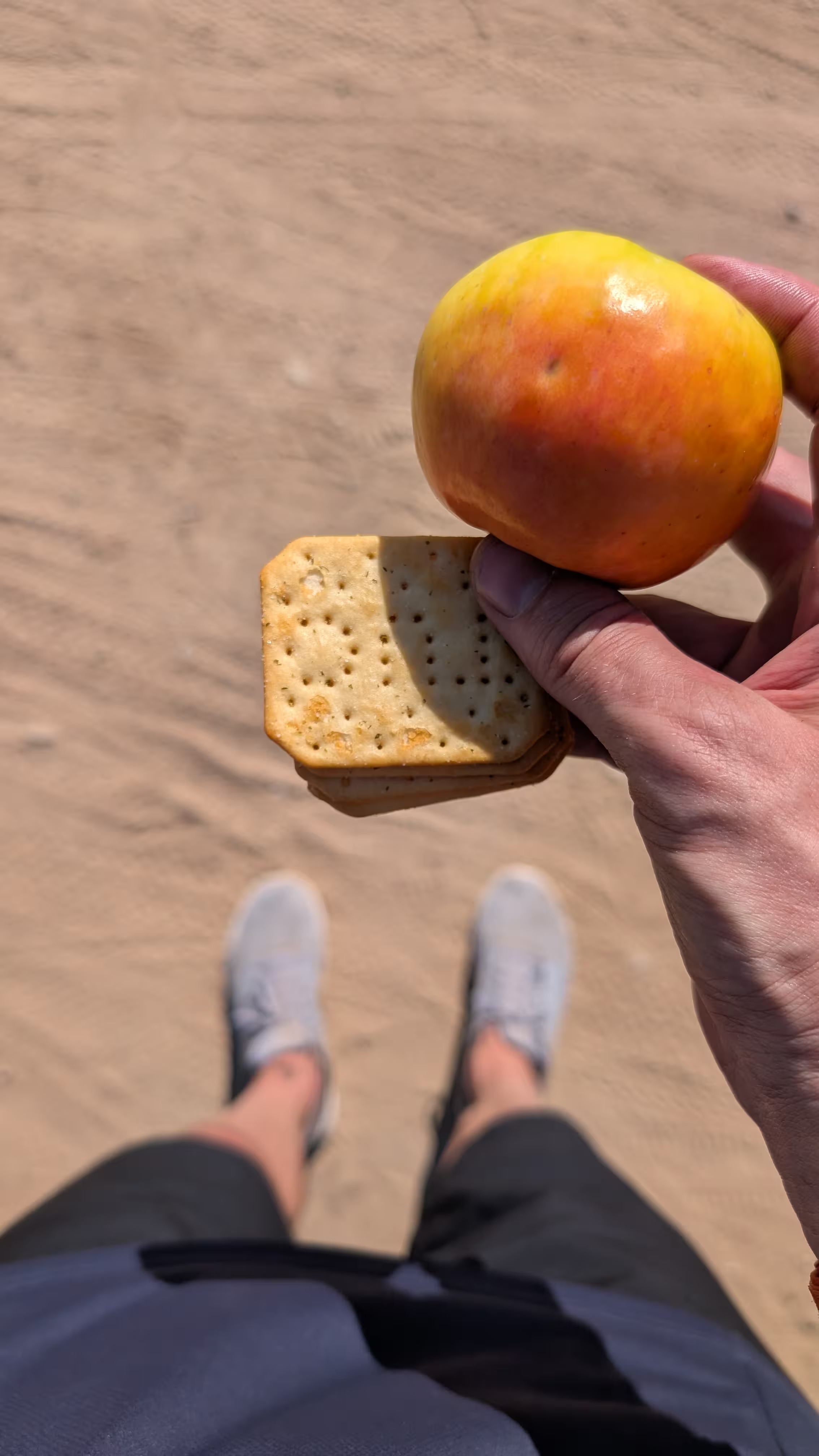
By this point, we’d been riding for about six hours, and the apple with some crackers really hit the spot! I couldn’t stomach anything sweet anymore, but the apple and crackers were so satisfying to munch on.
Cooling off.
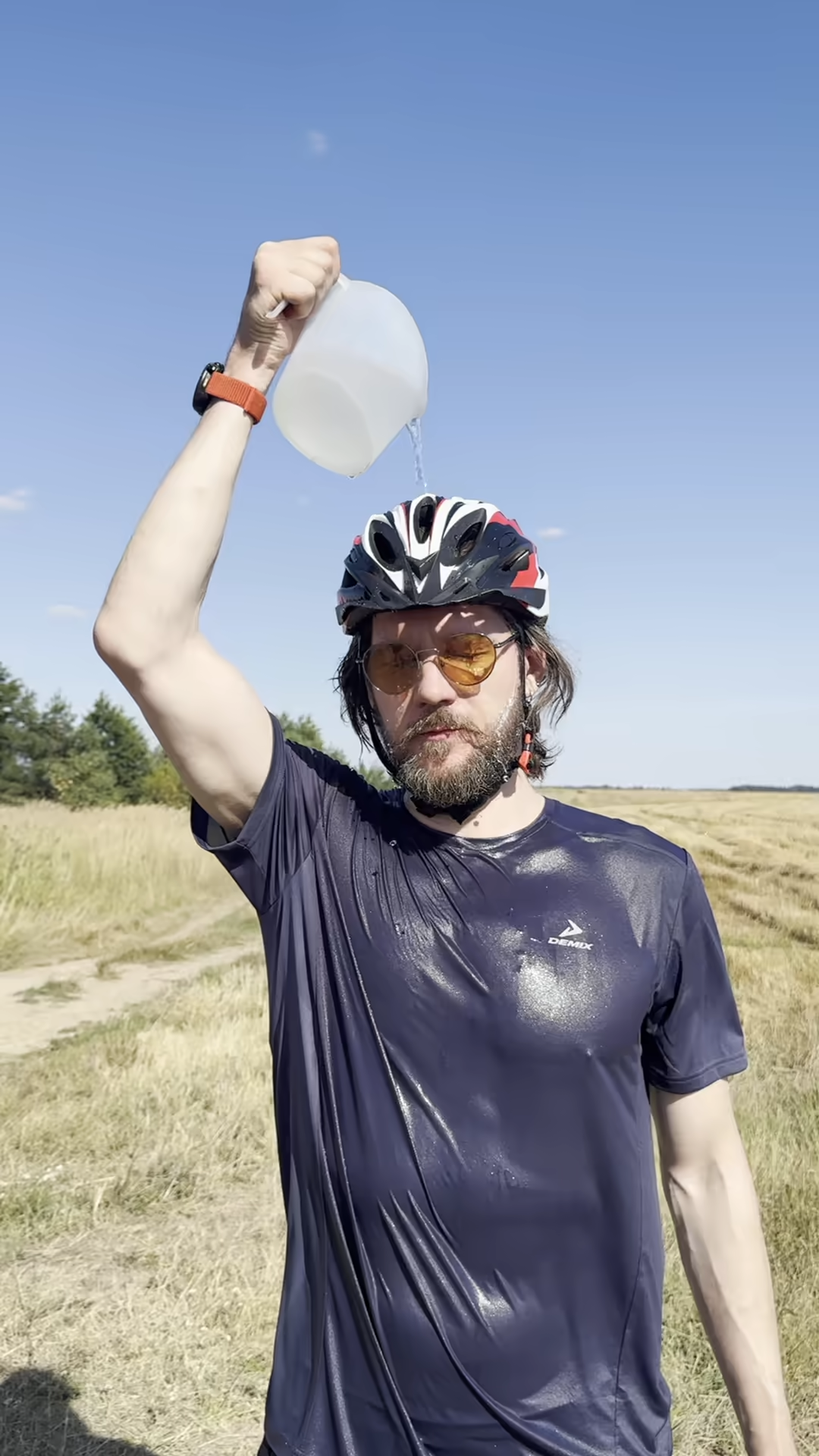
It turned out to be a hot, sunny day. By this point, we were regularly seeing people who were completely exhausted: some were getting muscle cramps, and some were suffering from heat exhaustion. The ride definitely wasn’t easy for everyone.
We make it back down. One last look at the spoil heaps.
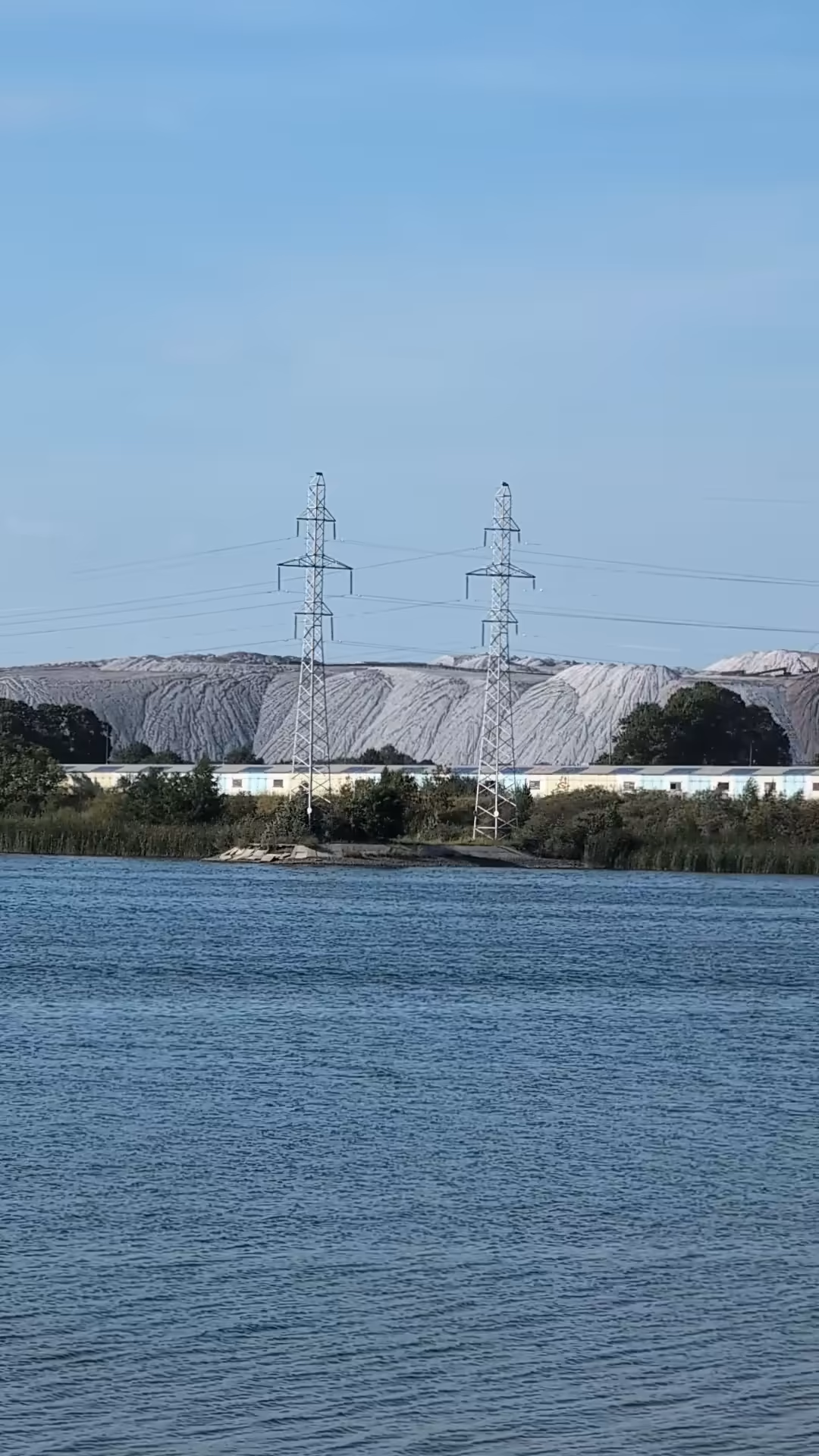
In the distance, you can see the covered conveyor belt. As I understand it, the conveyors are enclosed in protective housings up to the restricted area, while inside the restricted area they’re left open.
Before this ride, I knew nothing about spoil heaps, potash mining, or fertilizer production. As I rode along the route, the whole picture started to come together:
— Where you can see the headframes (the towers) that’s where the mine shafts are. The ore is extracted underground and brought up to the surface.
— The ore goes to a processing plant, where potassium chloride (the future potash product) is separated from sodium chloride, or ordinary table salt.
— It takes several tons of ore to produce one ton of potash product.
— The rest is transported by conveyor to build up the spoil heaps. They’re about 90% ordinary salt.
— The sludge slurry is pumped through pipes into the tailings ponds (the lakes shown in the photos above). There, the solid particles settle out, while the brine is then returned to the production process.
⚙︎⚙︎⚙︎
I cross the finish line.
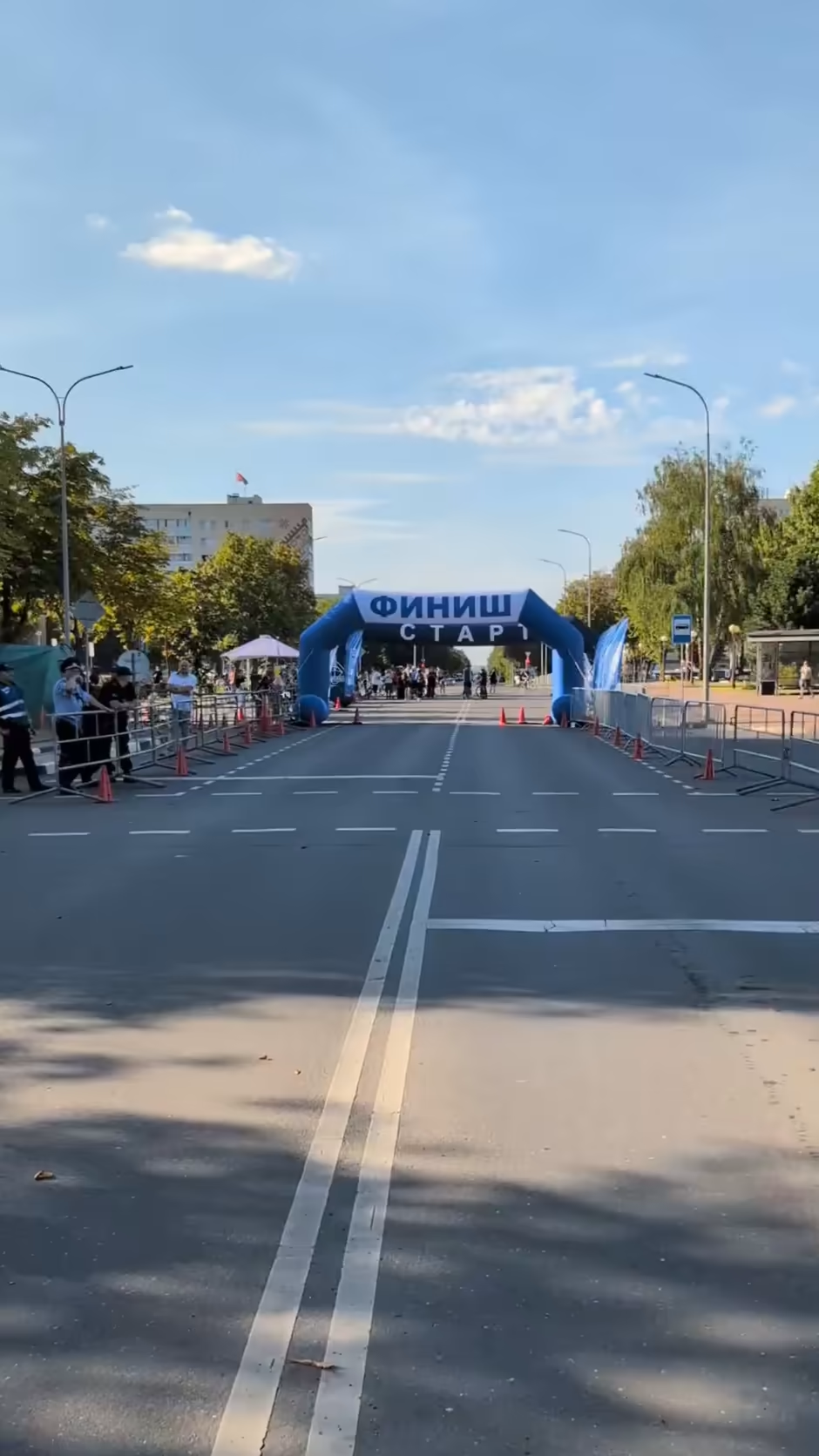
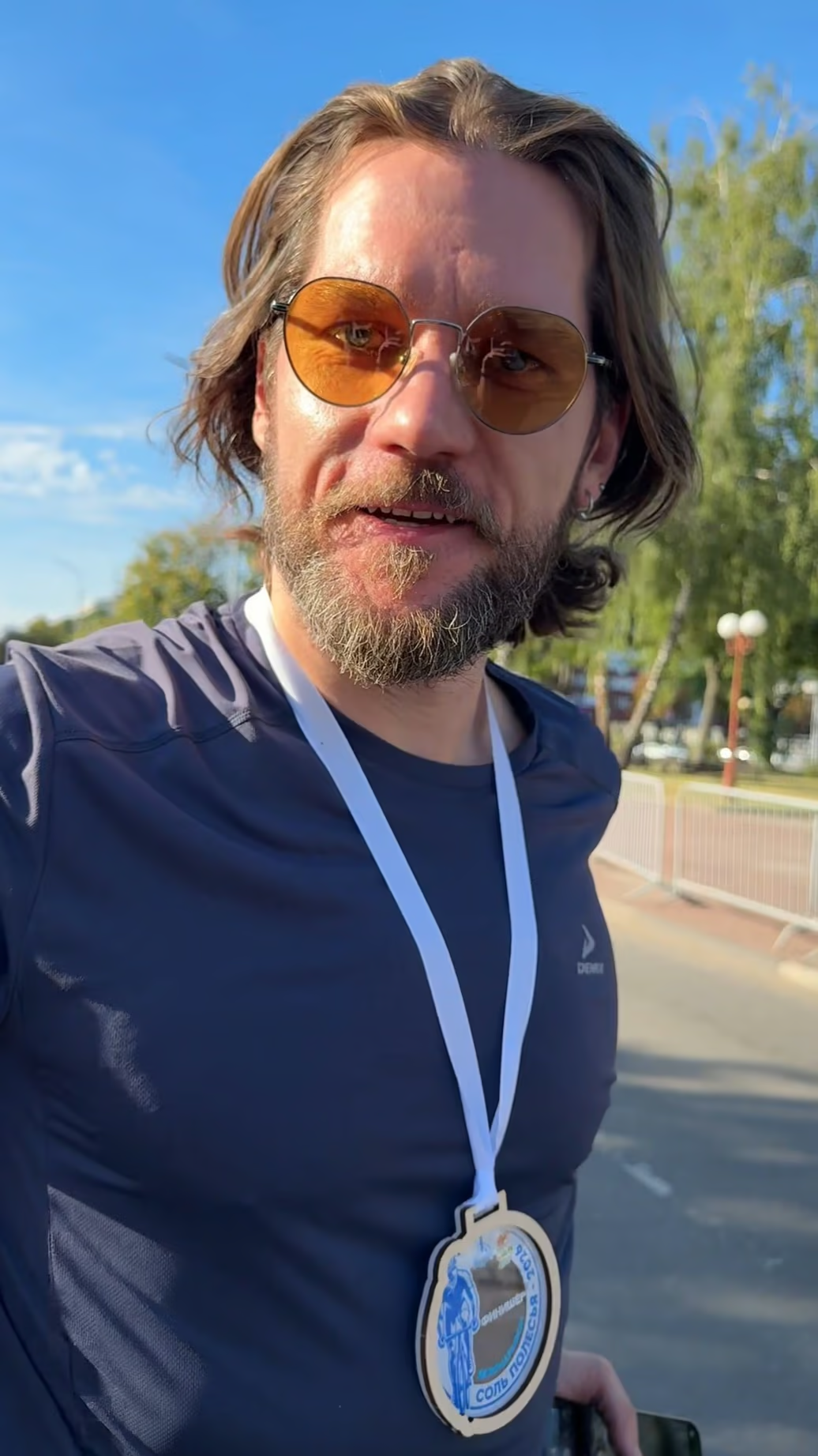
and get a medal. ɷ◡ɷ
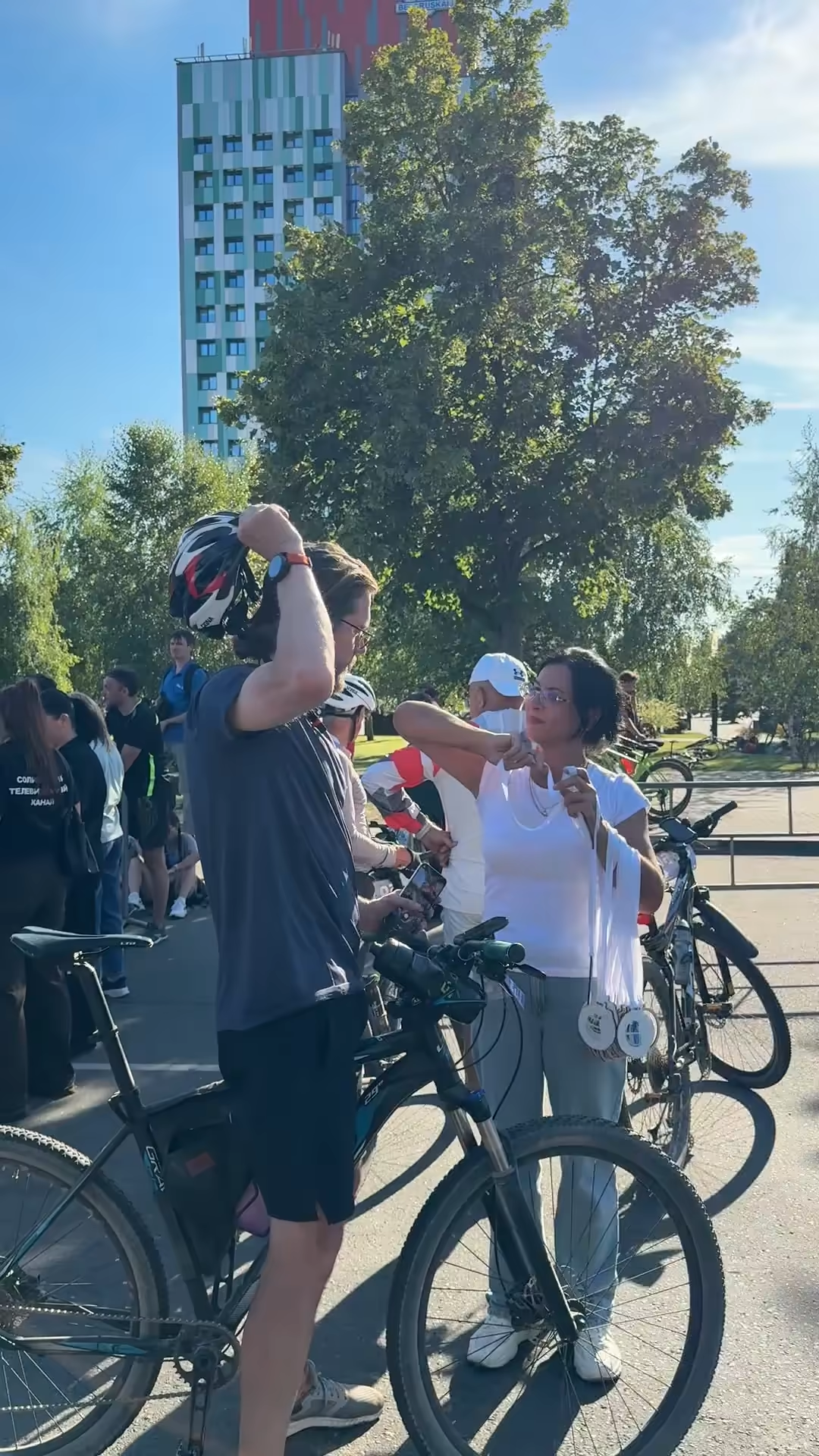
At the finish, a photographer from Soligorsk TV takes a photo of me. The video gives you a great view of my stylish little frame bag held on with a zip tie.
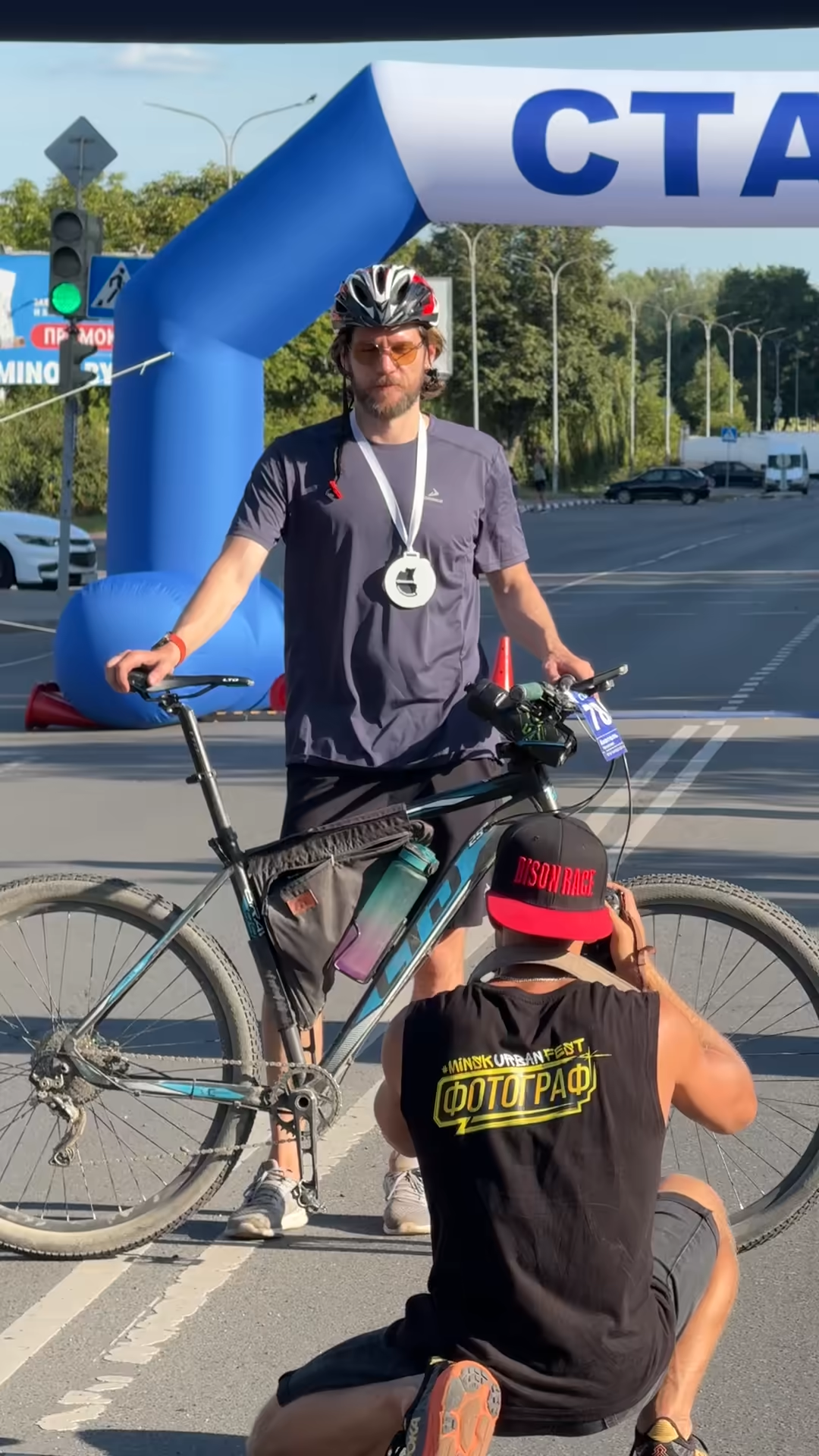
I end up in front of several photographers’ cameras.

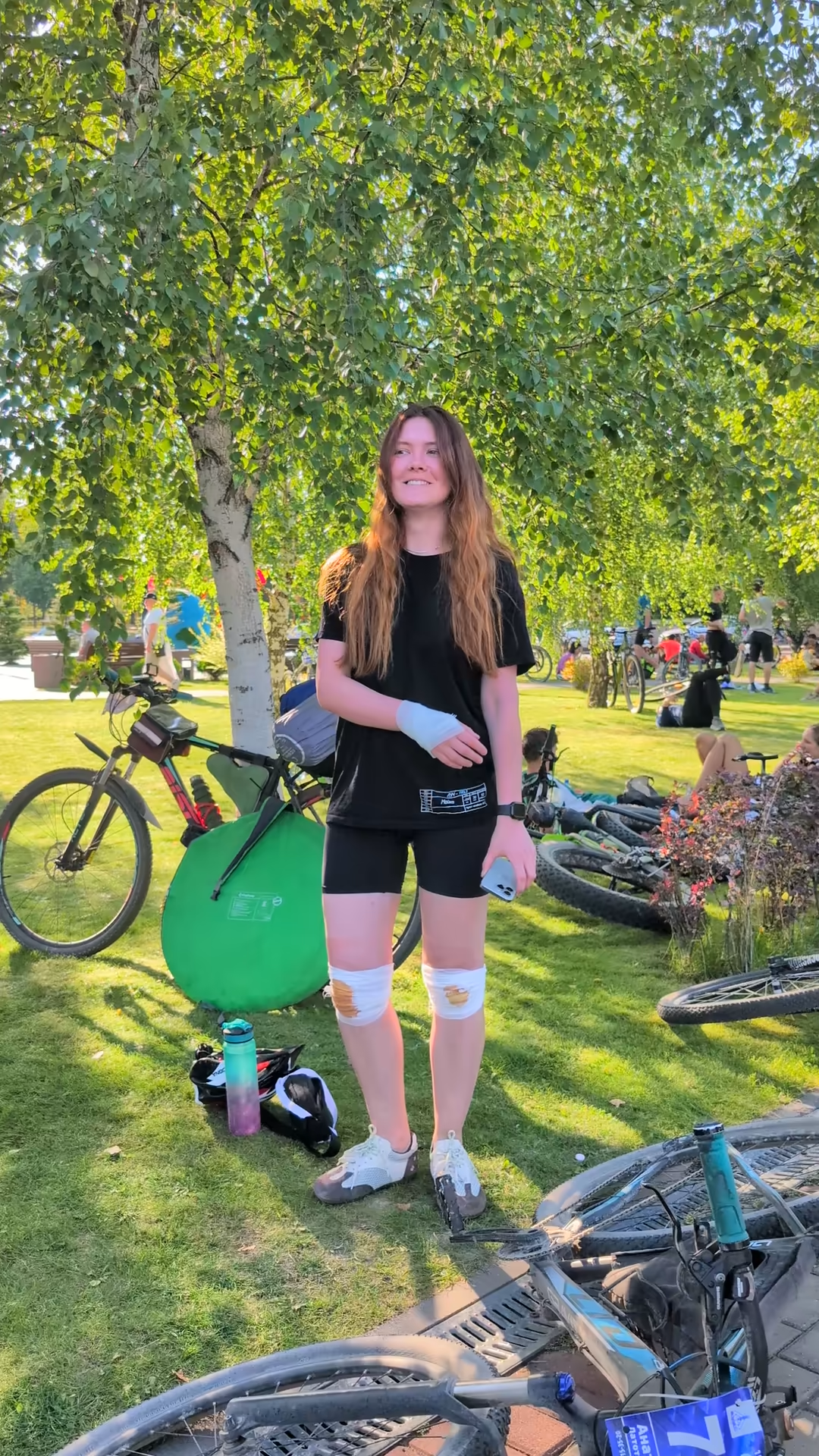
Our injured but happy comrade:
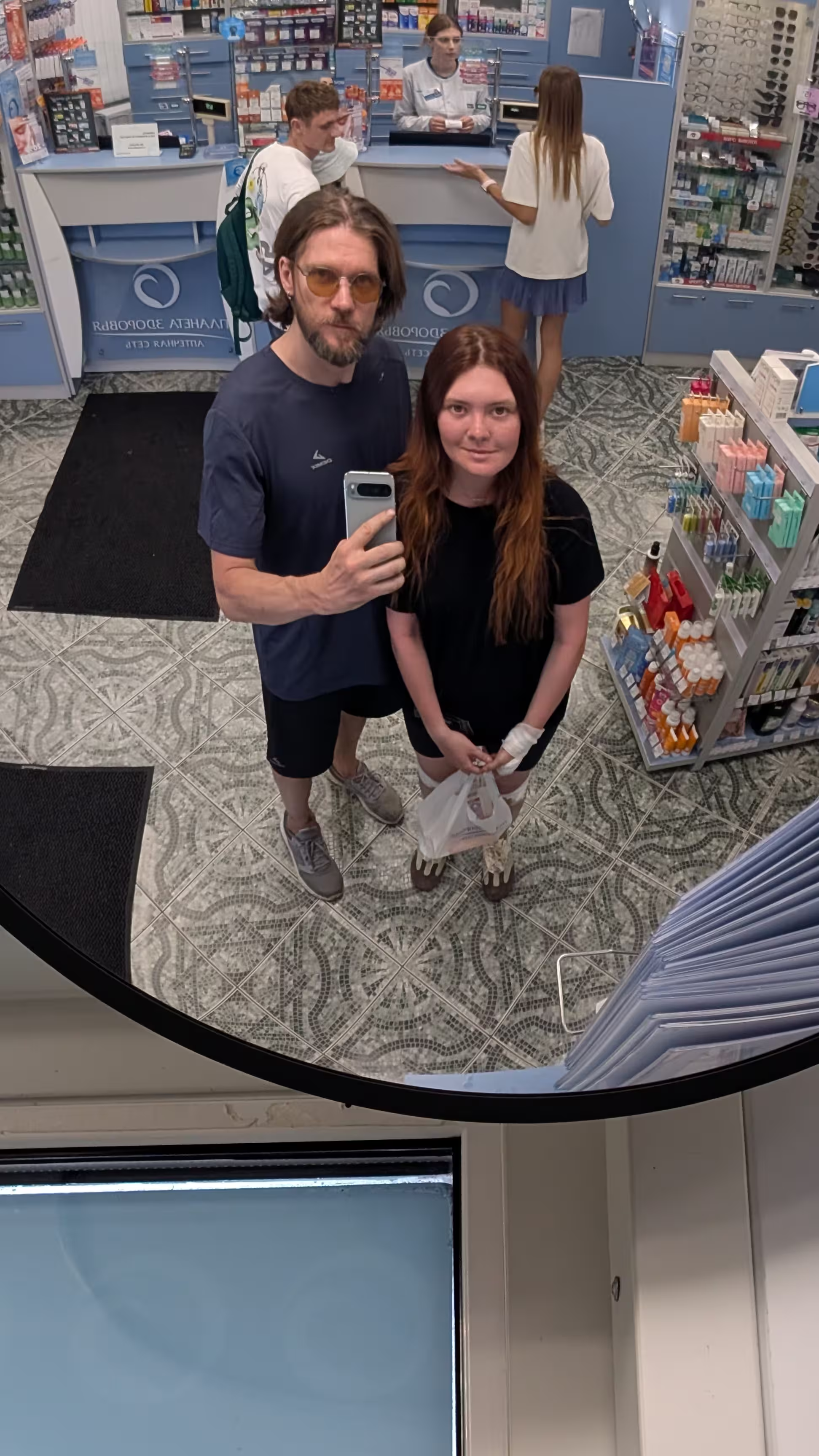
We stock up at the pharmacy.
A couple of souvenirs on the body:
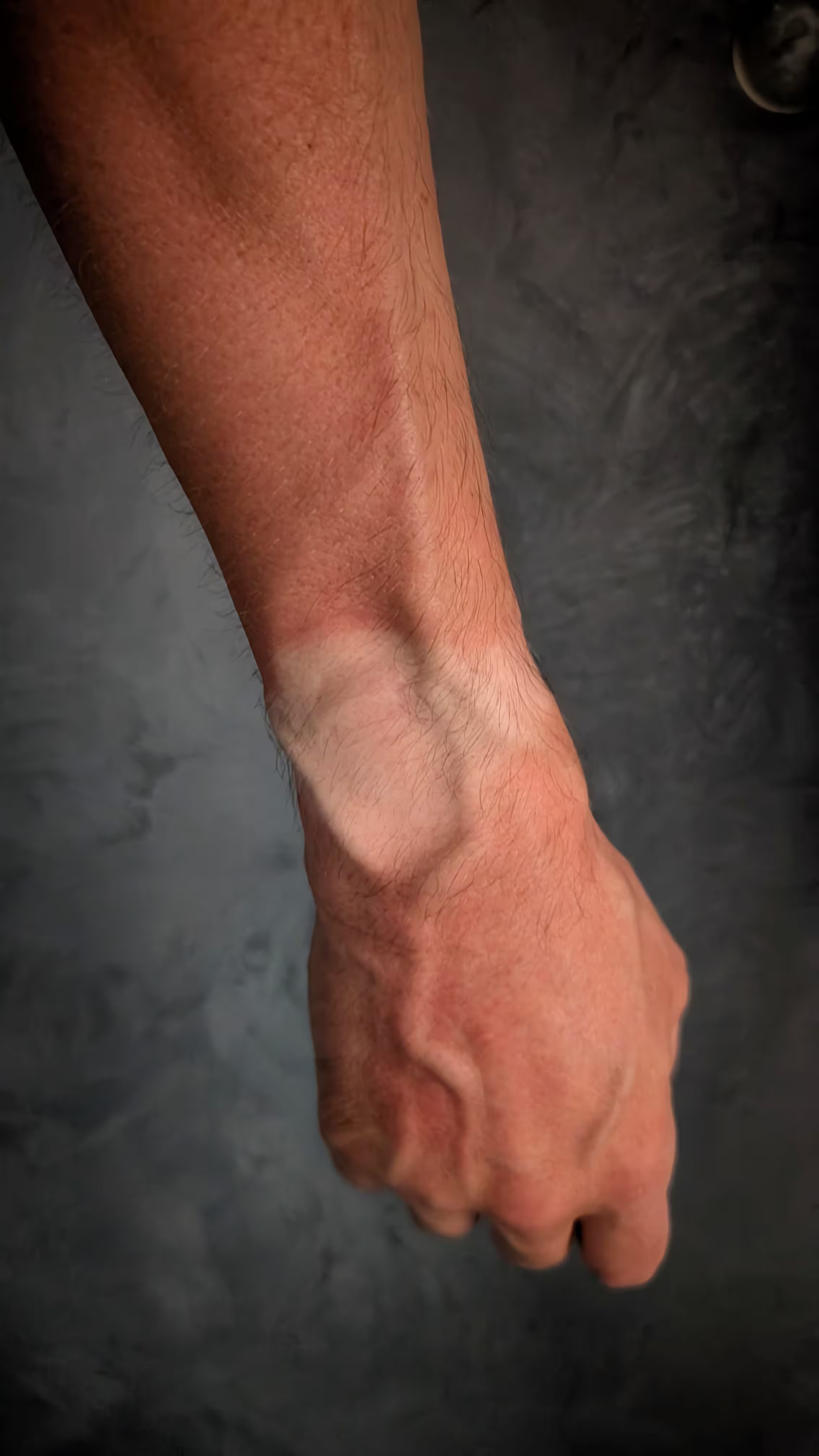
Cycling tan lines:
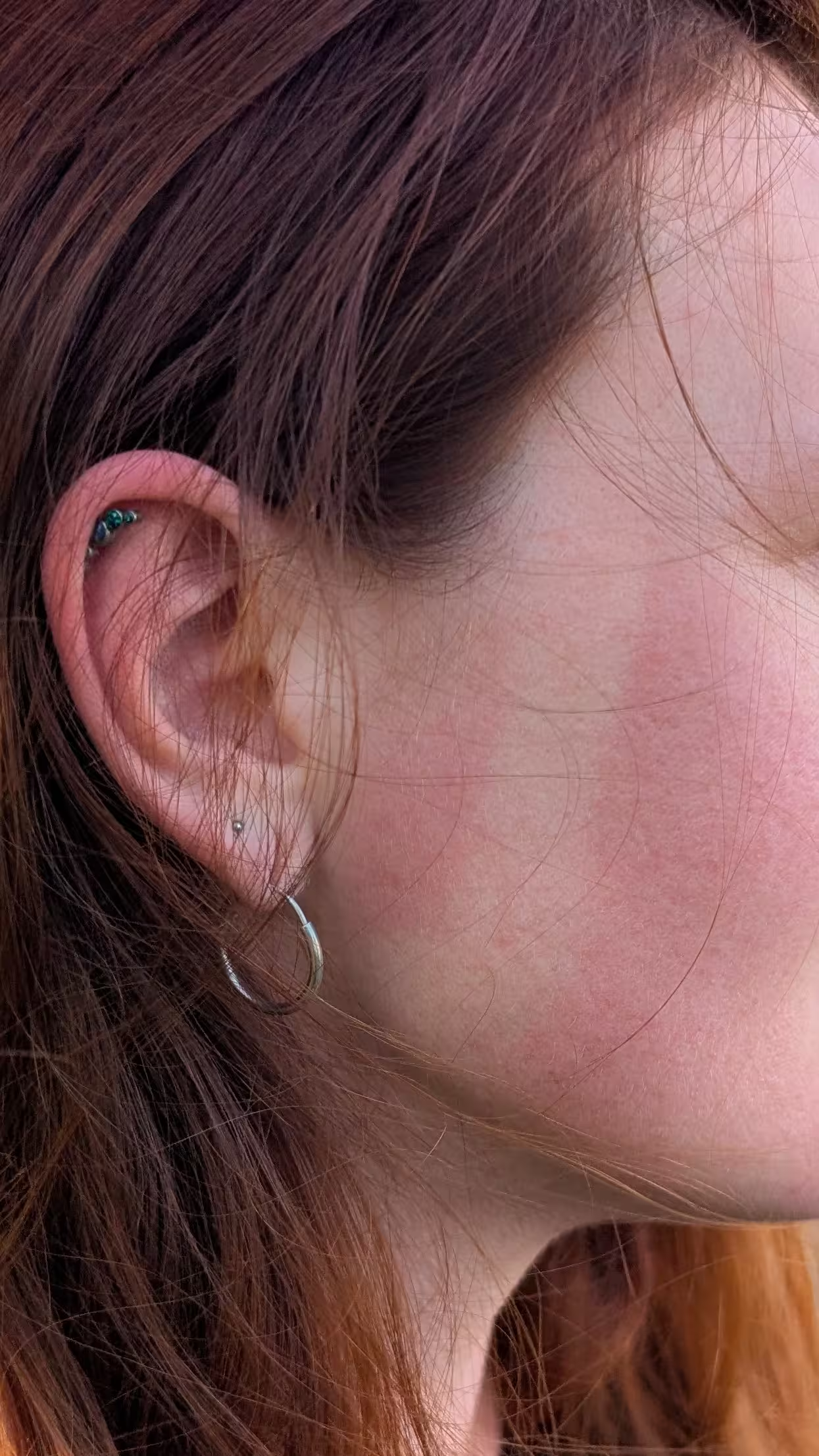
More like a cycling sunburn:
In the morning, Garmin shows the lowest training readiness score I’ve ever seen. ~(´O`)~
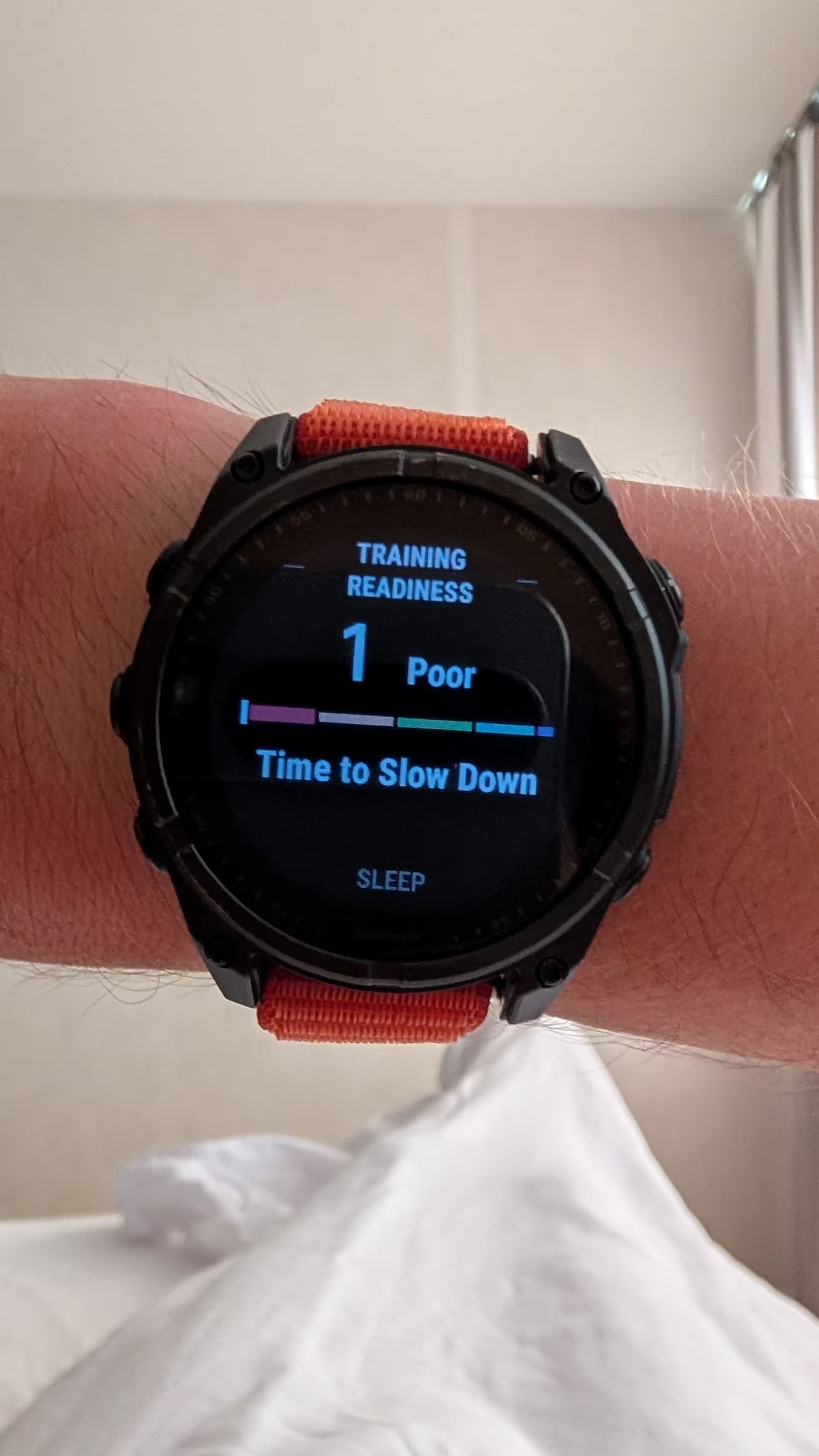
It’s a shame the data got skewed by the fact that I got sick the day before the ride. Even on the morning of the start, my resting heart rate was already 15–20 beats higher than usual.
⚙︎⚙︎⚙︎
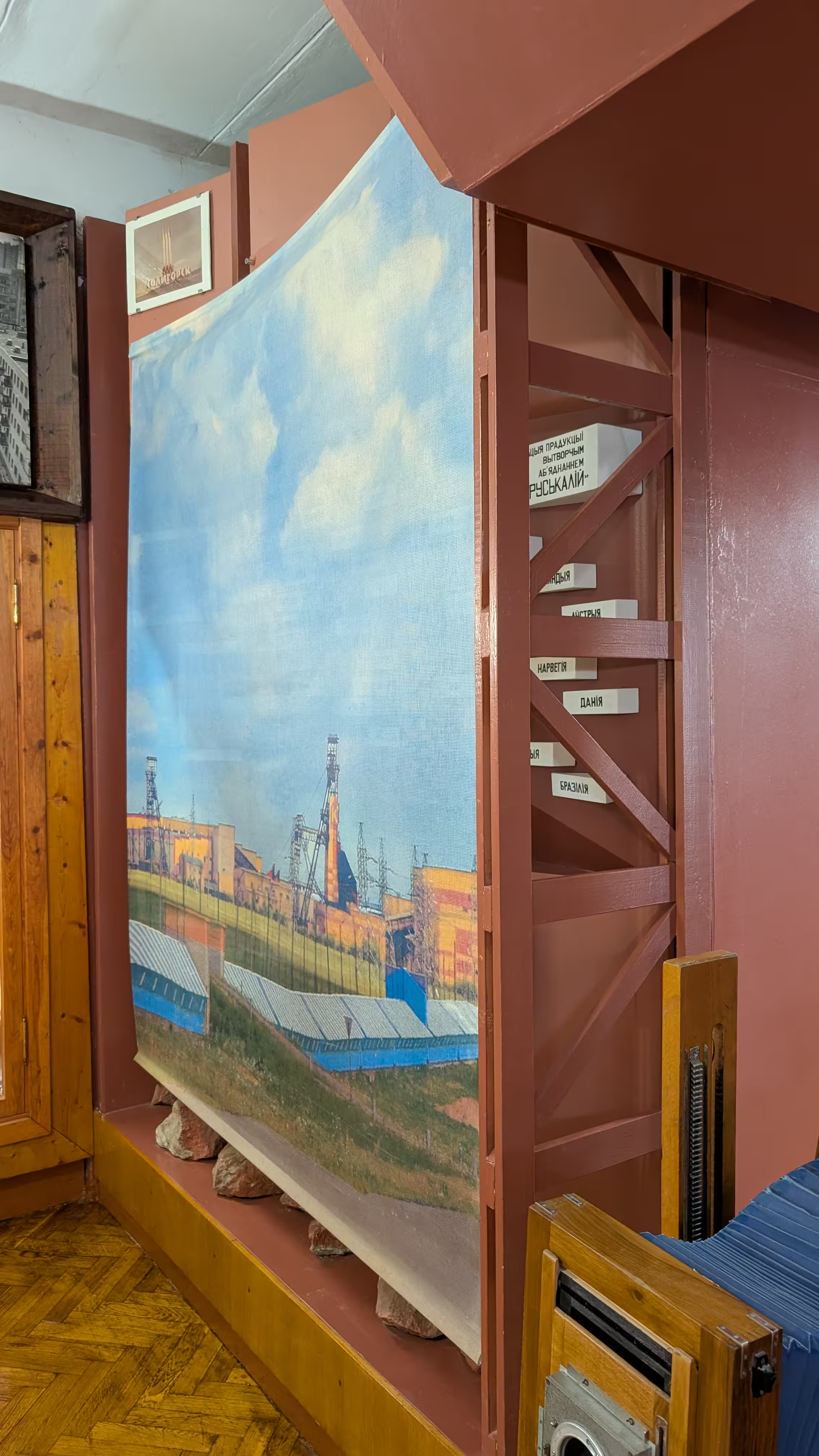
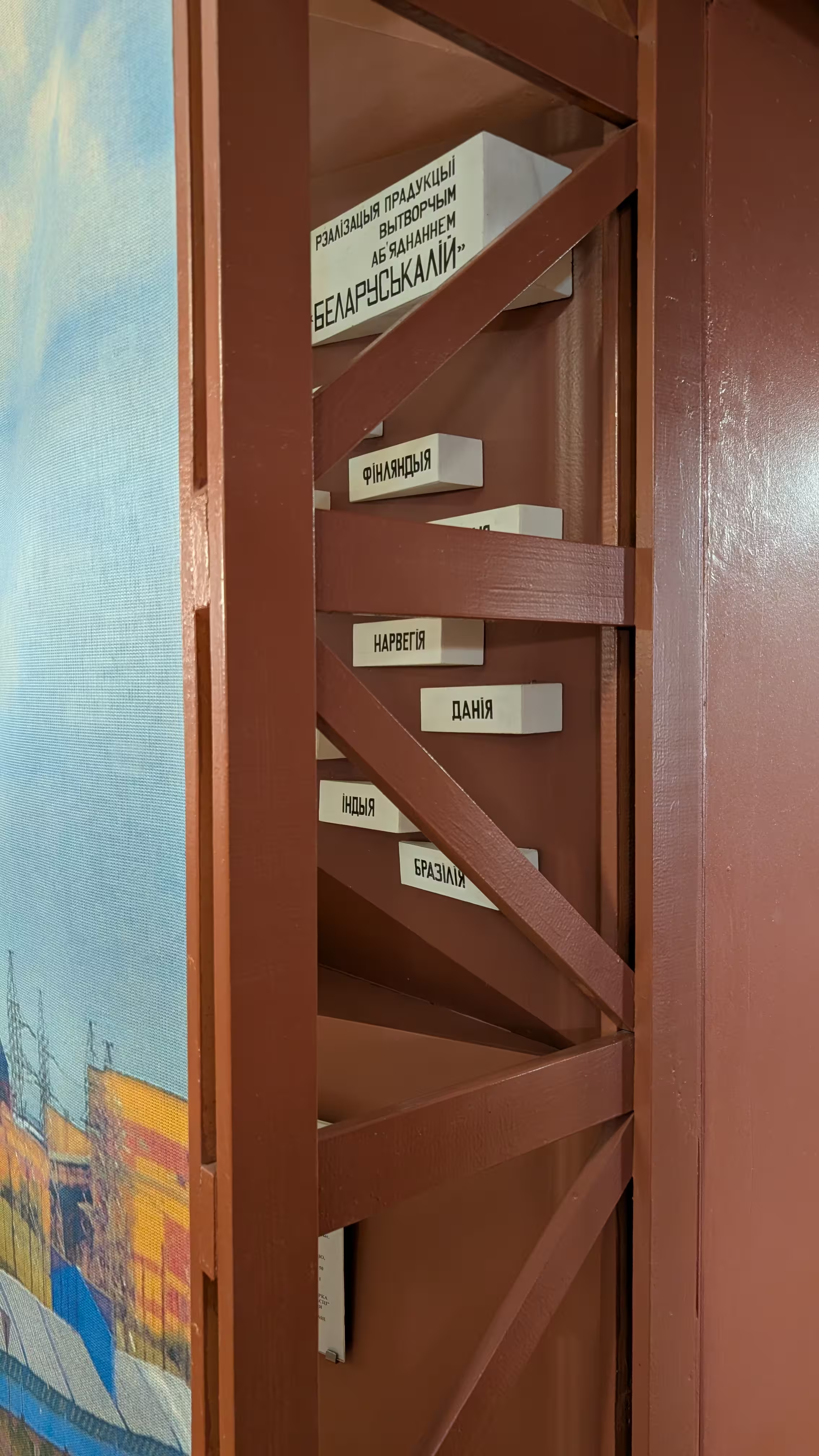
Before leaving, we stopped by the Soligorsk Museum of Local History. One section that catches the eye shows where Belaruskali used to export its products. These days, it’s neatly covered up with a decorative panel.
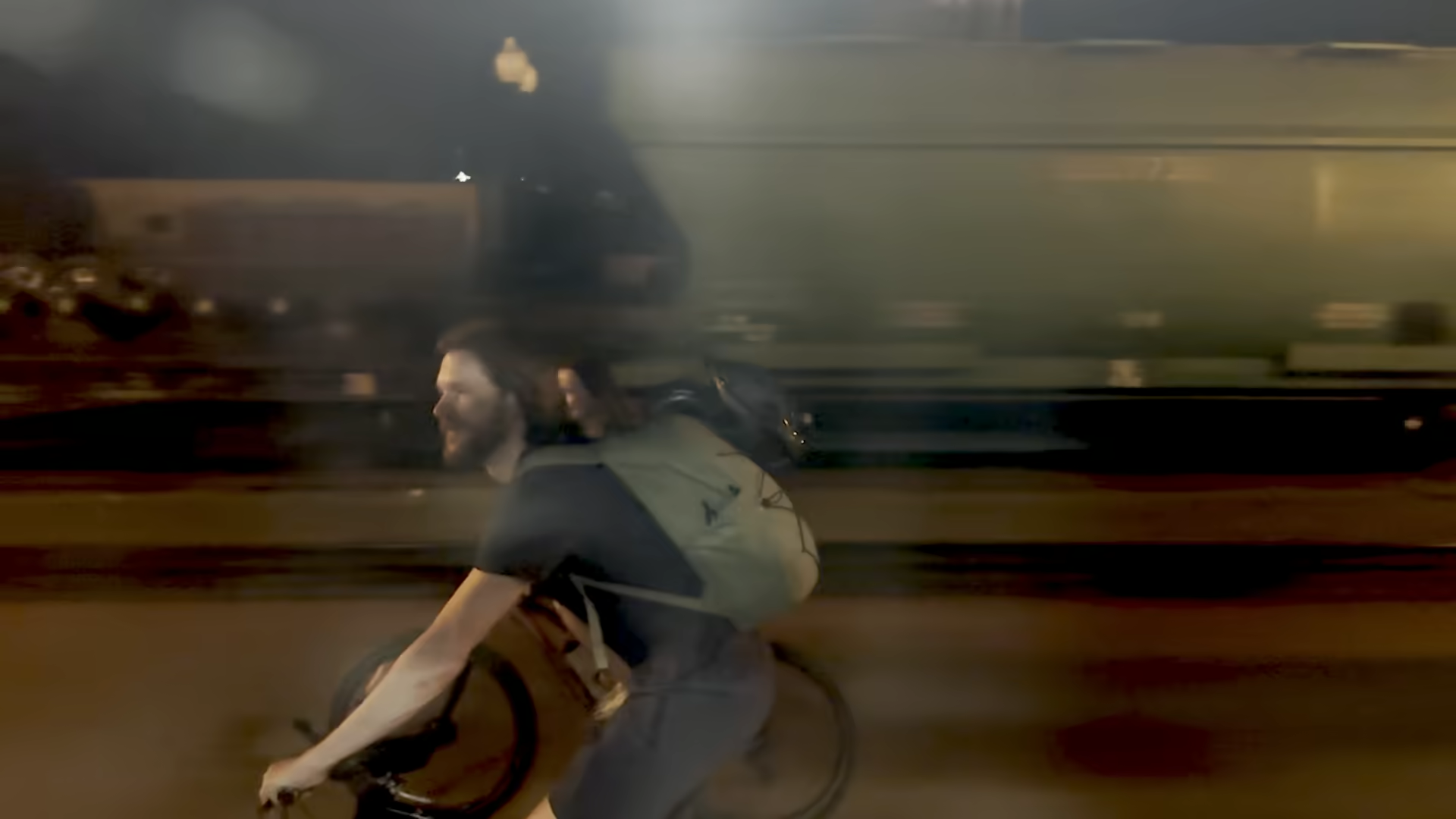
Tired and happy, we head home.
⚙︎⚙︎⚙︎
Huge thanks to the organizers, volunteers, and local residents! And a special thank-you to the girl spraying passing cyclists with water from a hose—it felt amazing on such a hot day!
Notes for next time:
— If the plan is more of a leisurely bike ride with a slow pace and lots of time in the saddle, it’s worth bringing different sources of carbs. After three hours, candy alone just doesn’t go down anymore. Onigiri worked surprisingly well for us! And so did crackers with an apple. ( ˘▽˘)っ♨
— Bring electrolytes for rides longer than 50 kilometers.
— Use sunscreen on sunny days.
— Don’t forget to drink. When you’re riding, the wind keeps you cool, so you don’t really notice how much you’re sweating or how much fluid you’re losing.
— Padded cycling shorts are highly recommended. They make a huge difference in comfort. After 40–50 kilometers, you’ll be thinking about the scenery around you instead of trying to figure out how to reposition your butt on the saddle. I saw people riding in regular jeans who were squirming around on their seats during the second half of the route.
— A bike helmet. Absolutely essential. One guy crashed so hard and hit his head badly enough to suffer a traumatic brain injury and be taken to rehabilitation. At the time of writing this, two weeks later, he’s still in the hospital. Without a helmet, it’s hard to imagine how much worse it could have been.
⚙︎⚙︎⚙︎
Photos taken by the event photographers:
⚙︎⚙︎⚙︎
Highly recommended!
And the crank arm fell off the next day.
15 August 2026
Read on: