Люстраны радыётэлескоп Геруни
Хацелася назваць гэты пост «Помнікі амбіцыям і эга» :-) Ніжэй растлумачу, чаму ўзьнікла такая думка.
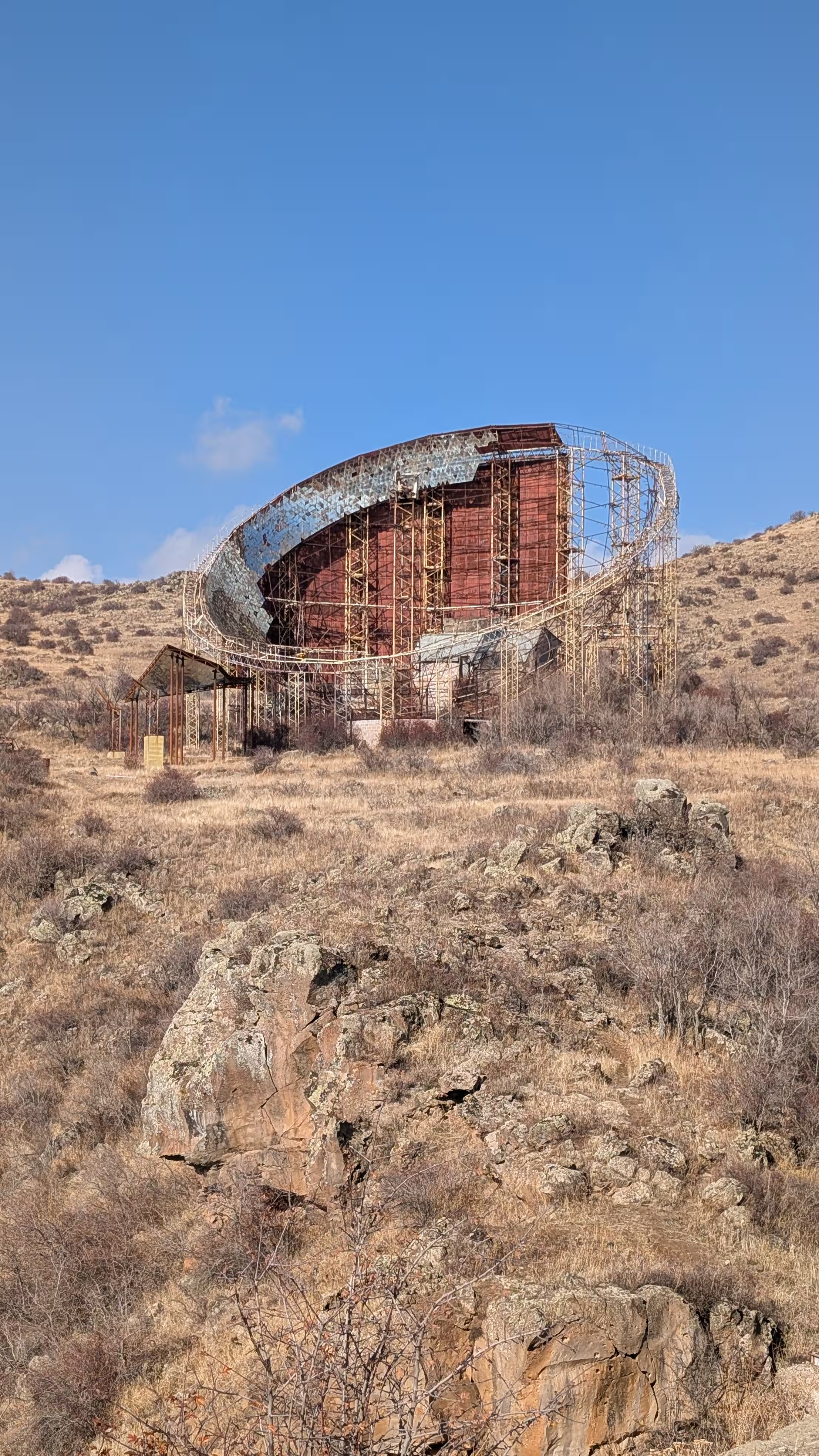
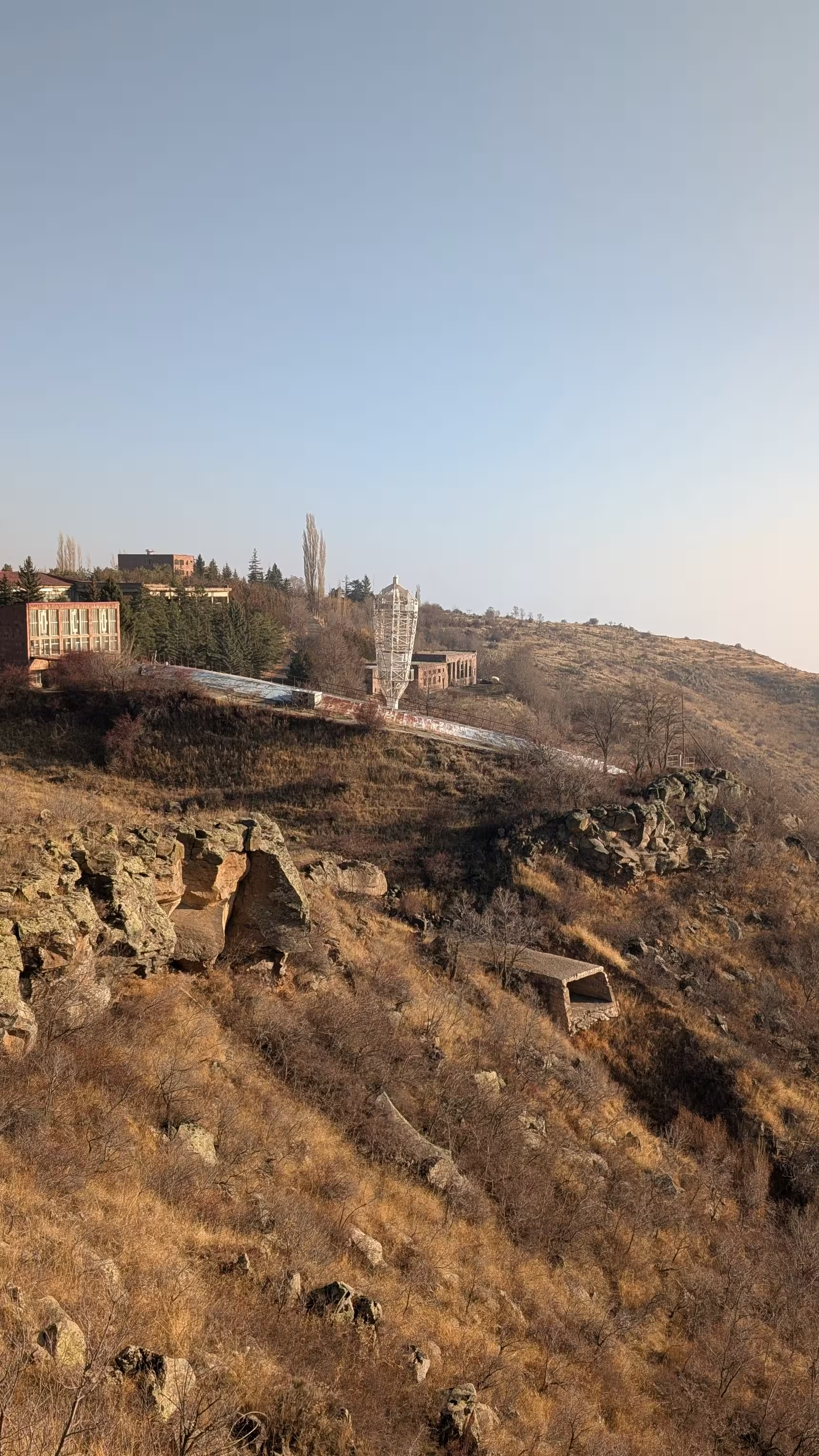
Тэлескоп Геруни — першы ў сьвеце радыёаптычны тэлескоп, РОТ-54/2.6. Яго стварыў савецкі радыёфізік Парыс Геруни. Будаўніцтва завяршылі да 1987 года. Тэлескоп знаходзіцца на схіле Арагаца — самай высокай гары Арменіі.
Ад Ерэвану да тэлескопа каля 40 км. Зручна зьезьдзіць туды і назад за адзін дзень.
Пры ўезьдзе ахоўнік папрасіў 2000 драм з чалавека. Думаю, можна было зьбіць да 1000–1500, але мы не сталі гэтага рабіць.
У інтэрнэце бачыў шмат незадаволеных водгукаў, у тым ліку ад замежнікаў, што ахоўнік бярэ грошы сабе. Але па маім досьведзе для закінутых месцаў у Арменіі і Грузіі гэта звычайная практыка.
Пад’ехалі:
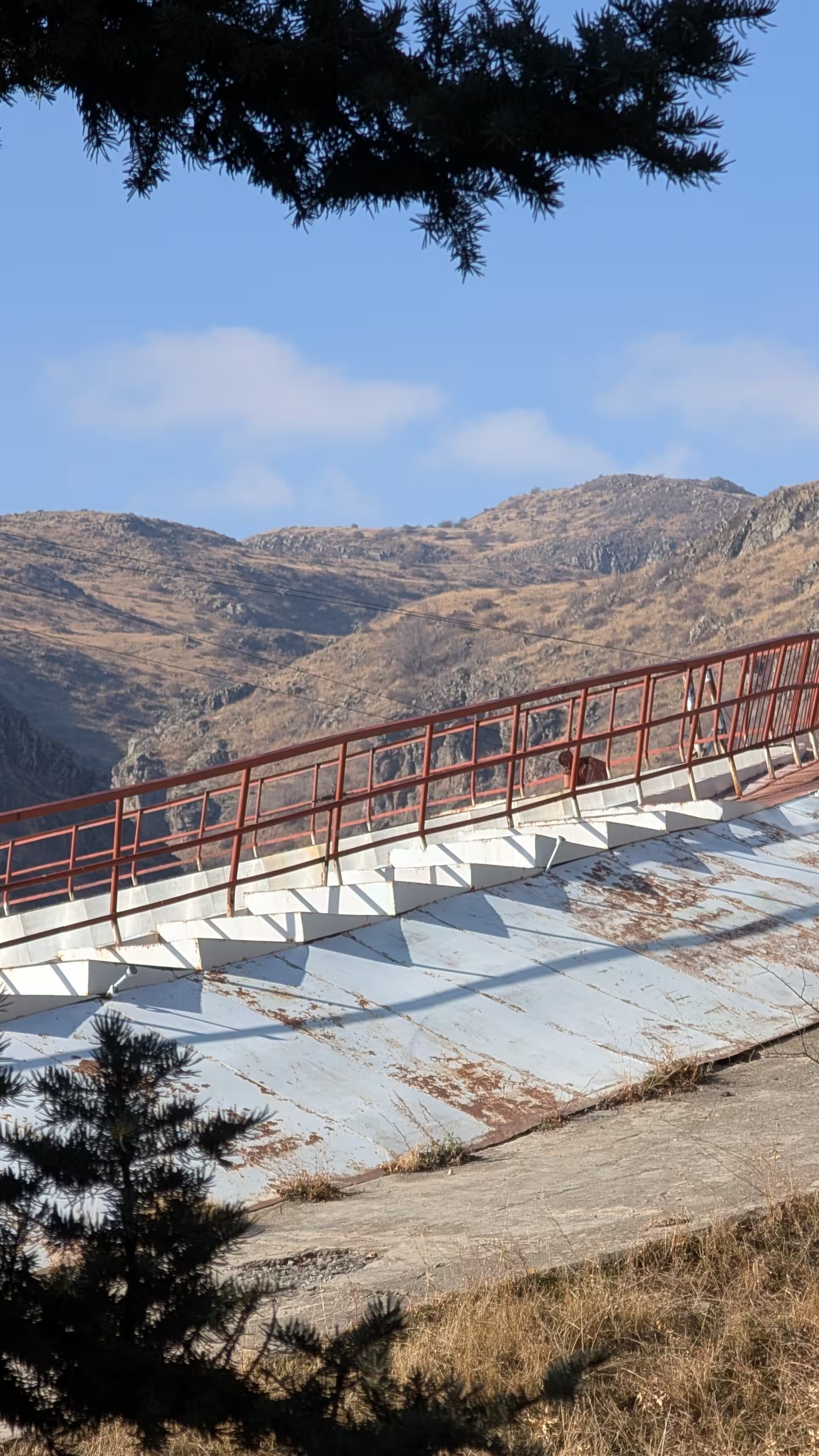
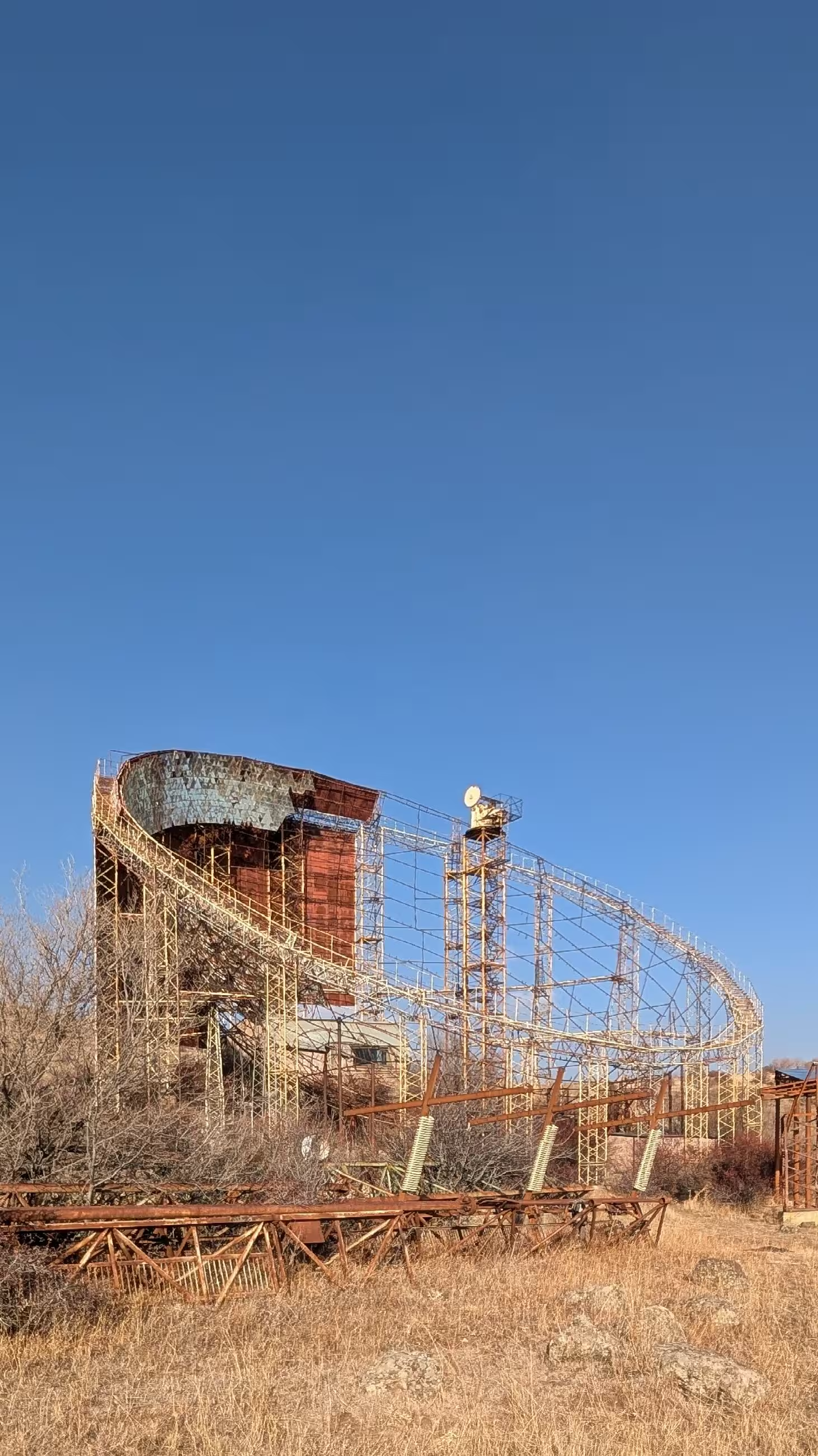
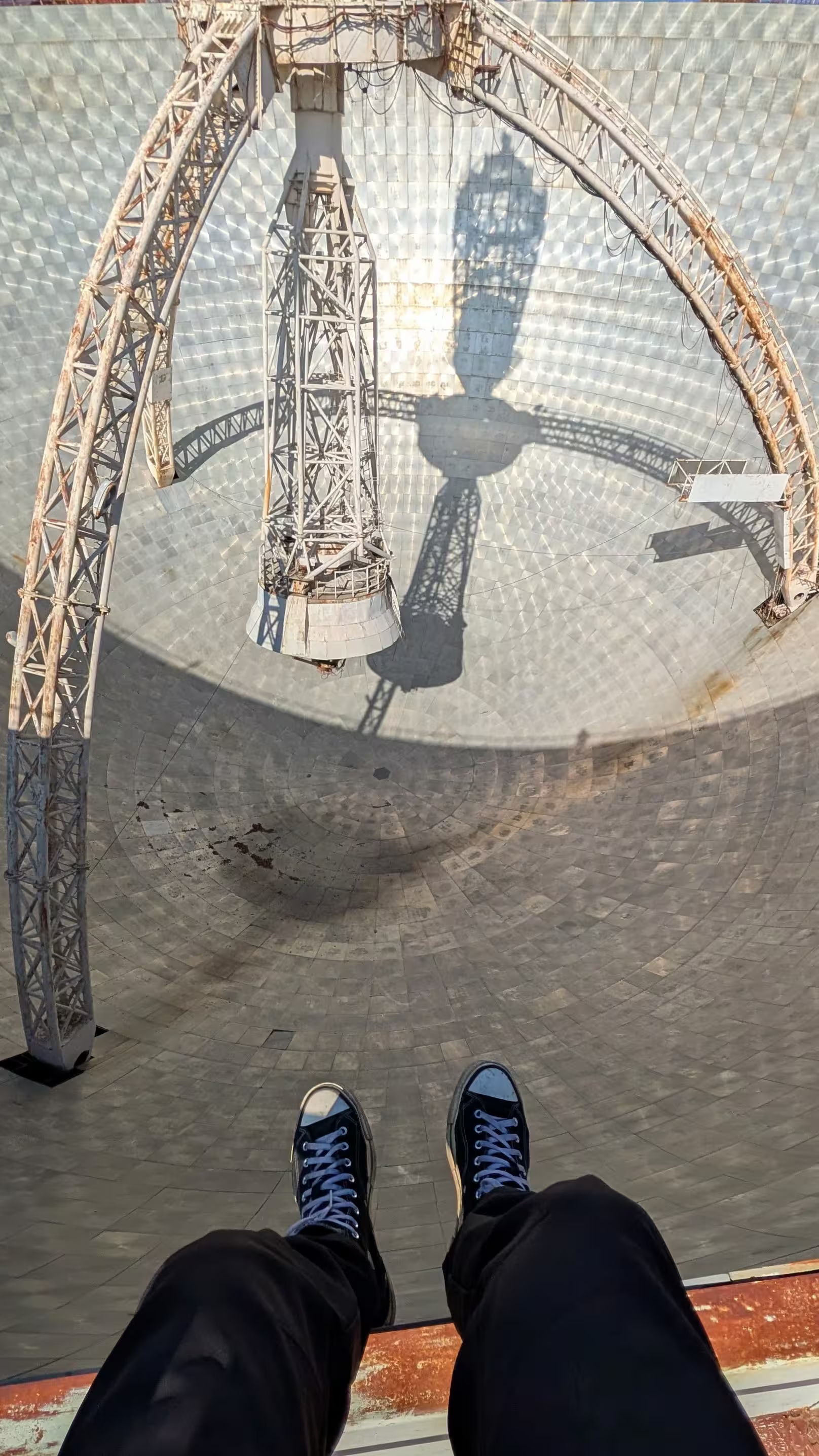
Калі стаіш на краі чашы, тэлескоп не ўмяшчаецца ў кадр цалкам.
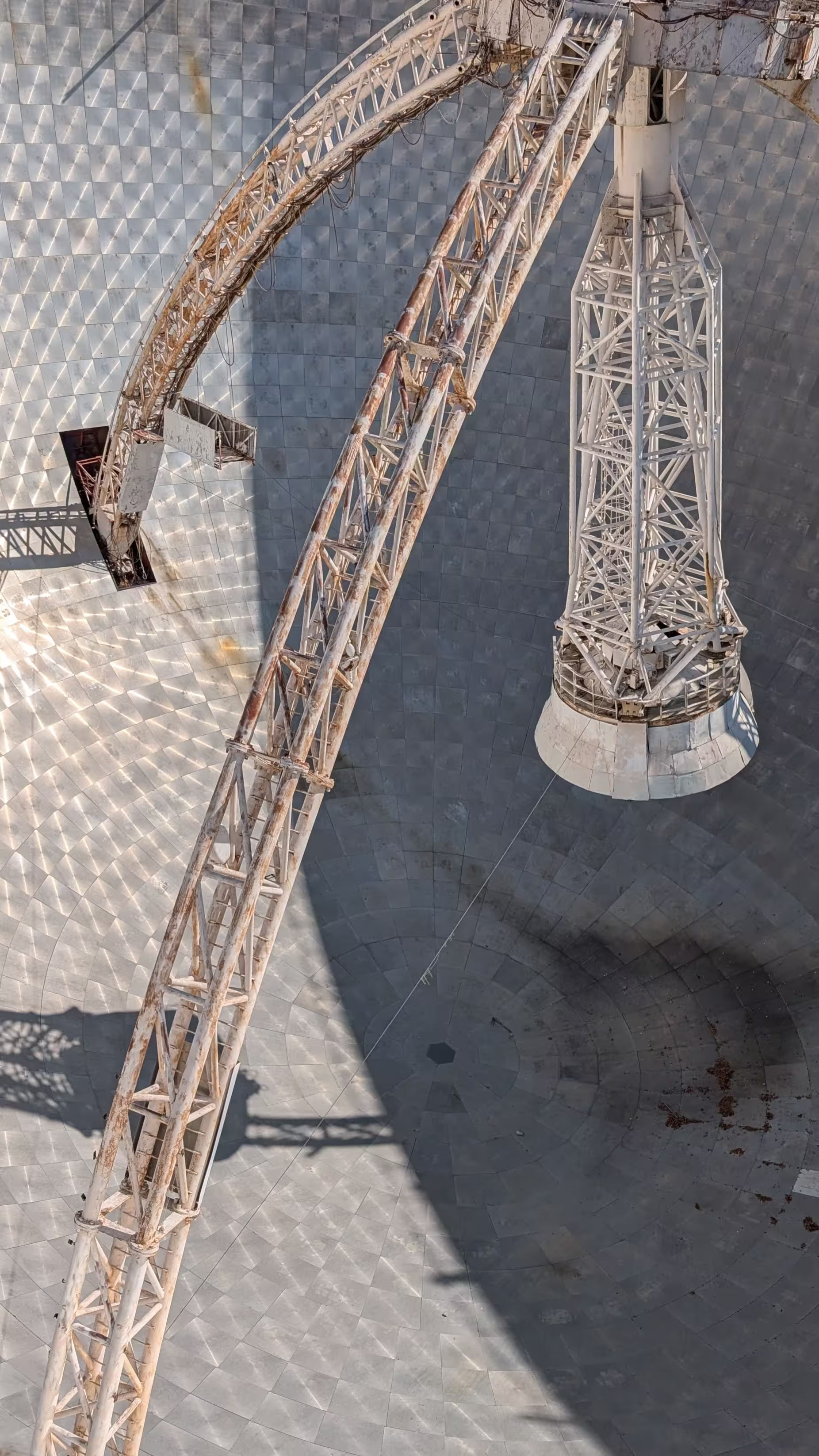
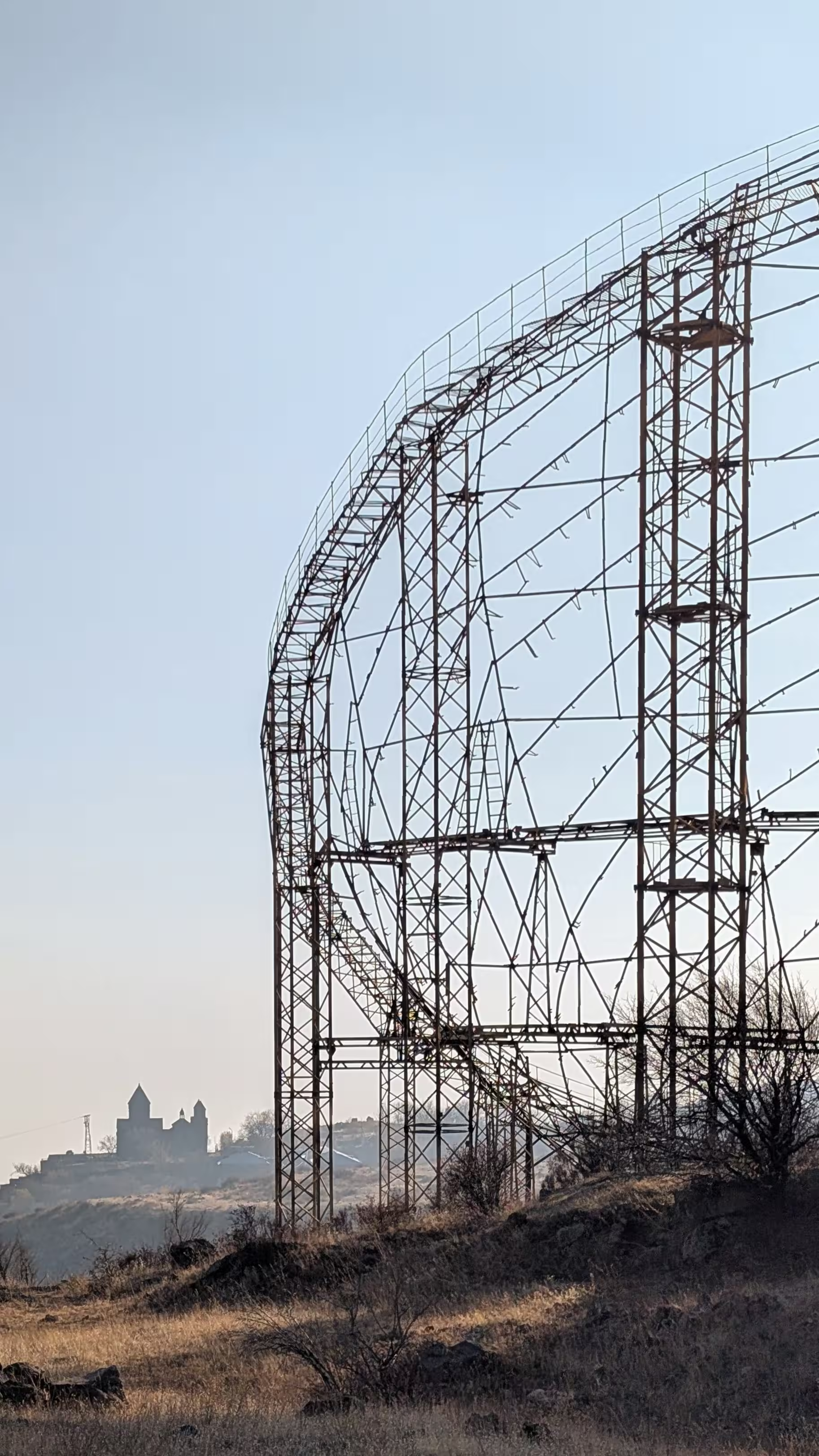
Пераключаюся на больш шырокі аб’ектыў. На заднім плане відаць манастыр.
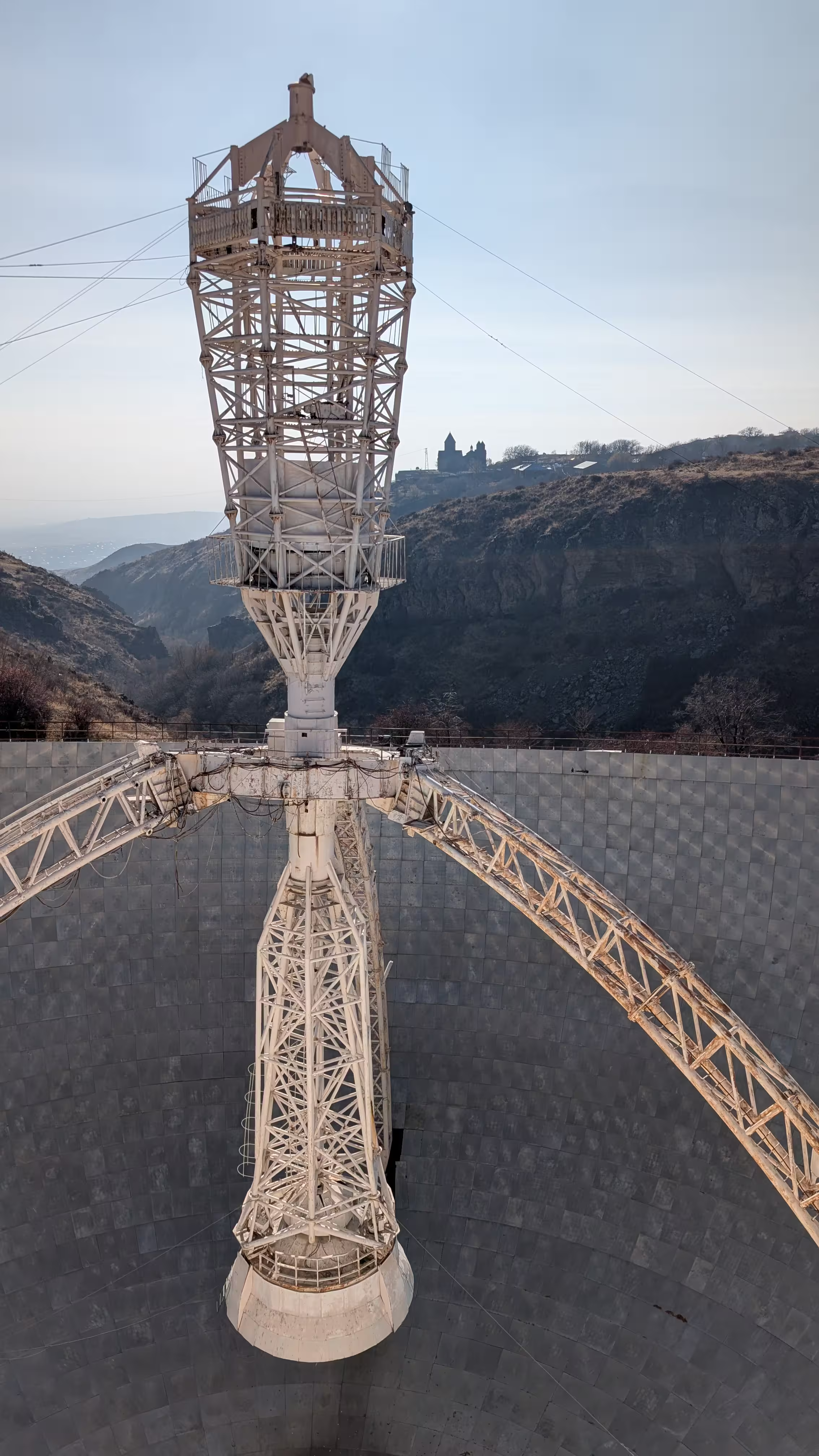
У яснае надвор’е адсюль за манастыром відаць Арарат. Але ў той дзень была дымка.
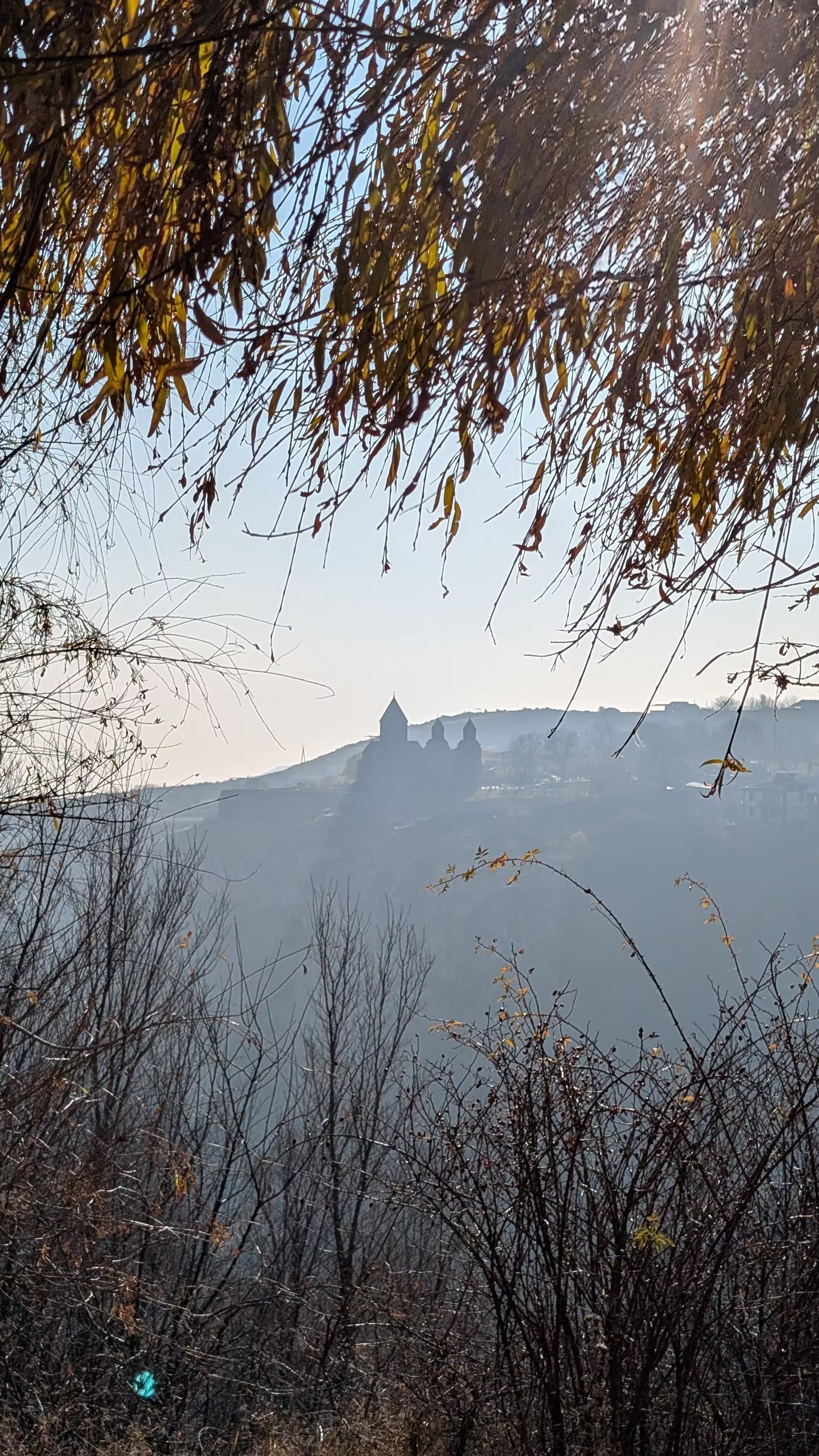
Пераключаюся на самы шырокі аб’ектыў.
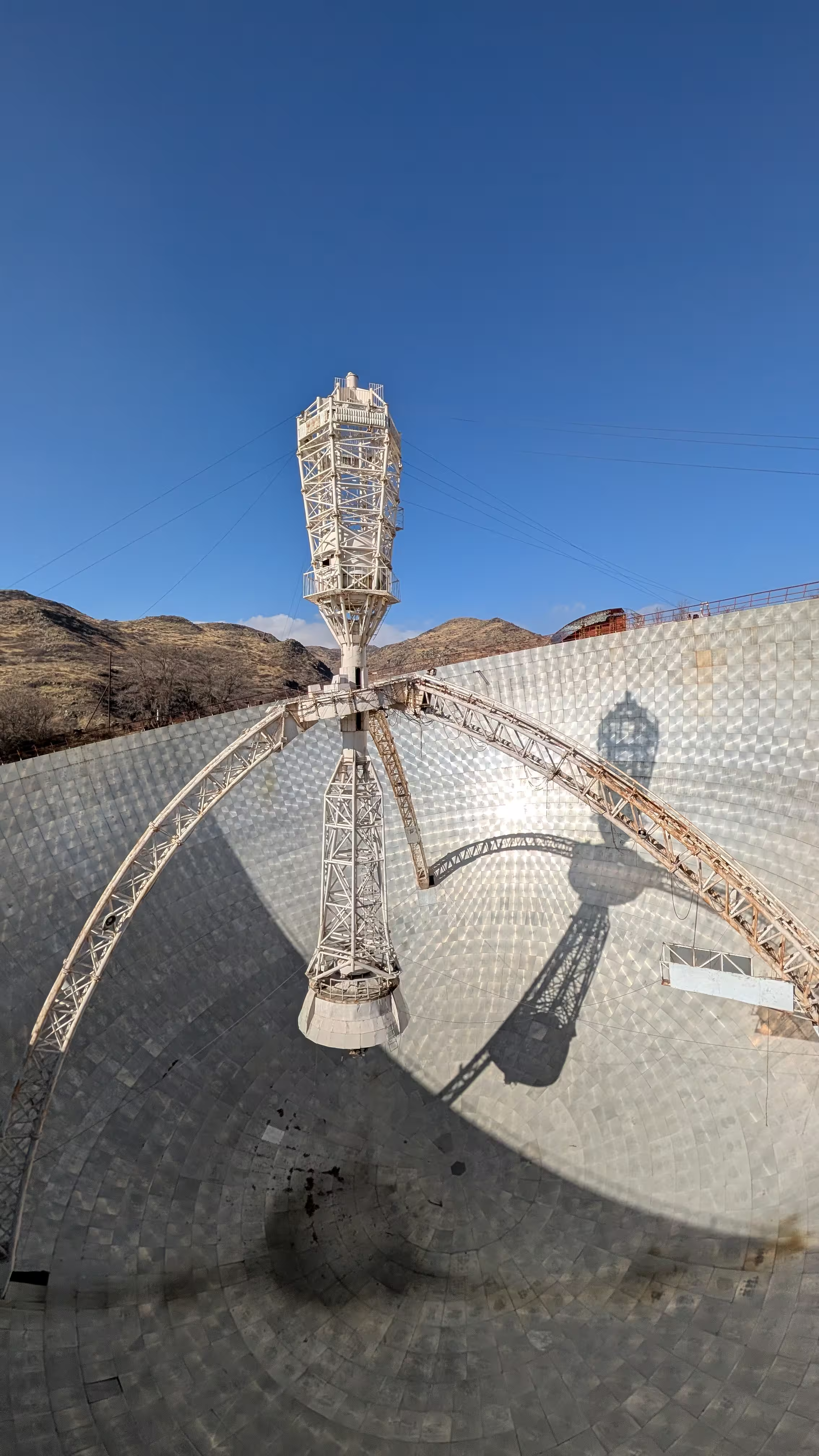
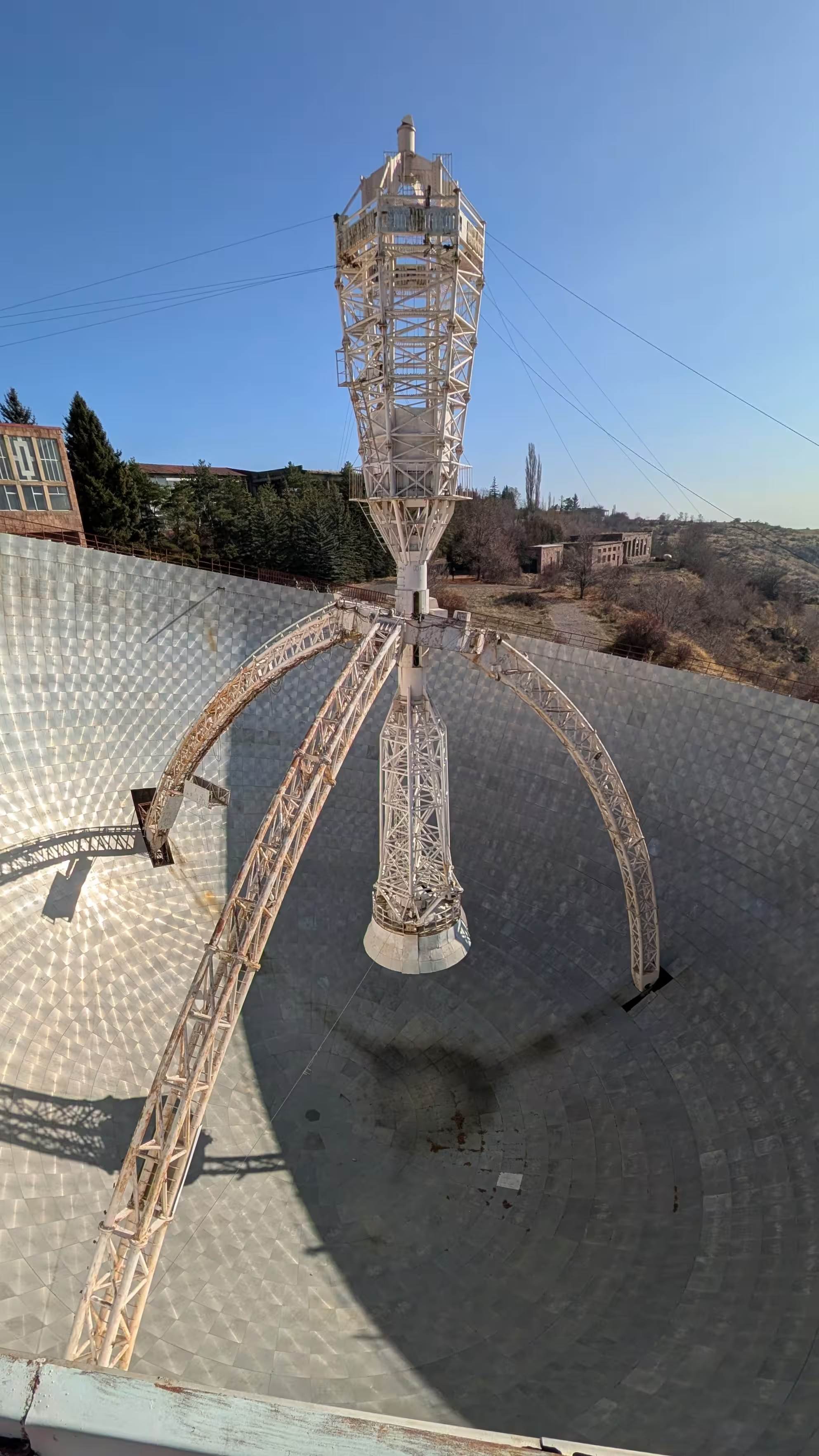
Два відэа, каб зразумець маштаб.
Цені махаюць рукамі:
Чалавек ідзе:
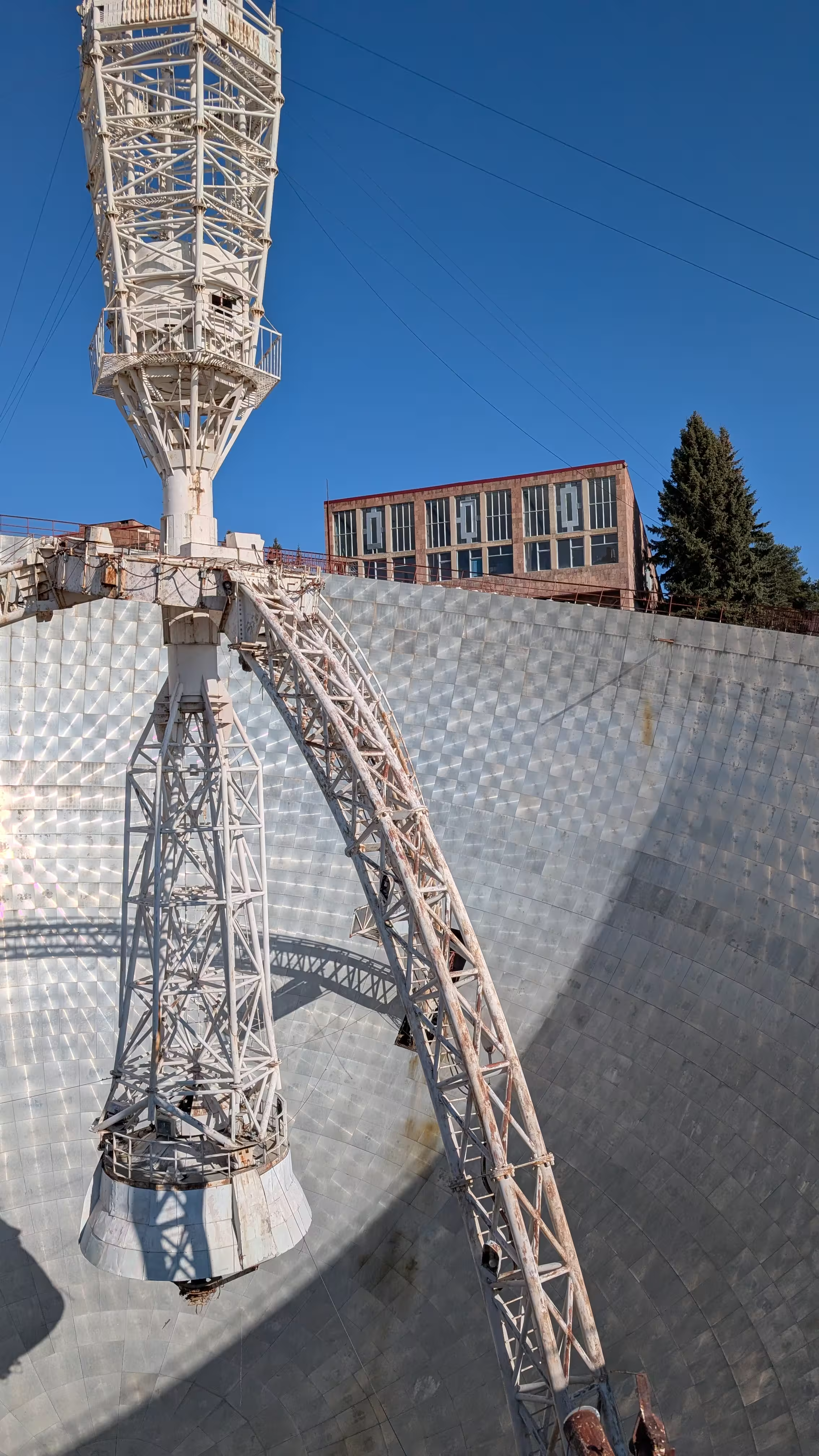
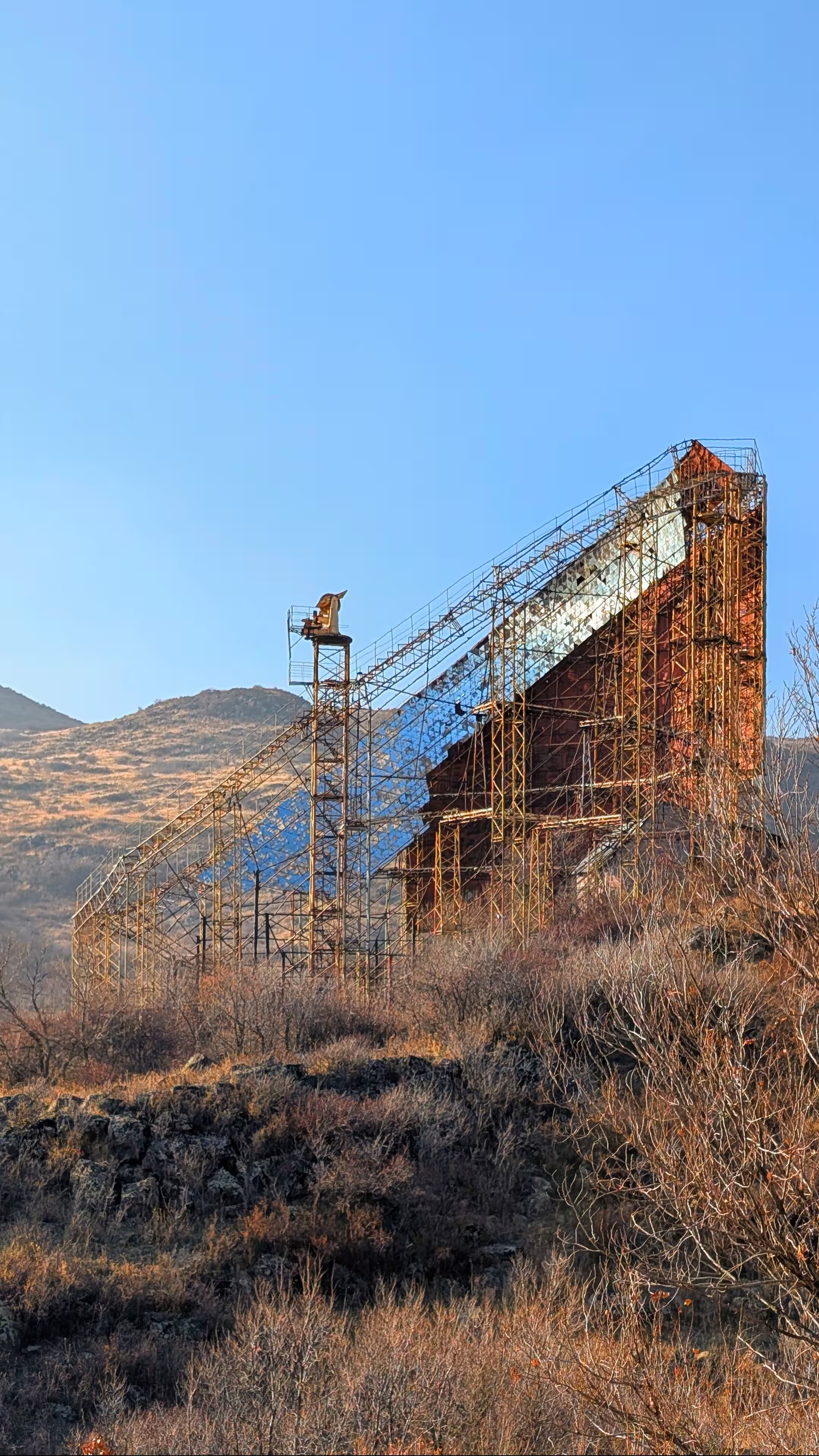
У тэлескопа нерухомае радыёзеркала дыяметрам 54 м і маятнік вышынёй 25 м. Спачатку Геруни плянаваў тэлескоп 100 або нават 200 м, але фінансаваньне не ўзгаднілі.
Дасьледуючы інфармацыю ў інтэрнэце, я сустрэў супярэчлівыя меркаваньні: ці быў тэлескоп уведзены ў поўную эксплюатацыю і ці былі зроблены адкрыцьці. Вось некалькі цытат:
🔔 Вёска Оргов знаходзіцца на другім баку цясьніны ад вёскі Бюракан. [...] Паводле плана Оргов хацелі расселіць, каб не будаваць дарогу праз цясьніну ў тупіковую вёску, але Геруни, не дачакаўшыся дазволу, мабілізаваў сваіх падначаленых і мясцовых жыхароў, дзякуючы чаму дарога праз цясьніну была пабудавана, матэрыялы завезены і будаўніцтва пачалося.
🔔 У задачы НДІ першапачаткова не ўваходзіў ніякі тэлескоп; там павінны былі вырабляць эталонныя антэны і праводзіць тэхнічныя вымярэнні і каліброўкі. Але ў Геруни былі іншыя планы — пад выглядам адной з такіх антэн ён задумаў пабудаваць першы ў свеце двухдыяпазонны тэлескоп.
🔔 Найбольшай эталоннай антэнай паводле стандартаў была 32-метровая талерка, і паводле разлікаў Геруни гэтага было недастаткова для яго маштабу. Таму без асаблівых узгадненняў ён загадаў будаваць 54-метровую металічную чашу ў карставым правале, павялічаным выбухоўкай, падпарадкаваўшы новай будоўлі ўсе наяўныя вытворчыя рэсурсы.
🔔 [...] галоўная фішка — двухдыяпазоннасць (пра якую, дарэчы, у Маскве не ведалі) — патрабавала яшчэ кудысьці ўмясціць цэлы аптычны тэлескоп.
🔔 Для гэтага была распрацавана спецыяльная канструкцыя ў выглядзе маятніка, у верхняй частцы якога размясцілі чатырохтоннае люстэрка аптычнага тэлескопа дыяметрам 2,6 метра, з-за чаго першапачатковыя разлікі можна было выкінуць [...] У прыватнасці, прамыя апоры былі заменены на выгнутыя, што выклікала непажаданыя вібрацыі і зрабіла немагчымым выкананне галоўнай функцыі — плаўна сачыць за далёкім аб’ектам, бо тэлескоп проста трэсла.
Вось навошта я прывёў гэтыя цытаты.
Кідаецца ў вочы, колькі дзеяньняў рабілася насуперак. Адчуваецца канфлікт з рэальнасьцю таго часу. Такое супраціў павялічвае рызыку правалу.
Вядома, многія прарыўныя праекты нараджаліся, пераадольваючы супраціў усталяваных нормаў. Але важна разумець, якое менавіта супраціў пераадольваецца. Я вылучыў два тыпы «насуперак»:
Здаровае — насуперак інэрцыі, баязьлівасьці, тупым рэглямэнтам, закоснасьці начальства. Без гэтага часта наогул нічога новага не зьяўляецца.
Нездаравое — насуперак разьлікам, фізыцы, рэсурсам каманды, эксплюатацыйнай лёгіцы і будучаму абслугоўваньню. Гэты шлях часта дае эфэкт «не прыжылося».
Пакуль я вывучаў гісторыю тэлескопа Геруни, усё мацней узьнікала адчуваньне, што тут спрацавала менавіта «разбуральнае насуперак». Шмат у чым таму ў выніку і атрымаўся помнік амбіцыям.
Вядома, не ўсё, што ствараецца насуперак, асуджана на правал. Але чым больш у праекце, працэсе або адносінах непераадоленага супраціву асяродзьдзя, тым вышэй верагоднасьць, што вынік будзе нежыцьцяздольным. І ўрэшце будзе адрынуты рэальнасьцю.
Зьвярнуў увагу, што ў чашы тэлескопа назьбіралася мала лісьця:
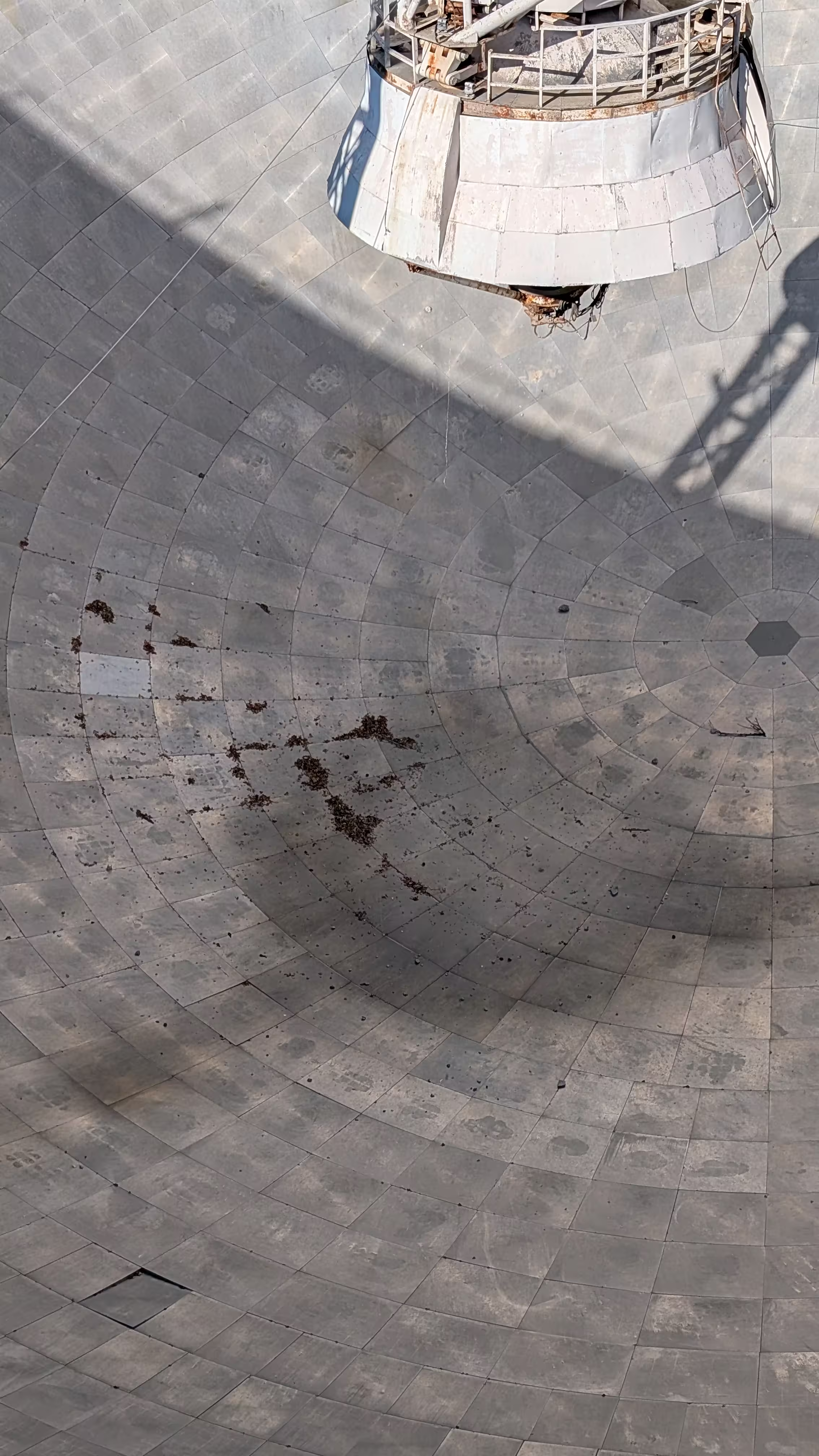
Не думаю, што чашу чысьцілі апошнія дзесяцігодзьдзі. Цікава, чаму лісьця не назьбіралася больш.
Патэрны:
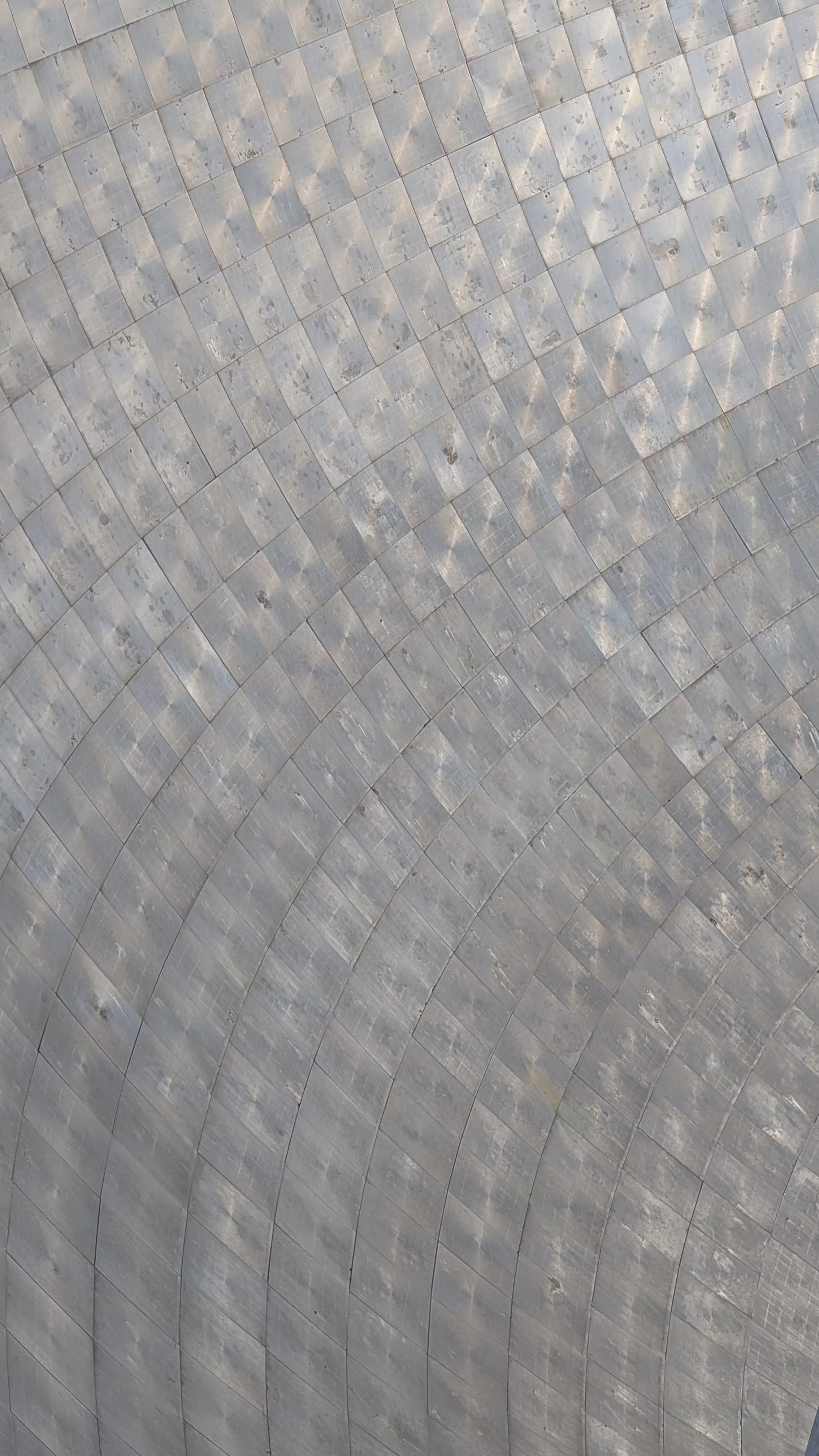
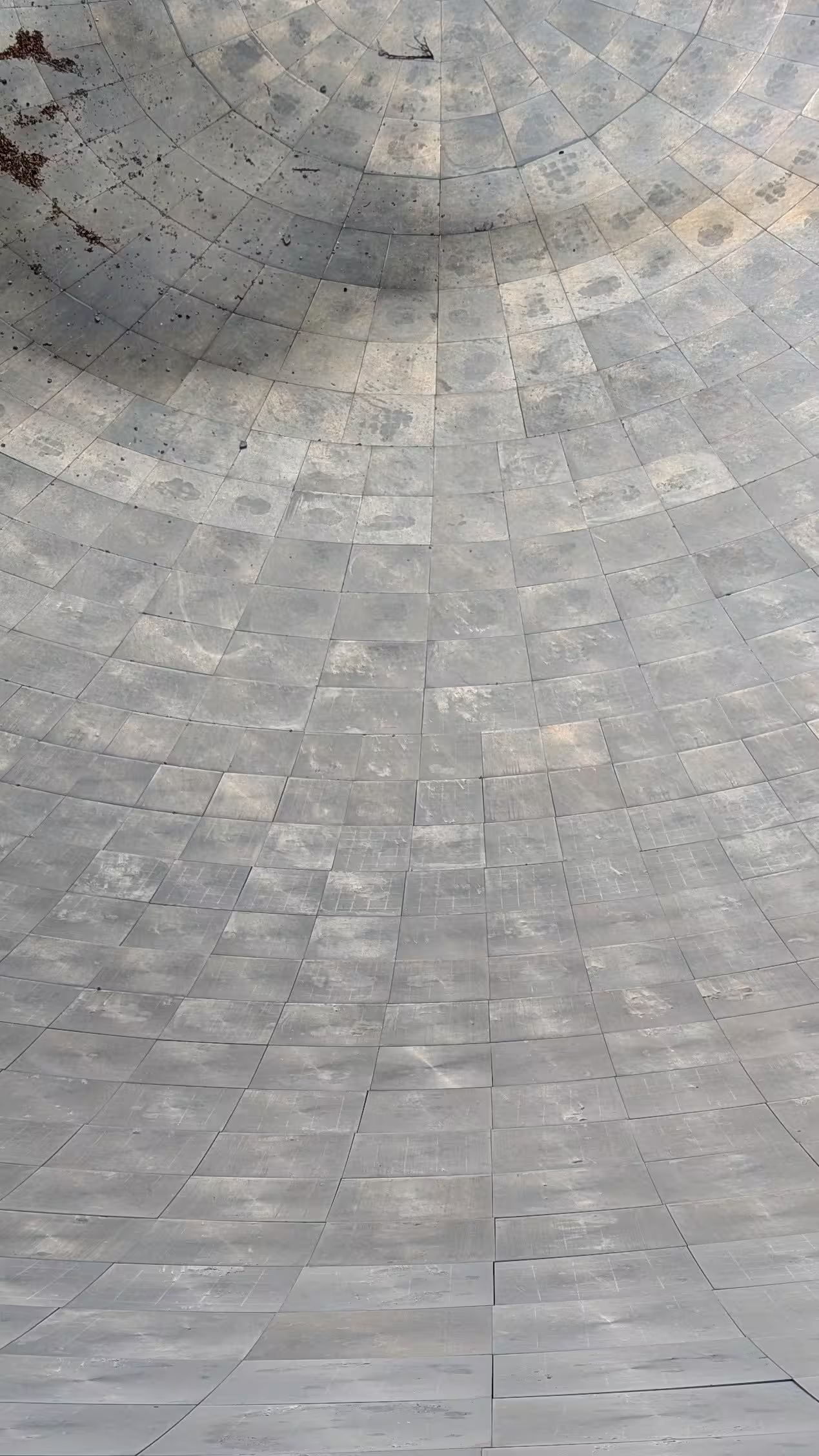
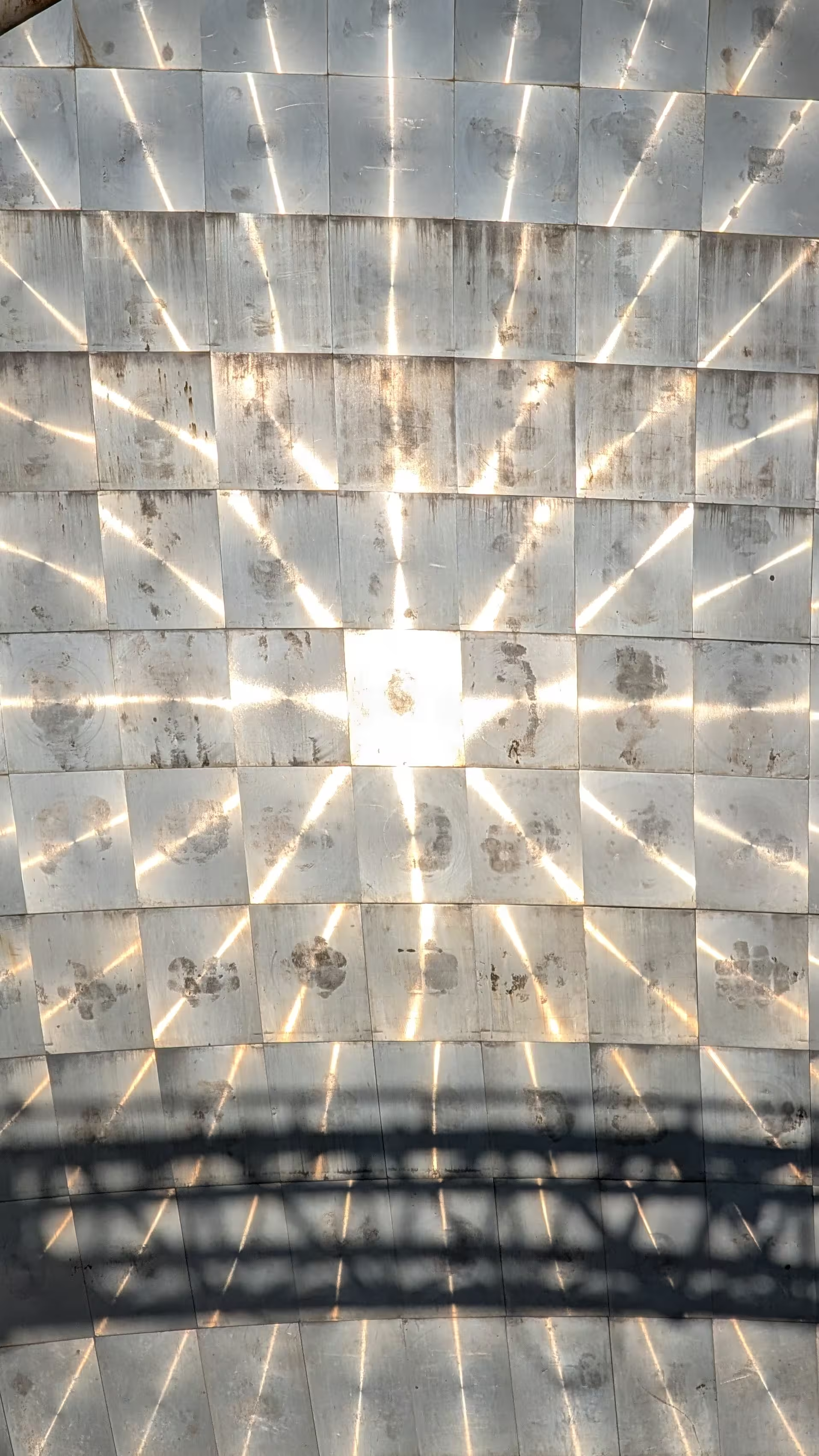
Чаша складаецца з 3600 панэляў са сплаву на аснове алюмінію з дадаткам магнію, медзі і марганцу. Панэлі адпаліраваныя ўручную з дакладнасьцю 70 мікрон. Для 1980-х гэта была добрая дакладнасьць, для сёньня — ужо не вельмі.
Побач з чашай знаходзіцца рубка кіраваньня:
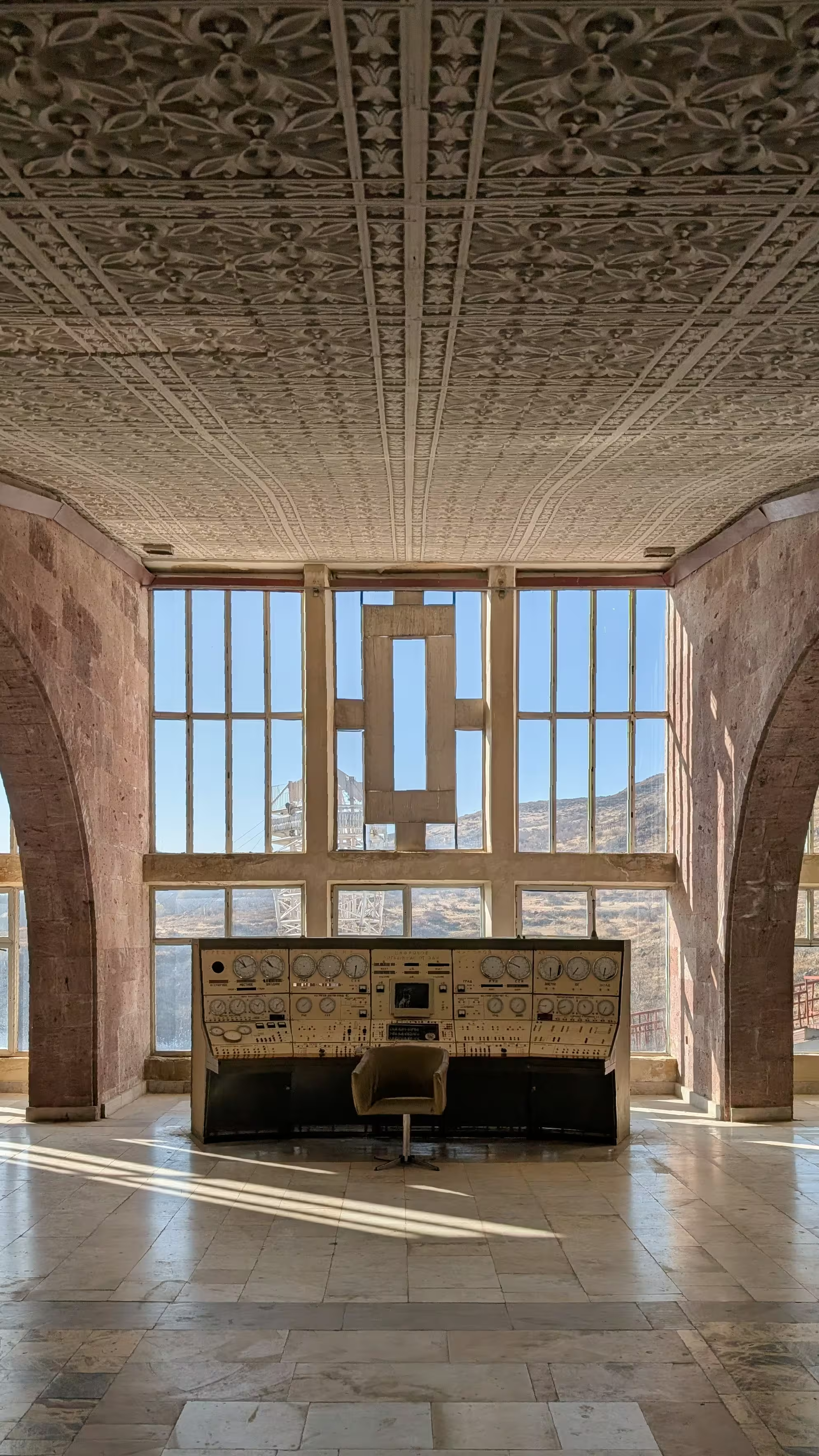
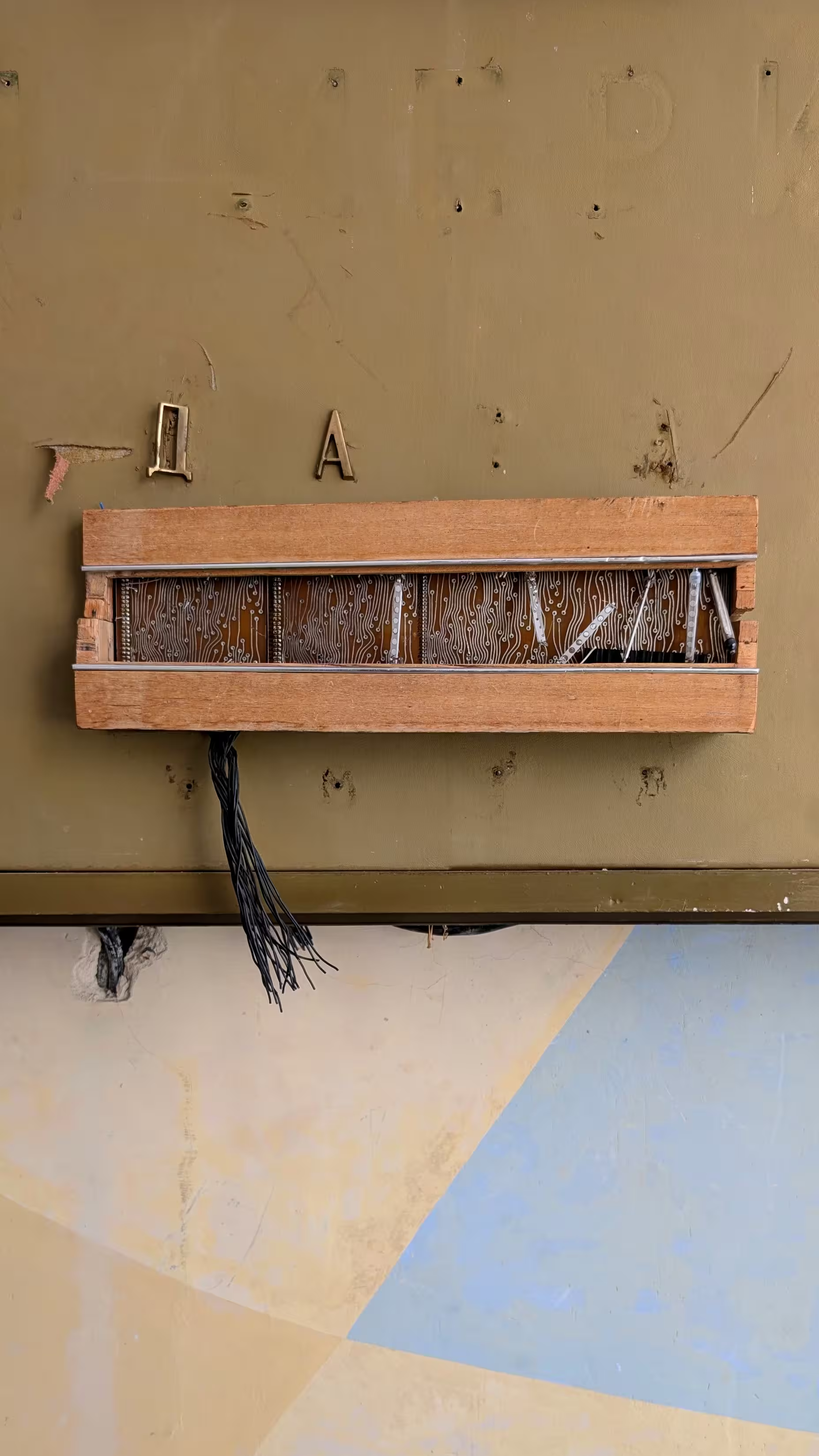
У ёй захаваліся пульты кіраваньня:
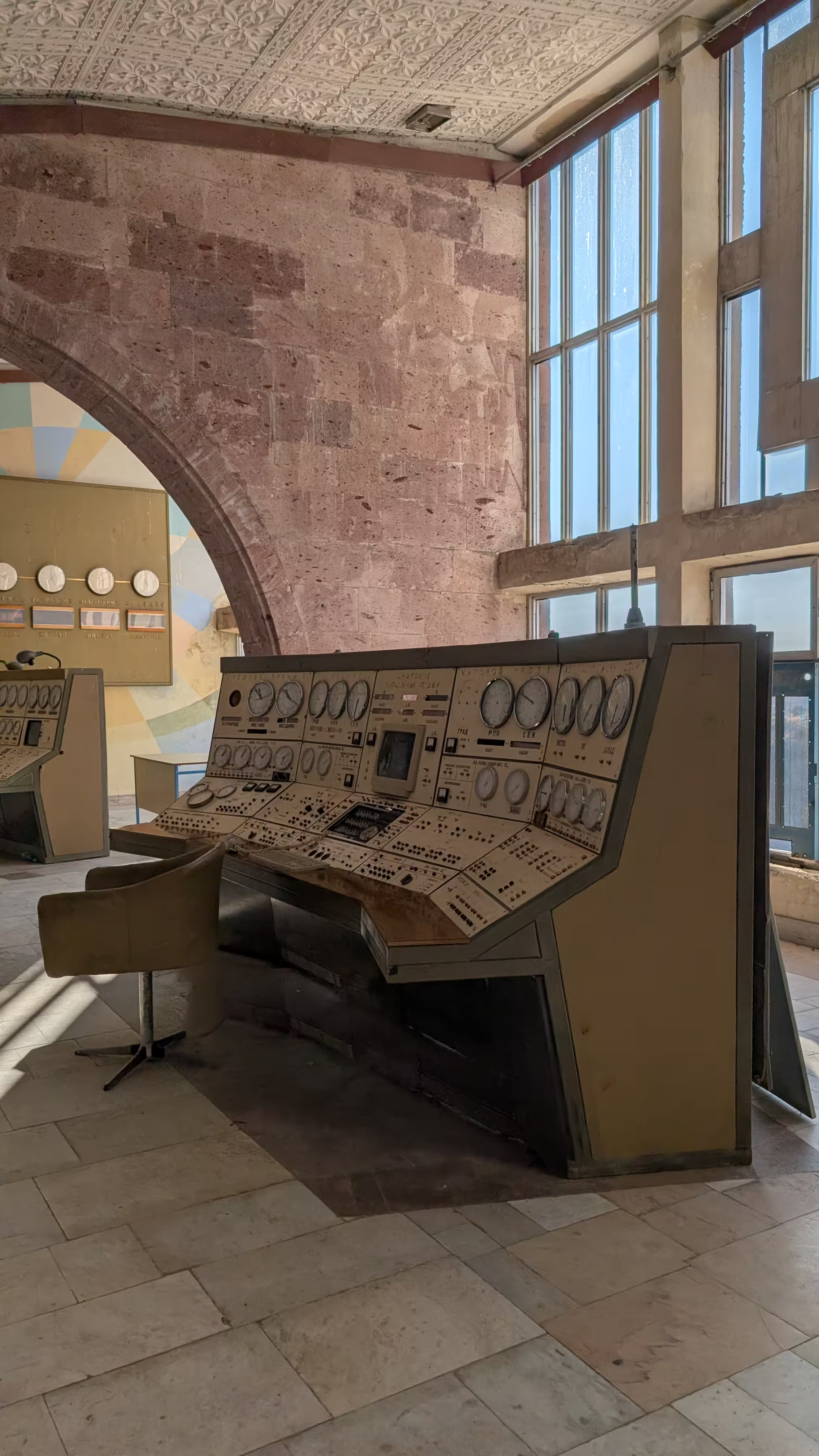
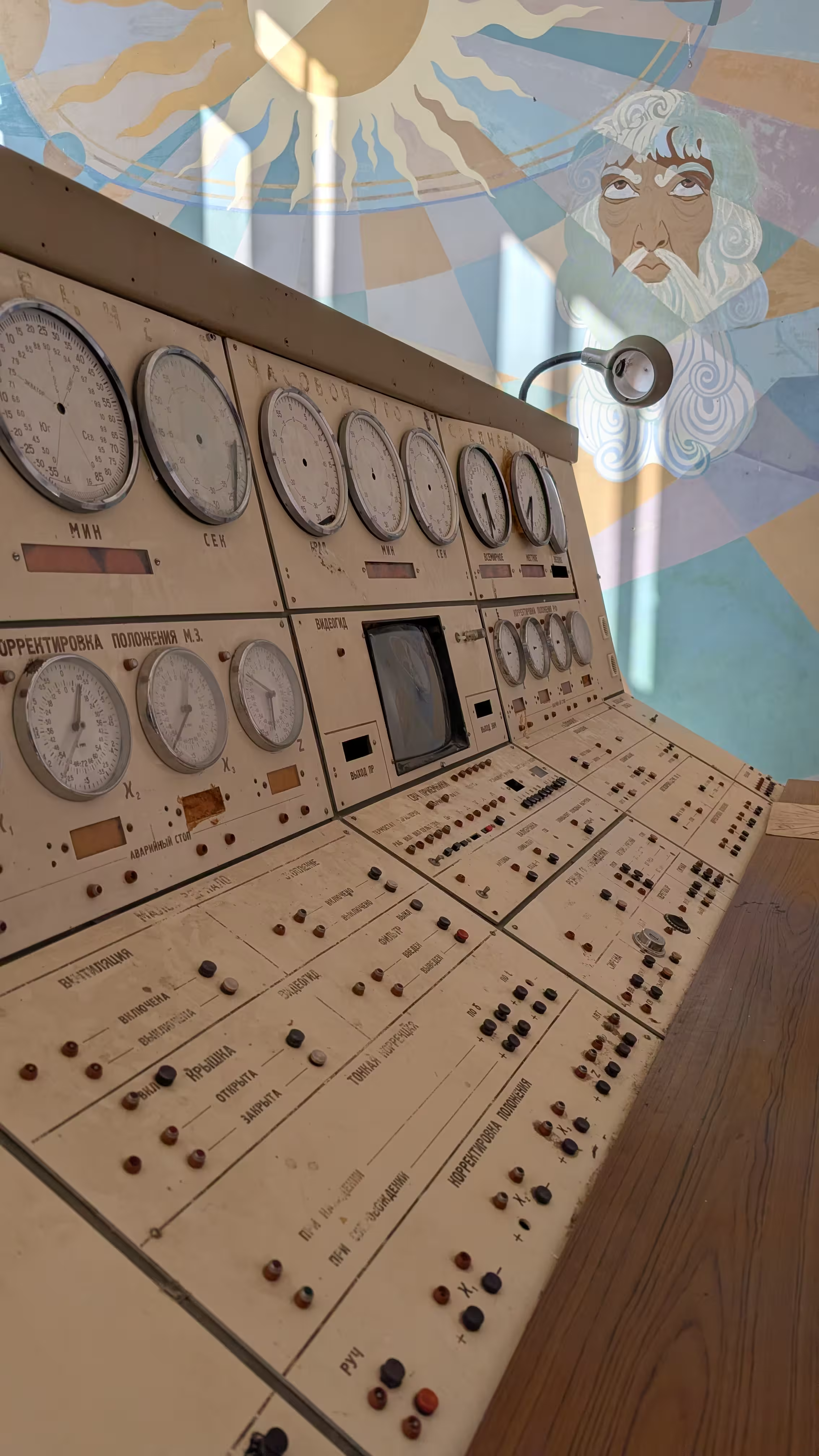
Тэстуем абсталяваньне:
Фрагмэнты пультаў:
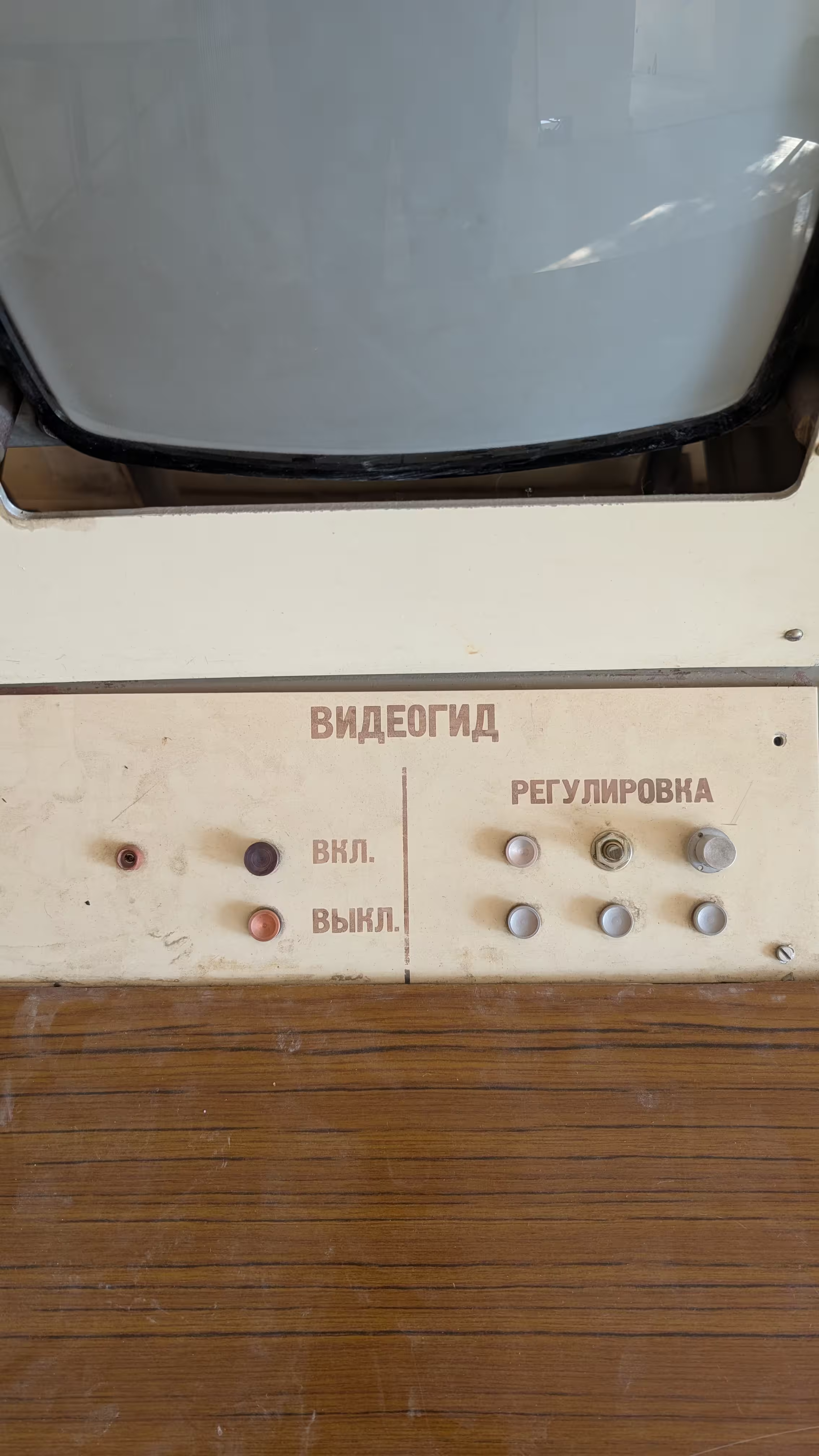
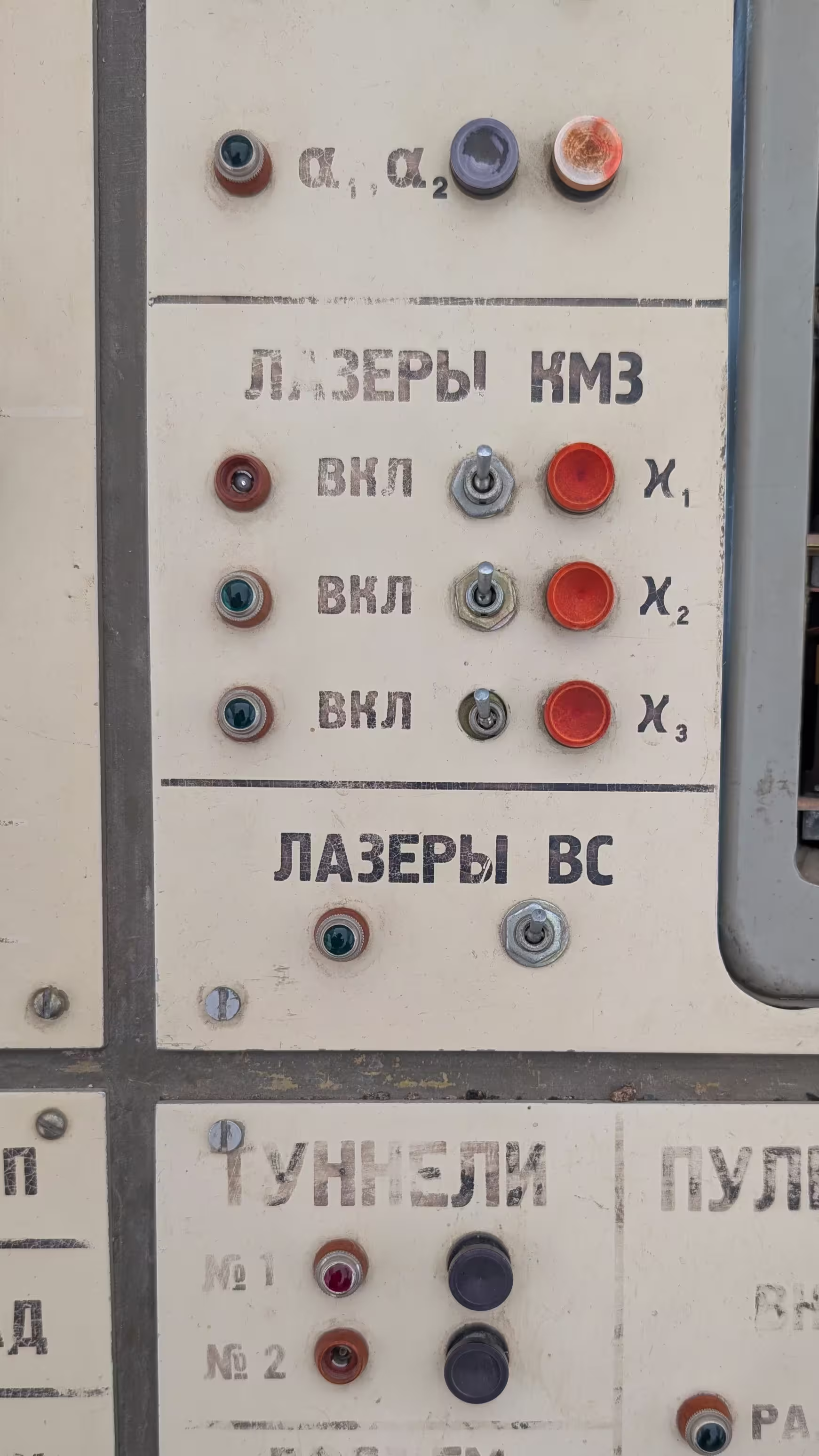
Сьлед мадэрнізацыі 1995–2010 гадоў:
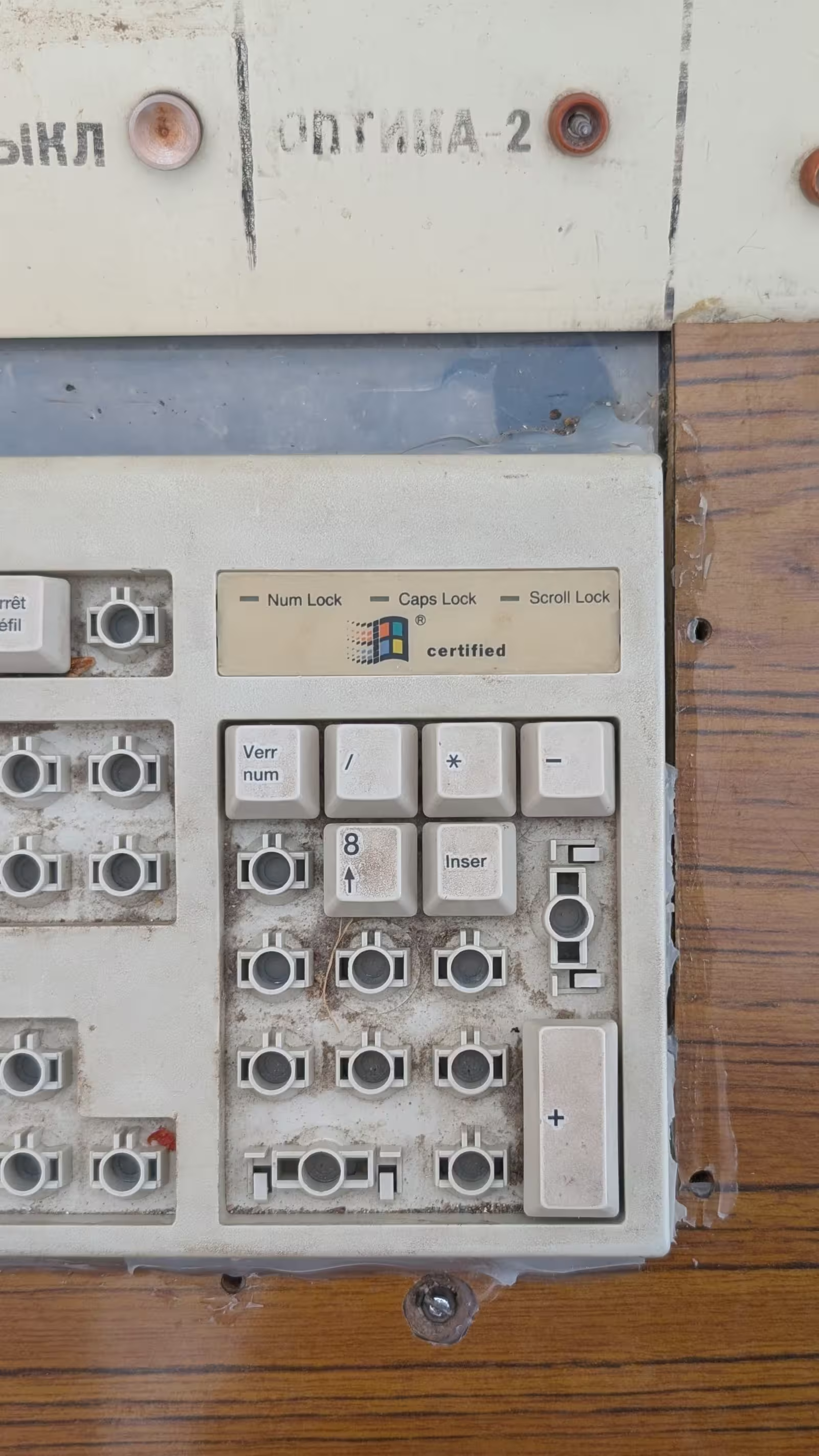
Гадзіньнікі на пультах:
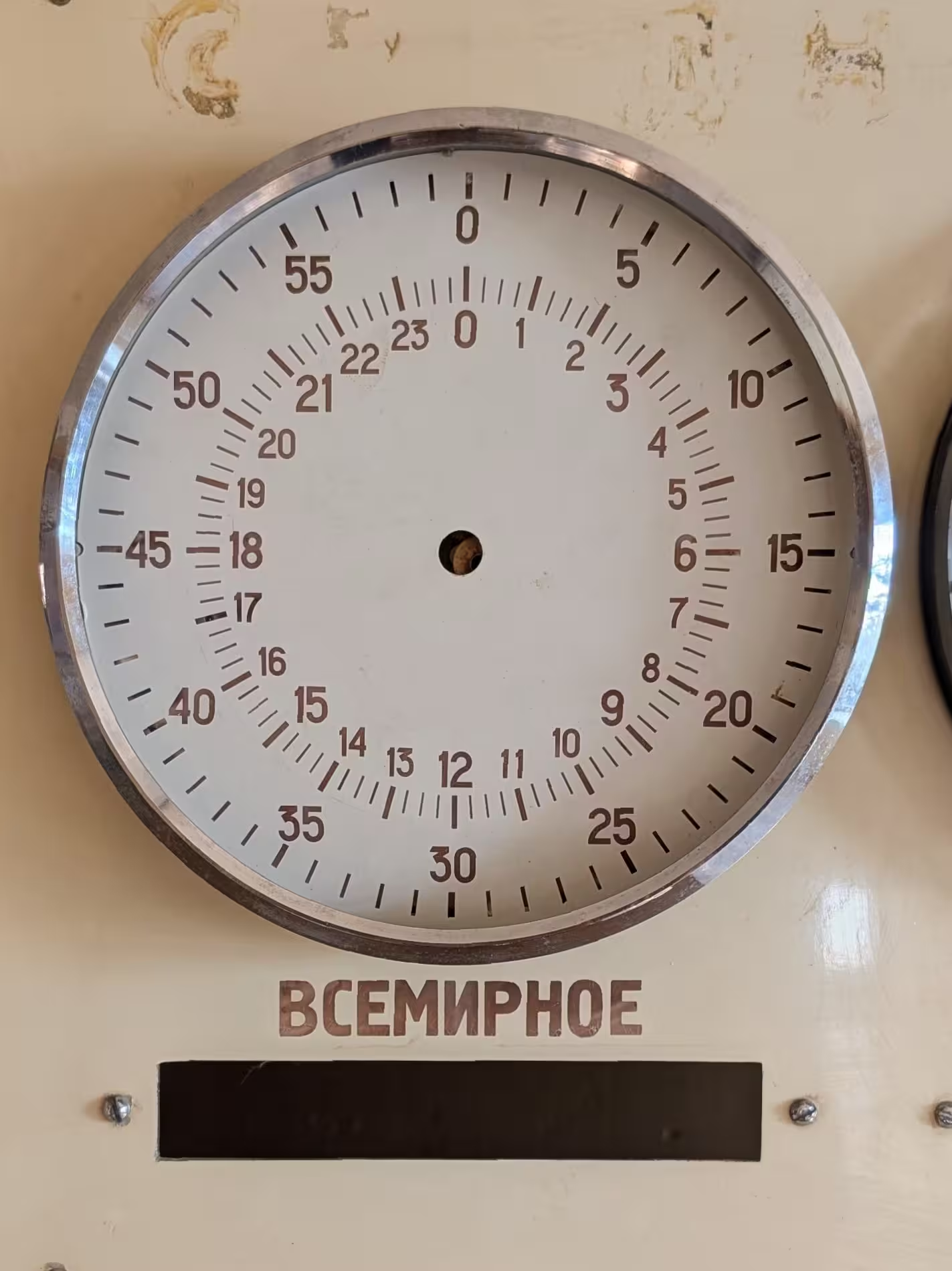
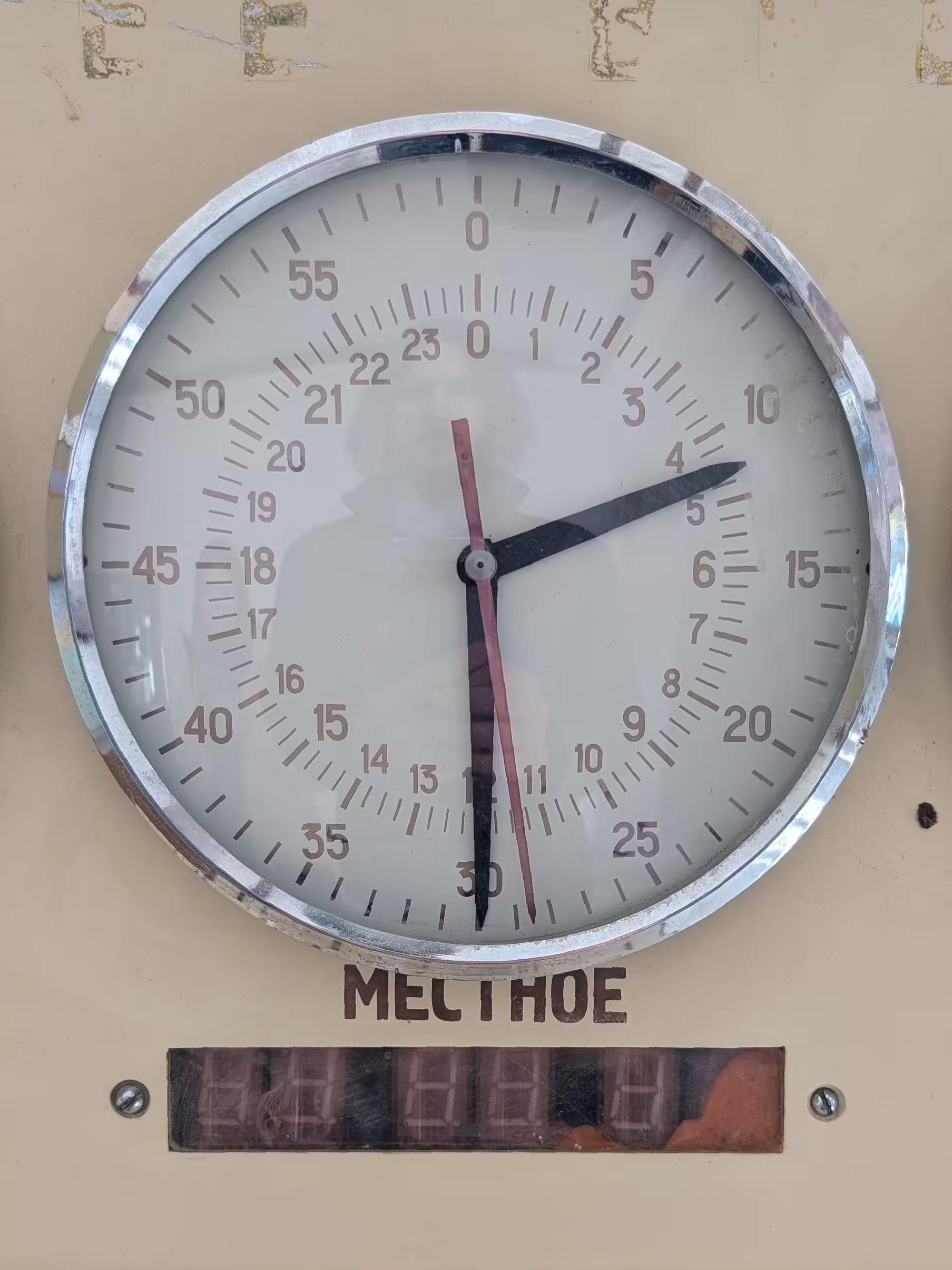
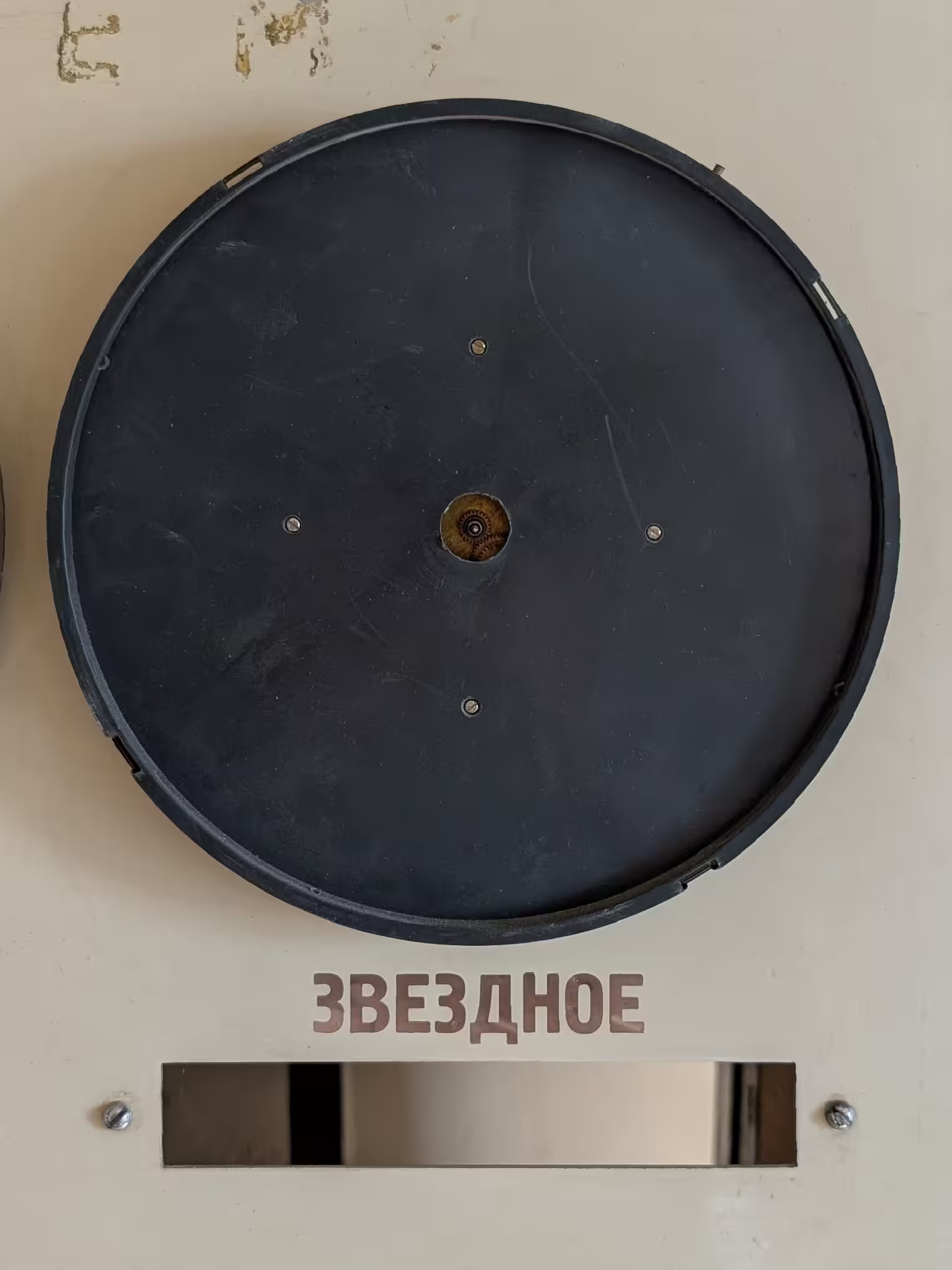
Зацікавіўся, што такое зорнае час. Аказваецца, яго адлічваюць па кручэньні Зямлі адносна далёкіх зорак, а не Сонца. Зорныя суткі доўжацца 23 гадзіны 56 хвілін 4 секунды. Гэта значыць, што зорныя гадзіньнікі пастаянна адстаюць ад стандартнага часу.
Гадзіньнікі на сьцяне:
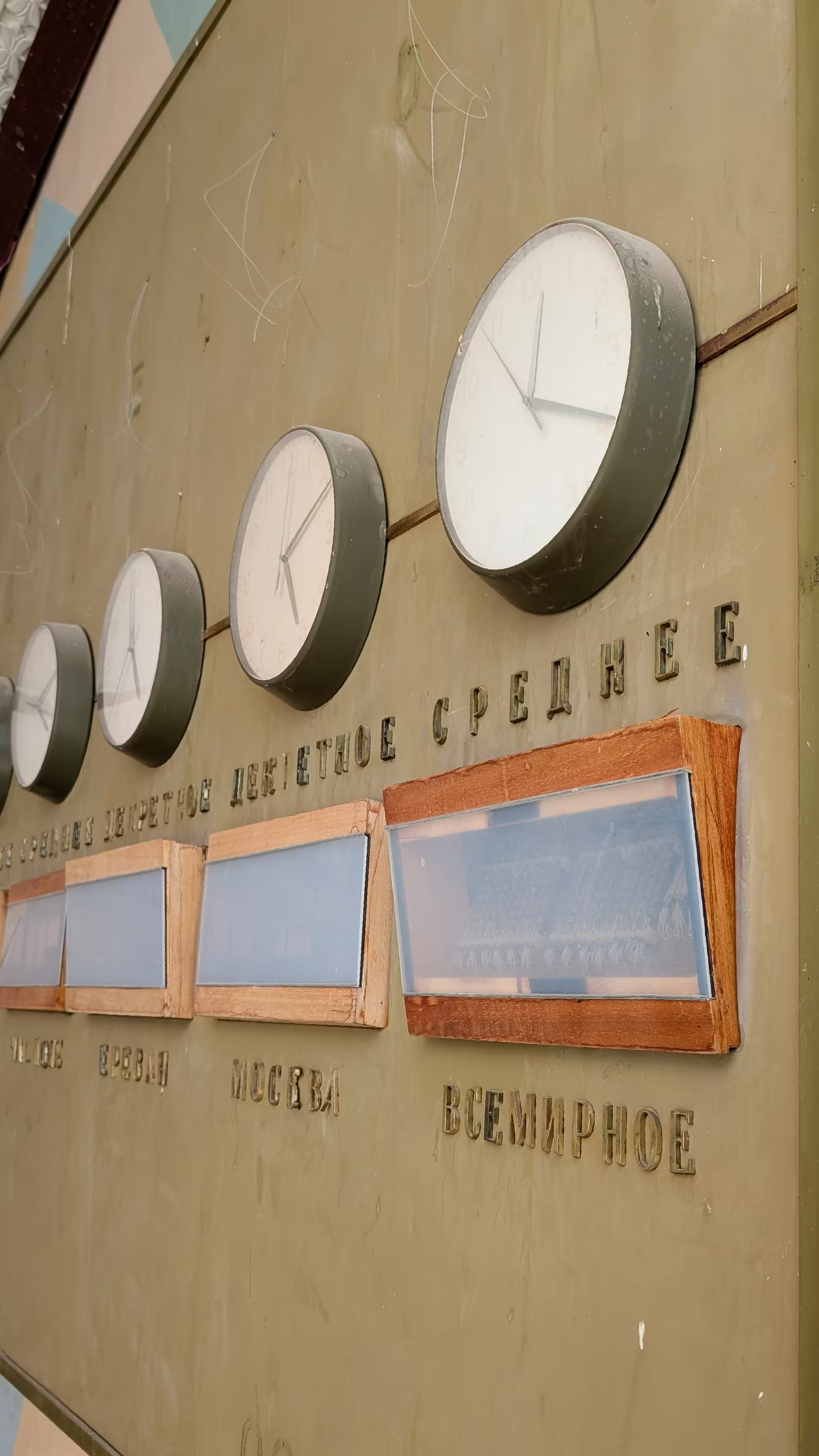
Хацеў забраць гадзіньнік, але не наважыўся. З аднаго боку, іх усё роўна рана ці позна здымуць. З другога — нешта не дазваляе ўдзельнічаць у гэтым.
У суседніх пакоях знаходзяцца яшчэ пульты
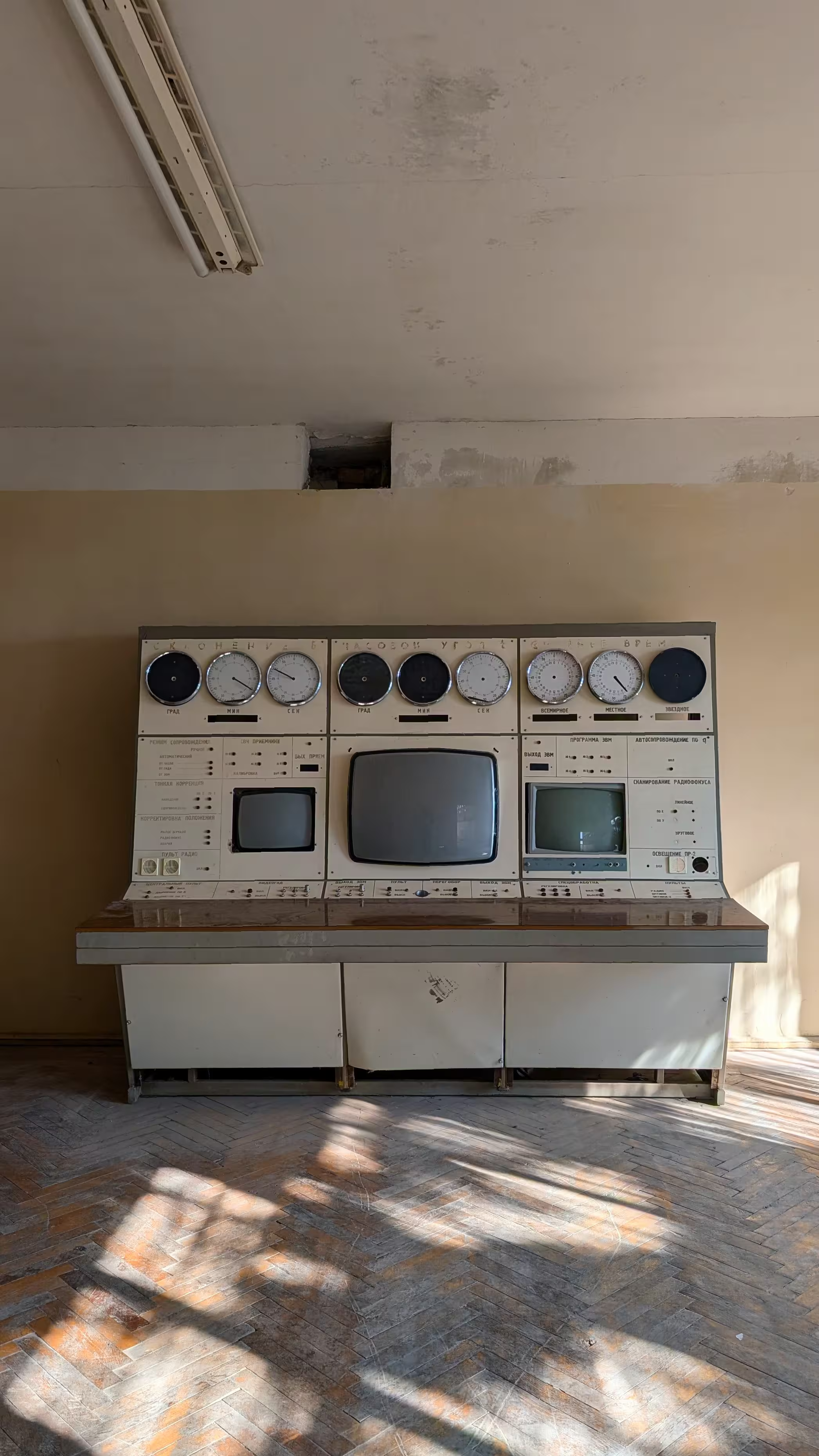
для кіраваньня тэрыторыяй.
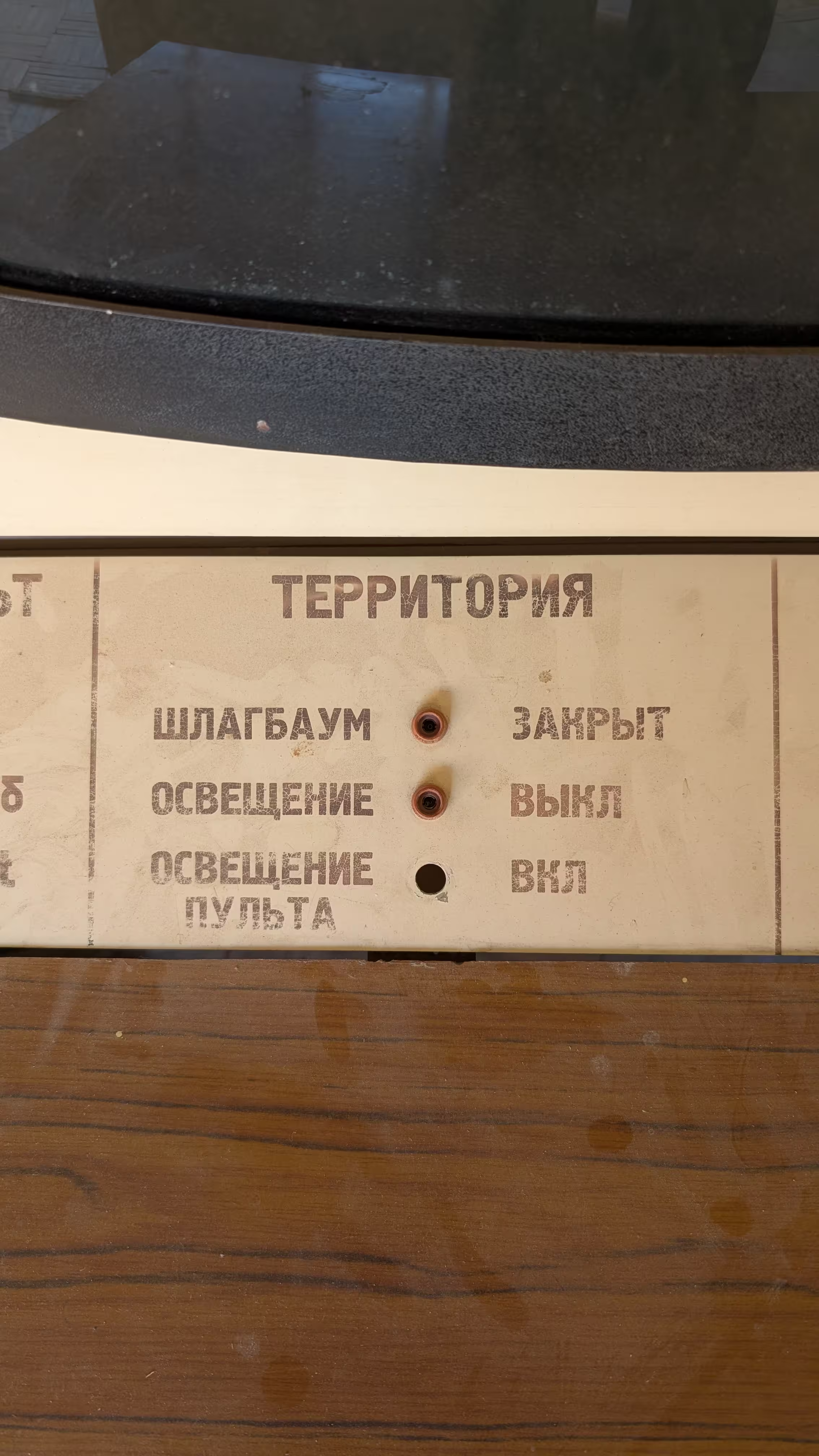
На дзіва добра захаваўся столь:
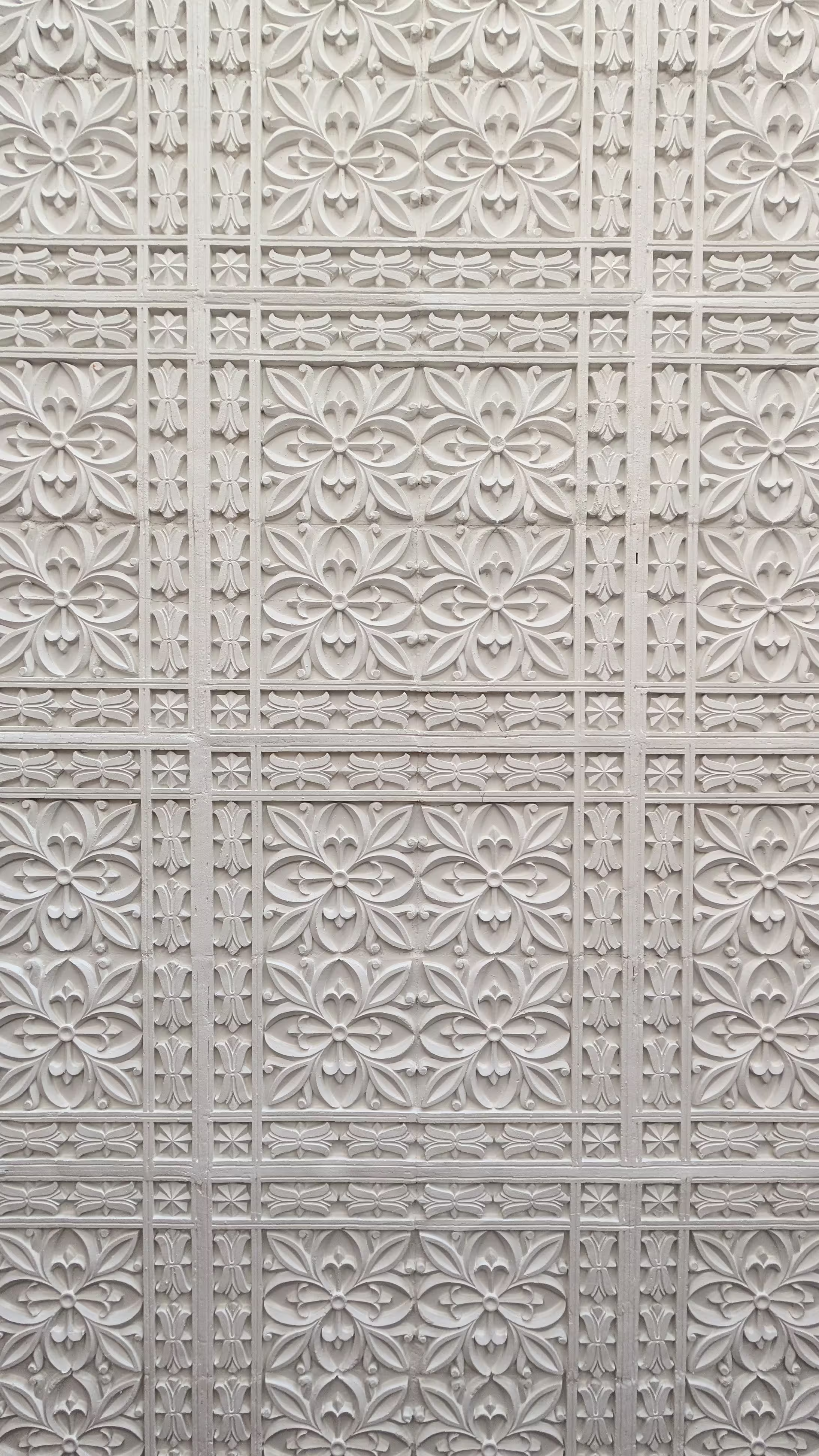
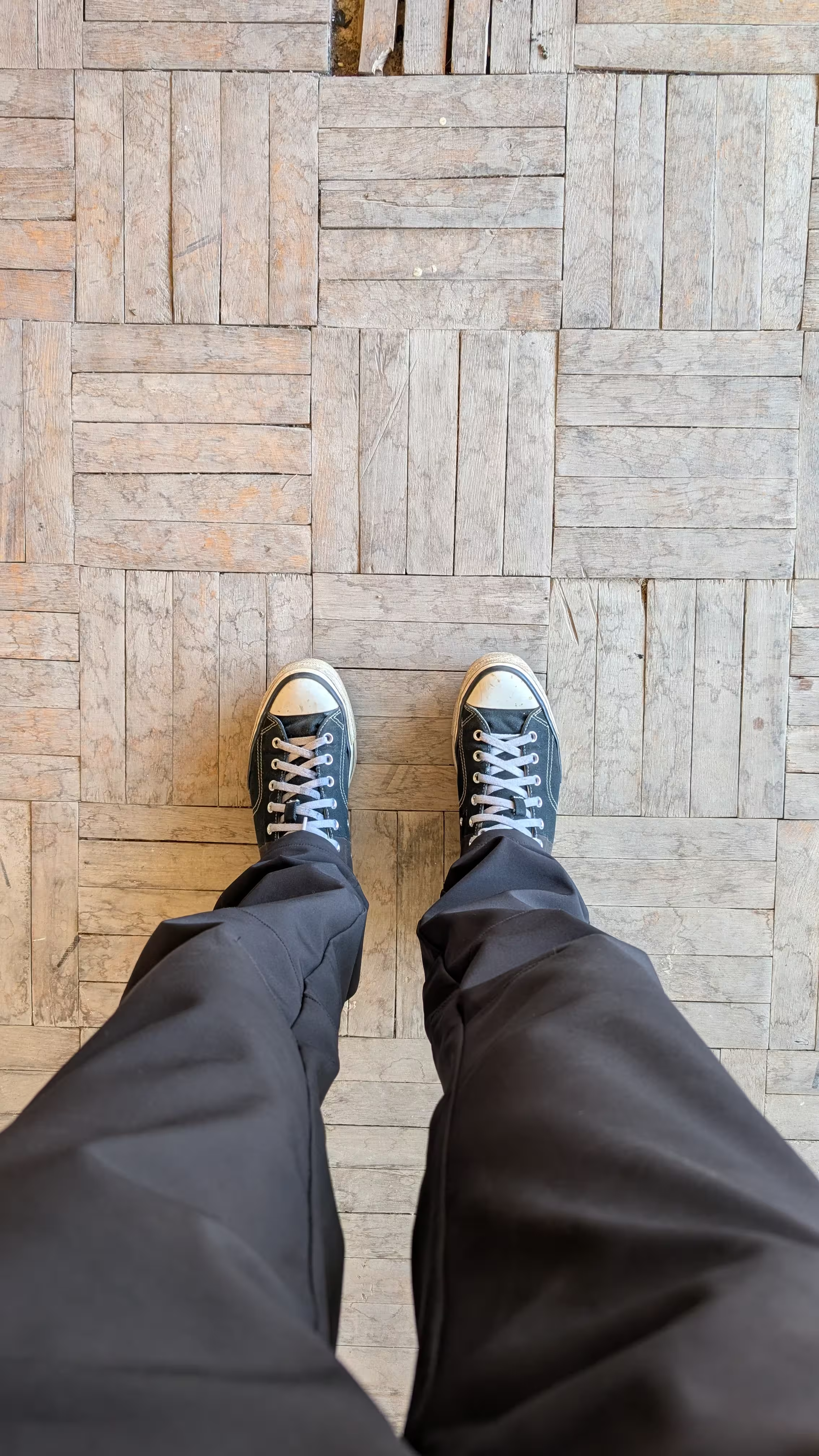
Не вельмі добра, але захаваўся паркет:
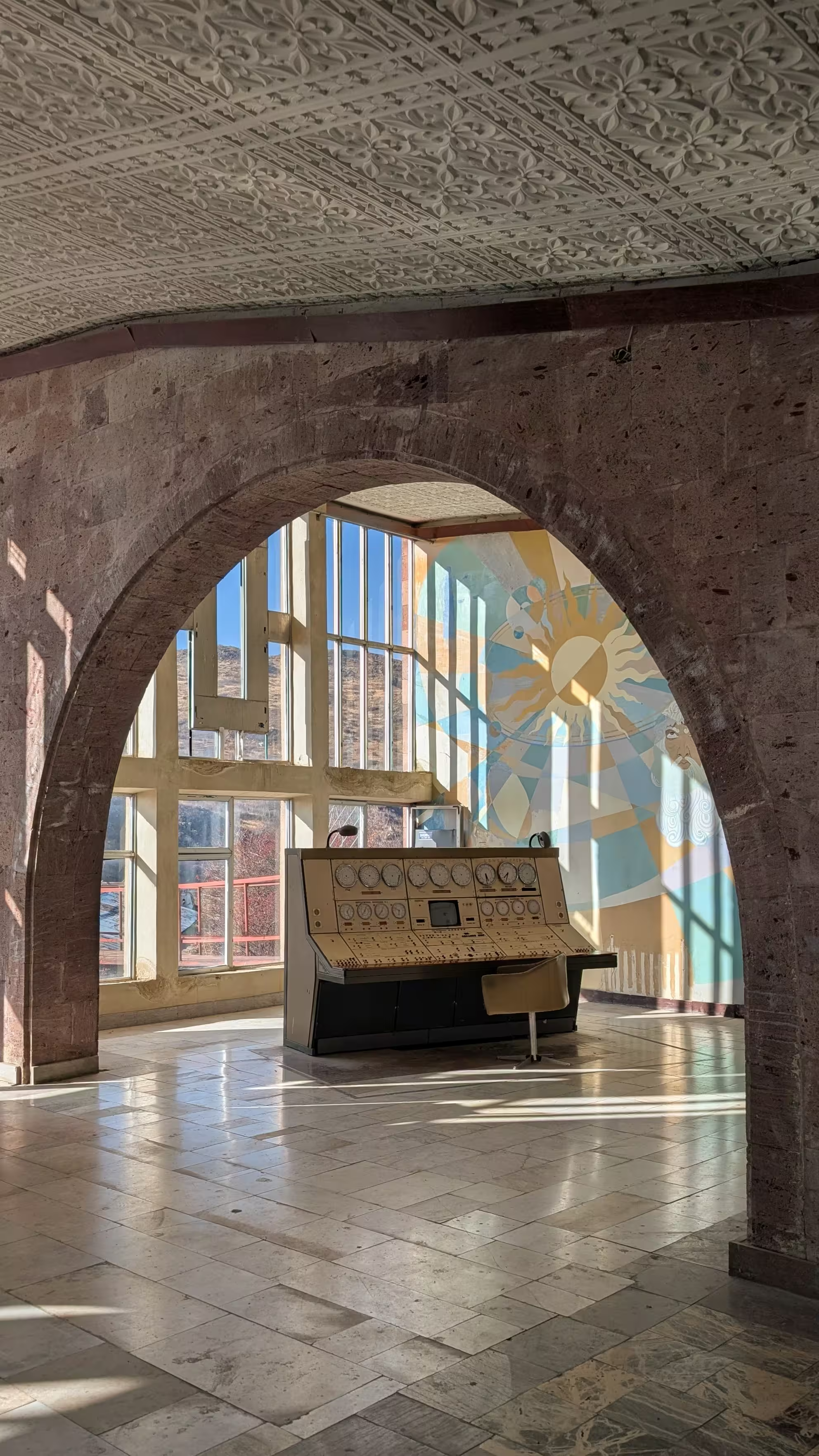
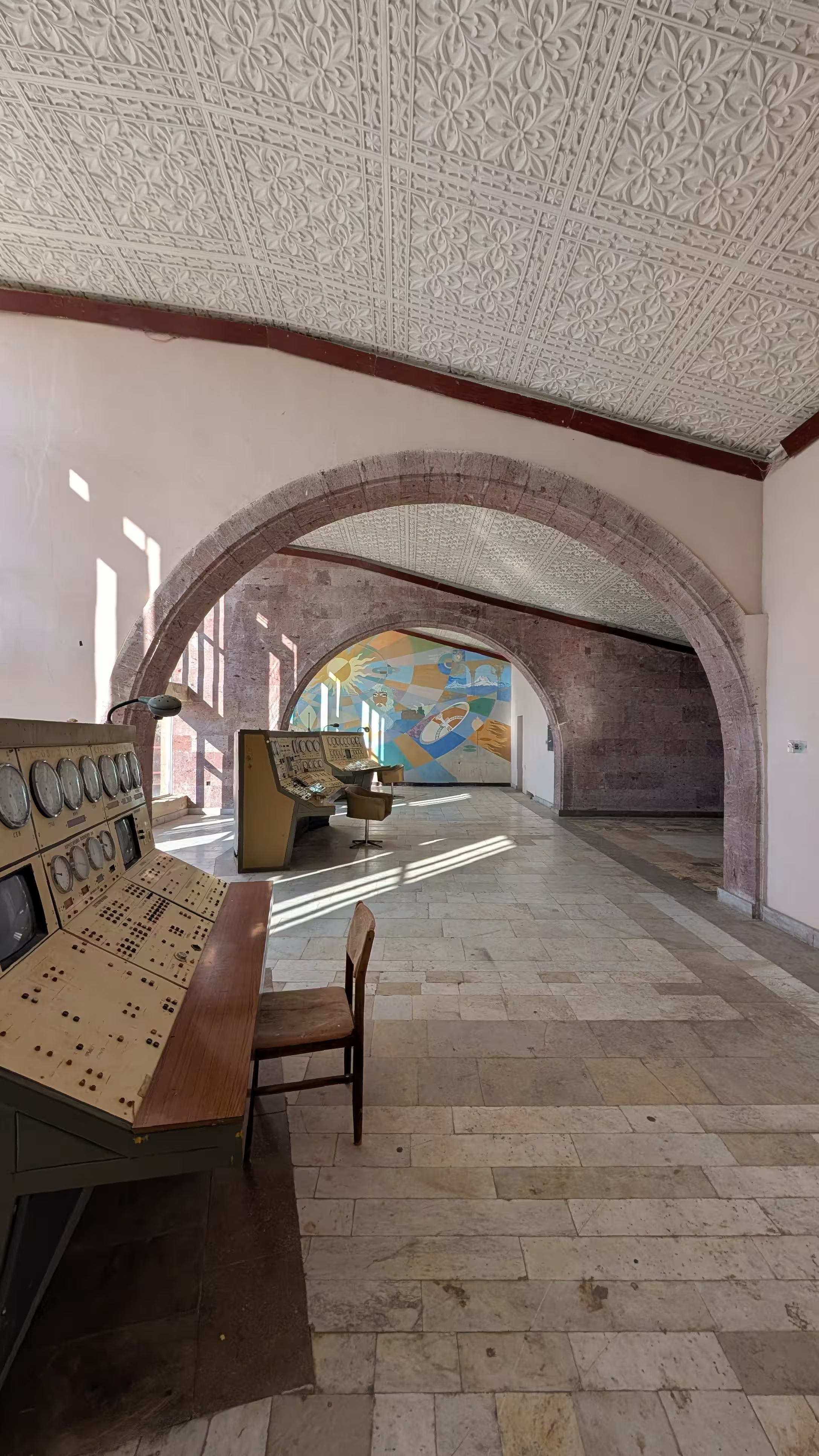
У армянскай архітэктуры часта сустракаюцца аркі. Гэтае будынак не стаў выключэньнем.
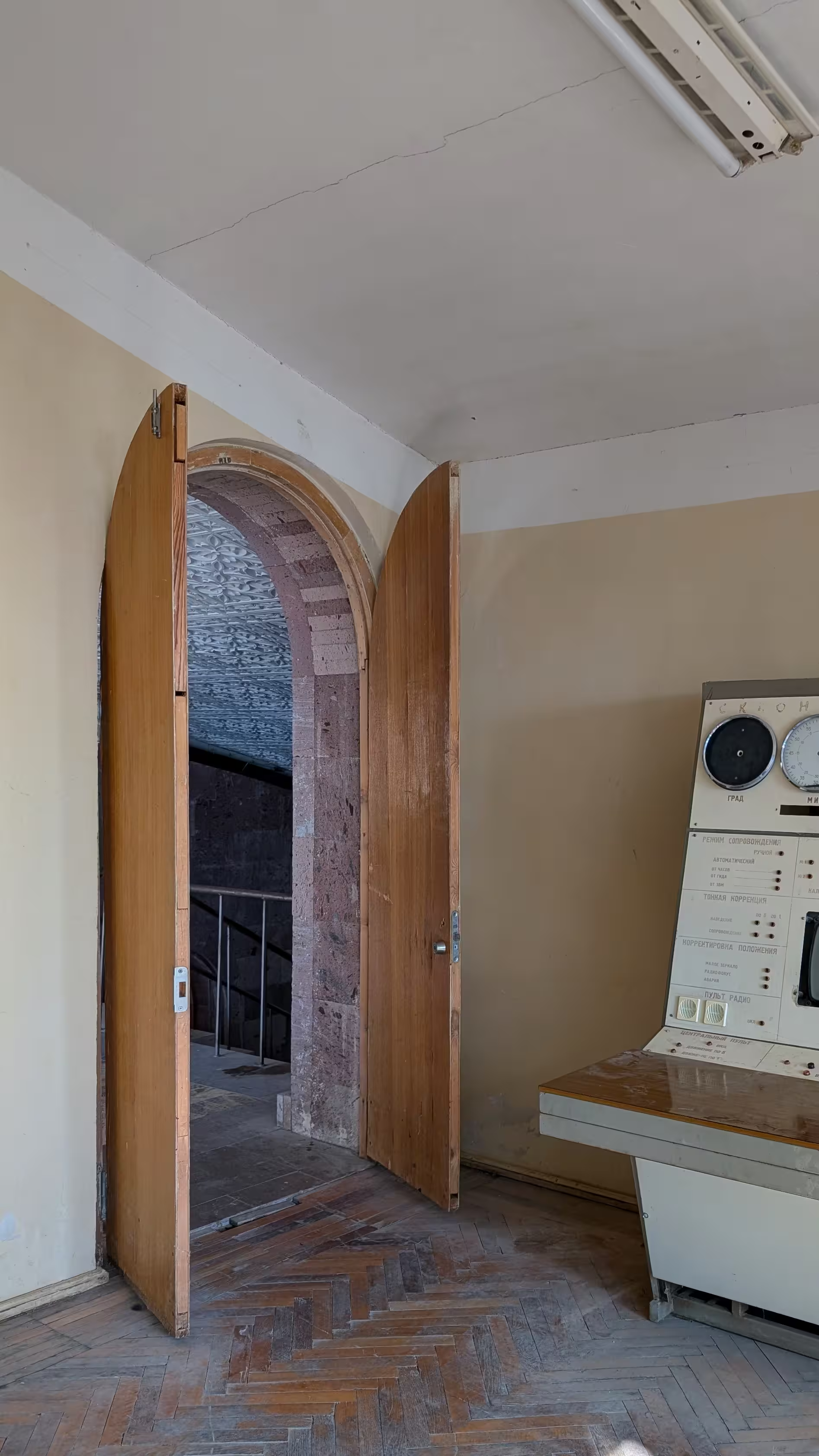
Раней можна было спусьціцца ўніз
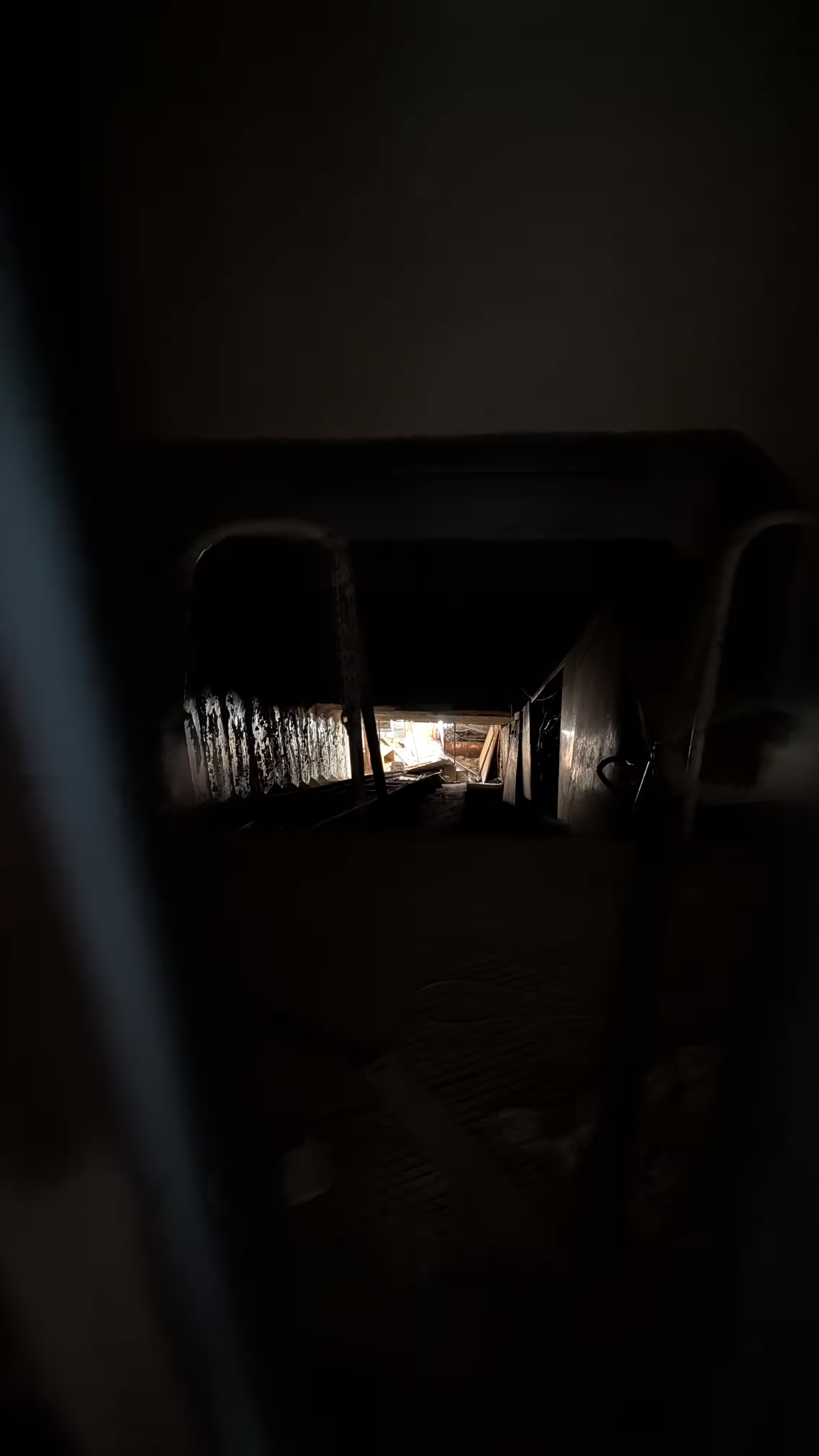
і выйсьці ў чашу тэлескопа:
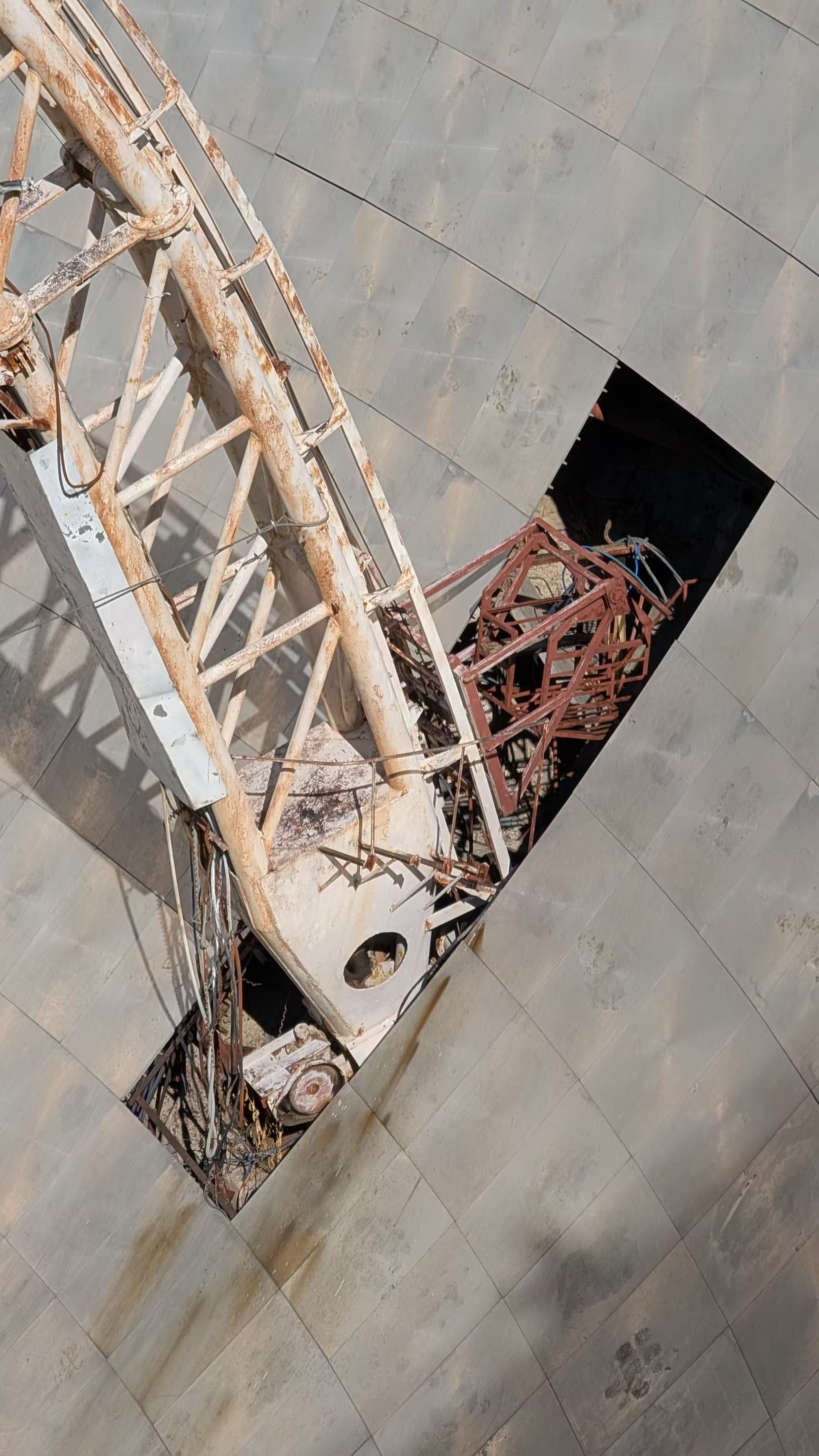
Але цяпер уваход завараны рашоткай.
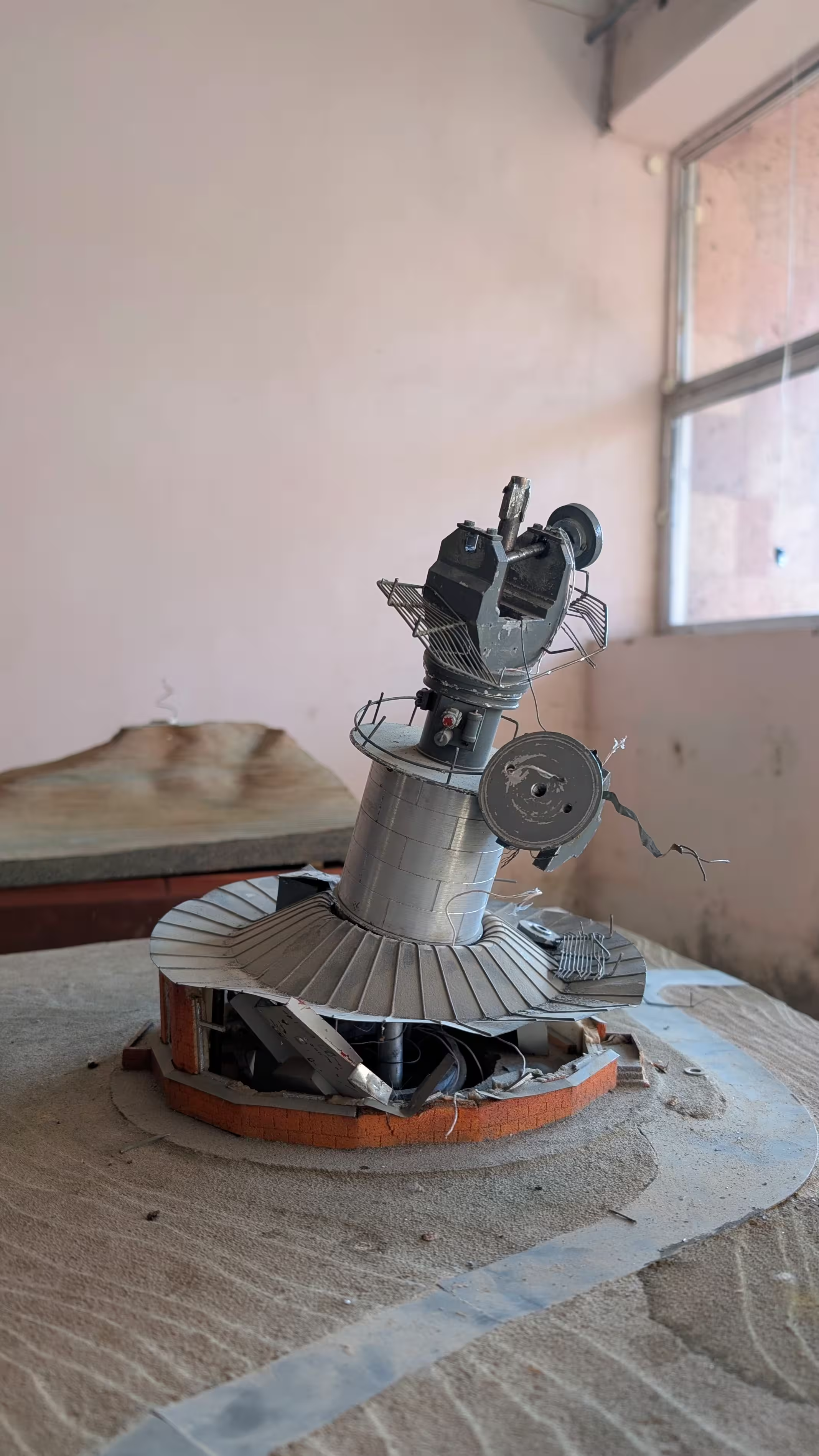
У рубцы захаваліся рэшткі макета тэлескопаў:
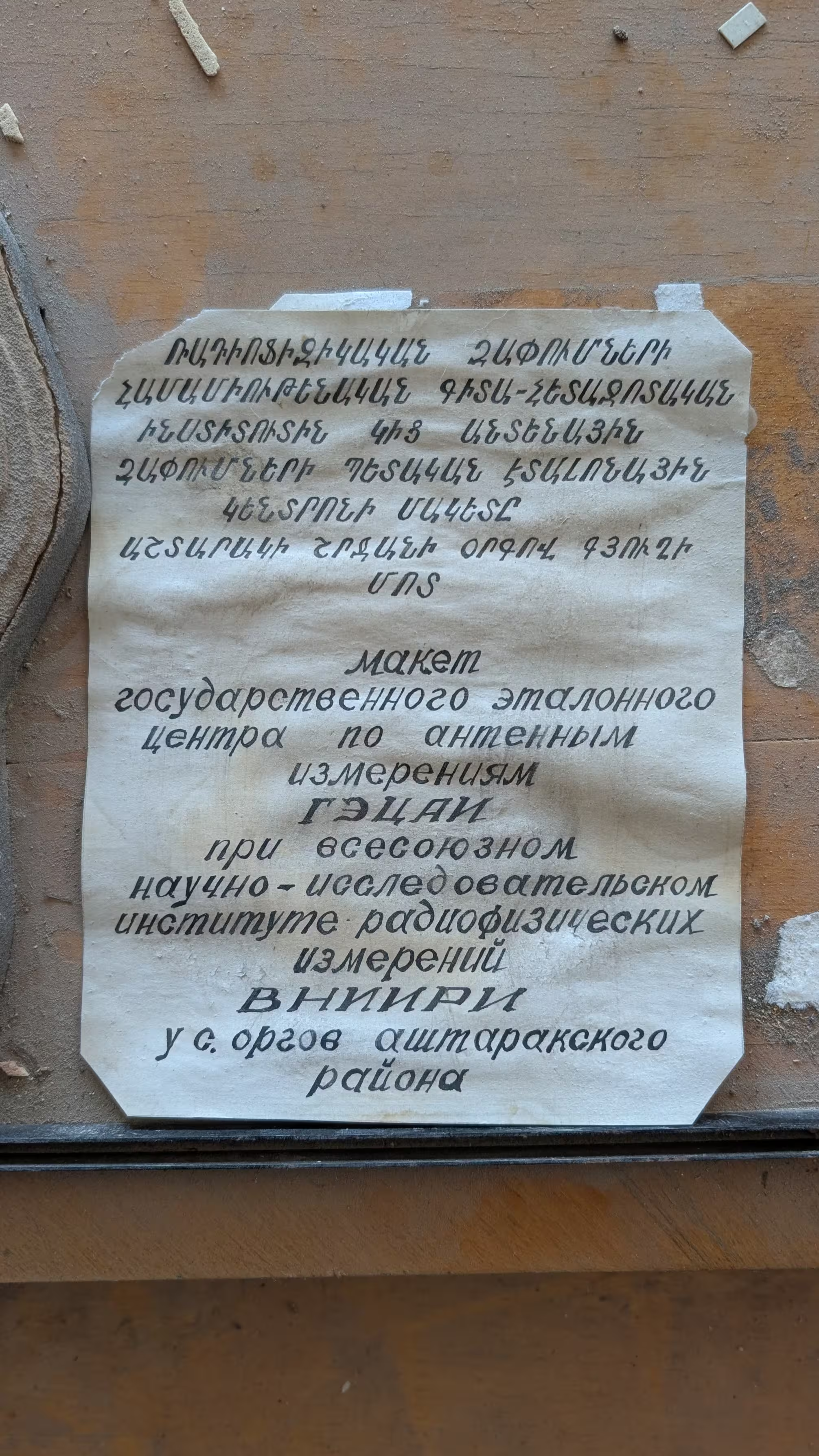
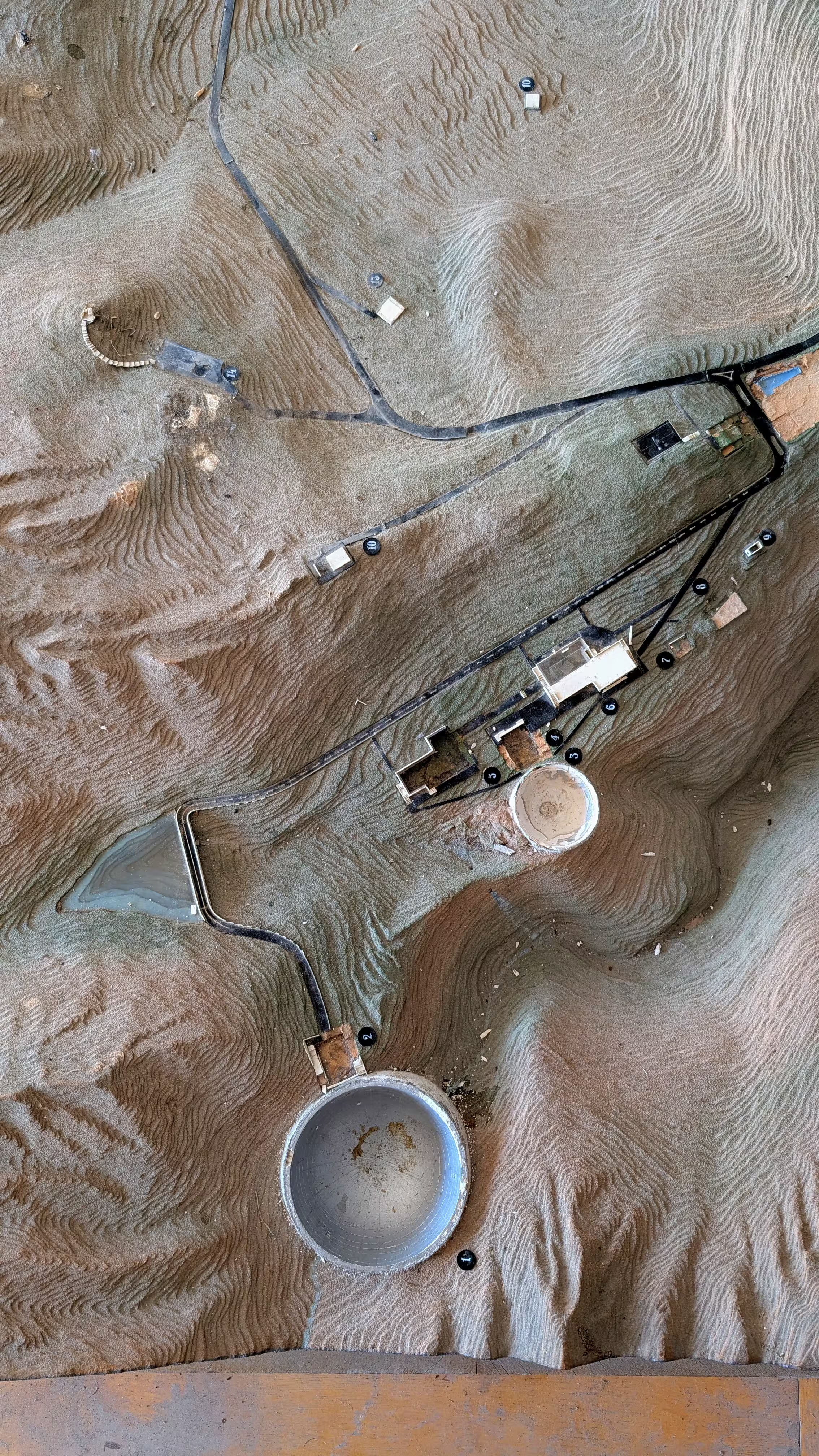
Меншы тэлескоп на макеце — гэта тэлескоп Геруни, дзе мы зараз знаходзімся. Побач планавалі пабудаваць яшчэ большы, але гэтым планам не было наканавана зьдзейсьніцца.
Чарцёжны стол з ФРГ:
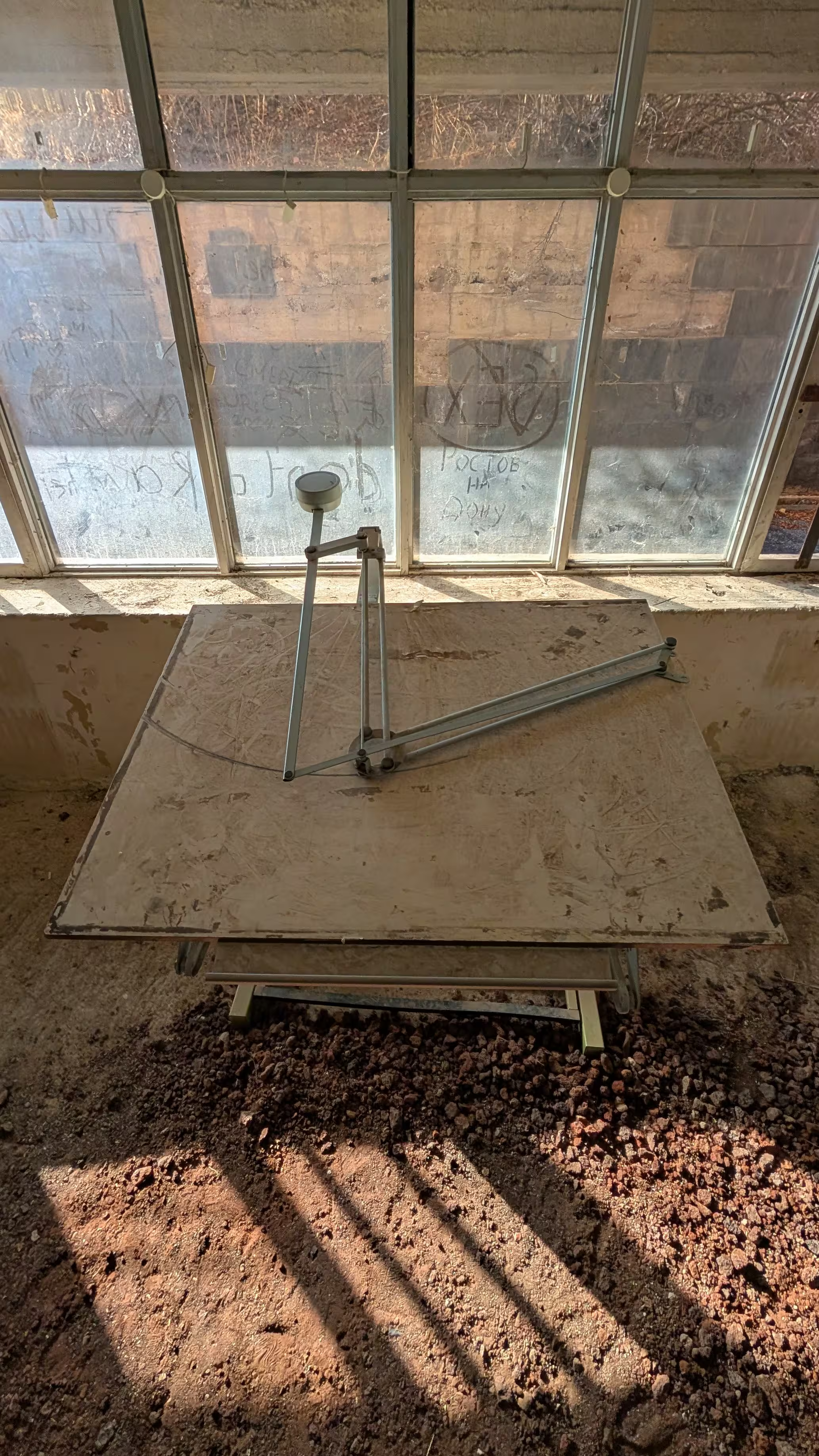
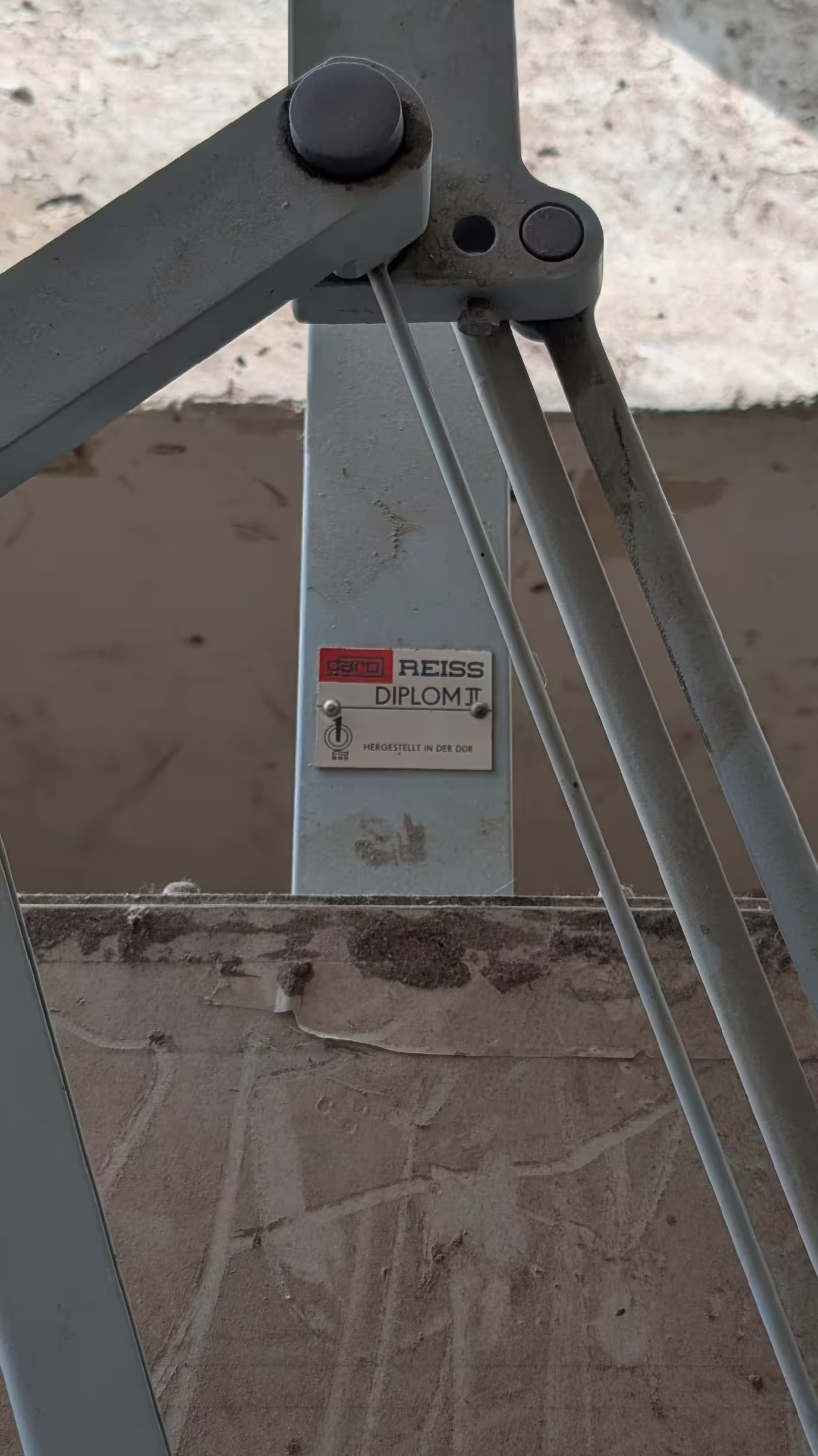
Цікава, што краіны, у якой зроблены стол (ФРГ), і краіны, якая яго купіла (СССР), ужо не існуюць.
Калісьці ў гэтым будынку праходзіў арт-фэстываль:
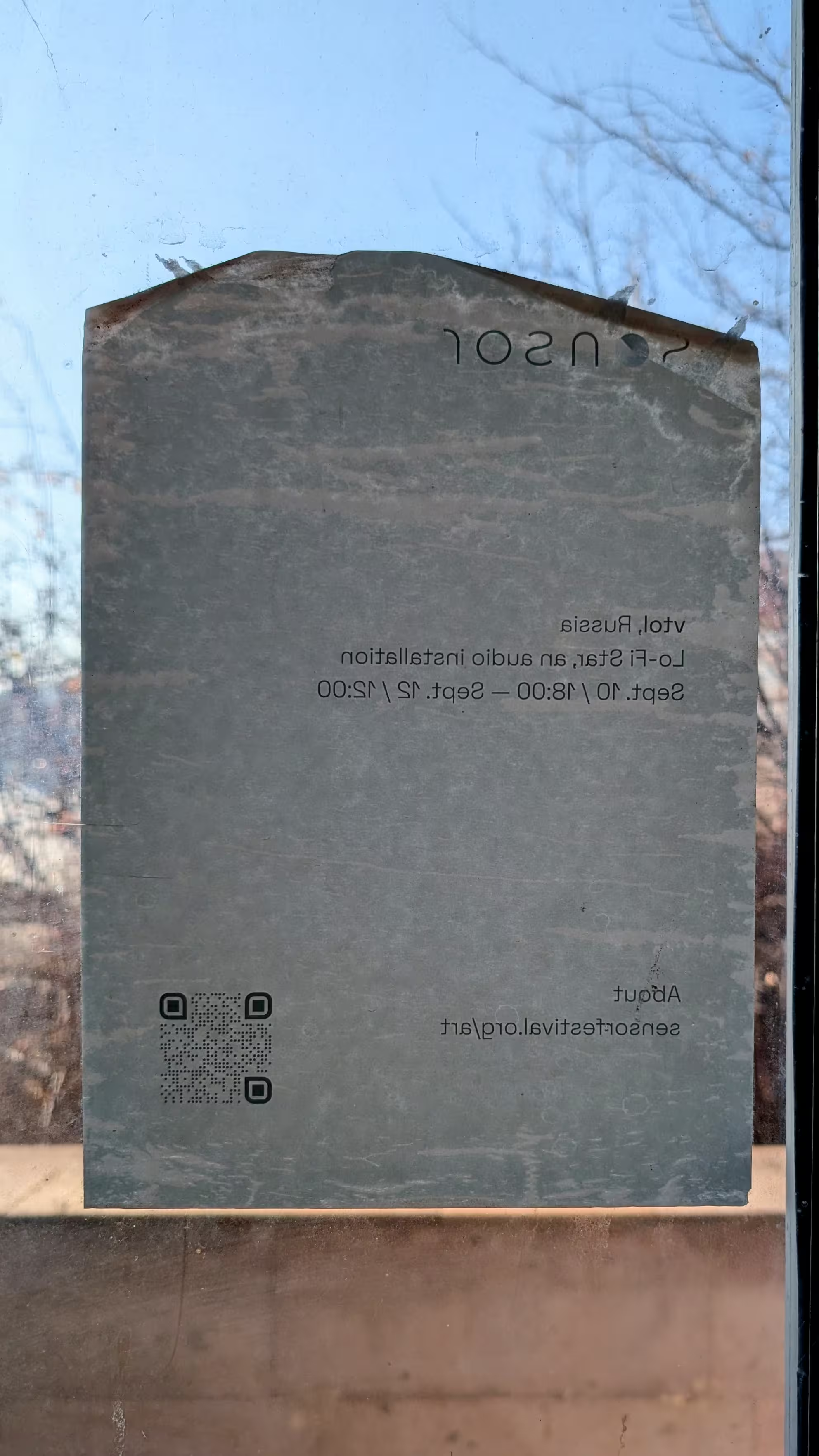
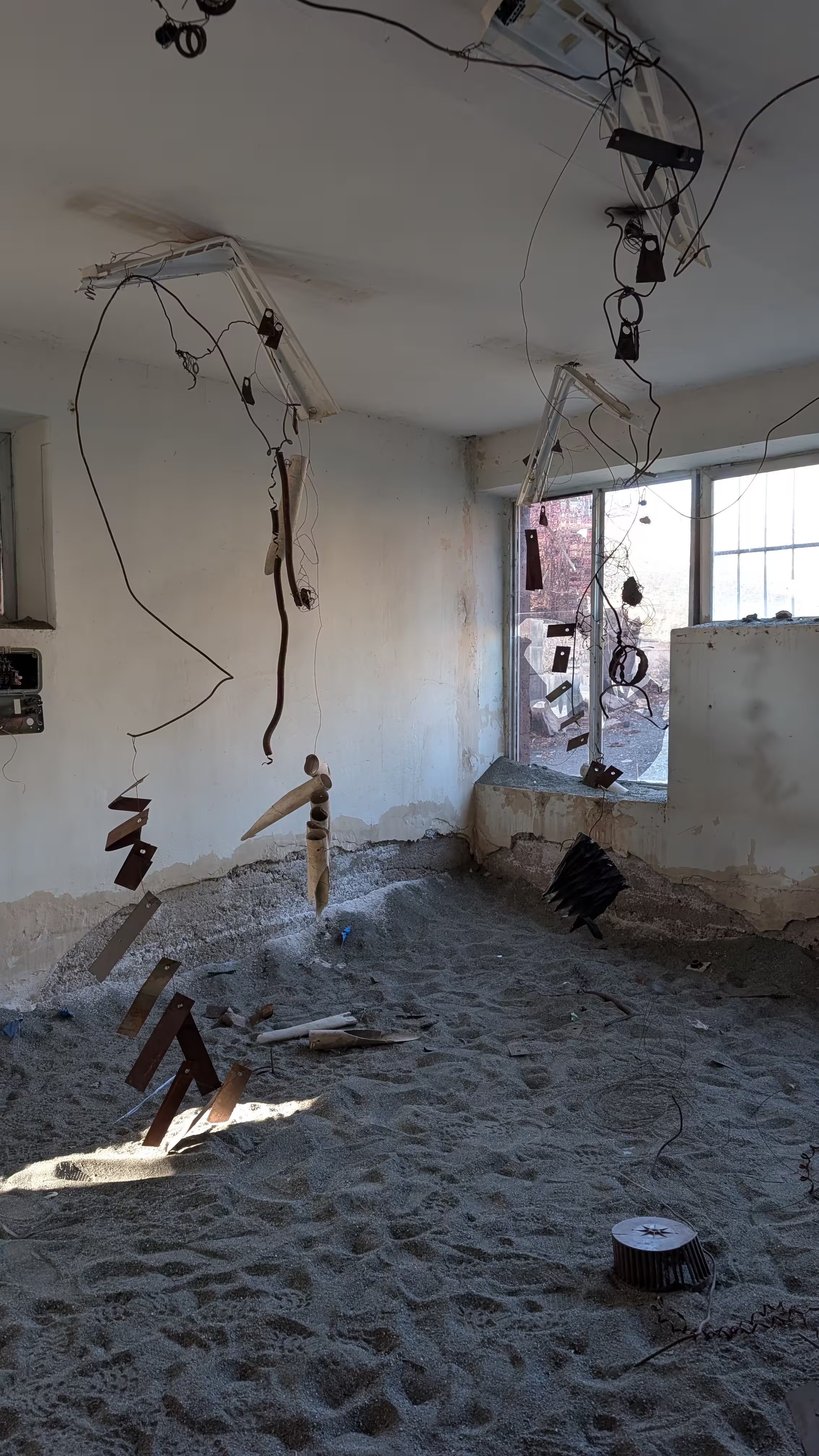
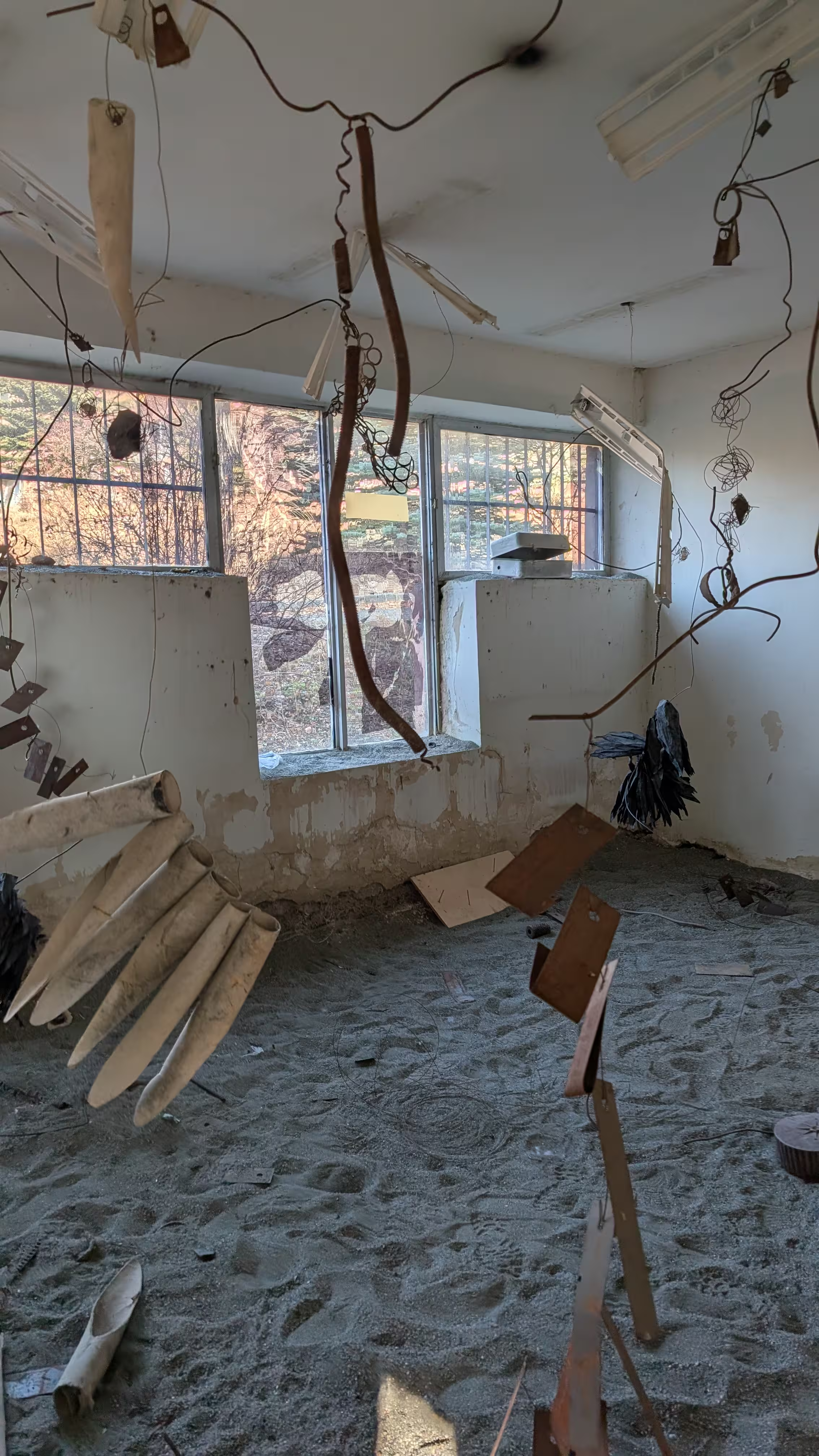
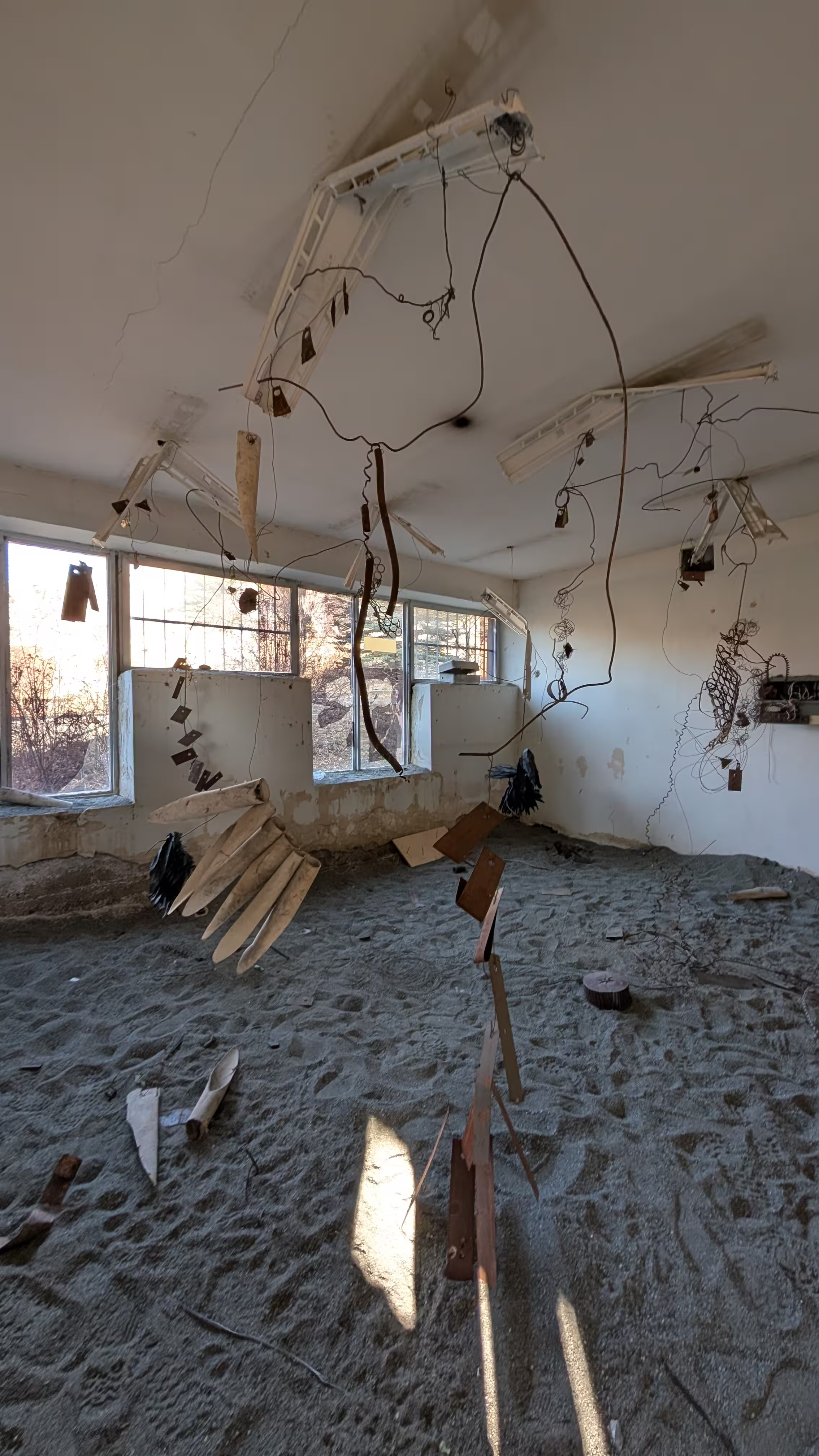
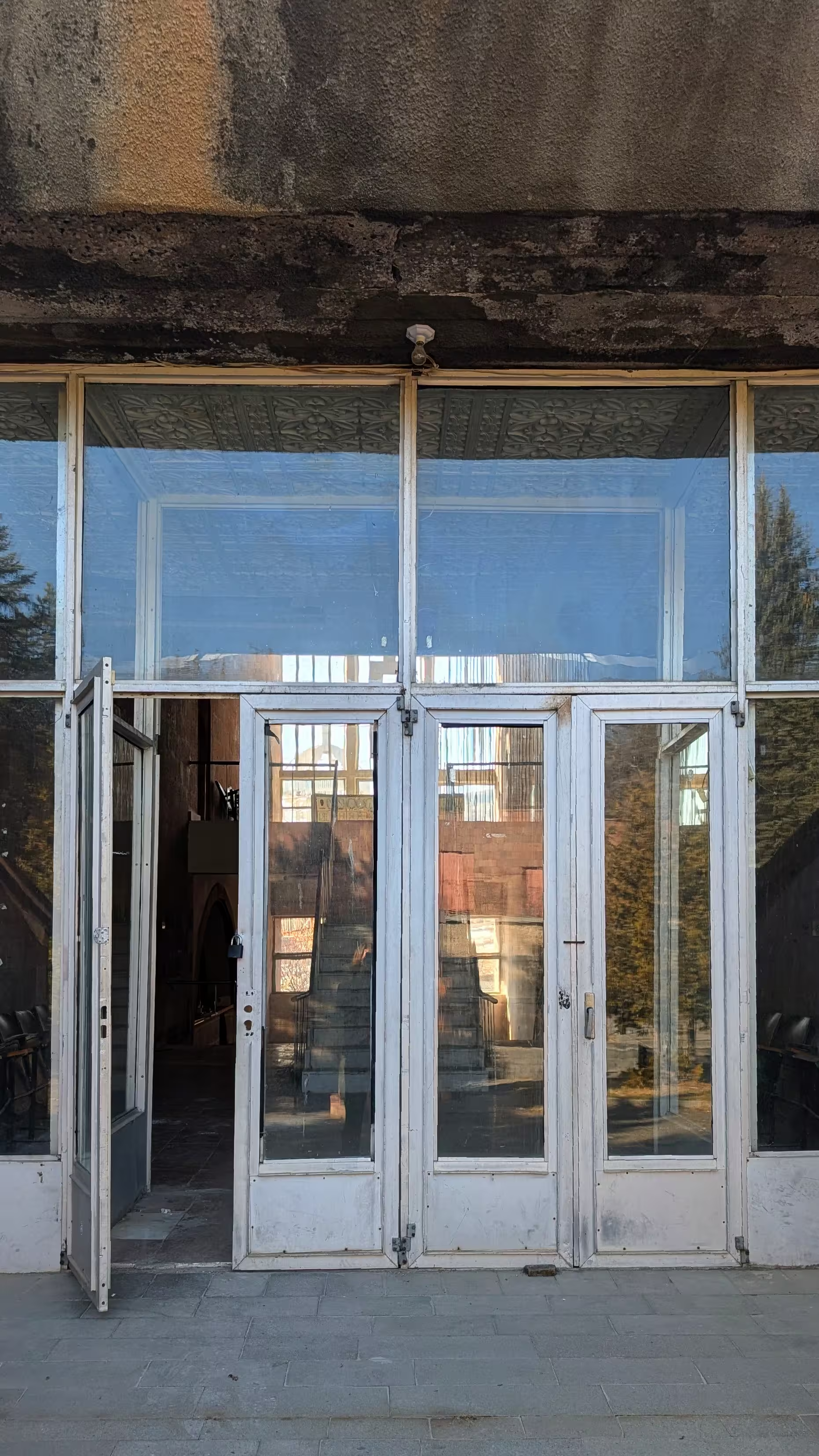
З адваротнага боку будынка захавалася ўваходная група з алюмінію:
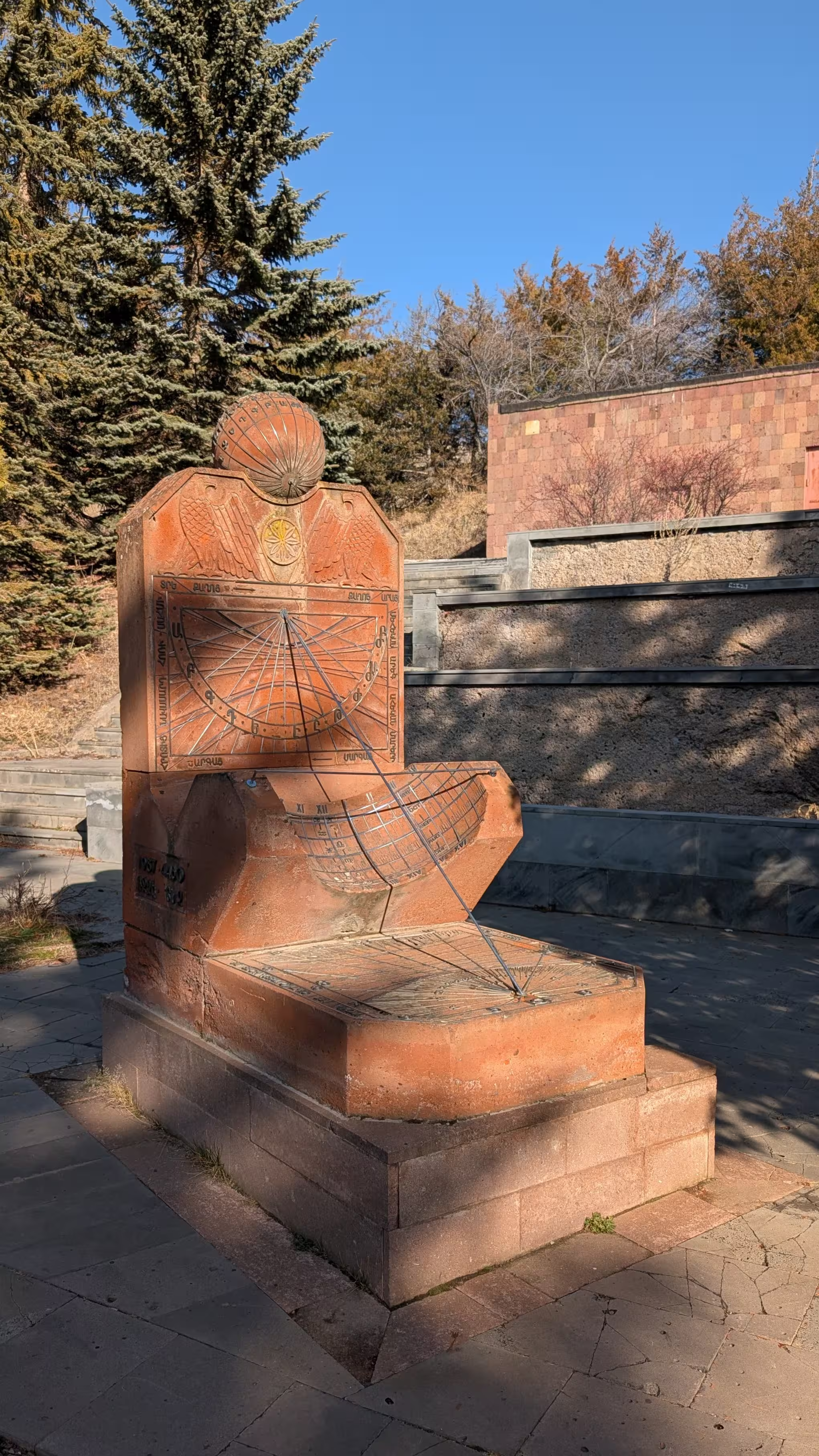
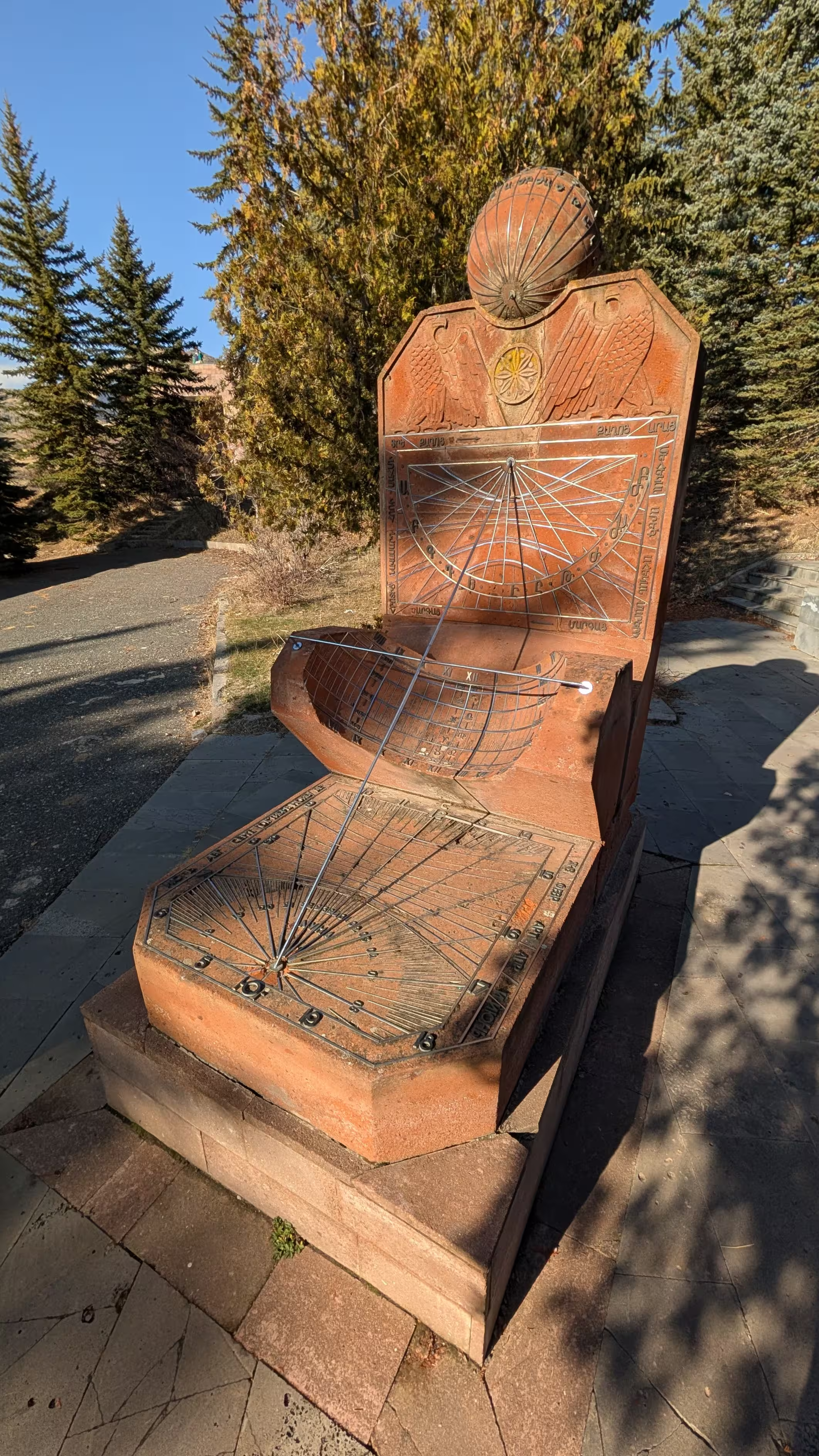
На вуліцы стаяць сонечныя гадзіньнікі. Яны ўсё яшчэ працуюць!
Недалёка знаходзіцца ангар, дзе рабілі эталонныя антэны.
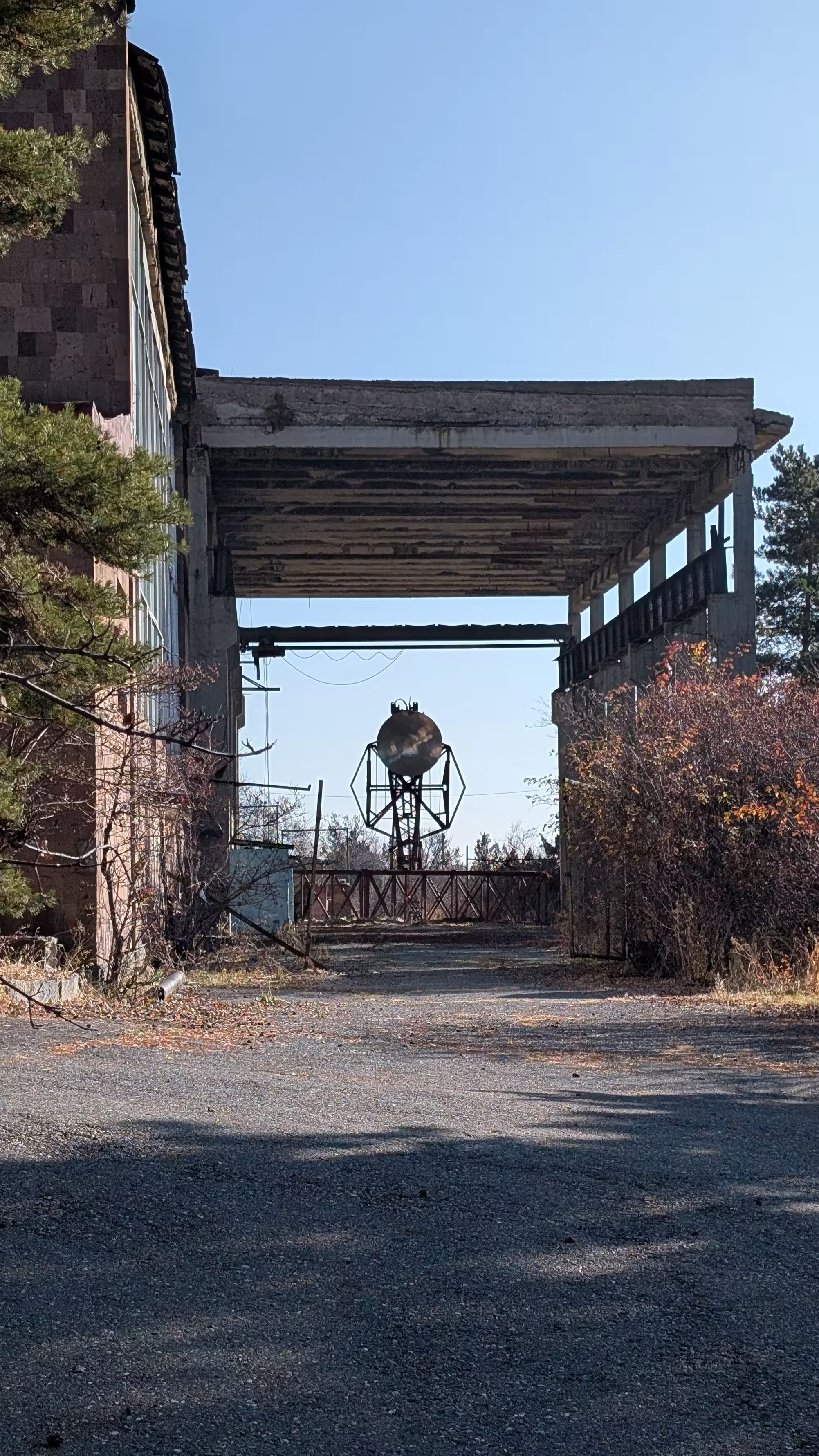
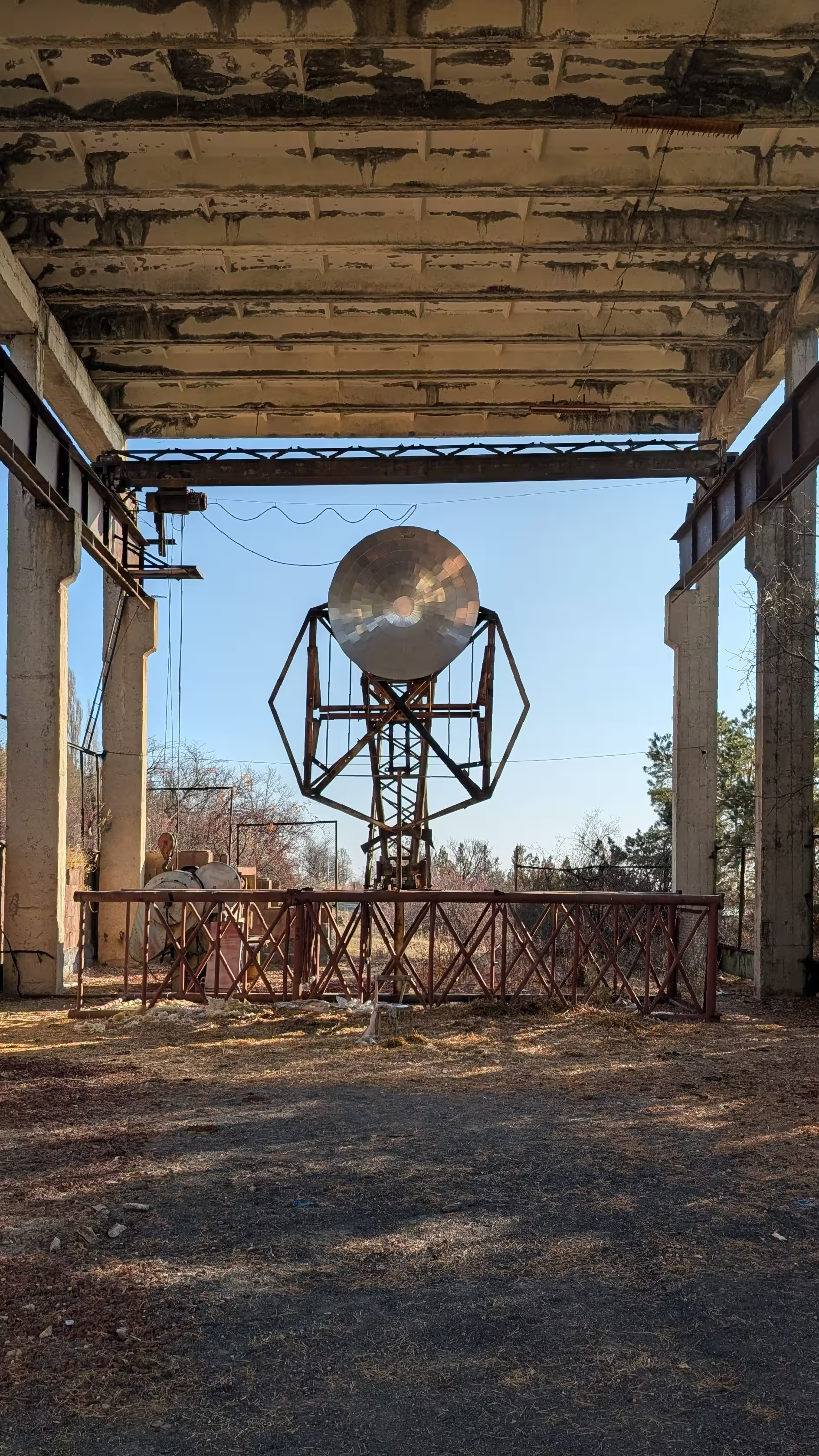
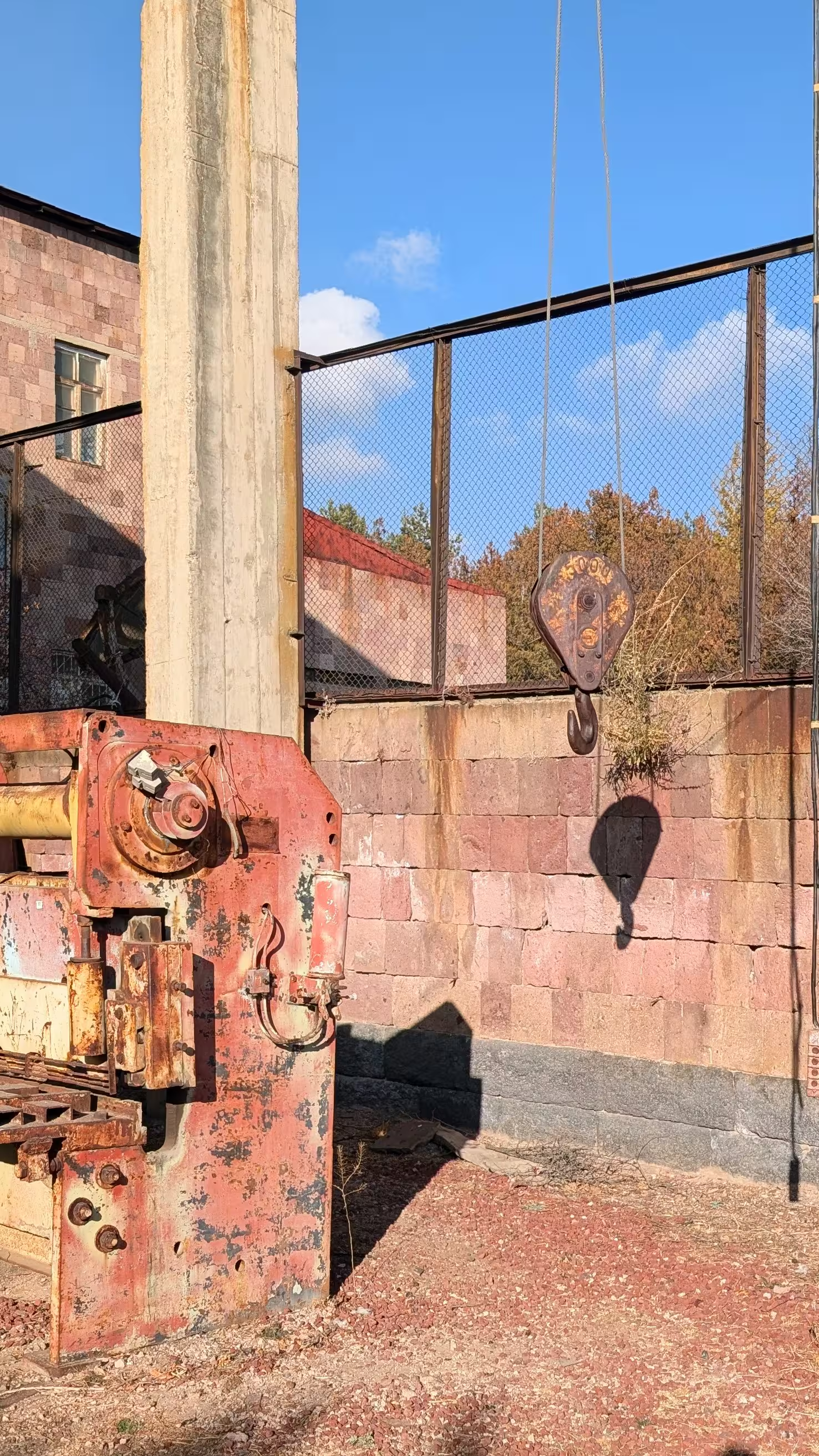
Паспрабавалі трапіць унутр ангара, але выйшаў мужчына і сказаў: «Навошта ламаеце дзьверы!»
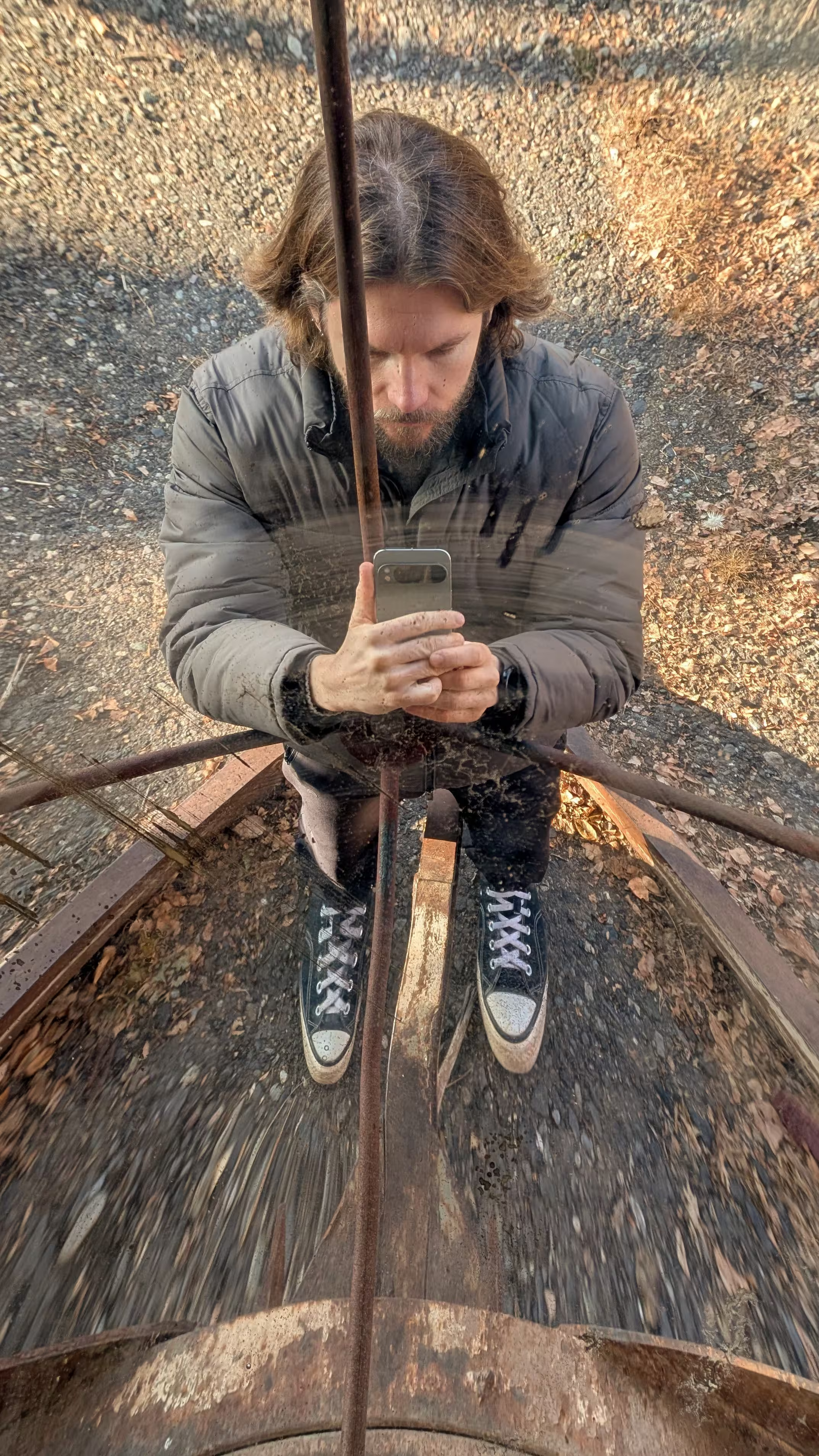
Тэстуем адну з люстраных антэн:
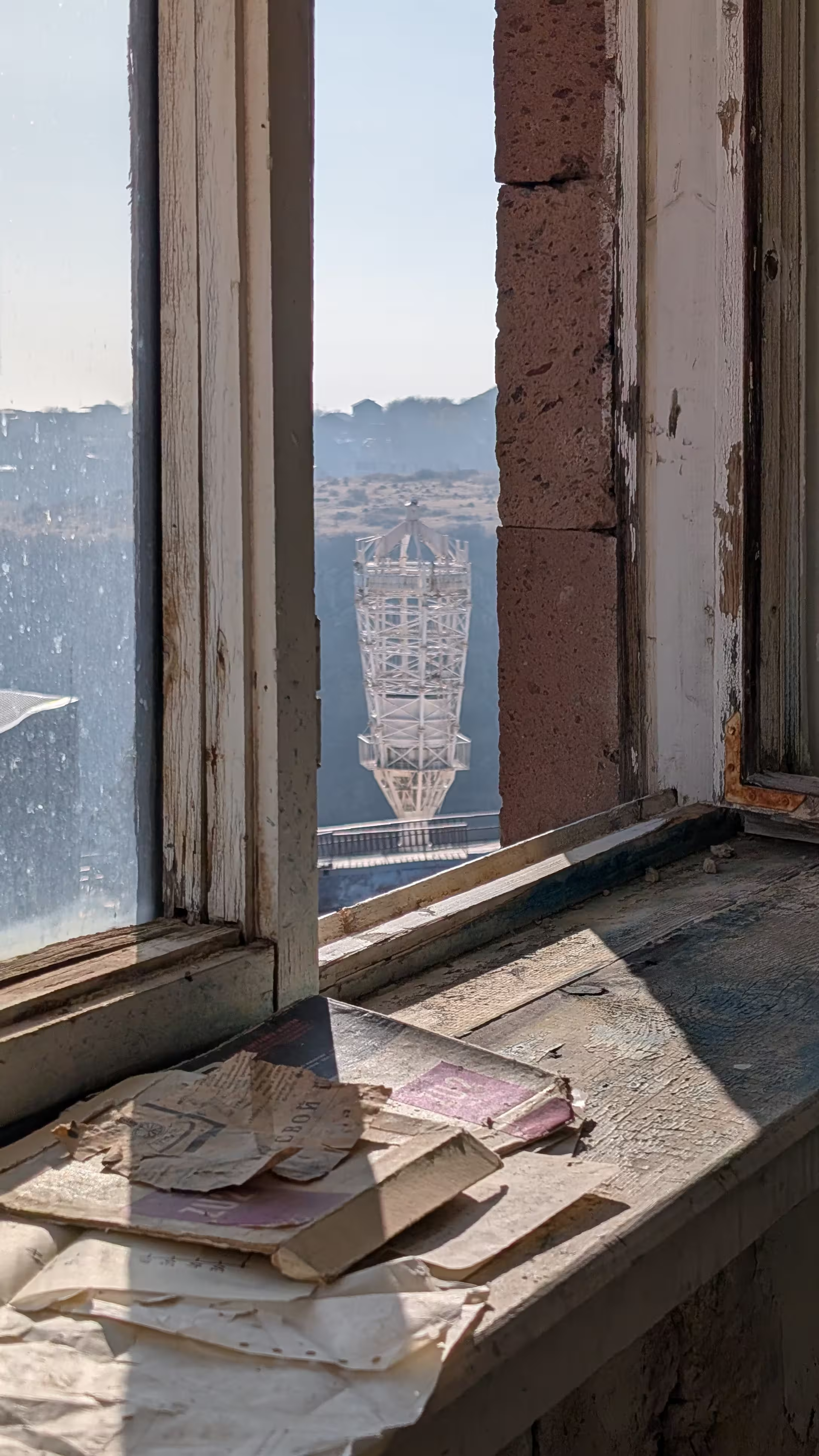
Побач з рубкай кіраваньня знаходзяцца два жылыя карпусы. Адзін з іх захаваўся ў добрым стане.
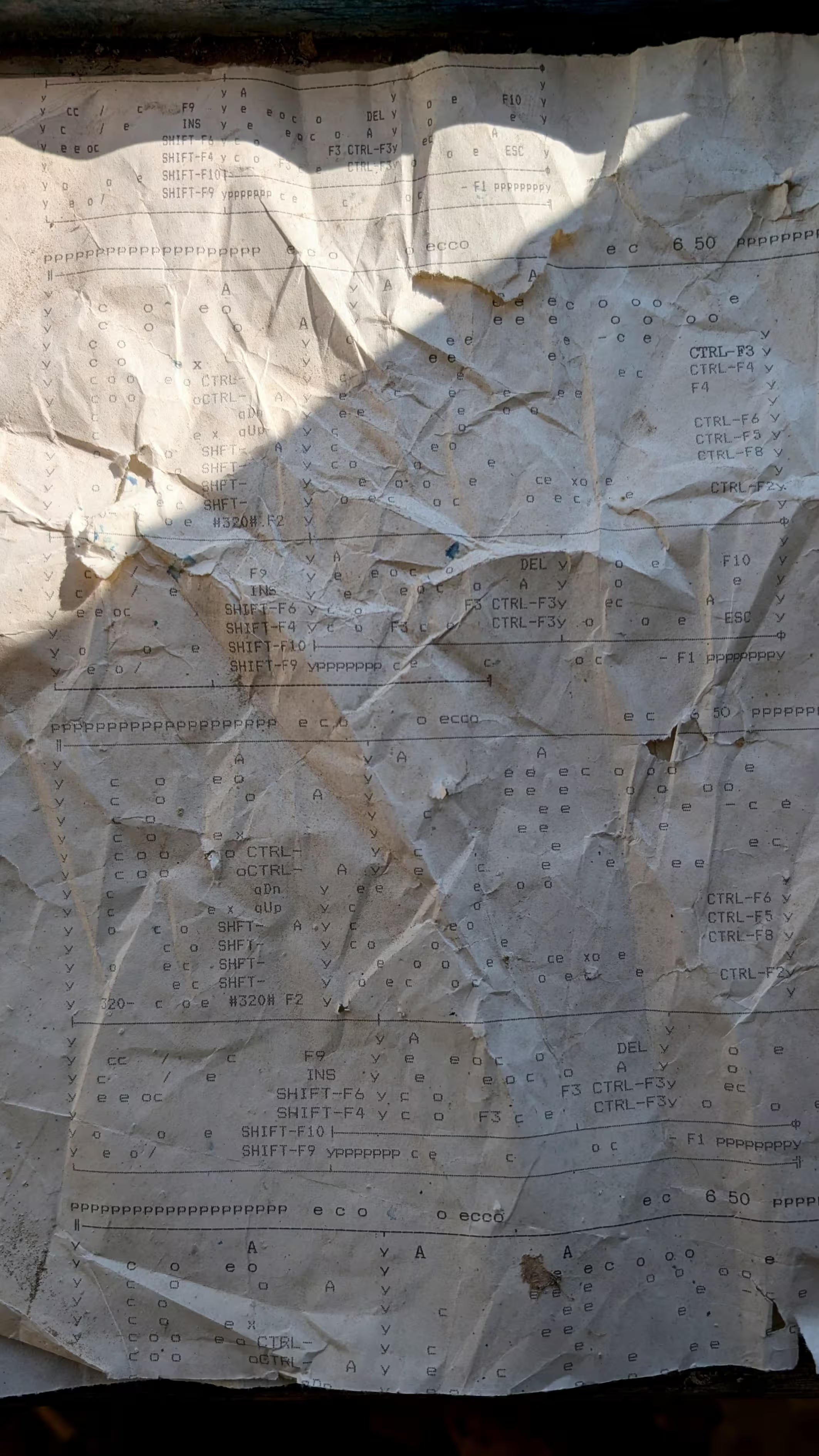
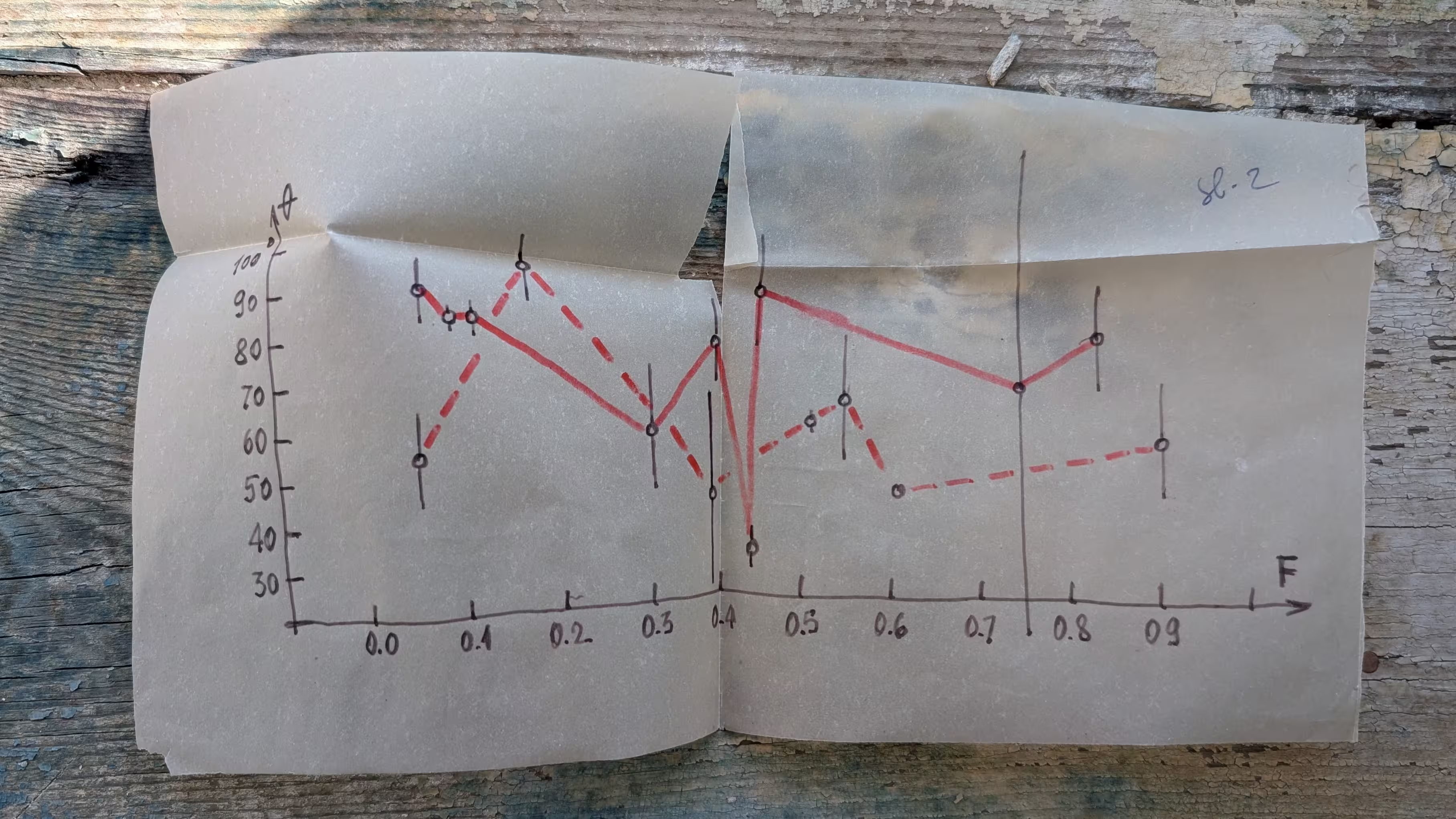
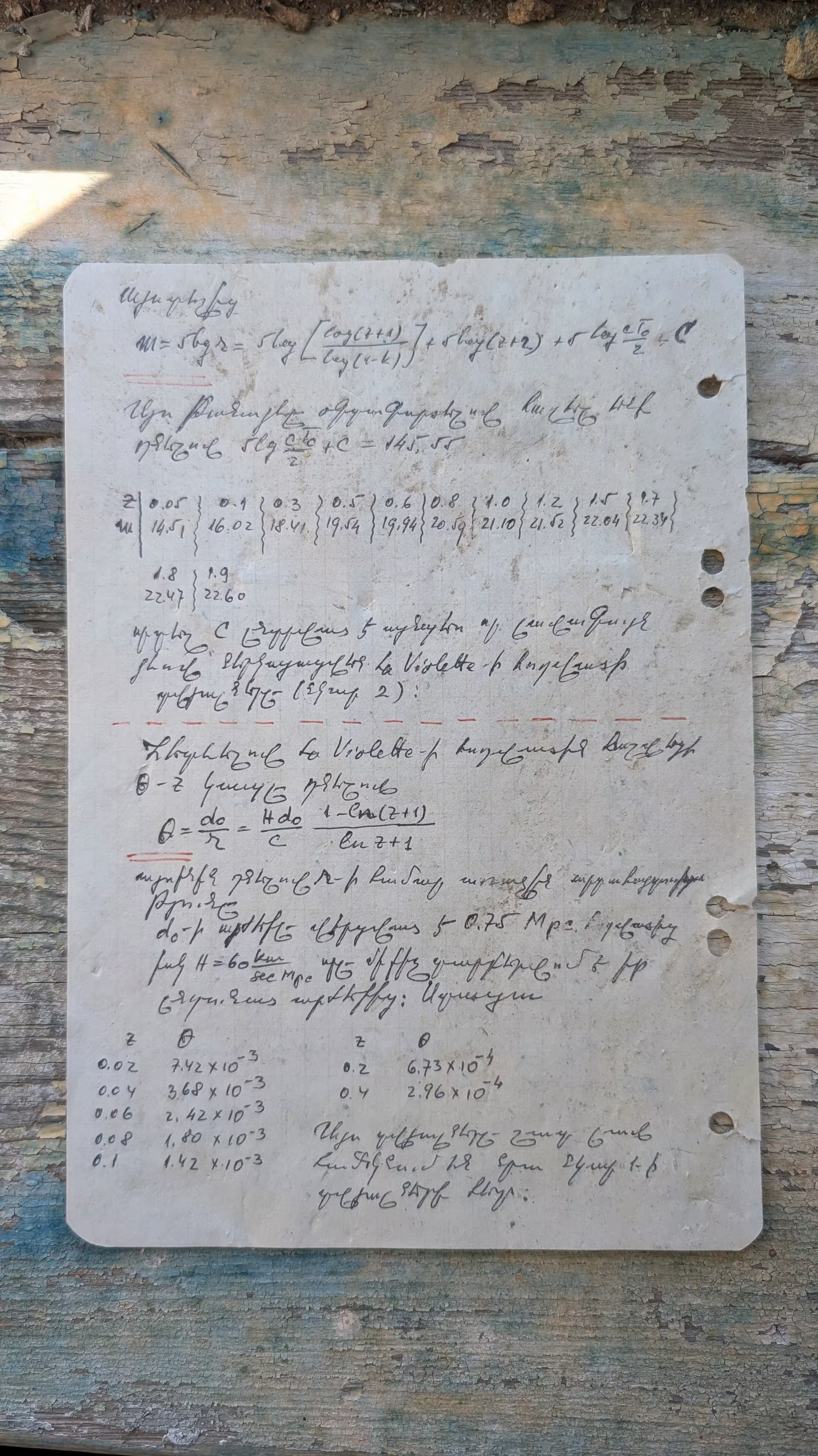
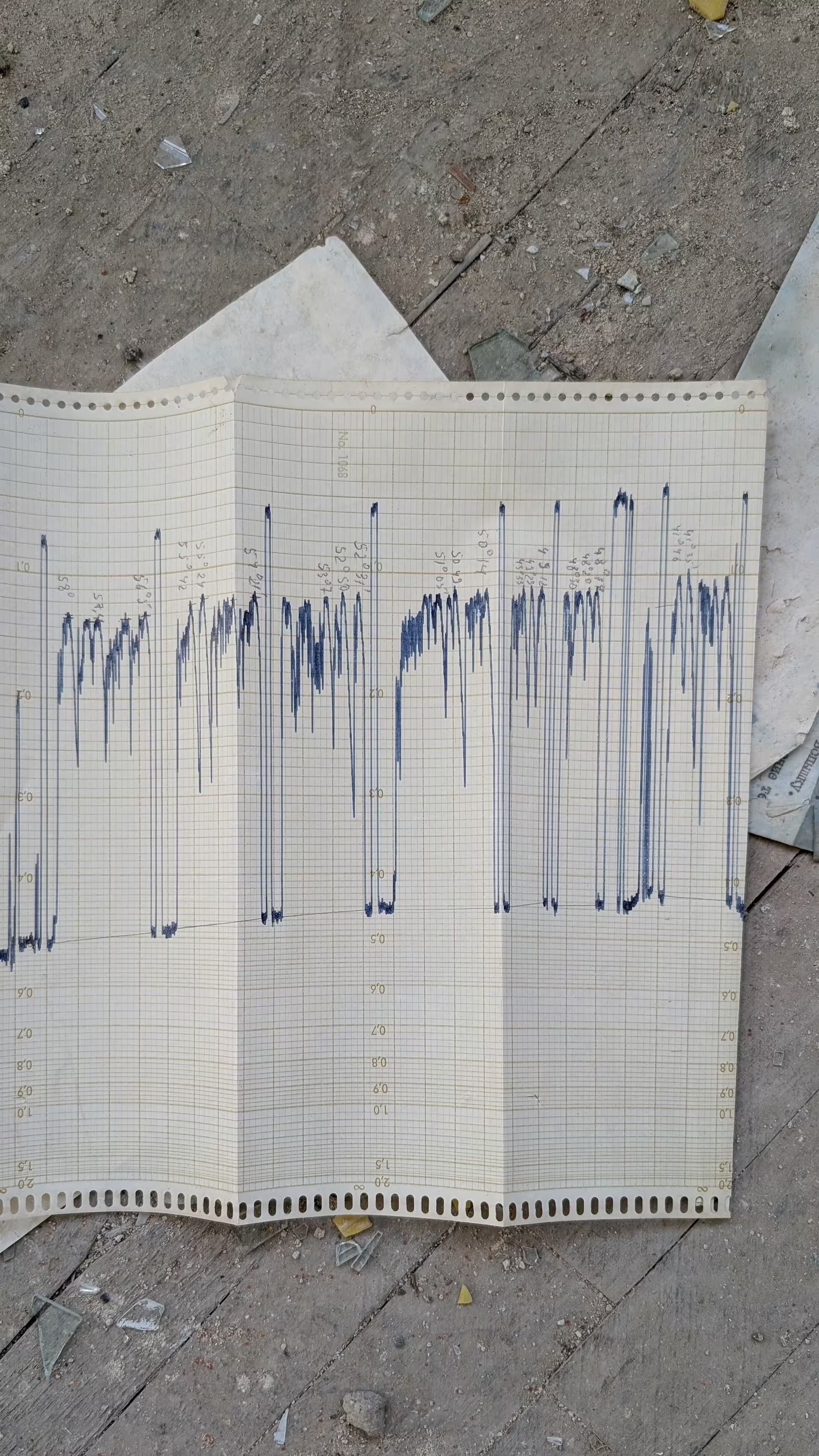
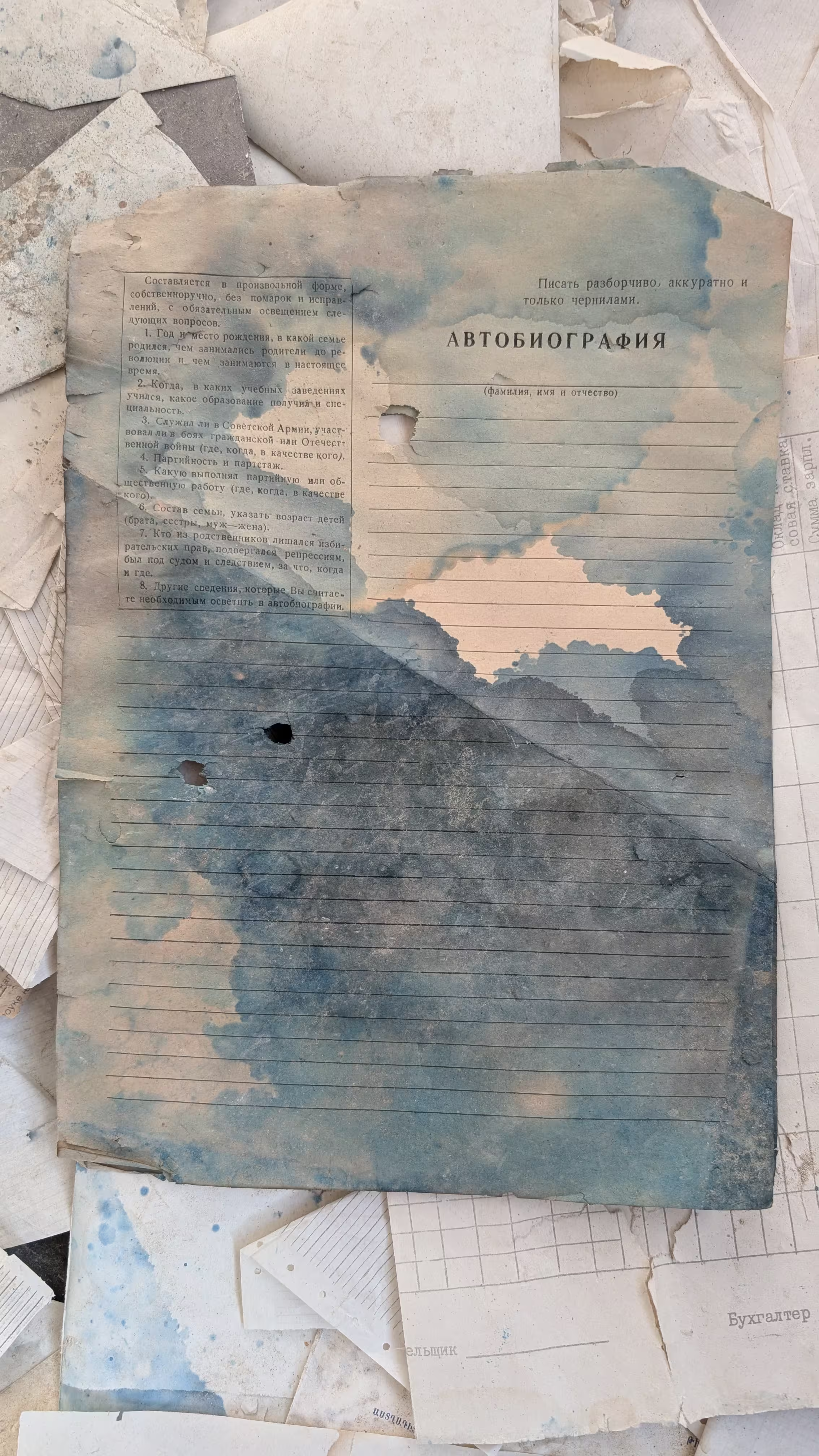
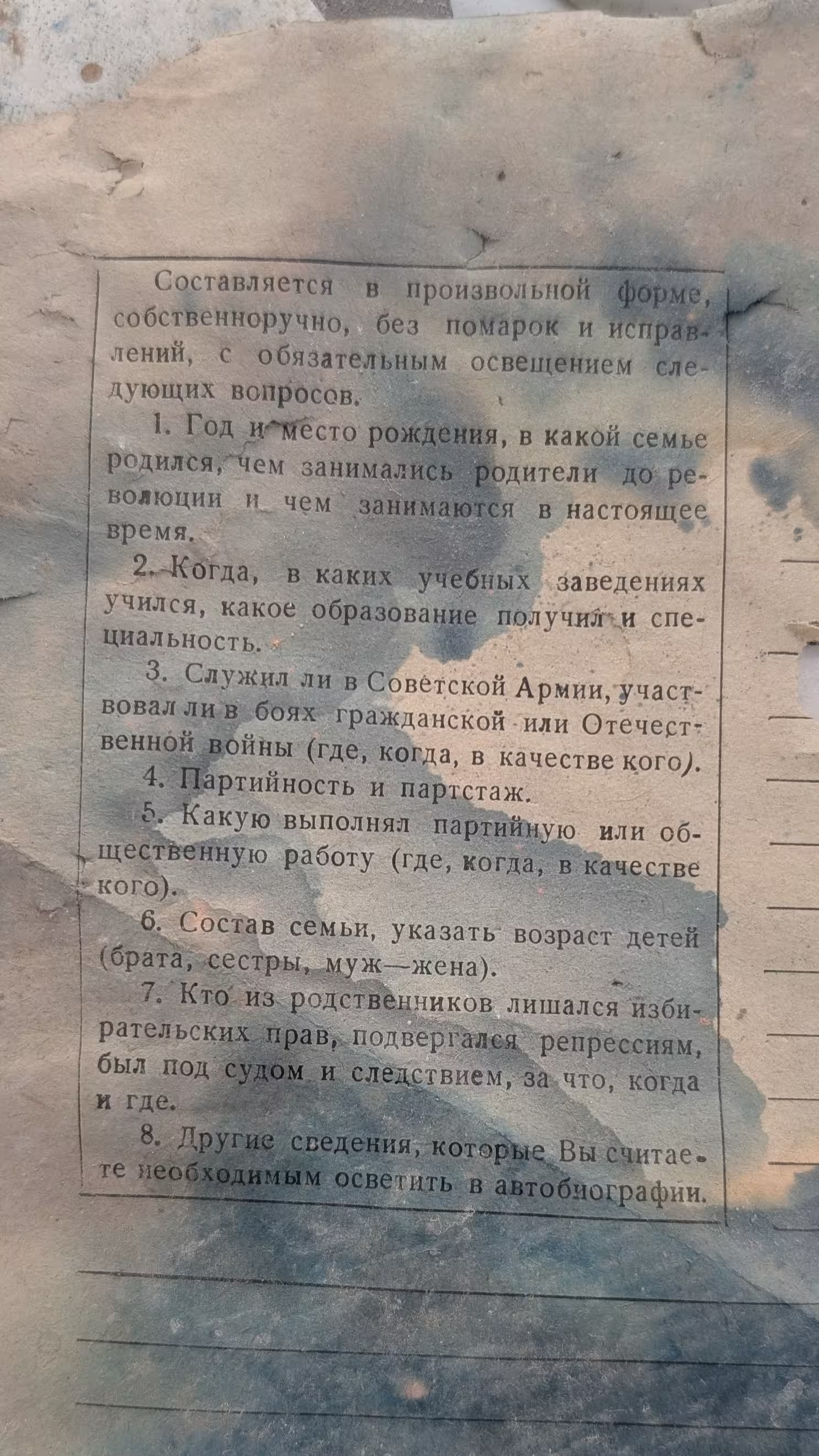
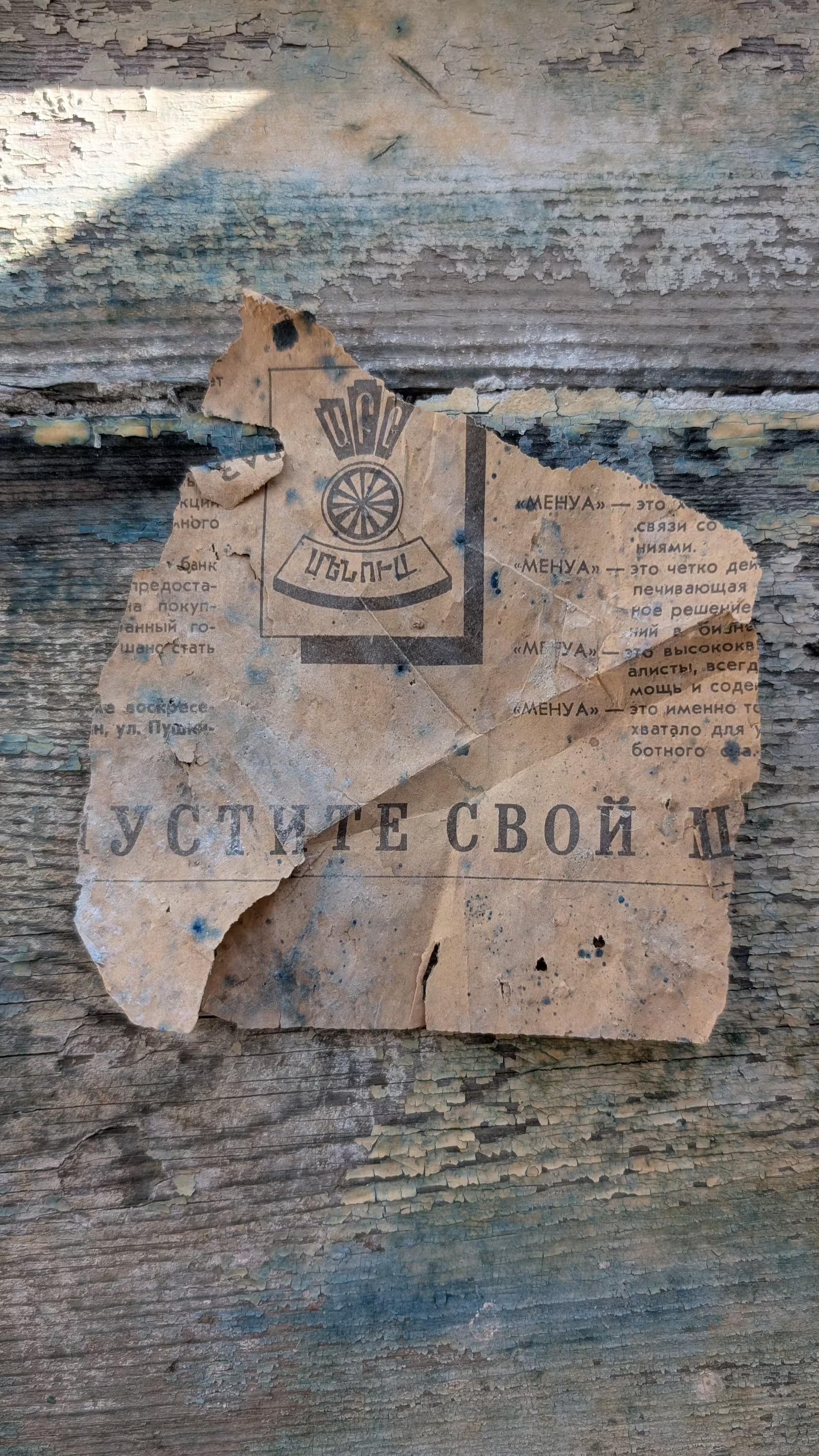
Знайшлі пакой з абрыўкамі дакументаў.
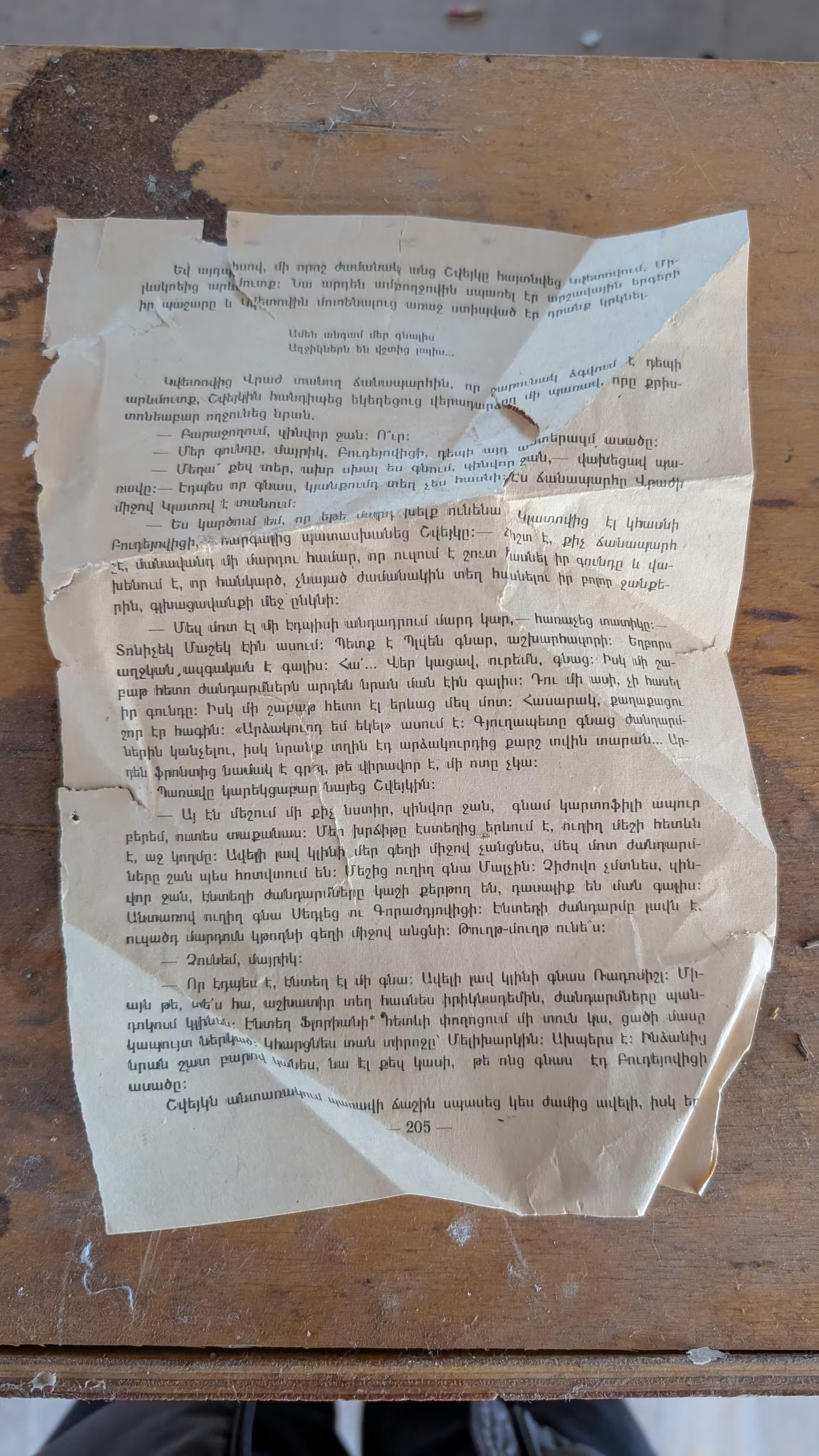
Фрагмент з «Прыгодаў бравога салдата Швейка»:
Хм, магчыма, гэта тэставая старонка сыстэмы:
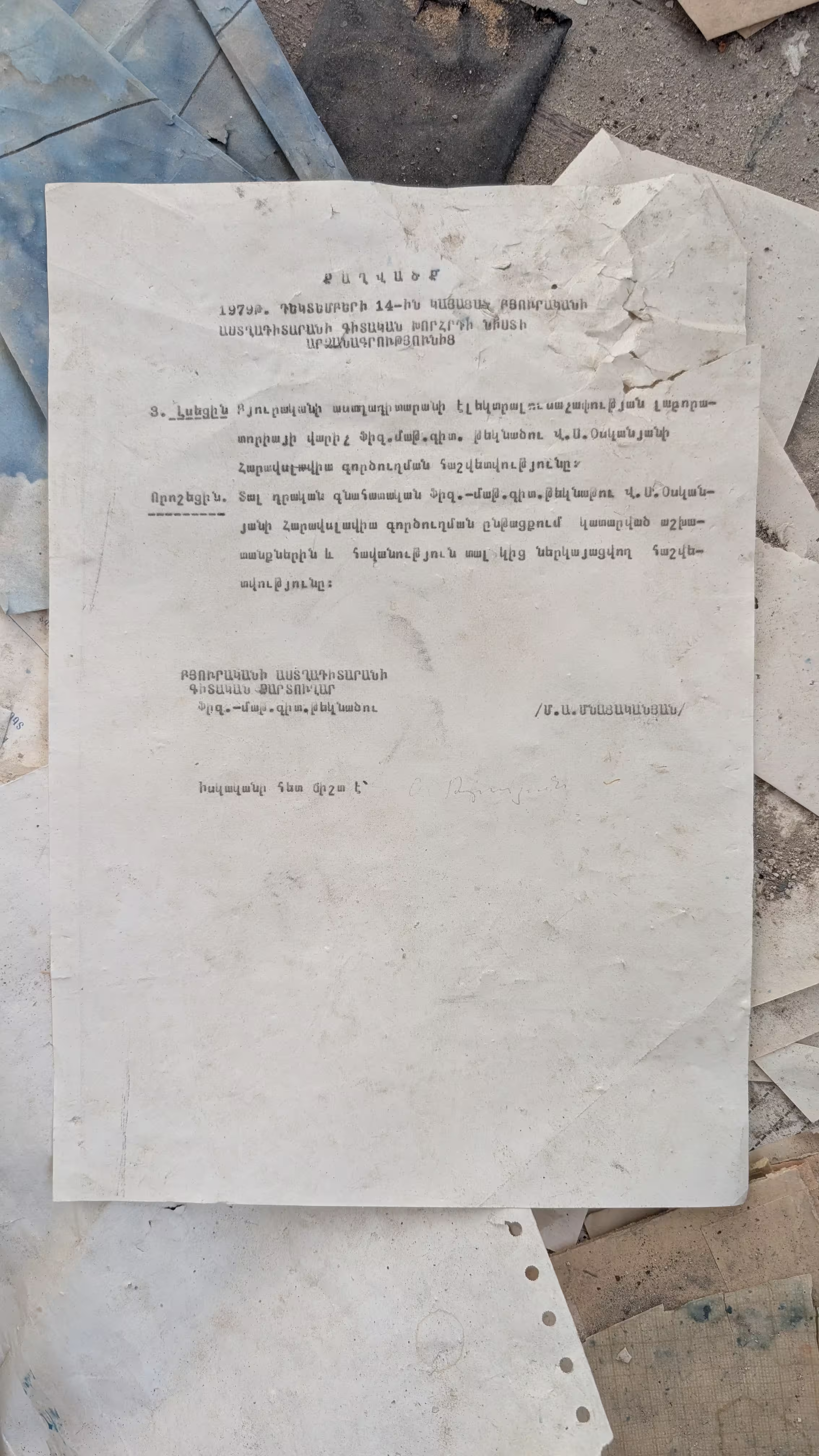
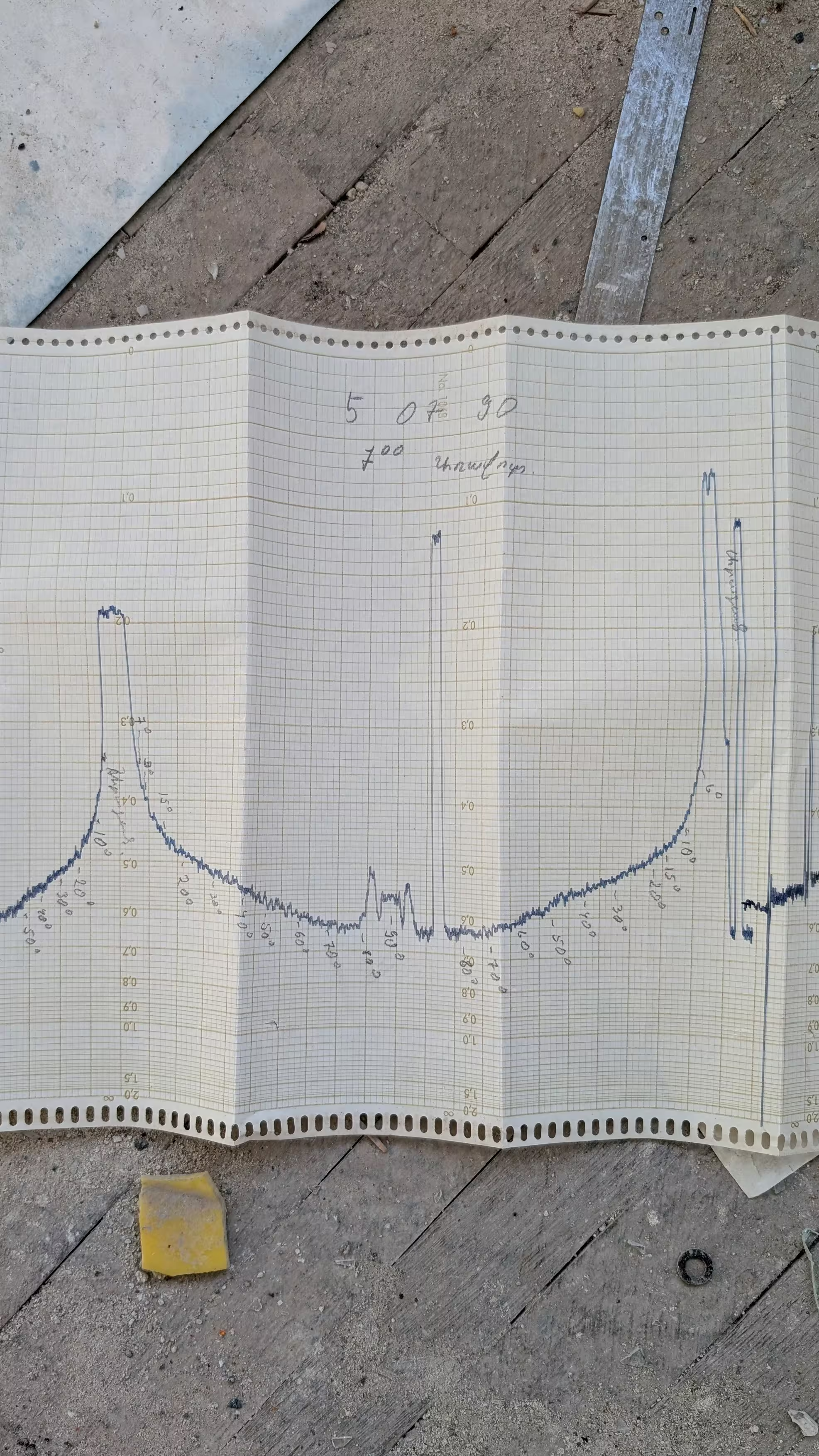
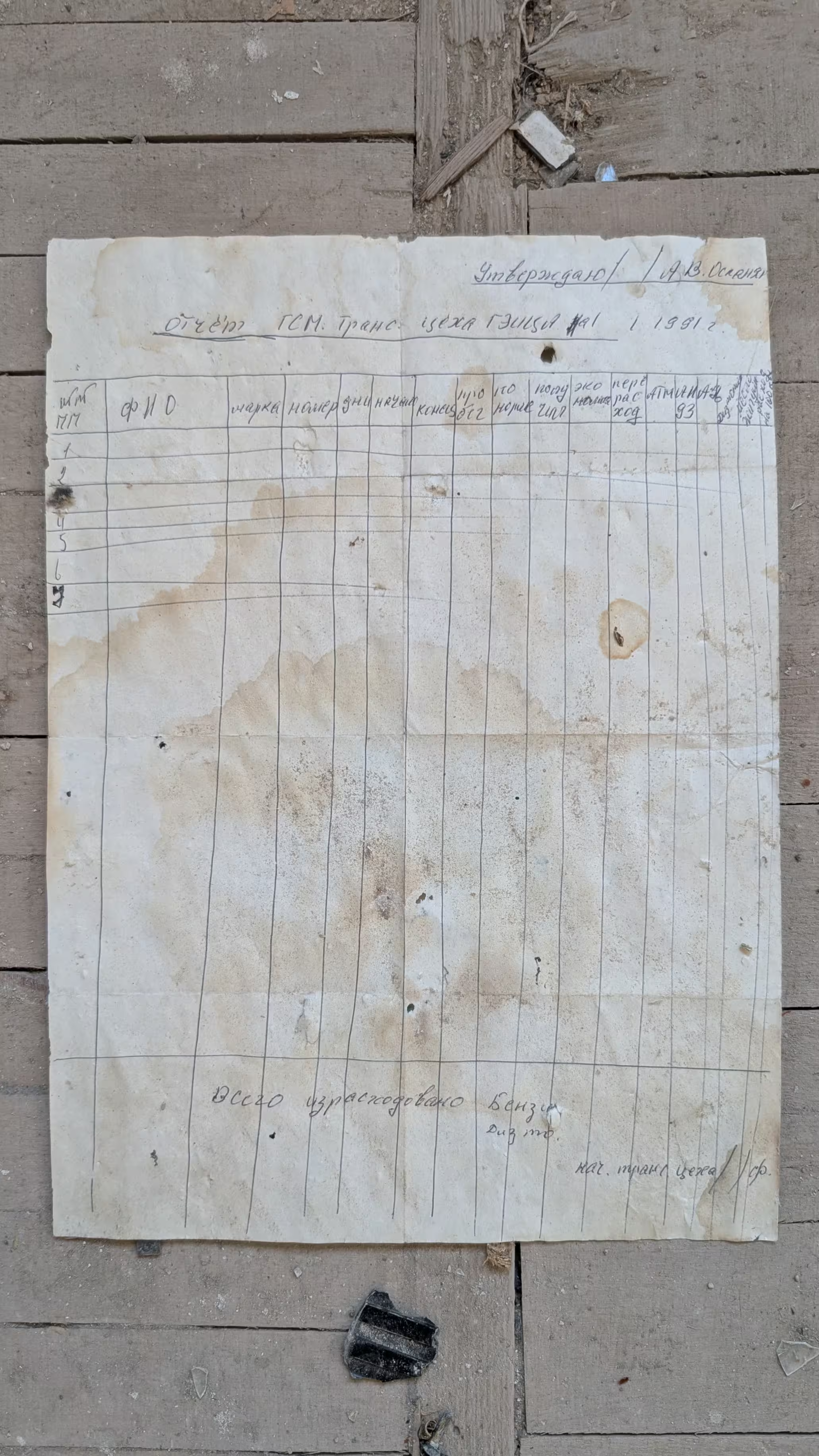
Блянк для аўтабіяграфіі:
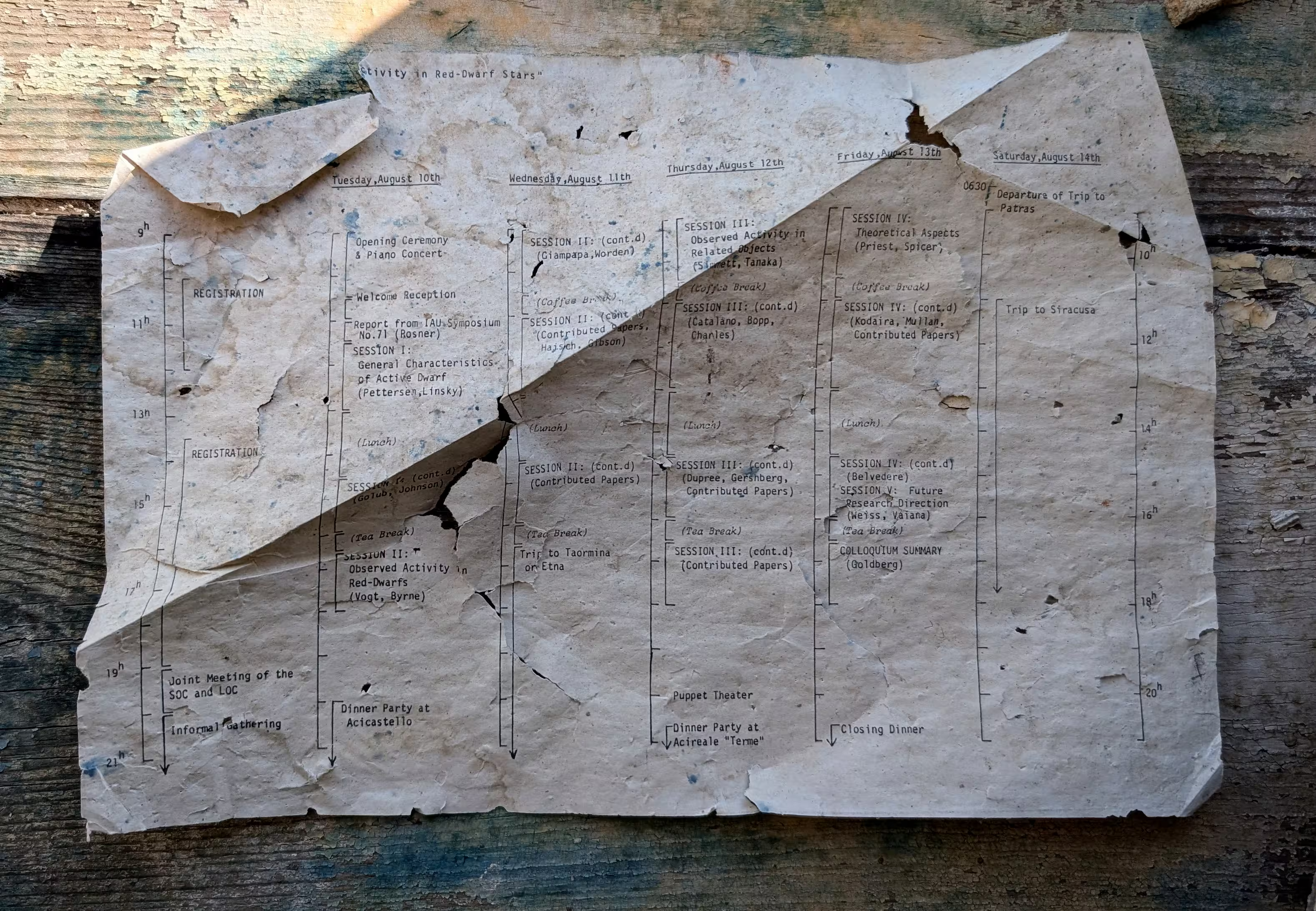
Гісторыя пра гатэль у Італіі:
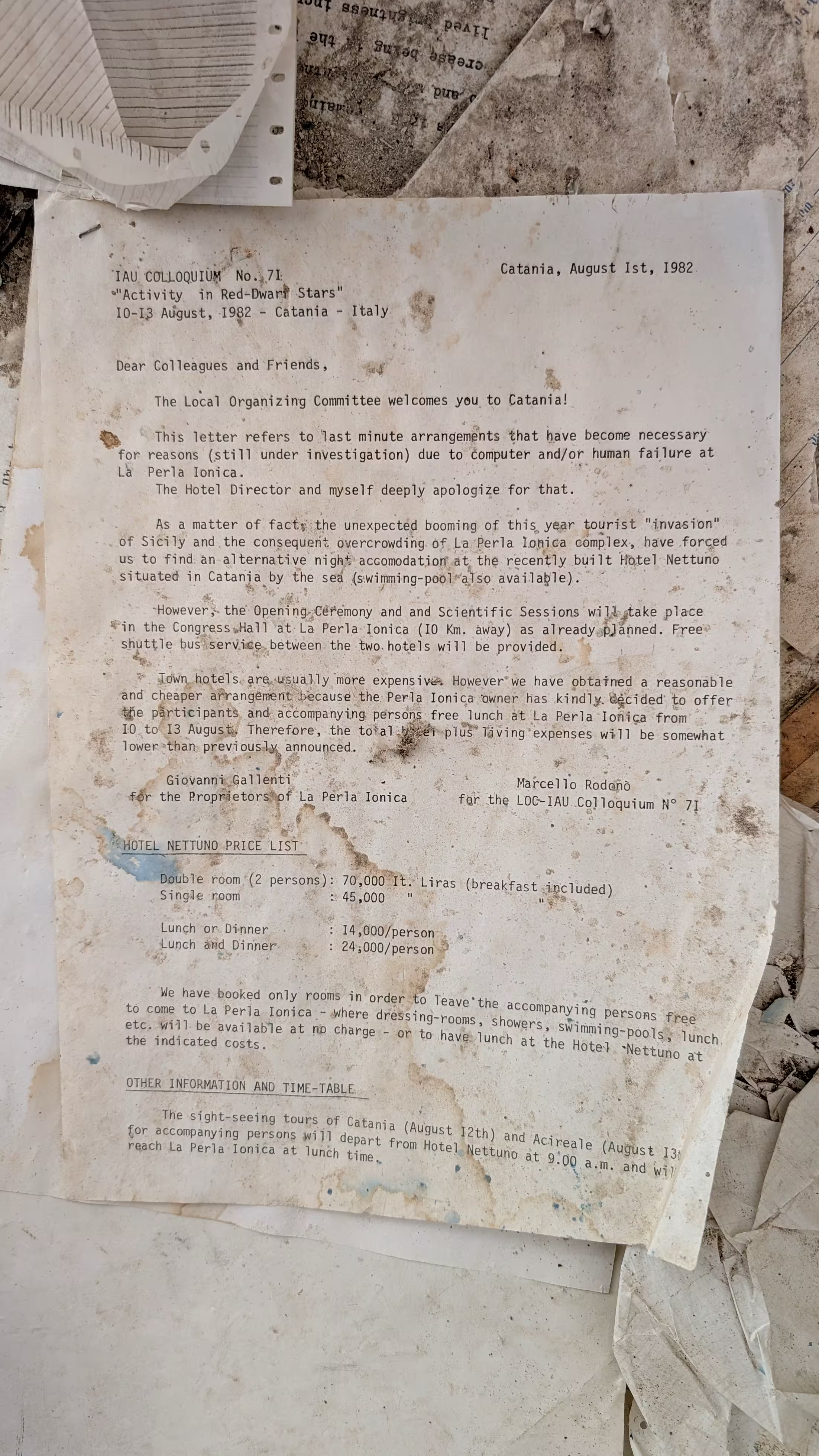
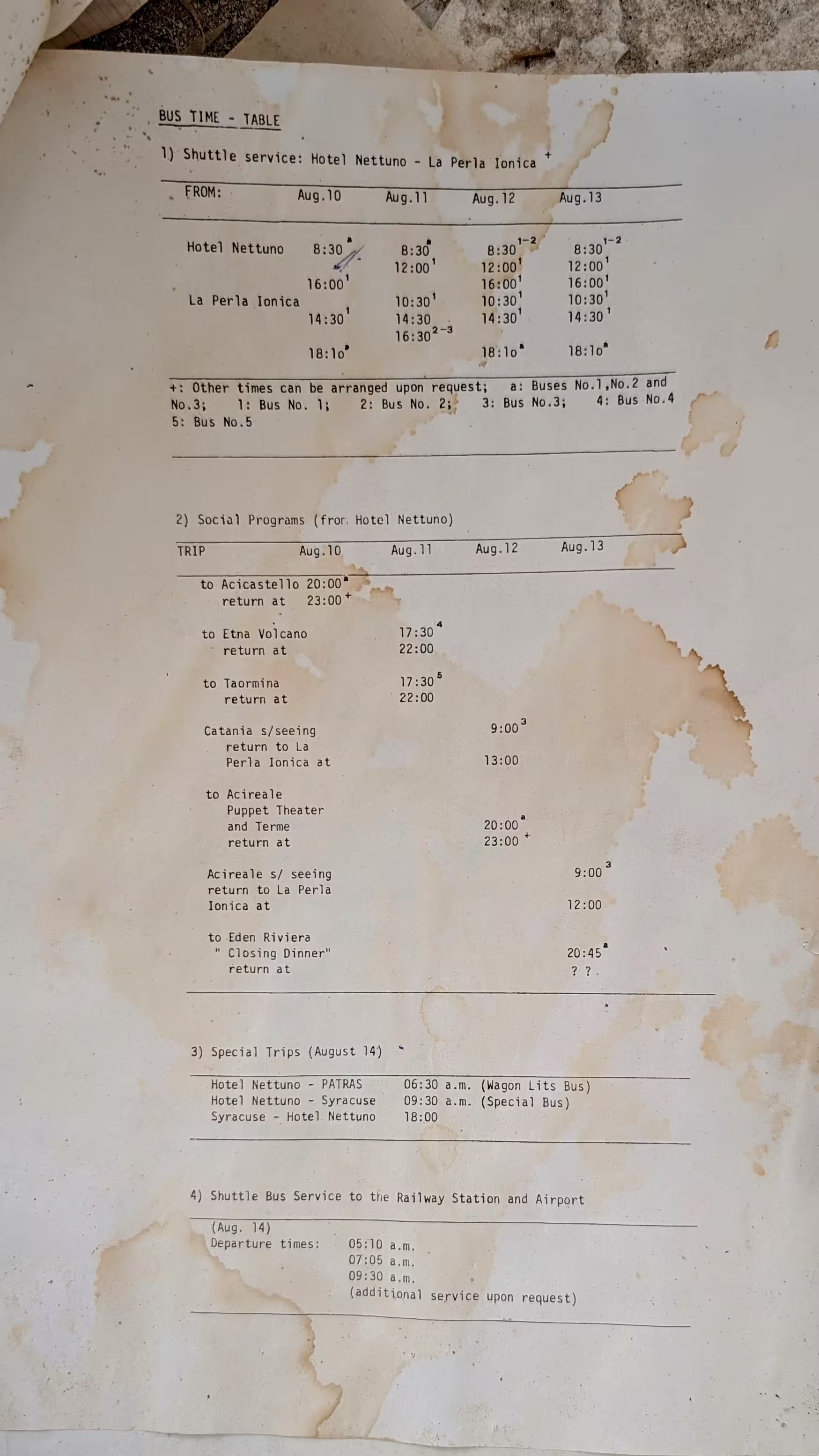
Прыкладны пераклад:
Дарагія калегі і сябры,
Мясцовы арганізацыйны камітэт вітае вас у Катаньі!
Гэты ліст датычыцца тэрміновых зьменаў у апошнюю хвіліну, якія сталі неабходнымі з-за прычын (якія ўсё яшчэ высвятляюцца), зьвязаных з камп’ютарнай і/або чалавечай памылкай у комплексе Ла Перла Іоніка.
Дырэктар гатэля і я асабіста прыносім за гэта шчырыя прабачэньні.
Справа ў тым, што нечакана вялікі наплыў турыстаў на Сіцылію ў гэтым годзе і, як вынік, перапоўненасьць комплексу Ла Перла Іоніка прымусілі нас арганізаваць альтэрнатыўнае разьмяшчэньне на адну ноч у нядаўна пабудаваным гатэлі Неттуно, разьмешчаным у Катаньі каля мора (таксама ёсьць басэйн).
Аднак цырымонія адкрыцьця і навуковыя паседжаньні будуць праходзіць у кангрэс-холе Ла Перла Іоніка (10 км), як і было заплянавана раней. Паміж двума гатэлямі будзе арганізаваны бясплатны шатл.
Гарадскія гатэлі звычайна даражэйшыя. Аднак нам удалося дамовіцца на разумных і больш нізкіх умовах, бо ўладальнік Ла Перла Іоніка ветліва пагадзіўся забясьпечыць удзельнікаў і суправаджальных асоб бясплатным абедам з 10 па 13 жніўня. Таму агульныя выдаткі на пражываньне і харчаваньне будуць крыху ніжэйшыя, чым абвяшчалася раней.
Калі перавесьці ліры 1982 года ў даляры канца 2025, двухмесны нумар з сняданкам будзе каштаваць каля 180 долараў.
Пасьля распаду СССР вядзеньне дакументаў пагоршылася:
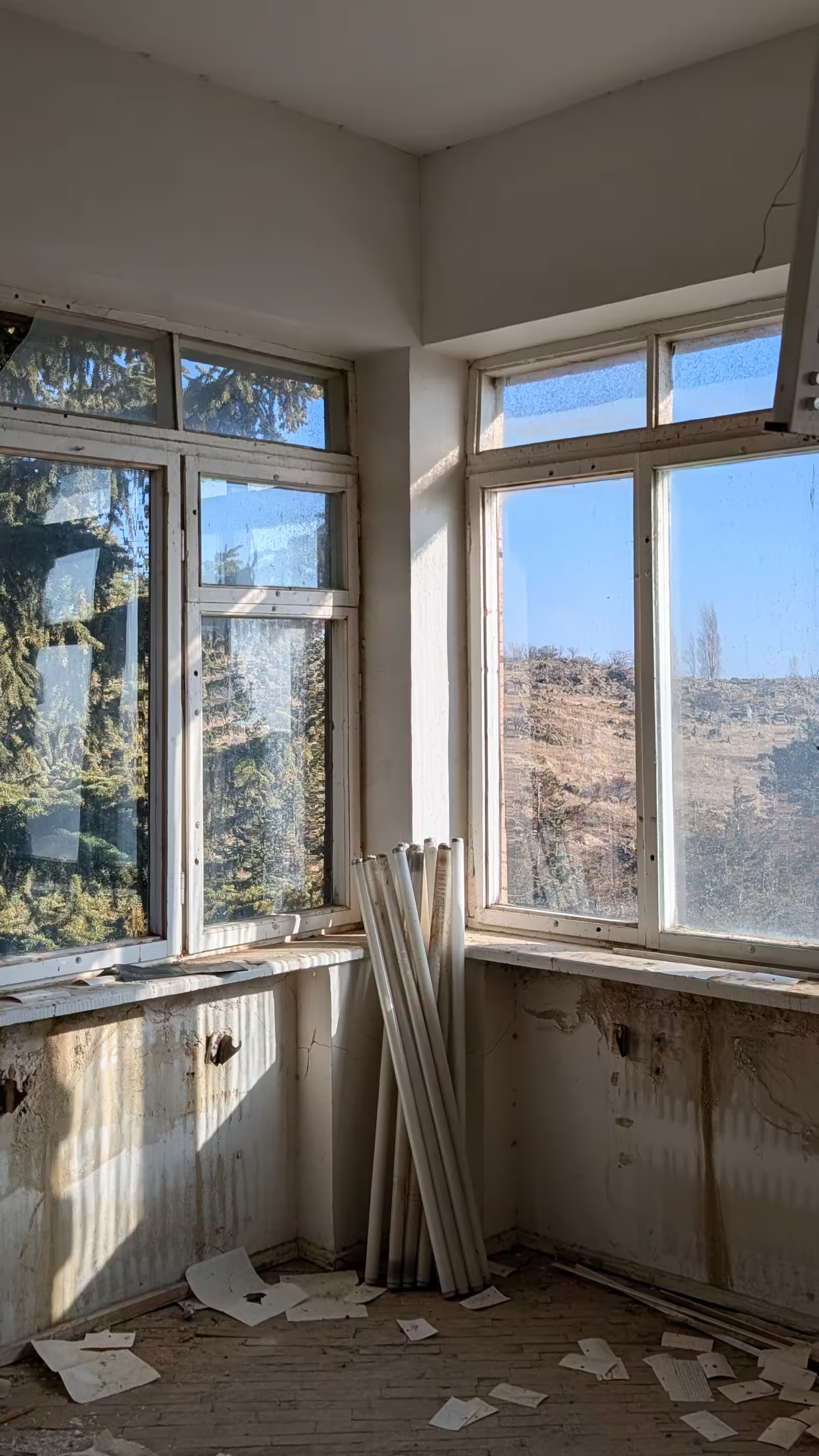
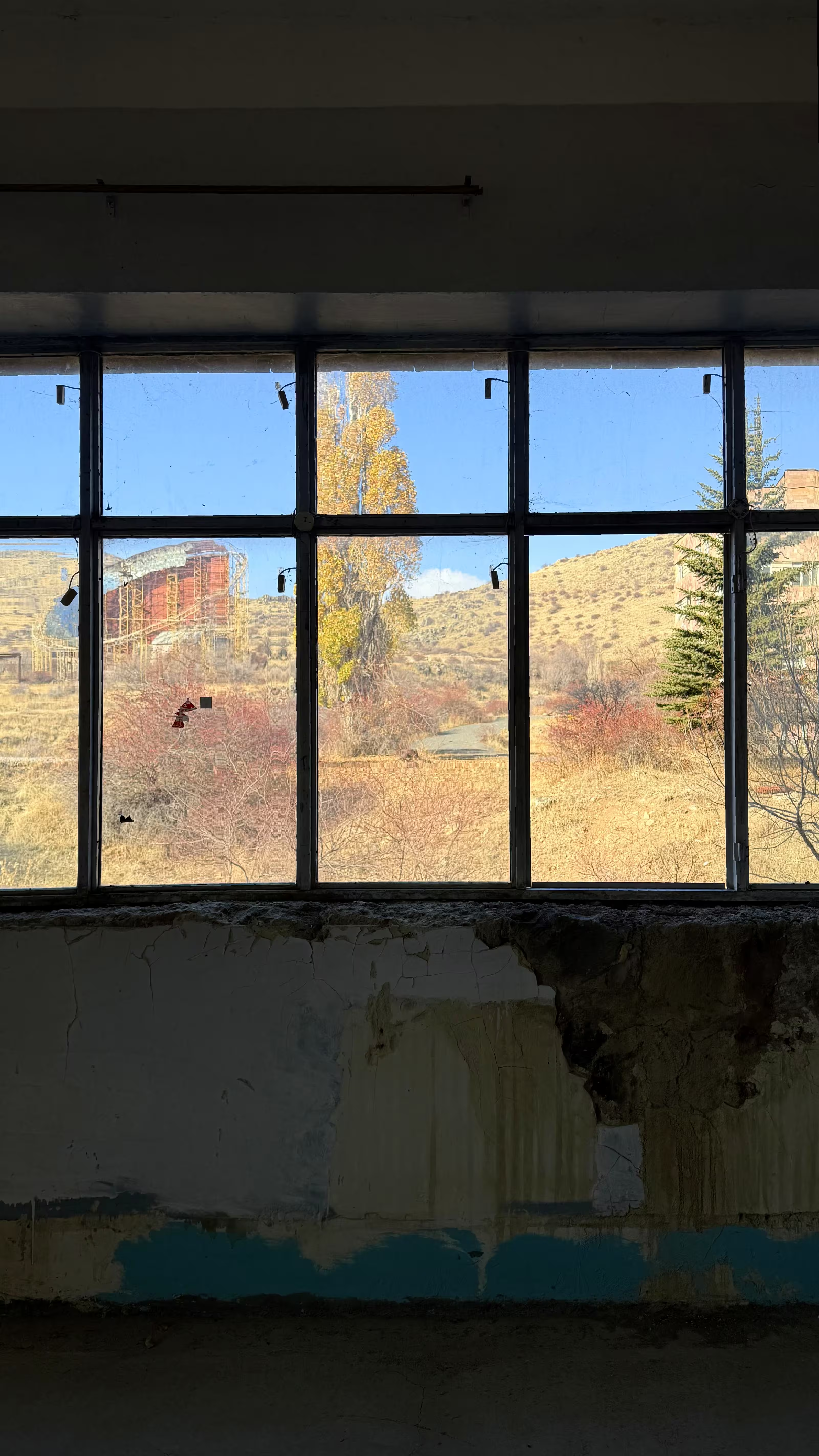
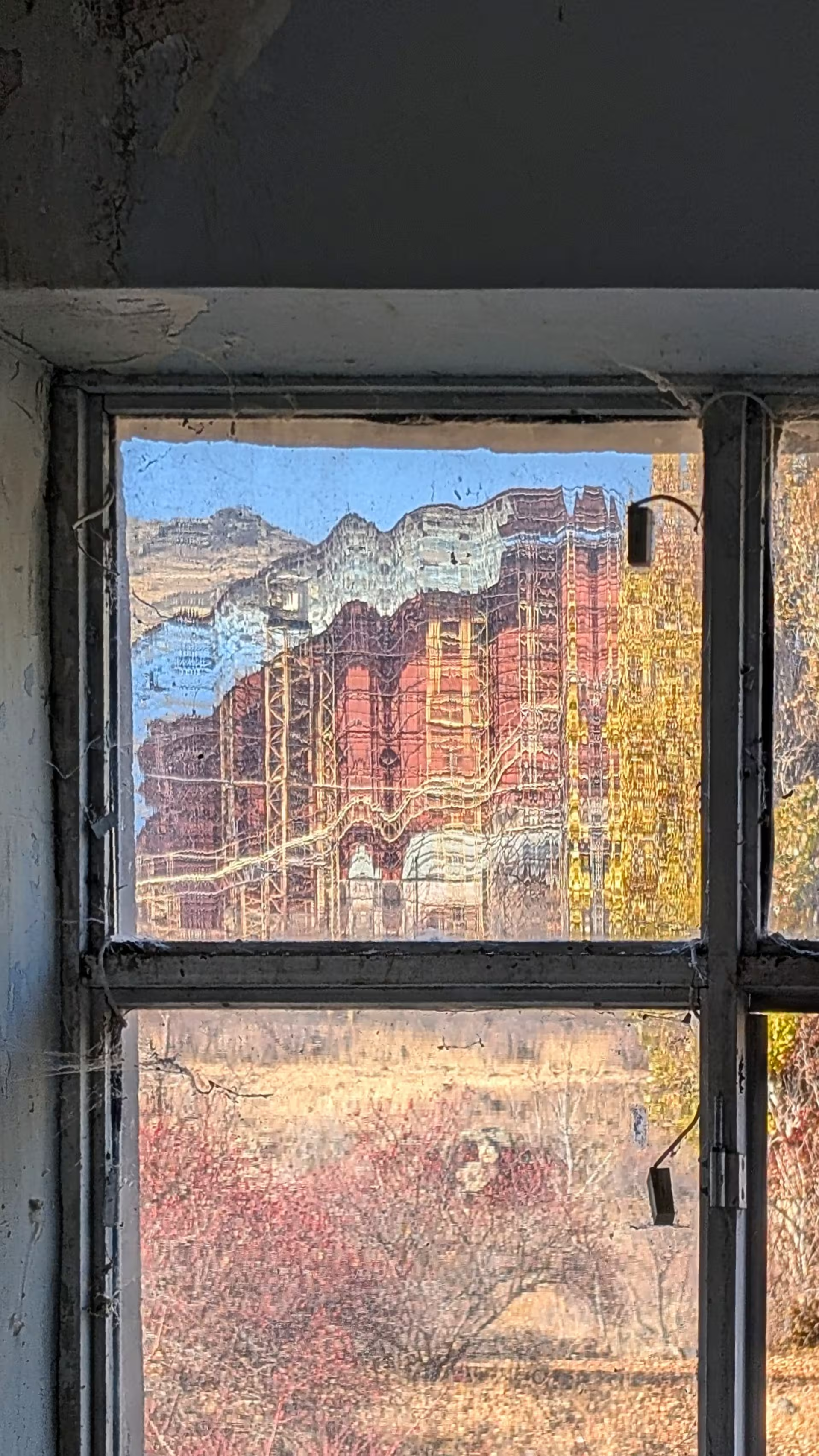
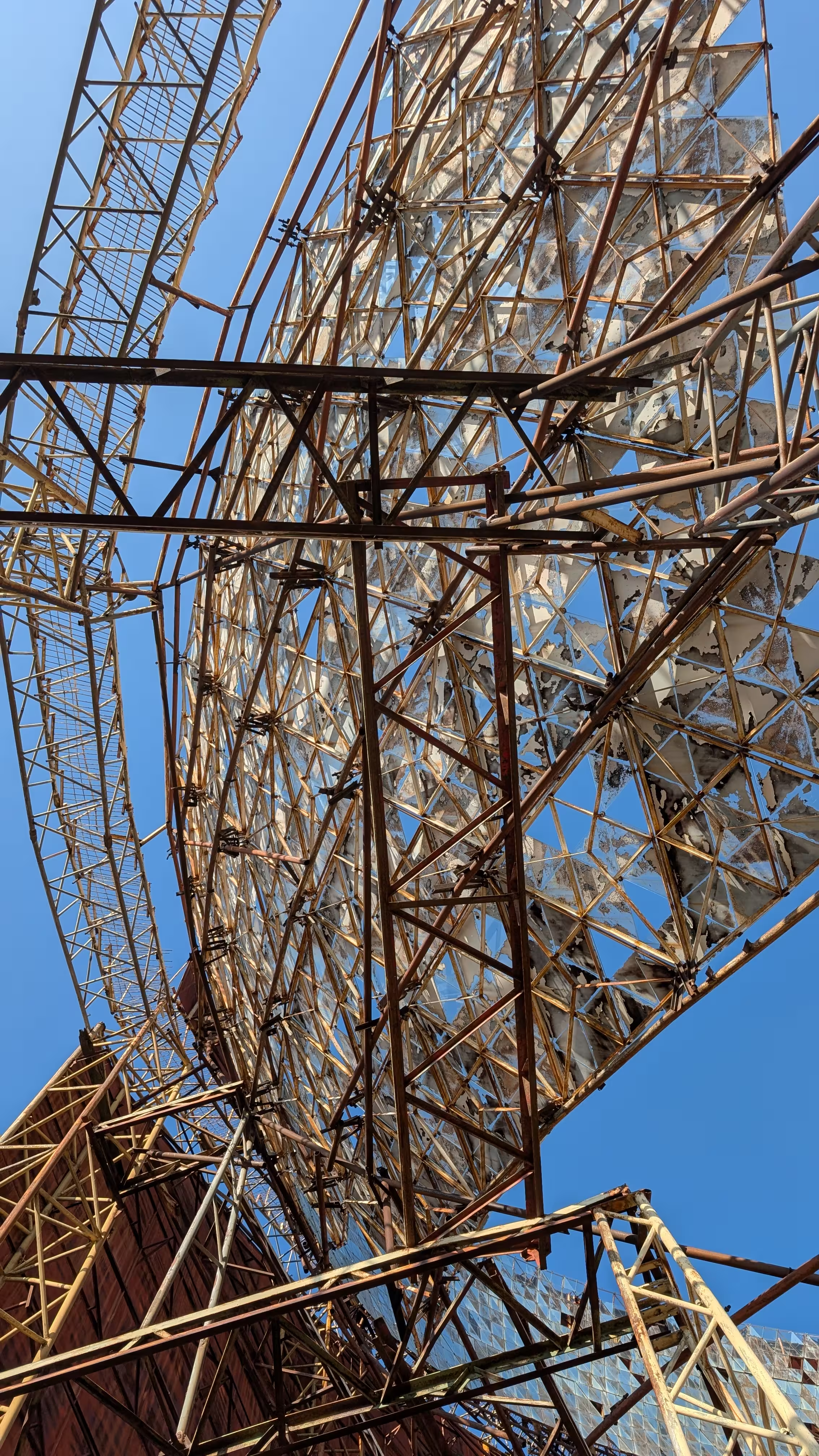
Побач з тэлескопам знаходзіцца канцэнтратар сонечнай энэргіі. Паводле задумы ён павінен быў стаць альтэрнатывай нафтавай энэргетыцы.
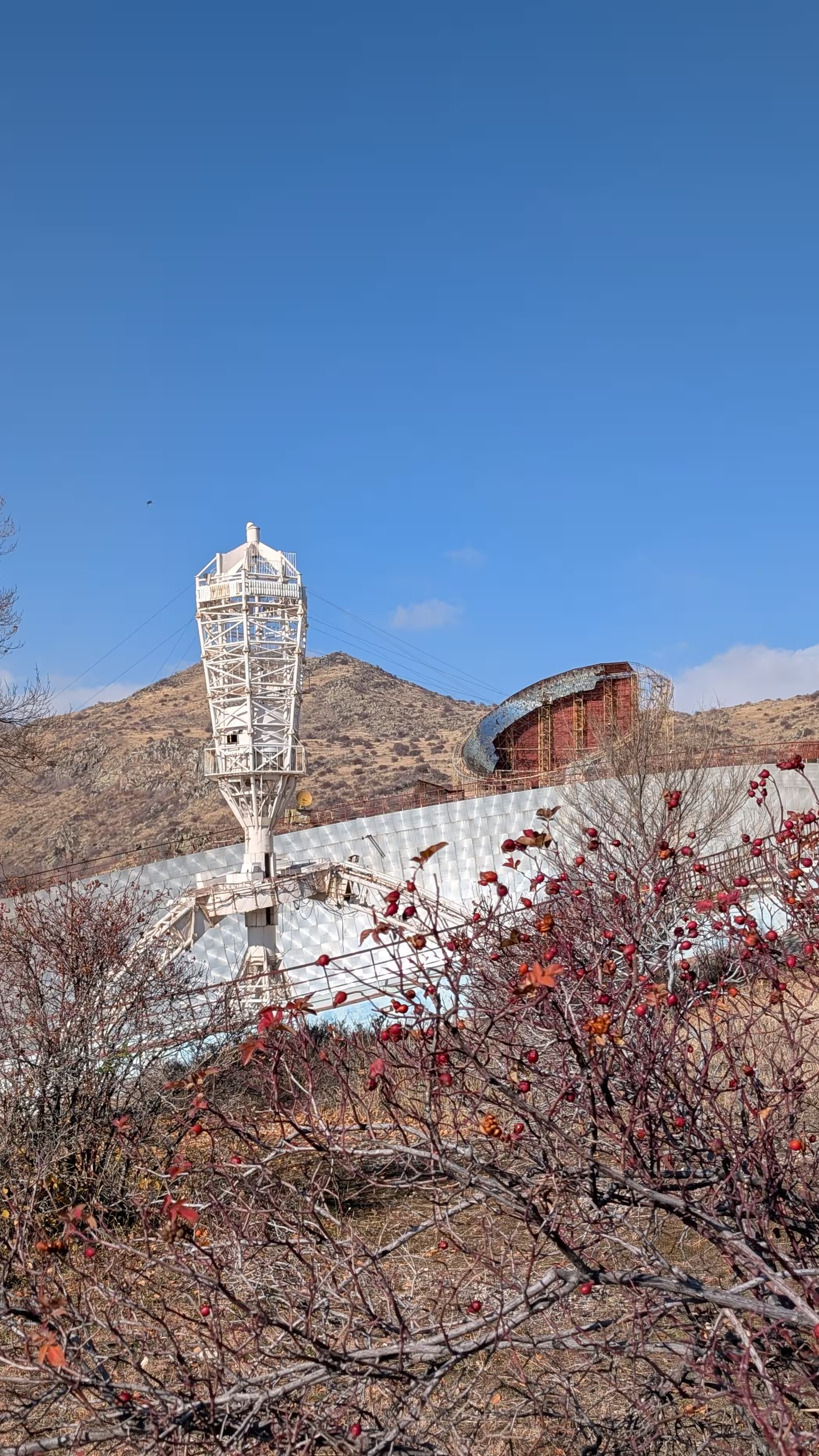
Пасьля распаду СССР Геруни знайшоў інвэстараў з Вялікабрытаніі. Яны хацелі пабудаваць устаноўку ў сябе, але ён здолеў дамовіцца, каб канцэнтратар будавалі ў Армэніі.
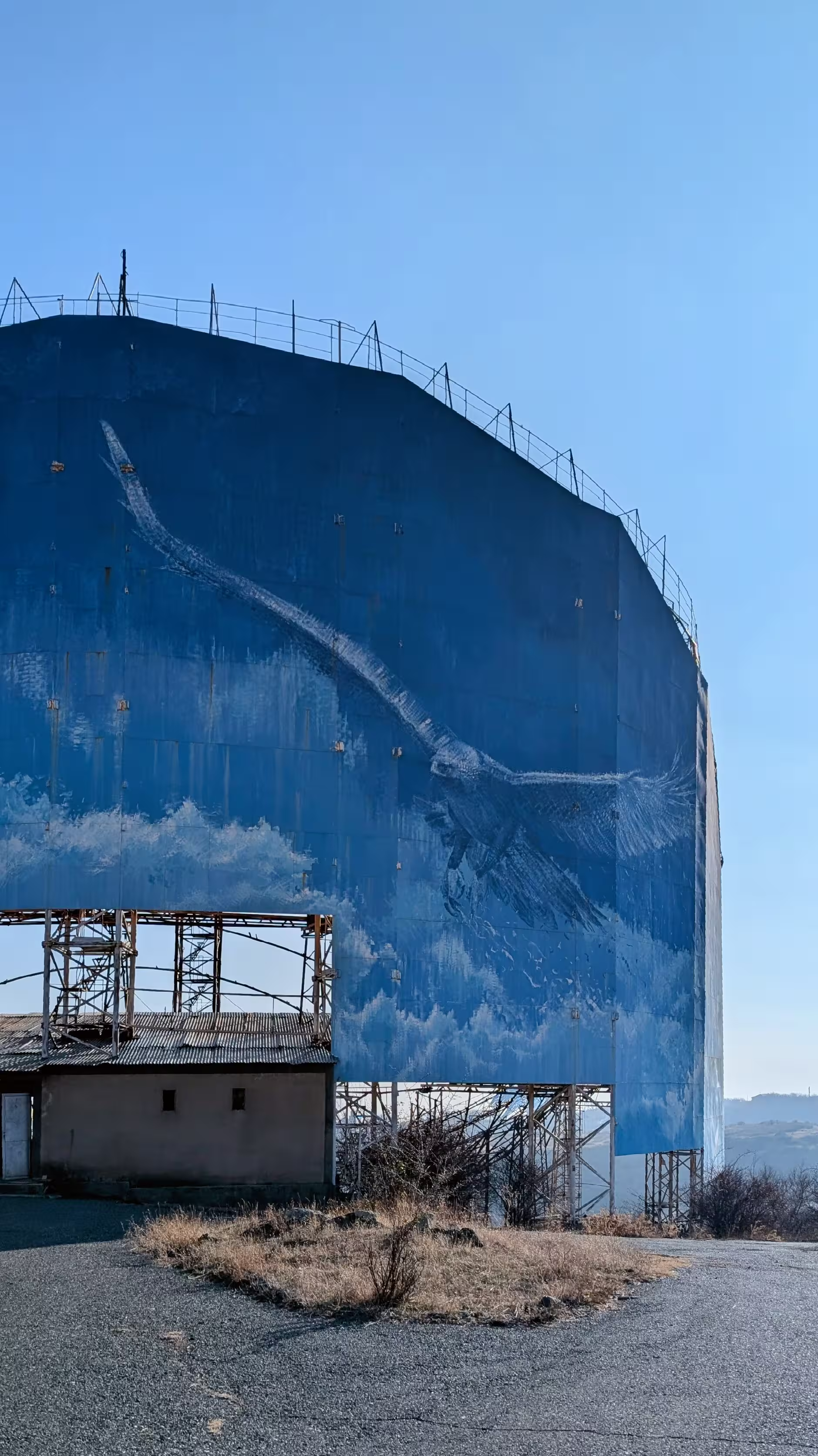
У працэсе будаўніцтва Геруни выявіў, што ў дамове за ім не былі замацаваныя патэнтныя і аўтарскія правы. Бакі не дамовіліся, і будаўніцтва спынілі.
Калі ўсё сапраўды было так, узьнікае думка пра канфлікт паміж асабістым эга і справай, якая павінна была адбыцца.
У гэтым выпадку перамовы, відаць, скончыліся няўдала, і Геруни вырашыў не працягваць. Хоць тэарэтычна можна было працягваць праект і гандаль.
Нават без замацаваньня патэнта праект мог адбыцца. Магчыма, і зарабіць удалося б больш. Галоўнае — тэхналёгія атрымала б шанец на жыцьцё.
А можа, Геруни проста перастаў верыць у праект 🤔 Мы ж не бачым вакол масавага выкарыстаньня канцэнтратараў. Магчыма, і ў разьліках было не ўсё гладка.
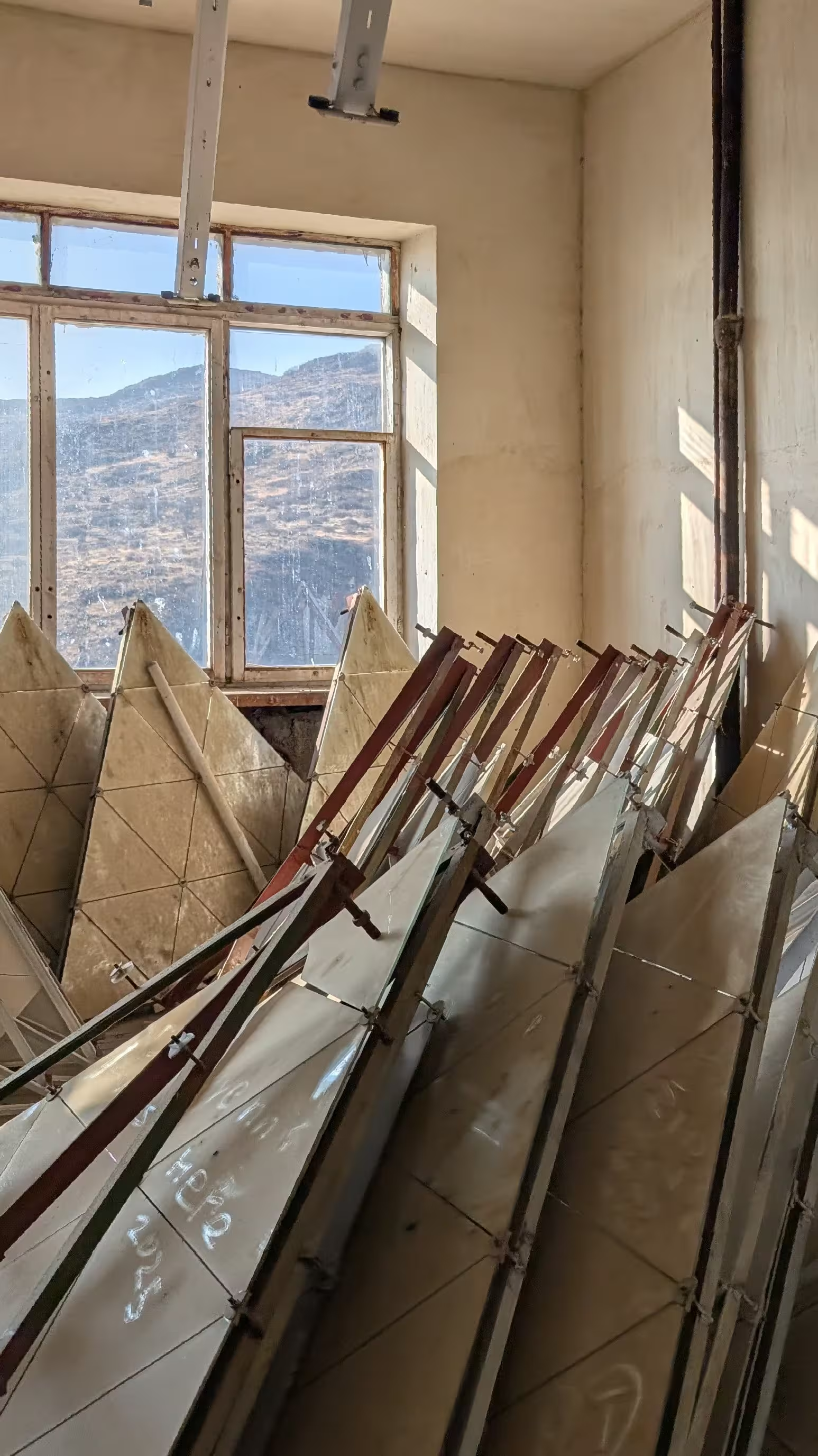
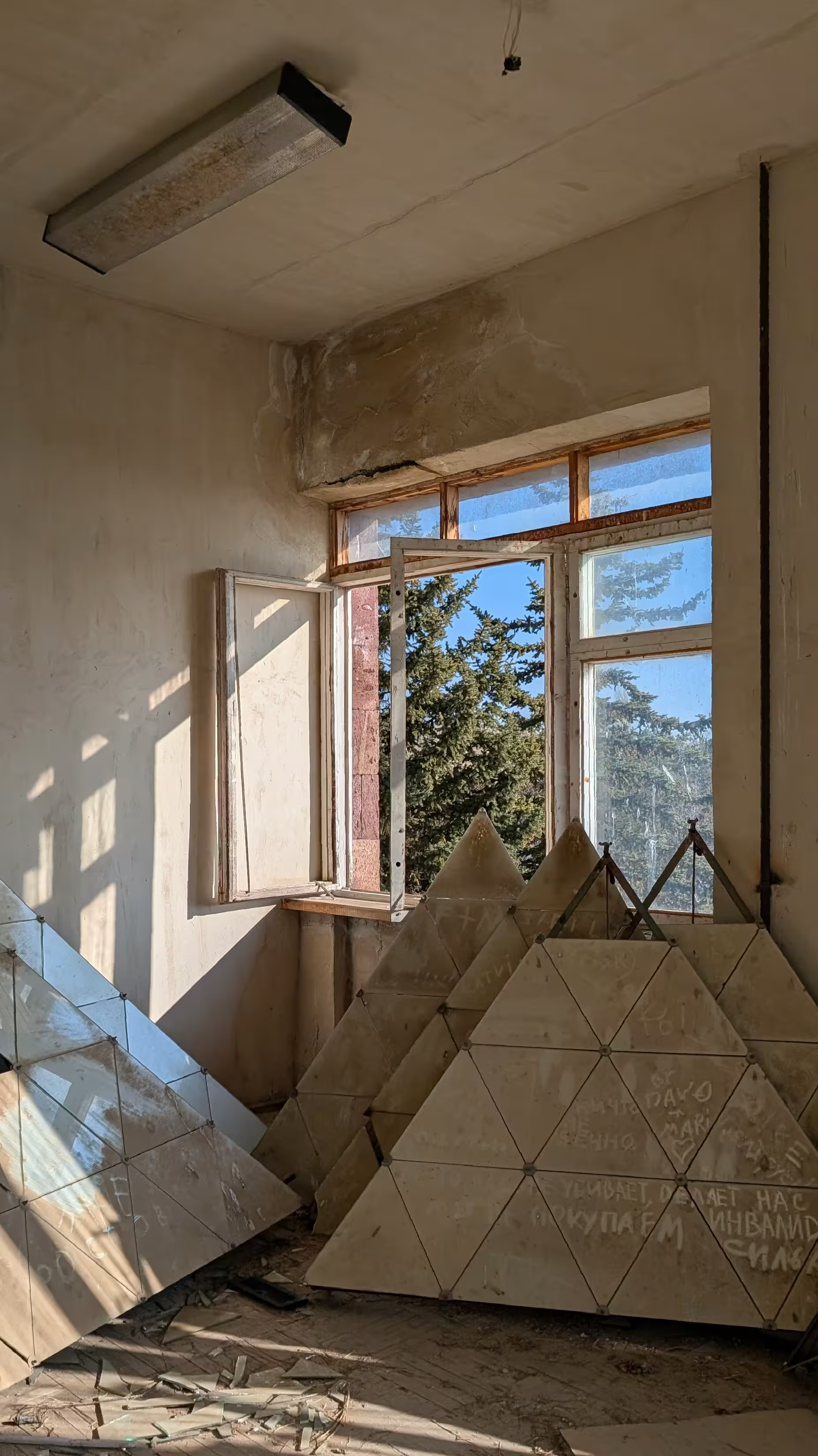
У жылым корпусе дагэтуль стаяць непрымацаваныя люстэркі. На іх людзі пішуць, хто калі быў тут.
Паўсюль расце шыпшына:
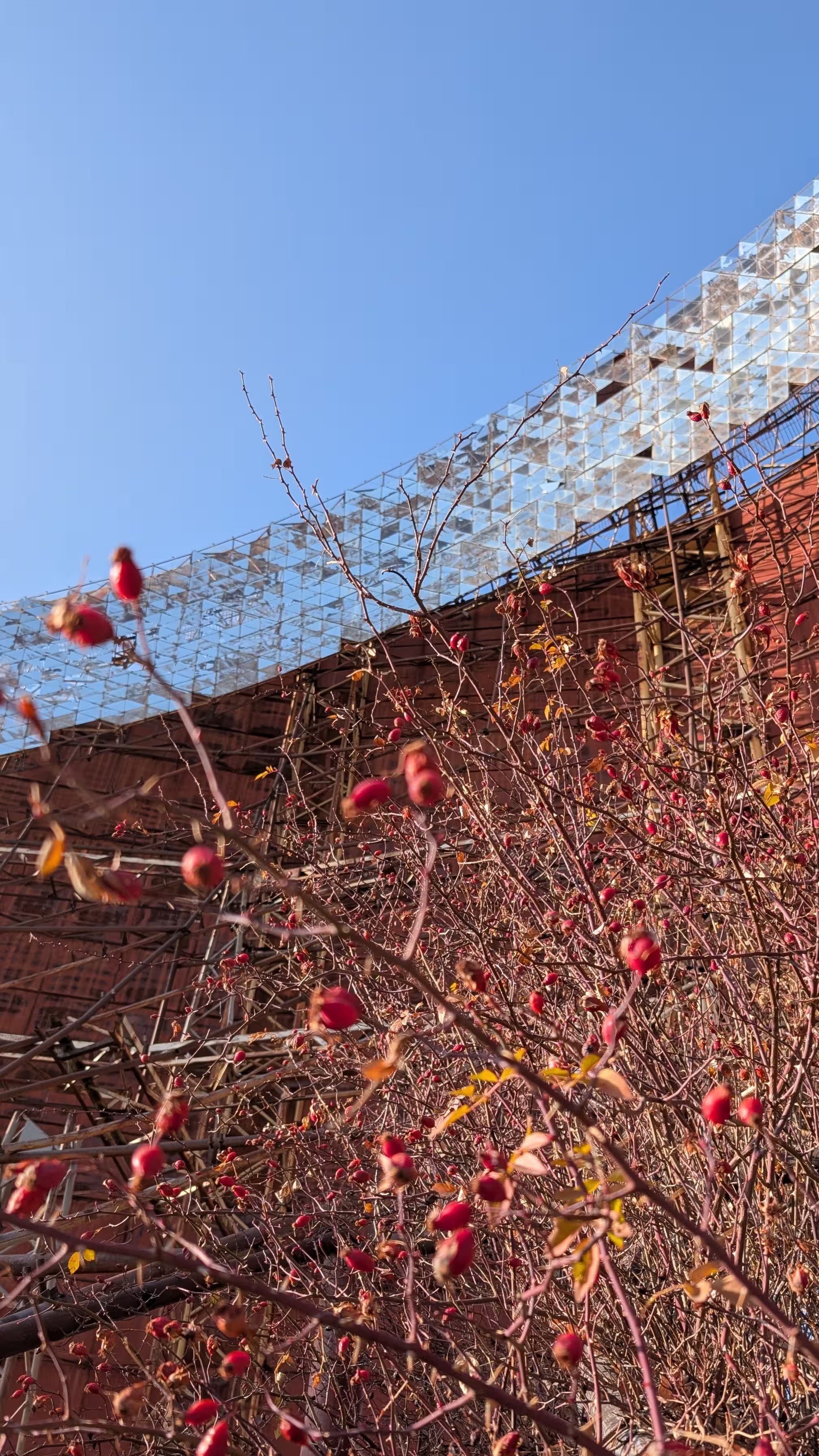
Зьбярэм трохі для гарбаты:
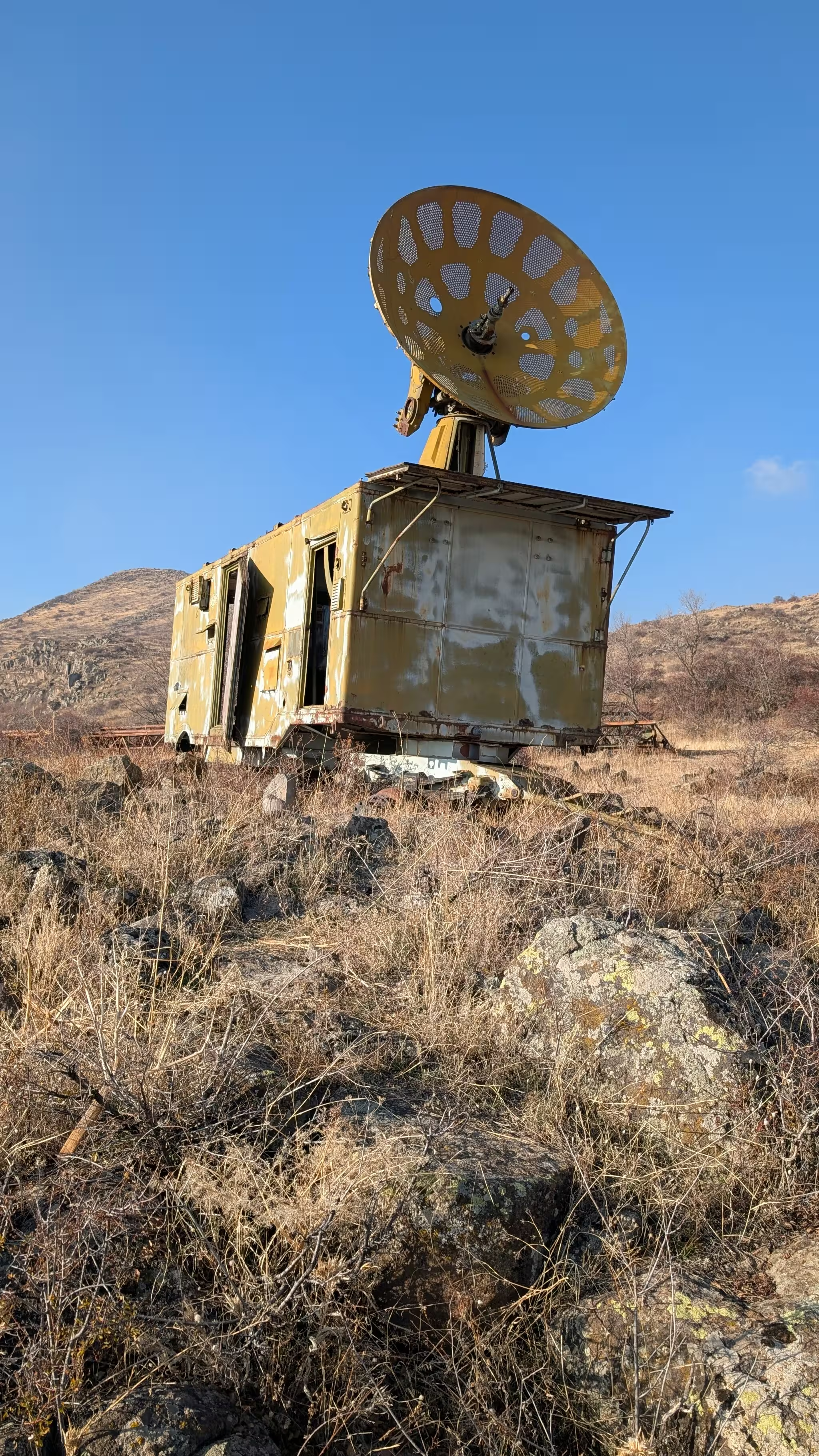
Побач з канцэнтратарам стаіць вагончык з яшчэ адной антэнай.

Таксама побач узьведзена незвычайная канструкцыя з люстраным дахам.
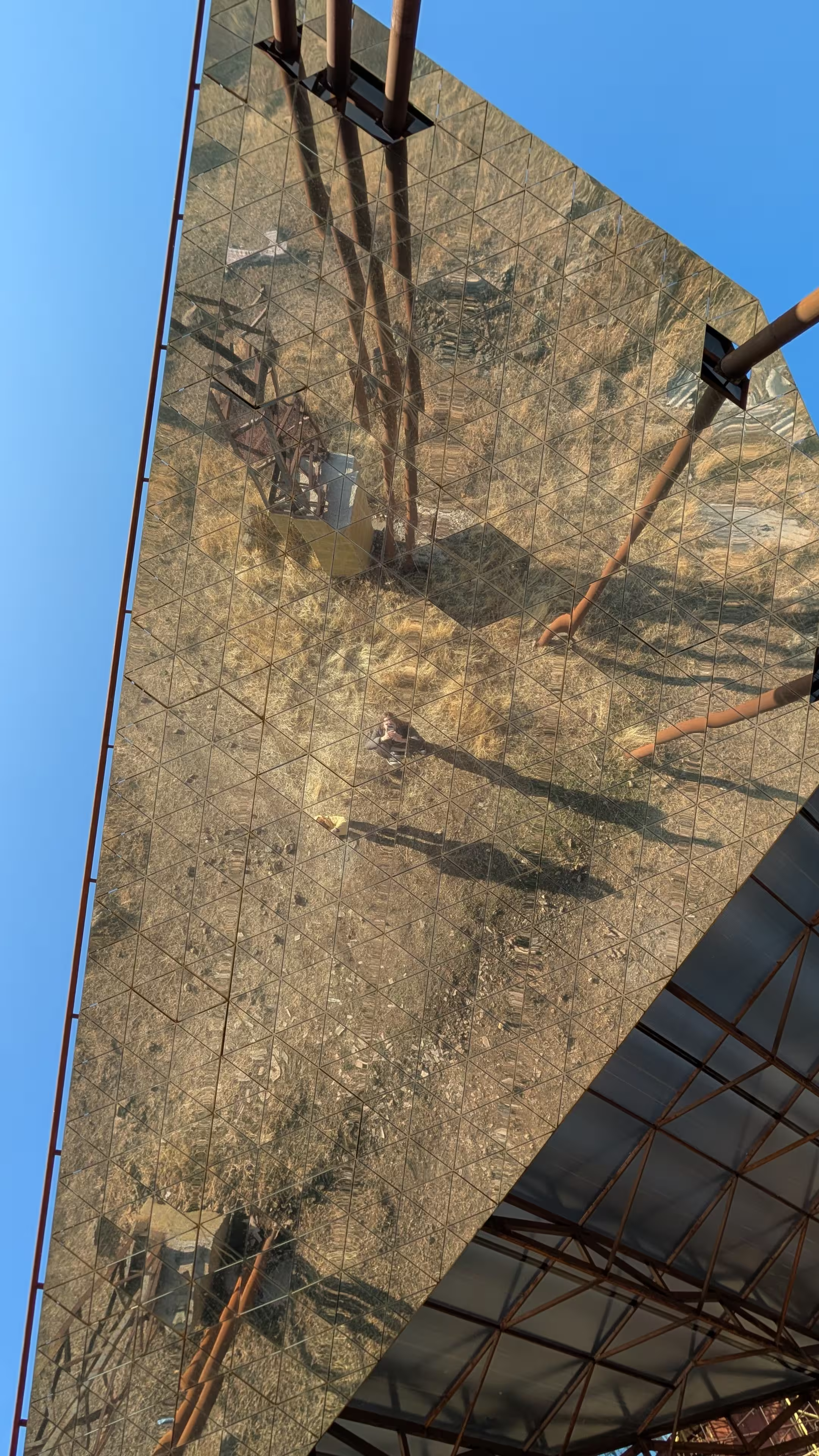
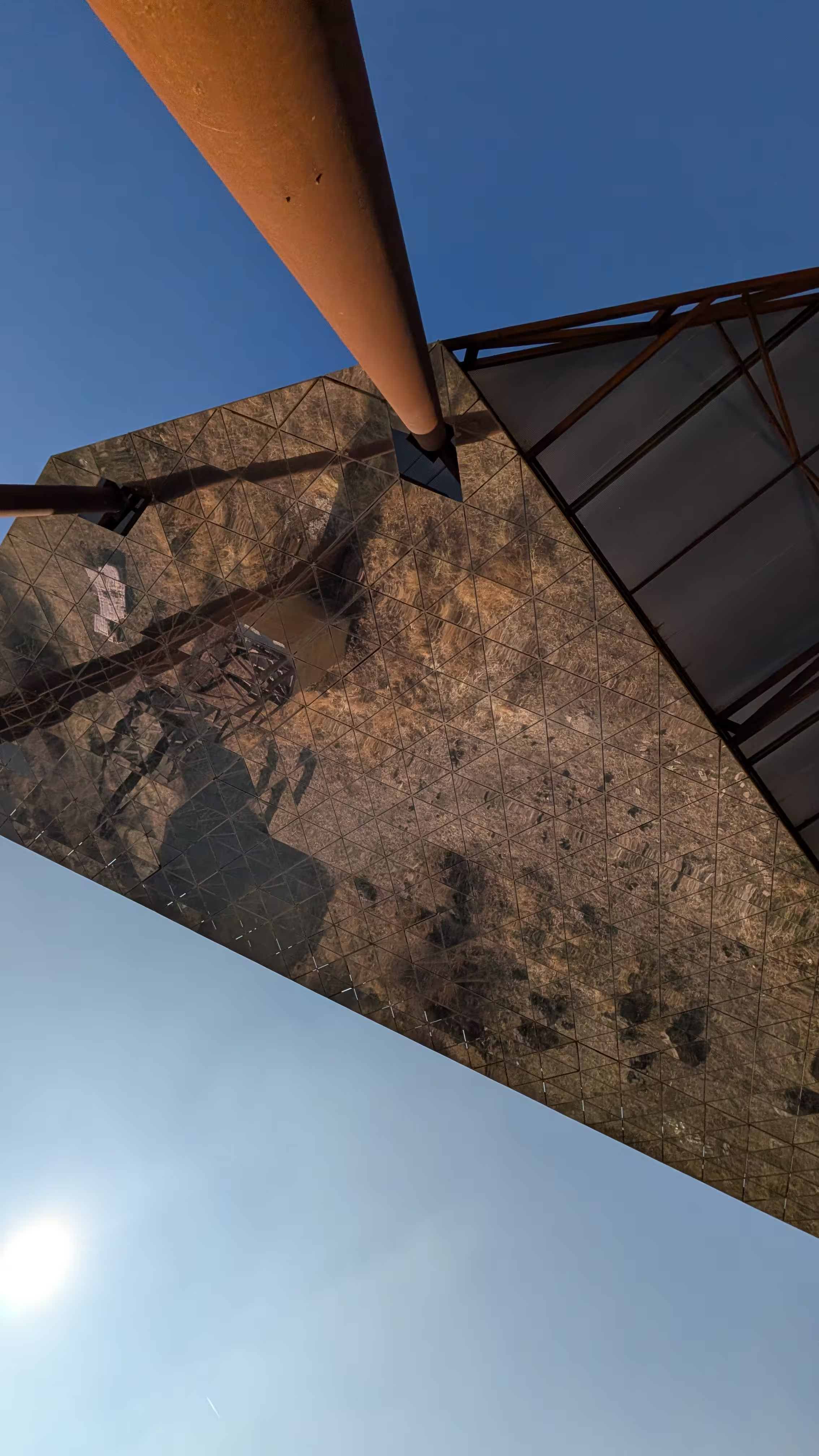
Відаць нейкая шахта. Зразумець яе прызначэньне не ўдалося.
Працуем для блога:
Мабыць, найлепшая па захаванасьці закінутка, якую мы наведвалі. Будуць выходзіць пасты пра іншыя закінутыя месцы. Сачыце за навінамі ў Тэлеграме.
Не уп
анс!
Ці варта наведаць?
Крыніцы цытат: Аляксея Чэканава і Аляксандра Рэчкіна, а таксама Вікіпедыя.
4 снежня 2025